
Are you thinking about bringing a bird into your home but worried about the care it might need? Finding a pet that fits your lifestyle without overwhelming you is key.
Knowing which bird is the easiest to take care of can save you time, stress, and money. You’ll discover simple, clear answers to help you choose a feathered friend that matches your needs perfectly. Keep reading to find out which bird can brighten your life with minimal effort.
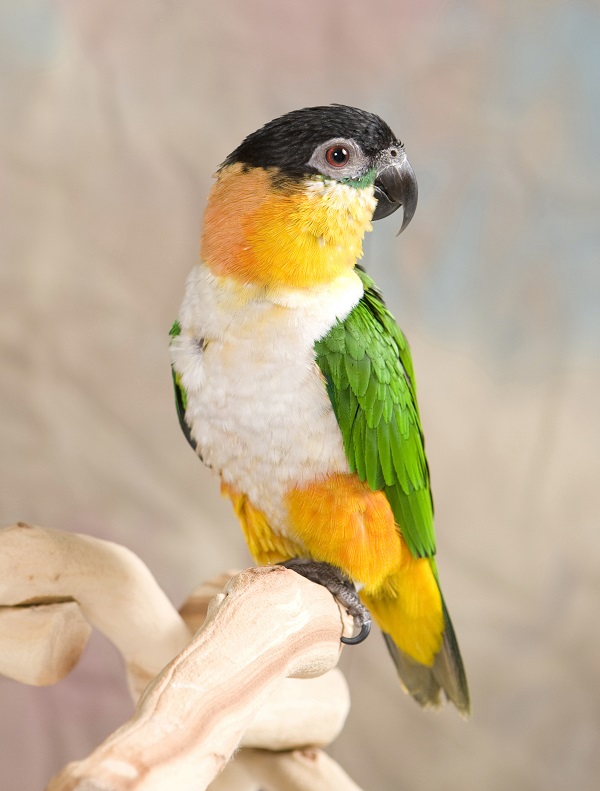
Credit: www.northernparrots.com
Low-maintenance Bird Traits
Choosing a bird that fits your lifestyle means understanding what makes a bird low-maintenance. Certain traits can make caring for a bird easier and more enjoyable. These traits affect how much time, effort, and resources you’ll need to invest daily.
Quietness And Noise Levels
Birds with lower noise levels can keep your home peaceful. Some species, like budgerigars or canaries, chirp softly without loud squawks. If you live in an apartment or work from home, a quiet bird might be a better fit.
Have you ever had a bird that surprised you with its volume? Choosing a quieter species saves you from unexpected noise headaches.
Diet Simplicity
Low-maintenance birds usually have simple diets. They thrive on easily available seeds, pellets, or fruits without needing special supplements. For example, finches do well on seed mixes and fresh greens, making feeding straightforward.
Think about how much time you want to spend preparing meals. A simple diet means fewer trips to specialty stores and less fuss at feeding time.
Space Requirements
Birds that don’t need large cages or lots of flying space suit smaller living areas. Parakeets or cockatiels require moderate cage sizes but still enjoy some out-of-cage time. Smaller cages are easier to clean and manage.
Ask yourself how much room you can dedicate to a bird. Smaller spaces call for birds that can comfortably live with less room.
Social Needs
Some birds are happy being alone, while others demand constant companionship. Low-maintenance birds tolerate solitude well and don’t require daily social interaction. For example, canaries often prefer to be solo and don’t need a buddy bird or constant human attention.
Consider your schedule. If you’re busy or away often, a bird with minimal social needs will fit better into your life.
Top Easy-care Bird Species
Choosing a bird that is easy to care for makes pet ownership enjoyable and stress-free. Some bird species naturally require less attention and adapt well to home environments. These birds are great for beginners or busy people who want a feathered friend without complex needs.
Below are some of the top easy-care bird species. Each one has unique traits that make them simple to care for and delightful companions.
Budgerigar (budgie)
Budgies are small, colorful, and social birds. They enjoy interaction but are happy in smaller spaces. Budgies eat seeds and pellets and need fresh water daily. They require a clean cage and some toys for mental stimulation. Their friendly nature makes them great for families.
Cockatiel
Cockatiels are gentle and easy to train. They can mimic sounds and enjoy being handled gently. Their diet includes seeds, pellets, and fresh vegetables. Cockatiels need a cage with perches and room to flap their wings. Regular cleaning keeps them healthy and happy.
Canary
Canaries are known for their beautiful songs and bright colors. They prefer to be observed rather than handled often. Canaries eat seeds, fresh greens, and need fresh water daily. Their cages should be spacious with perches and a bath for bathing. Canaries are ideal for quiet homes.
Finch
Finches are small, active birds that enjoy company. They thrive in pairs or small groups. Their diet consists of seeds, fresh vegetables, and grit. Finches need a wide cage to fly and exercise. Clean water and a clean cage help keep finches healthy.
Lovebird
Lovebirds are lively and affectionate birds. They bond closely with their owners or other lovebirds. Their diet includes seeds, pellets, and fresh fruits. Lovebirds need a sturdy cage and toys to play with. They are perfect for someone wanting a playful pet.
Feeding Made Simple
Feeding your bird doesn’t have to be a complicated task. The easiest birds to care for often have simple dietary needs that you can easily manage at home. Understanding what to feed and what to avoid can save you time and ensure your feathered friend stays healthy and happy.
Recommended Diets
Most easy-care birds thrive on a balanced diet that includes seeds, pellets, fresh fruits, and vegetables. For example, budgerigars and cockatiels enjoy a mix of high-quality seed blends and pellets designed specifically for small parrots.
- Seeds and Pellets:Choose a brand that offers a variety of seeds and fortified pellets to cover essential nutrients.
- Fresh Fruits:Apples, berries, and melons are favorites but always remove seeds and pits first.
- Vegetables:Leafy greens like spinach and kale provide vitamins; carrots and peas add variety.
Try offering fresh food daily and remove any uneaten portions after a few hours to avoid spoilage. You might notice your bird prefers certain fruits or veggies more than others—use this to keep meals interesting.
Avoiding Common Mistakes
Many new bird owners think seeds alone are enough, but this can lead to nutritional imbalances. Relying solely on seeds may cause obesity or vitamin deficiencies over time.
- Don’t feed your bird avocado, chocolate, caffeine, or alcohol—they are toxic and can be fatal.
- Avoid giving salty, sugary, or fried human foods; these harm your bird’s health.
- Be cautious with too many treats; they should never replace a balanced diet.
Have you ever wondered why your bird loses interest in food suddenly? Sometimes, it’s a sign they need a diet change or medical check-up. Paying attention to these details makes feeding simple and stress-free for both of you.
Basic Housing Tips
Creating a safe and comfortable home for your bird is essential to its happiness and health. Basic housing goes beyond just picking a cage; it involves thoughtful setup and maintenance. Paying attention to these details will make your bird’s life better and your care routine easier.
Cage Size And Setup
Choosing the right cage size is crucial. Your bird needs enough space to move freely, stretch its wings, and play. A cramped cage can cause stress and health issues.
Think about your bird’s natural behavior. If it loves to climb, add perches at different heights. Swing toys and ladders keep it active and entertained.
Place the cage where your bird feels part of the family but away from drafts and direct sunlight. I once put a cage near a busy window, and my bird loved watching the outside world but stayed calm because it wasn’t exposed to harsh weather.
Cleaning Routine
Keeping the cage clean is not just about appearance; it prevents diseases and keeps your bird happy. Make a habit of removing leftover food and droppings daily.
Deep clean the cage weekly by washing perches, toys, and trays with bird-safe disinfectants. Regular cleaning reduces odors and keeps your bird’s environment fresh.
Have you noticed how your bird reacts to a clean cage? Often, they become more active and curious. Clean housing supports your bird’s natural behavior and well-being.
Health And Wellness Basics
Keeping your bird healthy is key to a happy pet. Basic health care helps prevent many problems. Birds, even the easiest to care for, need attention to their wellness daily. Simple steps can make a big difference.
Recognizing Signs Of Illness
Birds often hide sickness well. Watch for changes in behavior or eating habits. Look for these signs:
- Fluffed-up feathers for long periods
- Less active or tired
- Changes in droppings color or amount
- Loss of appetite
- Labored breathing or unusual sounds
Early detection is crucial. Acting fast can save your bird’s life.
Regular Vet Checkups
Routine visits keep birds in good shape. Vets check for hidden illnesses. They can give vaccines or treatments if needed. Schedule checkups at least once a year. Young or sick birds may need more visits.
Preventive care lowers risks and keeps your bird feeling well. Trust a vet familiar with birds for the best care.
:strip_icc()/sun-parakeets-135559243-5b53f406c9e77c0037e36d6b.jpg)
Credit: www.thesprucepets.com
Social Interaction Needs
Birds, like humans, thrive on social interaction. When considering the easiest bird to take care of, understanding their social needs is crucial. Birds are intelligent creatures that require companionship and mental engagement to stay healthy and happy. Meeting these social interaction needs can transform your relationship with your feathered friend.
Bonding With Your Bird
Building a strong bond with your bird is essential for both its well-being and your enjoyment as a pet owner. Spend time talking to your bird daily, even if it doesn’t respond immediately. Birds are highly perceptive and will start recognizing your voice and presence.
Consider integrating your bird into your daily routine by having it on your shoulder while you do chores or relax. This helps the bird feel included and valued. My own parakeet, Sunny, became more affectionate and responsive when I began involving him in my morning rituals.
Providing Mental Stimulation
Mental stimulation is key to keeping your bird engaged and preventing boredom. Simple toys like mirrors, bells, and foraging puzzles can provide hours of entertainment. Rotate these toys regularly to maintain your bird’s interest.
Teaching your bird simple tricks or commands can be both fun and challenging for you and your pet. Start with basic commands like ‘step up’ and gradually introduce more complex tasks. You might be surprised by how quickly your bird catches on!
Ask yourself: How can you incorporate more social interaction into your bird’s routine? By understanding and addressing these needs, you ensure a happier, healthier life for your feathered companion.
Common Challenges And Solutions
Choosing a low-maintenance bird can reduce common care challenges like diet and space needs. Simple solutions include providing fresh water, a clean cage, and regular social interaction. These steps help keep birds healthy and happy with minimal effort.
Caring for birds can be a delightful experience, but it doesn’t come without its challenges. Even the easiest birds to care for, like budgies and canaries, present unique hurdles. Understanding these challenges and having practical solutions can make your bird-keeping journey smoother and more enjoyable.Dealing With Noise
Birds are naturally vocal creatures. Their chirping can be soothing, but sometimes it turns into excessive noise. Establishing a routine helps; birds tend to be quieter when they feel secure and know what to expect. Encourage quiet time by covering their cage with a light cloth in the evening. This mimics the natural day-night cycle and signals bedtime, reducing noise. If the noise becomes too much, try engaging your bird with toys or activities to divert their energy.Handling Feather Plucking
Feather plucking is often a sign of stress or boredom. Ensuring your bird has plenty of mental stimulation is crucial. Rotate toys and introduce new challenges to keep them engaged. Observe your bird’s environment. Is the cage in a high-traffic area? Sometimes a little privacy can calm their nerves. Regular vet check-ups can rule out medical issues contributing to feather plucking.Managing Dietary Issues
A balanced diet is vital for your bird’s health. Birds can be picky eaters, often avoiding new foods. Introduce new foods gradually, mixing them with familiar items to encourage acceptance. Ensure your bird’s diet includes a variety of seeds, fruits, and vegetables. Monitor your bird’s weight and health, adjusting their diet as needed. Have you considered making homemade bird treats? It’s a fun way to ensure they get nutritious snacks. Understanding these challenges and applying practical solutions can transform your bird care routine. What steps will you take to ensure your feathered friend thrives?:strip_icc()/parakeet-budgie-budgerigar-952787256-5b52a7d046e0fb0037bec8a7.jpg)
Credit: www.thesprucepets.com
Frequently Asked Questions
What Bird Species Are Easiest For Beginners To Care For?
Budgerigars, cockatiels, and canaries are top beginner-friendly birds. They require minimal grooming, simple diets, and adapt well to home environments. These birds are social and enjoy interaction, making them ideal for first-time bird owners.
How Much Daily Care Does An Easy Bird Need?
Easy-to-care-for birds generally need about 20-30 minutes of attention daily. This includes feeding, cleaning, and social interaction. Regular cage maintenance and fresh water are essential to keep them healthy and happy.
What Diet Suits Low-maintenance Pet Birds Best?
Simple diets with quality pellets, fresh fruits, and vegetables suit low-maintenance birds. Avoid processed foods and seeds high in fat. Balanced nutrition supports their health and reduces complex feeding routines.
Are Easy Birds Good For Small Living Spaces?
Yes, many easy-care birds like budgies and canaries adapt well to apartments. They require modest cage sizes and moderate noise levels. Their small space needs make them suitable for urban living.
Conclusion
Choosing an easy bird to care for can make pet ownership joyful. Small birds like budgies or canaries need simple care and attention. They adapt well to home life and are friendly companions. Feeding, cleaning, and social time keep them happy and healthy.
Remember, every bird needs love and patience to thrive. Enjoy the calming presence these birds bring to your home. A well-chosen bird fits your lifestyle and makes great company. Taking care of them becomes a rewarding daily routine.




