
Are you struggling to capture stunning photos of birds in flight or perched far away? Choosing the right Canon lens can make all the difference between blurry shots and breathtaking images.
But with so many options out there, how do you know which one fits your needs best? You’ll discover the top Canon lenses that bring you closer to nature’s most beautiful creatures. Get ready to transform your bird photography and finally snap those sharp, vibrant pictures you’ve been dreaming of.
Keep reading to find the perfect lens for your next adventure!
Key Features For Bird Photography Lenses
Choosing the right lens for bird photography requires attention to specific features. These features help capture sharp, detailed images of birds in various conditions. Understanding these key elements guides you to pick the best Canon lens for your needs.
Focal Length And Reach
Long focal length lets you photograph birds from a distance. Lenses with 300mm or more are ideal. This reach helps avoid disturbing the birds. Telephoto lenses offer good zoom to fill the frame with the subject.
Aperture And Low Light Performance
A wide aperture like f/2.8 or f/4 allows more light in. It helps in low light conditions such as early morning or dense forests. A larger aperture also creates a blurred background, making the bird stand out.
Autofocus Speed And Accuracy
Birds move quickly, so fast autofocus is essential. Accurate focus ensures sharp shots even in flight. Canon lenses with advanced autofocus systems track moving subjects well.
Image Stabilization Benefits
Image stabilization reduces blur caused by hand shake. It is very useful for long lenses, especially at slow shutter speeds. This feature improves sharpness without needing a tripod.
Weight And Handling
Lighter lenses are easier to carry during long shoots. Good handling means comfortable grip and balance. A lens that is too heavy can cause fatigue and affect shooting quality.

Credit: www.youtube.com
Top Canon Lenses For Bird Photography
Choosing the right Canon lens for bird photography is key to capturing sharp, detailed images. Birds often appear small and distant, so lenses with long focal lengths and fast autofocus work best. Canon offers several excellent lenses that suit different budgets and shooting styles. These lenses deliver great image quality and help freeze fast bird movements.
Below are some top Canon lenses ideal for bird photography. Each lens has unique features to consider based on your needs and camera system.
Canon Ef 100-400mm F/4.5-5.6l Is Ii Usm
This lens offers versatile zoom range for birds at various distances. Its image stabilization helps reduce blur from hand shake. The fast autofocus tracks moving birds with ease. The lens is sharp and weather-sealed, great for outdoor use. It fits well on Canon DSLR cameras.
Canon Rf 100-500mm F/4.5-7.1l Is Usm
Designed for Canon mirrorless cameras, this lens extends zoom reach to 500mm. It is lightweight for its range and has advanced image stabilization. Autofocus is quick and silent, perfect for not disturbing birds. The lens delivers crisp images even at longer distances.
Canon Ef 400mm F/5.6l Usm
This prime lens provides excellent sharpness and a fixed focal length for clear shots. It is compact and lightweight for easier handling in the field. The fast autofocus captures quick bird movements well. This lens pairs nicely with teleconverters for more reach.
Canon Rf 600mm F/11 Is Stm
A budget-friendly option for long-distance bird photography on mirrorless cameras. Its fixed 600mm focal length brings birds close. The f/11 aperture keeps the lens small and light. Image stabilization and quiet focusing add to its usability outdoors.
Canon Ef 300mm F/2.8l Is Iii Usm
A professional-grade lens with a wide aperture for low light and sharp images. It has fast autofocus and excellent image stabilization. Ideal for serious bird photographers who want outstanding image quality. The lens is heavier but offers great control and detail.
Comparing Prime Vs Zoom Lenses
Choosing the right lens is crucial for bird photography. Canon offers both prime and zoom lenses, each with unique strengths. Understanding these can help you capture sharp, detailed images of birds in their natural habitat.
Advantages Of Prime Lenses
- Sharper image quality with fewer lens elements
- Larger maximum apertures for better low-light performance
- Lighter and more compact, easier to carry on long shoots
- Faster autofocus for capturing quick bird movements
- Consistent image quality across the frame
Benefits Of Zoom Lenses
- Flexible focal lengths for different bird sizes and distances
- Less need to change lenses in the field
- Good for unpredictable bird movements and compositions
- Often includes image stabilization for sharper handheld shots
- Can cover a wider variety of shooting scenarios
Which Fits Bird Photography Best
Prime lenses suit photographers who want top image quality and speed. They perform well in low light and produce sharp details.
Zoom lenses benefit those needing flexibility to quickly frame different birds. They handle varied distances and changing scenes better.
Many bird photographers choose zooms for versatility, especially in the wild. Primes work best in controlled settings or when detail is key.

Credit: suryatara.com
Lens Accessories For Bird Photography
Choosing the right lens is only part of the equation in bird photography. The right accessories can elevate your shots, making them sharper, more stable, and creatively richer. These tools help you capture those fleeting moments with precision and ease.
Teleconverters
Teleconverters increase your lens’s focal length, bringing distant birds closer without changing lenses. They are lightweight and easy to carry, making them perfect for long birdwatching sessions.
However, they can reduce the amount of light reaching your sensor, so you might need to adjust your settings. Have you tried a 1.4x or 2x teleconverter to see how much extra reach you actually need?
Tripods And Gimbals
Bird photography demands stability, especially with long lenses. A sturdy tripod paired with a gimbal head allows smooth tracking of birds in flight.
I remember struggling with shaky hands until I invested in a gimbal head; it made following fast-moving birds effortless. Can you imagine how much sharper your shots could be with the right support?
Lens Hoods And Filters
Lens hoods block stray light, reducing glare and enhancing contrast in your photos. Filters, such as UV or polarizers, protect your lens and improve image quality by cutting reflections and boosting colors.
Using a polarizing filter on a sunny day has saved many of my shots from being washed out. What kind of filter could improve your next bird photo outing?
Budget-friendly Canon Lenses
Choosing the right Canon lens for bird photography can be costly. Budget-friendly lenses offer a chance to capture stunning bird images without spending too much. These lenses balance price and performance, making them ideal for beginners or hobbyists. You can find lenses that deliver sharp images and good zoom range without breaking the bank.
Affordable Options With Good Performance
Some Canon lenses provide great image quality at a lower price. These lenses often have moderate zoom ranges and solid autofocus systems. They work well in good light and help capture birds in detail.
- Canon EF-S 55-250mm f/4-5.6 IS STM: Lightweight and sharp, with image stabilization.
- Canon EF 75-300mm f/4-5.6 III: Basic telephoto lens, good for beginners.
- Canon EF 70-300mm f/4-5.6 IS II USM: Better autofocus and image stabilization.
These options offer clear images and decent zoom at affordable prices. They allow photographers to explore bird photography without heavy investments.
Used And Refurbished Lens Tips
Buying used or refurbished lenses can save money. Many sellers offer lenses in excellent condition for less than new prices. Check for warranty and return policies before buying.
- Inspect lens glass for scratches or fungus.
- Test autofocus and zoom functions.
- Buy from trusted sellers or official Canon refurbishers.
- Compare prices and condition carefully.
Used lenses often perform nearly as well as new ones. This option helps expand your gear without overspending.
Tips For Choosing The Right Lens
Selecting the best Canon lens for bird photography involves considering lens length and image stabilization. A long focal length helps capture distant birds clearly. Image stabilization reduces blur for sharper images.
Choosing the right lens for bird photography is crucial. It can greatly enhance your experience and results. Factors like bird types, habitats, and camera compatibility play a significant role. Below are some key tips to guide you.Matching Lens To Bird Types And Habitats
Different birds live in varied environments. Forest birds often stay hidden in trees. A lens with a wide aperture is useful here. This helps in low-light conditions. Shorebirds, on the other hand, live in open areas. You might need a lens with a longer reach. Consider the bird’s size too. Smaller birds require lenses with higher magnification. Larger birds might not need as much zoom.Considering Camera Compatibility
Ensure the lens fits your camera model. Canon offers various mounts like EF and RF. Check your camera’s mount type first. Some lenses work better with certain sensors. Full-frame cameras might need different lenses than crop sensors. Compatibility affects both performance and image quality. Always verify this before purchasing a lens.Balancing Portability And Reach
Bird photography often involves travel. A lightweight lens is easier to carry. But it might lack the zoom you need. Longer lenses offer more reach. Yet, they can be heavy and cumbersome. Consider your shooting style. Do you prefer staying mobile? Or do you set up in one spot? Find a balance that suits your needs.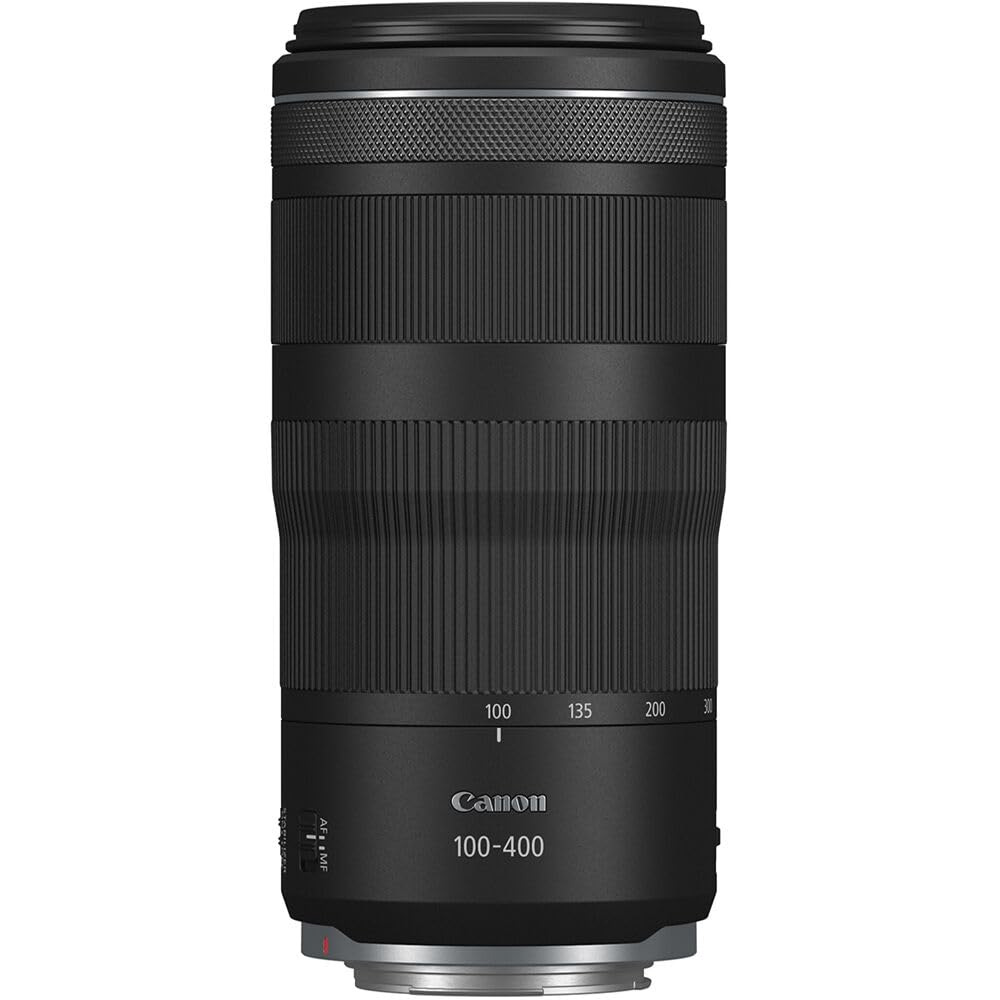
Credit: www.livescience.com
Frequently Asked Questions
What Canon Lens Is Best For Bird Photography?
The Canon EF 100-400mm f/4. 5-5. 6L IS II USM is ideal. It offers excellent reach, sharpness, and fast autofocus for capturing birds.
Can I Use A Canon Prime Lens For Birds?
Yes, the Canon EF 600mm f/4L IS III USM prime lens is perfect. It provides superior image quality and great telephoto reach for detailed bird shots.
Which Canon Lens Offers The Best Zoom Range?
The Canon RF 100-500mm f/4. 5-7. 1L IS USM offers versatile zoom. It covers wide focal lengths ideal for different bird photography scenarios.
Is Image Stabilization Important In Bird Lenses?
Absolutely. Image stabilization helps reduce blur from camera shake. It’s crucial for sharp bird photos, especially at long focal lengths and in low light.
Conclusion
Choosing the best Canon lens for bird photography depends on your needs. A long zoom helps capture distant birds clearly. Fast autofocus lets you catch quick movements easily. Image stabilization reduces blur when shooting handheld. Consider weight and size for comfort during long outings.
Quality glass improves sharpness and color. Think about your budget and shooting style. Test different lenses if possible before buying. The right lens makes bird photos more enjoyable and rewarding. Keep practicing, and your shots will get better every time.




