
Are you ready to take your bird watching experience to the next level? Choosing the right binoculars can make all the difference between spotting a quick flash of feathers and enjoying a clear, close-up view of your favorite birds.
But with so many options out there, how do you know which binoculars are best for you? In this guide, you’ll discover exactly what features to look for and how to pick binoculars that fit your needs perfectly. Keep reading, and soon you’ll be seeing birds like never before.
Choosing The Right Magnification
Choosing the right magnification is crucial when buying binoculars for bird watching. The magnification affects how close you see the birds and how steady your view will be. Picking the best balance can make your bird watching experience much more enjoyable and less tiring.
Balancing Magnification And Stability
Higher magnification brings birds closer, but it also makes the image shakier. If you’ve ever tried to hold binoculars at 12x or more without a tripod, you know how hard it is to keep the view steady. Your hands naturally shake, and the bird can quickly become a blur.
Lower magnification, like 6x or 7x, offers a wider view and more stability. You can track moving birds easily without losing them in the frame. Think about how long you plan to hold the binoculars without support—if it’s for long periods, lower magnification might save you frustration.
Ideal Magnification For Bird Watching
Most bird watchers find that 8x magnification hits the sweet spot. It’s strong enough to see fine details like feather patterns but still stable enough to hold comfortably. This size also gives you a good field of view to spot birds quickly.
If you’re watching birds in dense woods or close gardens, 7x might be even better. It offers a wider perspective, helping you scan areas faster. On the other hand, if you’re observing birds far away in open spaces, 10x can be useful, but be prepared for some shakiness.
- 7x: Great for beginners and close bird watching.
- 8x: The most popular choice for balance and detail.
- 10x: Best for distant birds but needs steady hands or support.
What kind of bird watching do you plan to do most? Your answer can guide your magnification choice and help you enjoy every moment outdoors.

Credit: www.amazon.com
Lens Diameter And Light Gathering
The lens diameter plays a big role in bird watching binoculars. It controls how much light enters the binoculars. More light means a brighter and clearer image. This is very important when you watch birds early in the morning or late in the evening. The right lens size can make your bird watching more enjoyable and less tiring for your eyes.
Importance Of Lens Size
The lens diameter is usually measured in millimeters. A larger lens gathers more light, which helps in seeing details. Common sizes for bird watching range from 30mm to 50mm. Smaller lenses are lighter and easier to carry. Bigger lenses offer better brightness but add weight.
- 30-32mm: Compact and easy to carry
- 40-42mm: Balanced between brightness and weight
- 50mm and above: Best for low light, but heavier
Choosing the right lens size depends on your needs. Think about how long you watch birds and where you go. Larger lenses work well in shaded areas or cloudy days. Smaller lenses suit quick trips or travel.
Performance In Low Light Conditions
Bird watching often happens at dawn or dusk. Light is low at these times, making it hard to see. Binoculars with a larger lens diameter gather more light. This makes the image brighter and clearer. You can spot bird colors and shapes better.
Look for binoculars with a wide exit pupil. This is the lens size divided by magnification. A bigger exit pupil lets more light reach your eyes. It helps you see well in dim light without straining.
- Exit pupil size = Lens diameter ÷ Magnification
- 4mm or higher is good for low light
Good light gathering makes early morning and late evening bird watching more rewarding. It lets you enjoy nature’s quiet moments without missing details.
Optical Quality Features
Optical quality features are the heart of any pair of binoculars you choose for bird watching. They directly affect how clearly and vividly you see your feathered subjects. Without sharp, bright images and a wide view, even the best lenses won’t help you spot those elusive birds in their natural habitat.
Coatings And Lens Clarity
Look closely at the coatings on the lenses. These thin layers reduce glare and improve light transmission, making your view brighter and colors more accurate. Fully multi-coated lenses offer the best performance, especially in low light conditions like dawn or dusk when birds are most active.
I once tested two binoculars side by side: one with single-coated lenses and another fully multi-coated. The difference was striking—the fully multi-coated pair showed sharper details and richer colors, which made identifying species much easier.
Lens clarity also depends on the quality of the glass used. High-quality optical glass minimizes distortion and delivers crisp images. Don’t settle for cheap glass; it can cause frustrating blurriness that spoils your bird watching experience.
Field Of View Considerations
The field of view (FOV) tells you how wide an area you can see through your binoculars. A wider FOV helps you spot fast-moving birds and track them without losing sight. Think about your typical bird watching environment: open fields benefit from a wider view, while dense forests might require a narrower but more detailed perspective.
When I was watching warblers in thick woods, a binocular with a narrower FOV but better magnification helped me focus on small, darting birds. However, on a coastal trip, a wide FOV was crucial to scan large flocks quickly.
Check the FOV specifications carefully—sometimes a slight difference in degrees or feet at 1000 yards can make a big impact on your comfort and success in spotting birds.

Credit: www.amazon.com
Binocular Types And Designs
Choosing the right binoculars means understanding their types and designs. These details affect how clear and comfortable your bird watching will be. Different designs serve different needs, so knowing the basics helps you pick better.
Porro Vs Roof Prisms
Porro prism binoculars have a classic, zigzag shape. They often give brighter images and better depth perception. These binoculars tend to be wider and heavier but usually cost less.
Roof prism binoculars are slim and straight. They are easier to carry and more durable. Roof prisms often need precise alignment, so they can be more expensive. Both types work well for bird watching, but your choice depends on comfort and budget.
Waterproof And Fogproof Models
Bird watching often happens outdoors in different weather. Waterproof binoculars keep water out during rain or wet conditions. Fogproof models prevent inside lenses from fogging up due to temperature changes.
Look for binoculars filled with nitrogen or argon gas. This feature stops moisture build-up inside the lenses. Waterproof and fogproof binoculars last longer and give clear views in all seasons.
Comfort And Handling
Comfort and handling are crucial when selecting binoculars for bird watching. Spending hours observing birds requires equipment that feels like an extension of your eyes. The right pair should sit comfortably in your hands and around your neck, enhancing your bird-watching experience rather than detracting from it.
Weight And Size Factors
Consider how long you’ll be holding your binoculars during a bird watching session. A lightweight pair can make all the difference during extended outings. Binoculars that are too heavy can lead to arm fatigue, cutting your bird watching adventure short.
Choose a compact size that fits well in your hands, allowing for a firm grip. But remember, smaller doesn’t always mean better. Balance is key—ensure they’re not so small that handling becomes difficult.
Eye Relief For Glasses Wearers
If you wear glasses, eye relief is a critical factor. Eye relief refers to the distance between your eyes and the eyepiece while still maintaining the full field of view. Look for binoculars with an eye relief of at least 15mm if you wear glasses.
Adjustable eyecups can enhance comfort, letting you fine-tune the distance to fit your needs. It might be tempting to overlook this feature, but proper eye relief can drastically improve your viewing comfort and satisfaction.
Have you ever felt the strain of poorly fitting binoculars during a bird watching session? Finding a pair that fits well can transform your birding experience. Keep these factors in mind, and your next birding adventure could be more comfortable than ever!
Budget Ranges And Value
Choosing the right binoculars for bird watching involves balancing budget and value. A wide range of options caters to different needs and pocket sizes. Understanding what each budget range offers helps make an informed decision. Let’s explore the choices available.
Entry-level Options
Entry-level binoculars offer good value for beginners. They are budget-friendly but provide decent quality. Look for models with magnification between 7x to 10x. Ensure they are lightweight for ease of use during long bird-watching sessions. Brands like Nikon and Bushnell have reliable options in this range.
Mid-range Picks
Mid-range binoculars offer improved optics and durability. They are great for enthusiasts seeking better image clarity. These models often feature better coatings for enhanced light transmission. Look for ones with waterproofing and fog-proofing features. Vortex and Celestron are popular choices in this category.
Premium Binoculars
Premium binoculars deliver top-notch performance. They are ideal for serious bird watchers wanting the best experience. Expect superior lens quality and excellent brightness. These models often include advanced features like image stabilization. Brands such as Swarovski and Leica dominate this high-end market.
Top Binocular Picks For Bird Watching
Choosing the right binoculars can transform your bird watching experience. The market offers a variety of models, each tailored to different needs and skill levels. Here are some top picks that balance performance, comfort, and value to help you see birds in sharp detail.
Best Overall Choice
The Nikon Monarch 7 8×42stands out as a reliable all-rounder. Its bright, clear image and wide field of view make spotting birds easier, even at a distance. I’ve used this model during early morning hikes and noticed how crisp the colors appeared, making every sighting more vivid.
Its durable, waterproof design means it can handle wet or dusty conditions without losing focus. If you want binoculars that perform well in various environments, this is a solid pick.
Best For Beginners
If you’re new to bird watching, the Vortex Optics Diamondback 8×42offers excellent value and ease of use. It’s lightweight and has a straightforward focus mechanism, so you can quickly zero in on your feathered friends without fuss.
One tip: spend time practicing with it in your backyard before heading out. This will help you get comfortable and make the most of its clear images and wide view.
Best Compact Model
For those who want something small and portable, the Zeiss Terra ED 8×25delivers top-notch optics in a compact frame. It’s perfect if you prefer to travel light or want binoculars that fit easily in a jacket pocket.
Despite its size, it offers excellent sharpness and color fidelity. Have you ever found bulky binoculars cumbersome on long walks? This model solves that problem without sacrificing quality.
Best For Low Light
Bird watching during dawn or dusk requires binoculars that perform well in dim conditions. The Swarovski EL 10×42excels here with superior light transmission and exceptional clarity.
Its advanced lens coatings and large objective lenses gather more light, helping you spot birds when visibility is challenging. If you often watch birds in the early morning or late evening, these binoculars are worth the investment.
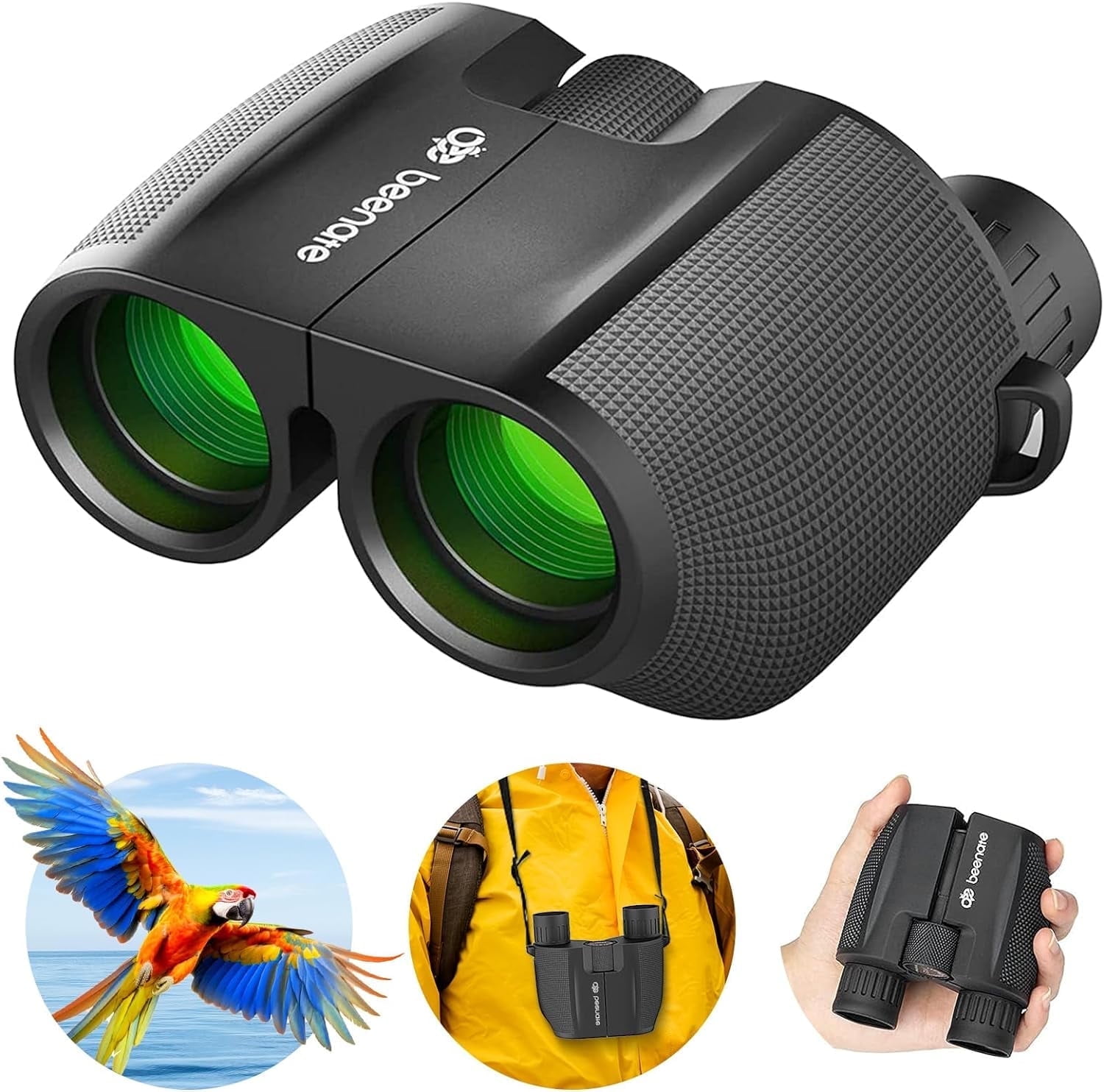
Credit: www.walmart.com
Frequently Asked Questions
What Are The Best Binoculars For Bird Watching?
The best bird watching binoculars offer 8x to 10x magnification and a 32-42mm objective lens. They provide bright, clear images and a wide field of view. Lightweight and waterproof models enhance comfort and durability in outdoor conditions.
How Important Is Magnification In Bird Watching Binoculars?
Magnification affects image detail and field of view. For bird watching, 8x to 10x is ideal. Higher magnification narrows the view and makes images shakier. Lower magnification offers wider views but less detail. Balance is key for optimal bird watching.
Should I Choose Waterproof Binoculars For Bird Watching?
Yes, waterproof binoculars are essential for bird watching. They protect optics from rain, moisture, and fog. This durability ensures clear vision in various weather. Waterproof models also tend to be fog-proof and more robust, making them perfect for outdoor use.
What Binocular Size Is Best For Bird Watching?
Medium-sized binoculars with 32-42mm objective lenses are best for bird watching. They balance brightness, weight, and ease of use. Compact models are lightweight but may lack brightness. Larger lenses provide better light but can be heavy and bulky.
Conclusion
Choosing the right binoculars makes bird watching more fun and clear. Think about size, weight, and lens quality before buying. Good binoculars help you see birds from far away. They also make colors and details brighter. Find a pair that fits your hands well and feels comfortable.
Spend time trying different types if you can. Enjoy nature and watch birds with better focus and joy. Happy bird watching!




