
Are you tired of squirrels stealing all the birdseed from your feeder? You’re not alone.
These clever little creatures can climb up almost anything, turning your peaceful bird-watching time into a squirrel chase. But don’t worry—there are simple and effective ways to stop squirrels from climbing your bird feeder pole. Keep reading, and you’ll discover easy tricks to protect your feeder, enjoy more visits from birds, and finally outsmart those pesky squirrels.
Your backyard bird sanctuary is just a few steps away!
Credit: www.homesandgardens.com
Choose The Right Feeder Pole
Choosing the right feeder pole is key to stopping squirrels from climbing up. The pole acts as the main barrier between your bird feeder and the squirrels. Picking the right material and setting the right height can make a big difference. You want a pole that is smooth and hard for squirrels to grip. Also, the pole should be placed in a spot that makes it hard for squirrels to jump onto it. These simple choices help protect your bird feeder and keep squirrels away.
Material Matters
The pole material affects how easy it is for squirrels to climb. Smooth metals like aluminum or steel work best. They have no rough edges or surfaces for squirrels to hold onto. Wood poles are easier for squirrels to climb because they can grip the surface. Plastic poles can work but choose ones without grooves or textures. Avoid rough or porous materials that give squirrels a foothold.
Pole Height And Placement
Height is important to keep squirrels from reaching the feeder. Place the pole at least 5 feet tall. This height reduces the chance of squirrels jumping from nearby objects.
Also, place the pole away from trees, fences, or walls. Squirrels use these as launching spots to jump onto the pole. Keep at least 8 feet of clear space around the pole. This makes it harder for squirrels to reach the feeder.
Install Squirrel Baffles
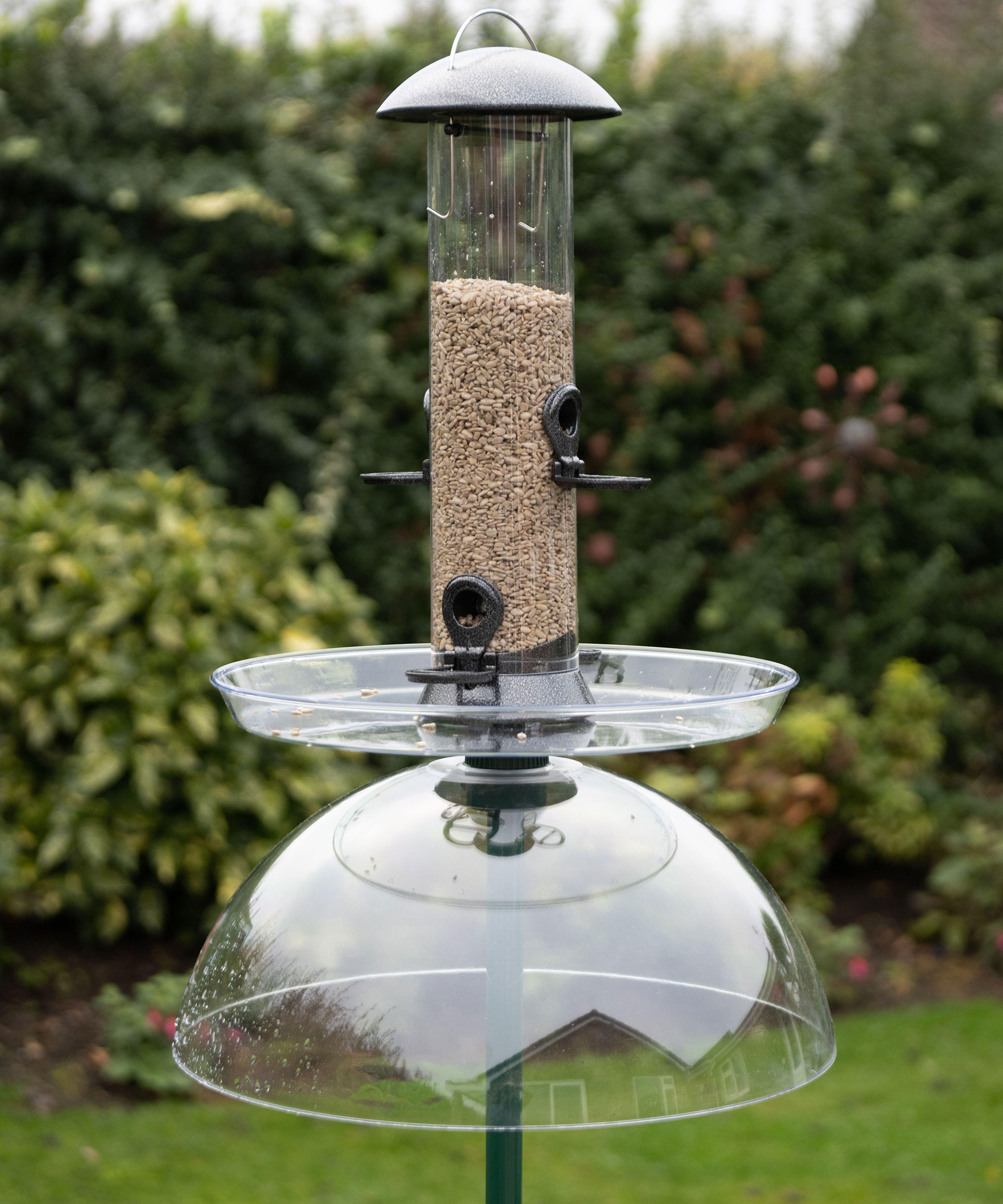
Squirrel baffles act as physical barriers that stop squirrels from climbing bird feeder poles. They create a smooth or angled surface squirrels cannot grip or climb over. Installing a baffle is a simple and effective way to protect bird feeders and keep squirrels away.
Types Of Baffles
- Cone-shaped baffles:These have a wide, sloping shape. They prevent squirrels from getting a foothold.
- Disk-shaped baffles:Flat and round, they block squirrels from climbing past narrow poles.
- Tube-shaped baffles:Cylindrical and smooth, they slip over poles to stop squirrels from climbing.
- DIY baffles:Homemade options use materials like plastic bowls or metal sheets for a budget-friendly barrier.
Proper Installation Tips
- Place the baffle at least 3 feet above the ground to block squirrels effectively.
- Ensure the baffle is wide enough to prevent squirrels from reaching around it.
- Secure the baffle firmly to avoid movement that squirrels can use to climb.
- Check the baffle regularly for damage or gaps and repair as needed.
- Use smooth, slippery materials to make climbing harder for squirrels.
Use Squirrel-proof Feeders
Using squirrel-proof feeders is one of the smartest ways to stop squirrels from climbing up your bird feeder pole. These feeders are specially made to keep squirrels out while allowing birds to feed comfortably. If you’ve ever watched squirrels outsmart a regular feeder, you know how important it is to invest in the right design.
Design Features
Squirrel-proof feeders often come with clever features that make it tough for squirrels to get to the food. Many have weight-sensitive mechanisms that close access ports when something heavy, like a squirrel, tries to feed. This means the feeder only opens for lighter creatures like birds.
Other designs include cages or cages around the feeding ports, which allow small birds to enter but block larger animals. Some feeders have smooth, slippery poles or baffles that prevent squirrels from climbing up. You might find feeders with metal guards or rotating parts that confuse or deter squirrels.
Have you noticed how squirrels can jump or climb with ease? The design features focus on limiting these actions by making the feeder physically difficult or impossible for them to reach.
Best Feeder Options
- Weight-Activated Feeders:These shut the feeding ports when a squirrel’s weight is detected. They work well if squirrels are the main problem and are quite reliable.
- Caged Feeders:A metal cage surrounds the feeder, allowing only small birds inside. It’s effective if you have larger squirrels or other animals trying to steal the food.
- Baffle Feeders:These use a dome or cone-shaped baffle above or below the feeder to block squirrels from climbing. The smooth surface makes it hard for them to grip.
- Tube Feeders with Metal Parts:Squirrels can’t chew through metal tubes. These feeders protect seeds well and last longer.
Choosing the right feeder depends on your specific squirrel problem. Have you tried different types and noticed which one your local squirrels avoid? Sometimes, combining features, like a weight-activated feeder with a baffle, offers the best protection.

Credit: happygardens.com
Modify Feeding Habits
Changing the way you feed birds can make a big difference in keeping squirrels off your bird feeder pole. Squirrels are smart and persistent, but they often adapt their habits based on food availability. By adjusting when and how you offer food, you can discourage squirrels from climbing up and help birds enjoy their meals peacefully.
Feed During Specific Times
Try feeding birds only at certain times of the day. Squirrels are usually most active early in the morning and late afternoon. If you put out food during midday, you reduce the chances of squirrels showing up.
Limiting feeding times also means less leftover food sitting around to attract squirrels. Have you noticed how wildlife patterns change depending on your routine? Matching your feeding schedule to bird activity can keep squirrels at bay.
Limit Food Spillage
Squirrels are excellent at finding spilled seeds on the ground. Make sure your feeder is designed to minimize seed drop. Using feeders with trays or guards helps contain food and keeps the area clean.
Regularly clean up any spilled seeds beneath your feeder. Even a small pile of seeds can become a squirrel’s buffet. Have you checked the ground around your feeder lately? Keeping it tidy sends a clear message that food isn’t easily accessible.
Apply Natural Repellents
Applying natural repellents is a smart way to keep squirrels from climbing up your bird feeder pole without harming the animals or the environment. These repellents use scents and textures that squirrels dislike, making your feeder less attractive to them. You can easily use these natural solutions alongside other methods to protect your bird feeder effectively.
Safe Repellent Options
There are several natural repellents you can try that are safe for both squirrels and birds. Some popular choices include:
- Capsaicin spray:Made from chili peppers, it irritates squirrels’ senses but won’t harm them.
- Garlic and peppermint oil:These strong scents confuse and repel squirrels.
- Vinegar solution:A mix of vinegar and water can be sprayed on poles to deter squirrels with its sharp smell.
- Sticky substances like petroleum jelly:Applying it on the pole creates a slippery surface squirrels dislike.
Each of these options is non-toxic and won’t disturb the birds visiting your feeder. Have you ever noticed how certain smells can instantly drive squirrels away?
How To Apply
Start by cleaning the bird feeder pole to remove dirt or old residues. This helps the repellent stick better and last longer. Use a cloth to apply the chosen repellent evenly around the pole’s surface.
If you’re using sprays like capsaicin or vinegar, spray generously on the pole and the area around the feeder. For oils, soak cotton balls and attach them near the feeder to release scent gradually. When using sticky substances, apply a thin, even layer on the pole, making sure it stays tacky but not dripping.
Reapply repellents every few days or after rain to maintain effectiveness. You may need to experiment to find which repellent works best in your area. Have you tried mixing repellents to create a stronger barrier against persistent squirrels?
Create Physical Barriers
Place a metal or plastic baffle around the feeder pole to stop squirrels from climbing. These barriers block their path, keeping the feeder safe. Make sure the barrier is wide enough so squirrels cannot jump over it.
Creating physical barriers is an effective strategy to deter squirrels from climbing up your bird feeder pole. These crafty critters can leap and climb with surprising agility, so implementing barriers can significantly increase your chances of success. Let’s explore some practical methods that can help keep your bird feeders squirrel-free.Tree Trimming
Keeping your trees pruned and maintained is a simple yet powerful way to discourage squirrels. Overhanging branches provide convenient launching points for these nimble jumpers. By trimming back branches that are too close to your feeder, you reduce their access points. Imagine spotting a cheeky squirrel making its way across a branch, only to realize it can’t quite make the leap. That’s a victory in your book. Keep an eye on new growth and make tree trimming a regular part of your feeder maintenance routine.Use Of Wire Mesh
Wire mesh can be a game-changer in your battle against squirrels. Wrapping a section of wire mesh around the pole creates a slippery and unstable surface. Squirrels find it challenging to grip and climb, giving your feathered friends a better chance to dine in peace. Choose a wire mesh with small openings, as larger ones may still offer enough grip for determined squirrels. It’s a simple addition, but it can make a world of difference in keeping your bird feeder squirrel-free. What other creative solutions have you tried to keep squirrels at bay? Maybe it’s time to consider wire mesh as your next line of defense.Maintain Regular Feeder Care
Bird feeders need regular care to keep squirrels away. Proper maintenance helps protect the bird food. It also ensures birds have a clean place to eat. Let’s explore some simple maintenance tips.
Clean Feeders Often
Regular cleaning keeps feeders safe for birds. Use mild soap and water to scrub the feeder. Rinse well to remove soap residue. Dry completely before refilling. This prevents mold and bacteria buildup.
Remove Fallen Seeds
Seeds on the ground attract squirrels. Check the area around the feeder daily. Sweep away any fallen seeds. This simple step reduces squirrel visits. It also keeps the feeding area tidy.

Credit: www.amazon.ca
Frequently Asked Questions
How Can I Prevent Squirrels From Climbing Bird Feeder Poles?
Install a baffle or squirrel guard on the pole. These barriers block squirrels from climbing and reaching the feeder. Use smooth, slippery materials for best results. Regularly check and adjust the guard to keep it effective.
What Types Of Baffles Work Best For Squirrel Control?
Cone-shaped or cylindrical metal baffles are highly effective. They create a slippery surface squirrels cannot grip. Plastic or mesh guards may also help but are less durable. Choose a size that fits snugly around your feeder pole.
Are Squirrel-proof Bird Feeders Worth Buying?
Yes, they limit squirrel access while allowing birds to feed comfortably. These feeders have weight-sensitive perches that close feeding ports when squirrels land. Investing in one reduces seed waste and feeder damage.
Can Natural Deterrents Stop Squirrels From Climbing Poles?
Some use hot pepper spray or predator urine near feeders. These methods can discourage squirrels temporarily but may require frequent reapplication. Combining deterrents with physical barriers is more effective.
Conclusion
Keeping squirrels off your bird feeder pole takes patience and simple steps. Use barriers like baffles or smooth poles to block their climb. Place feeders away from trees or fences for less access. Regularly clean up spilled seeds to avoid attracting squirrels.
Enjoy watching birds without constant squirrel interruptions. Small changes make a big difference in protecting your feeder. Try these easy tips and see the results yourself. Squirrel-free feeding can be simple and satisfying.




