
Finding an injured bird can be both heartbreaking and confusing. You want to help, but you might not know where to start or what to do.
Taking care of a fragile bird requires careful steps and quick action. In this guide, you’ll learn simple and effective ways to give your feathered friend the best chance to heal. By following these easy tips, you can make a real difference in the life of that small, vulnerable creature.
Keep reading to discover exactly how you can help an injured bird safely and confidently.

Credit: www.brieftaubenshop.de
Identifying Bird Injuries
Identifying injuries in birds is crucial for proper care. Birds hide pain well, so careful observation is key. Knowing common signs helps you act fast and safely. Assessing the injury’s severity guides the next steps in treatment.
Common Signs Of Injury
- Visible wounds or bleeding on feathers or skin
- Swelling or bruising around the body or wings
- Difficulty flying or walking normally
- Drooping wings or tail feathers
- Unusual posture, such as a tilted head or hunched stance
- Labored or noisy breathing
- Loss of balance or coordination
- Feather damage or missing feathers in patches
Assessing Severity
Check if the bird can stand or perch. A bird that cannot do this needs urgent help. Look for heavy bleeding that won’t stop easily. Deep wounds or broken bones require professional care.
Minor scratches or small cuts can heal with simple care. If the bird is alert and responsive, the injury may be less serious. Weakness, unconsciousness, or severe distress means immediate attention is needed.
Immediate Actions To Take
When you find an injured bird, the moments that follow are crucial. Acting quickly and calmly can make a significant difference in the bird’s recovery. Immediate actions focus on minimizing stress and preventing further injury.
Safe Handling Techniques
Approach the bird slowly and quietly to avoid startling it. Speak softly or remain silent, as sudden movements or loud noises can increase the bird’s stress levels.
Use a towel or soft cloth to gently cover the bird. This helps calm the bird and protects you from sharp beaks or claws.
Hold the bird securely but gently—too tight can cause harm, too loose can allow escape. Support its body, especially around the chest and wings, to prevent flapping that might worsen injuries.
Containing The Bird Securely
Place the bird in a well-ventilated box or pet carrier lined with a soft towel or cloth. This creates a safe and dark environment that reduces stress.
- Make sure the container is secure but allows airflow.
- Avoid using newspaper or materials that can stick to feathers or cause discomfort.
- Keep the box in a quiet, warm area away from pets and loud noises.
Have you considered how much stress a frightened bird is under right now? Your calm approach and careful containment can be the difference between life and death.
Providing Basic First Aid
Providing basic first aid to an injured bird can make a huge difference in its recovery. The right care helps reduce pain and prevents further harm before professional help is available. Knowing simple but effective first aid steps gives you confidence to act quickly and calmly in a stressful moment.
Cleaning Wounds
Cleaning a bird’s wound is crucial to avoid infection. Use lukewarm water or a saline solution to gently rinse the area. Avoid using alcohol or hydrogen peroxide as they can damage delicate tissues.
Pat the wound dry with a clean cloth or gauze. You want to remove dirt and debris without causing more pain. Have you noticed how birds are often very sensitive to touch? Being gentle is key here.
Stopping Bleeding
If the bird is bleeding, apply gentle pressure with a clean cloth or sterile gauze. Hold the pressure for several minutes without lifting it to check, as this can cause bleeding to start again. Small wounds usually stop bleeding quickly, but more serious ones may need continued care.
Use a clean bandage if possible, but avoid wrapping too tightly—this can cut off circulation. Ever tried to bandage something fragile? It’s a balance between securing and squeezing.
Supporting Broken Wings Or Legs
Broken limbs require careful support to prevent further injury. You can create a simple splint using popsicle sticks or rolled paper, securing it gently with tape or cloth strips. Make sure the splint immobilizes the limb but doesn’t pinch the skin.
Keep the bird calm and limit its movement. Have you ever noticed how birds flutter when scared? This could worsen a break. Providing a quiet, dark space helps reduce stress and keeps the bird still.

Credit: pacificwildlifecare.org
Creating A Comfortable Recovery Space
Creating a comfortable recovery space is vital for an injured bird’s healing. The right environment helps reduce stress and speeds up recovery. Birds need calm, warmth, and safety to feel secure. This section explains how to set up the best space for your feathered friend.
Choosing The Right Environment
Pick a quiet room away from noise and pets. Avoid places with lots of foot traffic. Use a small cage or a box with air holes for ventilation. Line the bottom with soft towels or cloth. Make sure the space is clean and free from drafts. Keep food and water within easy reach for the bird.
Maintaining Warmth And Quiet
Birds need extra warmth during recovery. Use a heating pad under half of the cage or a warm water bottle wrapped in cloth. Avoid direct heat that can burn the bird. Keep the room temperature steady, around 75°F (24°C). Turn off loud devices like TVs or radios. Low lighting and silence help the bird rest better.
Feeding And Hydration Tips
Feeding and hydration play a key role in helping an injured bird recover. Birds need the right nutrients and enough water to heal quickly. Providing proper food and water supports their energy and strength during this tough time.
Suitable Food Choices
Offer soft, easy-to-digest foods that suit the bird’s natural diet. Small seeds, finely chopped fruits, and insects work well. Avoid hard, large seeds that can be hard to eat. Fresh food is best to prevent spoilage and illness.
- Soft fruits like bananas, apples, or berries
- Cooked rice or oatmeal in small amounts
- Mealworms or crushed insects for protein
- Seed mixes designed for the bird species
Feed small amounts frequently to avoid overfeeding. Watch the bird’s response to food and adjust as needed.
Ensuring Proper Hydration
Water is vital for healing. Provide clean, fresh water daily. Use a shallow dish to prevent drowning risks. Some birds may not drink on their own; in these cases, offer water with a dropper carefully.
- Change water twice a day to keep it fresh
- Use a shallow container easy for the bird to reach
- Keep water at room temperature for comfort
- If needed, moisten food slightly for extra hydration
Hydration helps the bird stay alert and recover faster. Keep checking water and food regularly for best care.
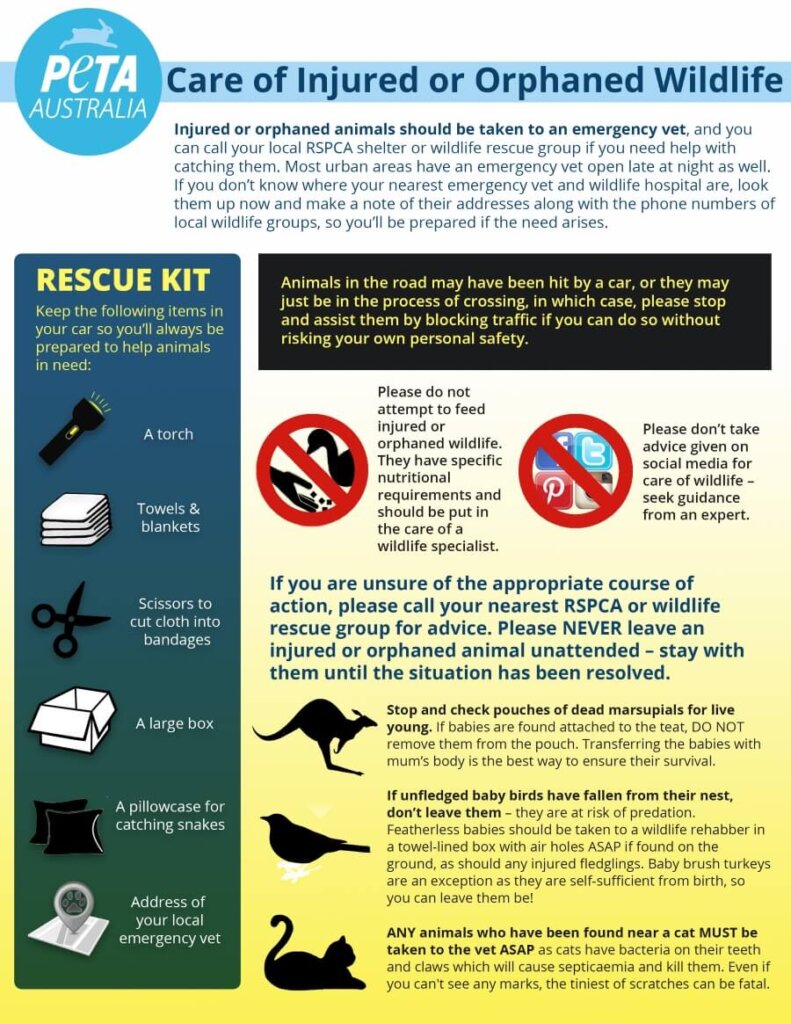
Credit: www.peta.org.au
Monitoring Healing Progress
Check the bird daily for signs of improvement like better movement or eating. Note any changes in behavior or wounds to ensure proper healing. Keep a simple record to track progress and adjust care if needed.
Monitoring the healing progress of an injured bird is crucial. It ensures the bird regains strength and health. Observing changes helps determine if recovery is on track. Regular checks can prevent complications and offer peace of mind.Recognizing Improvement Signs
Look for increased activity and alertness in the bird. Notice if the bird is eating more regularly. Improved feather condition can indicate healing. Observe if the bird uses its wings more often. Healthy birds often vocalize more frequently.When To Seek Veterinary Help
Contact a vet if the bird seems lethargic. Seek help if wounds show redness or swelling. Consult a vet if the bird’s condition worsens. Unusual behavior or loss of appetite are warning signs. Trust your instincts; if unsure, ask a professional.Preventing Future Injuries
Caring gently helps birds heal without extra harm. Keeping their space safe and quiet reduces stress and stops new injuries. Regular checks catch problems early, helping birds recover strong and healthy.
Preventing future injuries to birds is a vital part of their care. By adopting safe outdoor practices and creating bird-friendly spaces, you can significantly reduce the risk of harm to these beautiful creatures. Let’s explore how you can make your environment safer for birds.Safe Outdoor Practices
Ensure windows are visible to birds. Apply stickers or decals on large glass surfaces. This helps birds see the glass and avoid collisions. Keep cats and other pets indoors or supervised. This minimizes the risk of bird attacks. Trim back any protruding branches near windows. This reduces the chance of birds flying into glass.Creating Bird-friendly Spaces
Plant native shrubs and trees in your garden. They provide shelter and food for birds. Install bird feeders and birdbaths at safe heights. Ensure they are out of reach from predators. Avoid using pesticides and chemicals in your garden. They can harm birds and their food sources. Create nesting areas using birdhouses or natural materials. This encourages birds to stay and thrive.Frequently Asked Questions
How Do I Safely Handle An Injured Bird?
Gently approach the bird and use a towel to pick it up. Avoid sudden movements to prevent stress. Secure the bird in a ventilated box for transport to a vet or wildlife rehabilitator.
What Immediate Care Does An Injured Bird Need?
Keep the bird warm, quiet, and in a dark place. Provide fresh water but avoid feeding. Contact a wildlife professional for proper treatment and advice.
When Should I Contact A Wildlife Rehabilitator?
Contact a rehabilitator immediately if the bird has visible injuries or cannot fly. They offer expert care to ensure the bird’s recovery and release back into the wild.
Can I Feed An Injured Bird At Home?
Avoid feeding unless instructed by a professional. Incorrect food can harm the bird. Focus on providing water and warmth until expert help arrives.
Conclusion
Caring for an injured bird takes patience and gentle hands. Act quickly but stay calm to help the bird heal. Keep the bird safe and quiet to reduce stress. Provide water and food if the bird can eat. Seek help from wildlife experts to ensure proper care.
Your care can make a big difference for the bird’s recovery. Every small step helps the bird get stronger and ready to fly again. Caring for injured birds shows kindness to nature.




