
Do you want to attract colorful birds to your garden and enjoy their cheerful presence every day? Building your own bird feeder pole is easier than you think, and it gives you the chance to create a perfect spot for birds to gather.
Imagine watching them up close, feeding and singing just outside your window. In this guide, you’ll discover simple steps to build a sturdy and attractive bird feeder pole that fits your space and style. Keep reading, and soon you’ll have a beautiful bird haven right in your backyard!

Credit: www.familyhandyman.com
Choosing The Right Materials
Choosing the right materials is key to building a strong bird feeder pole. The materials affect the pole’s durability, appearance, and how well it withstands weather. Using good materials saves time and money in the long run. It also helps keep birds safe and happy.
Selecting Durable Wood Or Metal
Wood and metal are the best choices for bird feeder poles. Both have strengths and suit different needs.
- Wood:Cedar, redwood, and treated pine resist rot and insects. They look natural in gardens. Use smooth wood to avoid splinters.
- Metal:Steel and aluminum last long and resist weather. Steel is strong but can rust if not painted. Aluminum is light and rust-proof.
Choose wood for a warm, natural look. Pick metal for a sleek, modern style and long-lasting use.
Tools You’ll Need
Gathering the right tools makes building easier and safer. Here are essential tools for your bird feeder pole project:
- Measuring tape – for accurate cuts and placement
- Saw – a handsaw or power saw to cut wood or metal
- Drill – to make holes for screws or bolts
- Screwdriver or wrench – to fasten parts securely
- Sandpaper – to smooth wood surfaces and edges
- Paintbrush – for applying wood sealant or metal paint
Having these tools ready helps you work efficiently and finish the pole with quality.

Credit: www.youtube.com
Planning Your Bird Feeder Pole
Planning your bird feeder pole carefully sets the foundation for a successful and enjoyable bird-watching experience. It’s not just about placing a pole in your yard; it’s about creating a safe, stable, and attractive spot that invites birds while fitting your outdoor space. Taking time to think through the details will save you headaches later and make your feeder a favorite for both birds and you.
Deciding On Height And Design
Choosing the right height matters more than you might think. Aim for a height that keeps the feeder away from predators like cats but still lets you easily fill and clean it. Usually, 5 to 6 feet above the ground works well for most yards.
Design also plays a big role. Do you want a simple pole with a single hook or a more decorative structure with multiple arms? Think about how many feeders you want to hang and whether you prefer wood, metal, or even recycled materials for your pole.
Ask yourself: How will the pole complement your garden’s style? A sleek metal pole might suit a modern yard, while a wooden one fits a rustic space better. Your choice affects not only aesthetics but also durability.
Considering Stability And Safety
Stability is key to keeping your feeder in place during wind or curious wildlife visits. A pole that wobbles will frustrate you and scare away birds. Use sturdy materials like treated wood or galvanized steel for the pole and secure it deeply into the ground.
Safety goes beyond just avoiding falls. Make sure the pole and feeder don’t have sharp edges or loose parts that could harm birds. Adding a baffle below the feeder can prevent squirrels and other critters from climbing up, protecting your feathered visitors.
Think about your maintenance routine too. Can you easily remove or adjust the feeder without risking injury? Planning for stability and safety now means you’ll enjoy watching birds without constant repairs or worries.
Preparing The Pole
Preparing the pole is a key part of building a bird feeder pole. A well-prepared pole lasts longer and stands strong against weather. The process begins with cutting the wood to the right size and smoothing the surface. Then, treating the wood protects it from rain and sun. This ensures safety for birds and durability for your feeder pole.
Cutting And Sanding Materials
Choose a sturdy wood type like cedar or pine. Cut the pole to your desired height, usually between 5 and 7 feet. Use a saw for clean, straight cuts. After cutting, sand the entire pole with medium-grit sandpaper. Focus on rough edges and splinters. Smooth surfaces help paint or sealant stick better. Sand until the wood feels even and safe to touch.
Treating Wood For Weather Resistance
Apply a weather-resistant treatment to extend the pole’s life. Use outdoor wood sealant or water-based wood preservative. These products block moisture and prevent rot. Brush the treatment evenly over all surfaces. Pay extra attention to the bottom end that touches the ground. Let the wood dry completely before assembly. This step keeps the pole strong through rain, wind, and sun exposure.
Assembling The Pole
Assembling the pole is a key part of building a sturdy bird feeder. A well-built pole keeps the feeder steady and safe from wind or animals. This section explains how to attach support brackets and secure the pole firmly in place.
Attaching Support Brackets
Support brackets add strength to the pole. Use brackets made of metal or strong plastic for durability. Position brackets near the bottom and middle sections of the pole. This spreads the weight evenly and prevents wobbling.
- Align the bracket holes with the pole’s surface.
- Use screws or bolts to fix the brackets tightly.
- Check that the brackets sit flush and do not bend.
Make sure brackets are secure before moving to the next step. Loose brackets reduce the pole’s stability.
Securing The Pole In Place
Secure the pole deeply into the ground for strong support. Use a post hole digger or shovel to create a hole about 2 feet deep. Insert the pole and fill the hole with concrete or packed soil.
- Hold the pole straight while filling the hole.
- Use a level to check vertical alignment.
- Allow concrete to dry fully if used.
A stable pole stands firm against wind and animals. Avoid shallow or loose placement to keep the feeder safe.
Adding Bird Feeder Attachments
Bird feeder attachments can easily be added to a bird feeder pole to attract more birds. These attachments increase feeding spots and create a lively bird-watching area right in your yard. Simple hooks and brackets work well for securing different feeders.
Adding attachments to your bird feeder pole can transform a simple setup into a bustling bird haven. These attachments not only enhance the functionality of your feeder but also increase the variety of bird species visiting your garden. By carefully selecting the right attachments, you can create a welcoming environment for your feathered friends.Mounting Hooks And Hangers
Mounting hooks and hangers are fundamental to a versatile bird feeder pole. They provide the flexibility to hang multiple feeders at different heights, catering to various bird species. Consider using adjustable hooks that can be repositioned easily, allowing you to modify your setup as needed. When I first installed my bird feeder pole, I underestimated the importance of sturdy hooks. After a few windy days, one of my feeders ended up on the ground. Ensure your hooks are durable and can withstand weather changes—it’s a small detail that makes a big difference.Choosing Feeder Styles
Selecting the right feeder style is crucial for attracting a diverse range of birds. Tube feeders are perfect for small birds like finches, while platform feeders can accommodate larger species such as cardinals. Think about the types of birds you want to attract and choose accordingly. You might want to experiment with different feeder styles to see which ones your local birds prefer. Observing their preferences can be an enjoyable part of the process. Have you ever noticed how some birds prefer certain feeders over others? It’s fascinating how their feeding habits can vary! Adding feeder attachments is more than just a functional step; it’s an opportunity to invite nature into your backyard in a thoughtful way. By considering these aspects, you make your bird feeder pole a hub of activity and joy.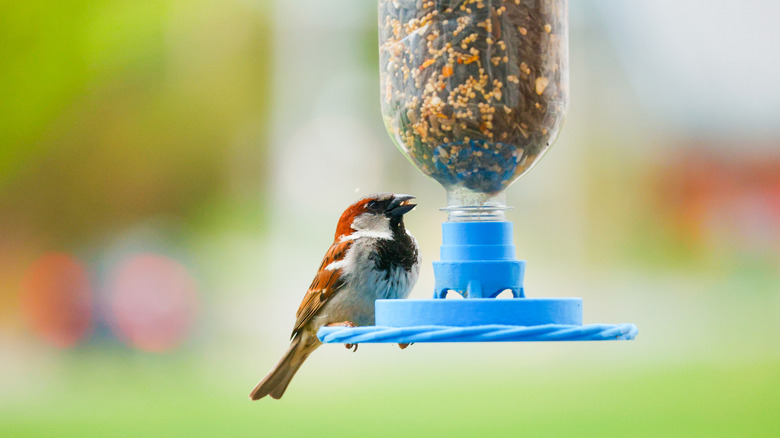
Credit: www.outdoorguide.com
Finishing Touches
Finishing touches make your bird feeder pole stand out and last longer. This phase protects the wood and adds personal style. Choose options that suit your garden and attract birds safely.
Painting Or Staining
Painting or staining protects the wood from rain and sun damage. Use outdoor paint or stain made for wood. These coatings prevent cracks and fading. Apply thin, even layers for best results. Let each coat dry fully before adding the next. Choose colors that blend with your garden or stand out as a fun feature. Avoid bright colors that may scare birds away.
Adding Decorative Elements
Decorative elements give your bird feeder pole a unique look. Attach small wooden shapes, metal accents, or ceramic pieces. Use weatherproof glue or screws to secure decorations. Consider adding a small roof or perch for birds. Wind chimes or bells add soft sounds to the garden. Keep decorations safe and non-toxic for birds. Simple touches can make your bird feeder pole both charming and functional.
Maintaining Your Bird Feeder Pole
Regularly check your bird feeder pole for rust or damage to keep it safe and sturdy. Clean the pole to prevent dirt buildup and replace worn parts to extend its life. Proper care ensures birds visit your feeder without any trouble.
Maintaining your bird feeder pole is essential to ensure it remains a welcoming spot for your feathered friends. Over time, exposure to the elements and frequent use can wear down even the sturdiest of poles. Regular maintenance not only prolongs the life of your setup but also keeps the birds healthy and happy. Here’s how you can take care of your bird feeder pole to keep it in tip-top shape.Regular Cleaning Tips
Regular cleaning is crucial in preventing the spread of disease among birds. A simple solution of water and mild detergent is effective for most poles. Scrub the pole thoroughly, especially around the feeder where debris can accumulate. Rinse with clean water to remove any soap residue. Ensure the pole is completely dry before reattaching the feeder. This prevents mold growth, which can be harmful to birds. Consider using a brush with stiff bristles for stubborn dirt. You might be surprised at how much grime can hide in the crevices!Seasonal Care Advice
Each season brings unique challenges to your bird feeder pole. In winter, heavy snow and ice can weigh down the pole. Regularly check and remove any build-up to prevent bending or breaking. Spring and summer often introduce rust and corrosion due to increased moisture. A quick coat of rust-resistant paint can protect the metal parts. Fall is a good time to inspect for any signs of wear and tear. Tighten loose screws and replace any damaged parts. Have you ever noticed how maintenance in one season can save a lot of hassle in the next?Frequently Asked Questions
What Materials Are Needed To Build A Bird Feeder Pole?
You need treated wood or metal pipe, screws, a drill, a saw, and bird feeder hooks. Choose weather-resistant materials for durability.
How Do I Install A Bird Feeder Pole Securely?
Dig a hole about 2 feet deep and place the pole inside. Use concrete or packed soil to stabilize it firmly.
What Height Is Ideal For A Bird Feeder Pole?
Place the pole 5 to 6 feet above ground. This height keeps birds safe from predators and easy for viewing.
Can I Build A Bird Feeder Pole Without Tools?
Basic tools like a drill and saw are essential. Without them, it’s challenging to build a sturdy and safe pole.
Conclusion
Building a bird feeder pole is a fun and simple project. It helps you enjoy watching birds up close. Use strong materials to keep the pole steady. Place it in a safe, quiet spot for birds. Regularly check and clean the feeder for best results.
This small effort brings nature closer to your home. Start your bird feeder pole today and enjoy the beauty of birds every day.




