
Have you ever wondered how your car seems to have eyes all around it, helping you park perfectly every time? That’s the magic of a bird’s eye camera.
This smart technology gives you a clear, top-down view of your vehicle and its surroundings, making tricky maneuvers easier and safer. If you want to understand how this impressive system works and how it can change the way you drive, keep reading.
By the end, you’ll see why this camera is becoming a must-have for every driver.
Basics Of Bird’s Eye Camera
Understanding the basics of a Bird’s Eye Camera is essential if you want to appreciate how it enhances your driving experience. This technology provides a 360-degree view around your vehicle, helping you avoid blind spots and park with confidence. The system stitches images from multiple cameras to create a seamless overhead image, giving you a clear perspective of your surroundings.
Components And Setup
The Bird’s Eye Camera system relies on several key components working together smoothly. It includes multiple wide-angle cameras placed strategically around your vehicle, usually at the front, rear, and sides. These cameras capture real-time footage that the system processes to build a comprehensive image.
Besides the cameras, a central processing unit (CPU) combines the video feeds into a single bird’s eye view. The system also integrates with your vehicle’s display screen, allowing you to see the stitched image clearly. Setting up involves calibrating the cameras so their views overlap perfectly, which is crucial for accuracy.
Types Of Cameras Used
Different types of cameras are used to achieve the Bird’s Eye view, each chosen for its specific strengths. Typically, fisheye lenses are common because they capture a wide field of view, covering areas that standard lenses cannot. These lenses distort the image initially, but the system corrects this to produce a clear, top-down perspective.
Some setups use high-definition cameras to ensure sharp images, especially helpful in low light or bad weather. Infrared cameras might also be included to improve visibility at night. Have you ever wondered how such a small camera can capture such a broad view without missing any detail? The answer lies in the clever use of lens technology and image processing algorithms.

Credit: www.man.eu
360° Vision Technology
360° vision technology is the core of bird’s eye cameras. It allows drivers to see all around their vehicle. This technology combines images from multiple cameras placed around the car. The result is a seamless, bird’s eye view that enhances safety and parking ease.
Panoramic Image Stitching
Panoramic image stitching is the process of merging photos from several cameras. Each camera captures a different angle around the vehicle. Software then combines these images into one wide, continuous view. The stitching is smooth to avoid visible lines or gaps. This creates a clear and complete picture of the surroundings.
Wide-angle Lens Functionality
Wide-angle lenses capture more area than regular lenses. Each camera has a lens that covers a wide field of view. This helps capture the sides, front, and rear of the vehicle. Wide-angle lenses reduce blind spots and improve safety. They provide the raw images needed for panoramic stitching.
Image Processing Techniques
Image processing is at the heart of how a bird’s eye camera system creates a seamless, 360-degree view around your vehicle. It takes raw video feeds from multiple cameras and stitches them together into a single, clear image you can rely on. This process involves complex techniques that happen in real-time, ensuring you never miss a moment while parking or maneuvering tight spaces.
Real-time Video Rendering
Real-time video rendering is crucial for the bird’s eye camera to work effectively. It means the system processes and displays video instantly, without lag. This instant processing helps you react quickly to your surroundings, making parking safer and easier.
To achieve this, powerful processors handle multiple video streams simultaneously. They combine images from cameras placed around your vehicle into one continuous view. Have you noticed how smooth and fluid the image changes when you turn the wheel? That’s real-time rendering working behind the scenes.
Distortion Correction
Each camera lens captures a slightly warped image due to its wide-angle design. Without correction, these images would look curved and misleading. Distortion correction algorithms adjust the images to make them look natural and accurate.
This correction involves mapping the curved image into a flat view using mathematical models. It removes fisheye effects and aligns edges so the stitched image matches what you would expect to see from above. When you check your bird’s eye view, you get a true sense of distance and space, helping you avoid obstacles with confidence.
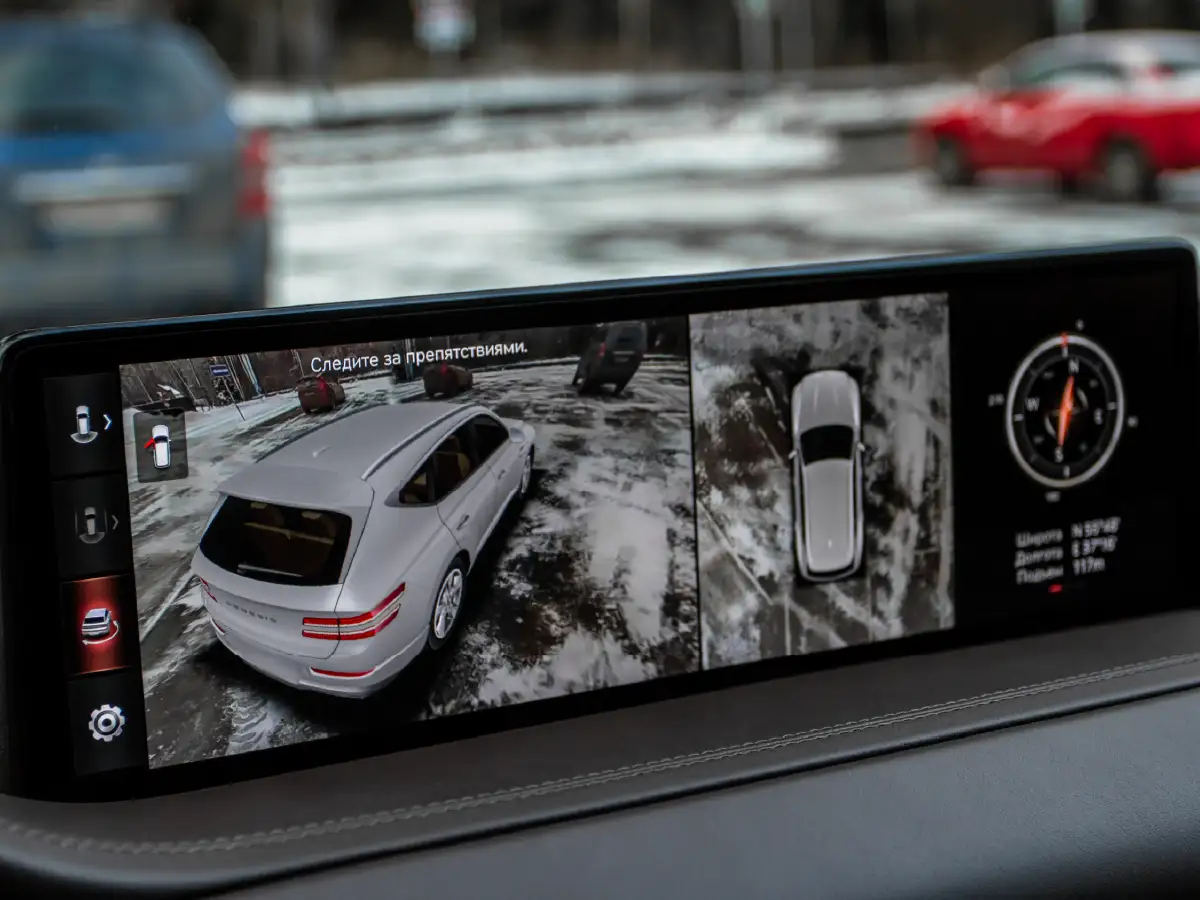
Credit: www.cars24.com
Benefits For Drivers
Bird’s Eye Camera systems offer clear benefits that can change how you drive every day. They provide a complete view of your vehicle’s surroundings, making driving less stressful and more controlled. Understanding these benefits can help you appreciate why this technology is becoming a must-have in modern cars.
Enhanced Parking Assistance
Parking can be tricky, especially in tight spots or crowded areas. Bird’s Eye Camera gives you a 360-degree view, showing obstacles you might miss with regular mirrors. This means you can park with confidence, avoiding scratches and dents.
Imagine trying to fit into a narrow space without bumping the curb. The system’s clear visuals guide you precisely, helping you judge distances better. This saves time and reduces the hassle of multiple adjustments.
Improved Safety And Awareness
Safety improves significantly when you can see all angles around your car. Bird’s Eye Camera alerts you to pedestrians, cyclists, or other vehicles that might be in your blind spots. This extra awareness can prevent accidents before they happen.
Have you ever missed a small child or pet near your car? This system helps you avoid such dangers by providing a complete surround view. It’s like having extra eyes on the road, giving you peace of mind every time you drive.
Challenges And Limitations
Bird’s eye cameras offer a unique, all-around view that helps you navigate tight spots and avoid obstacles. However, like any technology, they face challenges that can affect their performance and reliability. Understanding these limitations can help you use the system more effectively and set realistic expectations.
Weather And Lighting Effects
Weather plays a big role in how well bird’s eye cameras work. Rain, fog, or snow can blur the camera lenses, reducing image clarity. This makes it harder for the system to provide a clear and accurate view.
Lighting conditions also impact the camera’s performance. Bright sunlight can cause glare, while low light or nighttime conditions may lead to grainy or dark images. Have you ever noticed how difficult it is to see clearly through a foggy window? The cameras face a similar issue.
Maintaining clean lenses and using additional lighting can help improve visibility, but these solutions are not always foolproof. You need to be extra cautious during harsh weather or poor lighting to ensure your safety.
System Calibration Issues
Calibration is critical for bird’s eye cameras to stitch images from multiple cameras into one seamless view. If the system is not calibrated correctly, you might see distorted or misaligned images, which can be misleading.
Calibration can be affected by changes such as replacing a camera, accidental bumps, or even temperature shifts. This means your camera system might need regular checks to maintain accuracy.
Ignoring calibration can lead to false confidence in what you see on the screen. Have you ever tried parking with a faulty sensor or a misaligned mirror? You understand how easily errors can cause frustration or even accidents.
To avoid this, you should follow your vehicle’s maintenance schedule and have the system inspected by professionals if you notice any irregularities. Keeping your bird’s eye camera properly calibrated ensures it remains a reliable tool rather than a potential hazard.
Future Innovations
Bird’s eye cameras use multiple lenses to capture a 360-degree view. These images are stitched together to create a seamless overhead view. This helps drivers see their surroundings clearly, improving safety and parking precision.
The world of bird’s eye camera technology is on the brink of exciting advancements. As vehicles become more sophisticated, so does the need for enhanced and seamless camera systems. What future innovations can you expect in this field? Let’s dive into some promising developments that could redefine your driving experience.Ai Integration
Imagine a camera system that not only shows you a 360-degree view but also understands and predicts potential hazards. AI integration in bird’s eye cameras is set to make this a reality. With AI, these cameras can learn from patterns, recognize obstacles, and even suggest safer routes. This means your vehicle could potentially alert you to a cyclist in your blind spot or anticipate a pedestrian crossing unexpectedly. As AI gets smarter, the level of safety and convenience will rise. Are you ready for a car that thinks ahead for you?Higher Resolution And Sensors
Higher resolution cameras and advanced sensors are not just a luxury but a necessity for the future. Enhanced clarity can make all the difference in challenging driving conditions, such as fog or heavy rain. With more pixels and better sensor technology, bird’s eye cameras can provide sharper images and more accurate data. This means you’ll have a clearer view of your surroundings, reducing the chances of accidents. Can you imagine never second-guessing what’s around your vehicle again? These innovations aren’t just about making driving easier—they’re about making it safer. As technology advances, the question isn’t if these features will become standard, but when. Are you prepared to embrace this future?
Credit: www.man.eu
Frequently Asked Questions
How Does A Bird’s Eye Camera Create A 360-degree View?
A bird’s eye camera uses multiple cameras around a vehicle. It stitches images to form a seamless 360-degree top-down view. This helps drivers see all sides, enhancing safety and parking precision.
What Technology Powers Bird’s Eye Camera Systems?
Bird’s eye cameras rely on wide-angle lenses and image processing software. The system combines images in real-time to deliver a comprehensive surround view. Advanced sensors improve accuracy and reduce blind spots.
Can Bird’s Eye Cameras Improve Driving Safety?
Yes, bird’s eye cameras boost safety by providing clear views around the vehicle. They help detect obstacles, pedestrians, and other vehicles. This reduces collision risks during parking and low-speed maneuvers.
Are Bird’s Eye Cameras Effective In Low Light?
Most bird’s eye cameras use infrared or low-light sensors. These technologies enhance image clarity at night or in dim conditions. This ensures reliable performance regardless of lighting.
Conclusion
Bird’s eye cameras give a clear view from above. They use several cameras around the vehicle. These cameras send images to a computer. The computer stitches images into one big picture. This helps drivers see all around their car. It makes parking and driving easier and safer.
Many cars today include this helpful feature. Understanding how it works can improve your driving. A bird’s eye camera shows what you might miss. It adds extra eyes on the road for you.




