
Have you ever wondered if birds can recognize themselves in a mirror? It’s a surprising question, but one that reveals a lot about how smart these creatures really are.
Imagine looking into a mirror and seeing your own reflection—would you know it’s you? For many animals, this is a tricky challenge. You’ll discover fascinating facts about birds and their ability to understand mirrors. By the end, you might see these feathered friends in a whole new light.
Keep reading to unlock the mystery!

Credit: polarjournal.net
Mirror Self-recognition Test
The Mirror Self-Recognition Test checks if animals can see themselves in a mirror. It helps scientists learn about animal intelligence.
Birds are among the animals studied with this test. Researchers want to know if birds can recognize their own reflections.
Origins And Purpose
The test started in the 1970s with chimpanzees. Scientists used it to see if animals have self-awareness.
Birds were tested later to find out if they have similar skills. The test shows if animals understand that the mirror image is themselves.
- Developed by psychologist Gordon Gallup Jr.
- Used to study self-awareness in animals
- Helps compare intelligence across species
- Tests if animals recognize their reflection
How It’s Conducted
Scientists place a mark on the animal’s body in a spot it cannot see without a mirror. Then, they show the animal a mirror.
If the animal touches or tries to remove the mark while looking in the mirror, it may recognize itself. This shows self-awareness.
- Put a visible mark on the animal’s body
- Show the animal a mirror
- Watch if the animal touches the mark
- Touching the mark means self-recognition

Credit: www.ornitheology.com
Bird Species And Mirror Recognition
Some bird species show they can recognize themselves in mirrors. This ability is rare in the animal world.
Scientists study different birds to see which ones pass the mirror test. This helps us learn about their intelligence.
Magpies And Their Unique Abilities
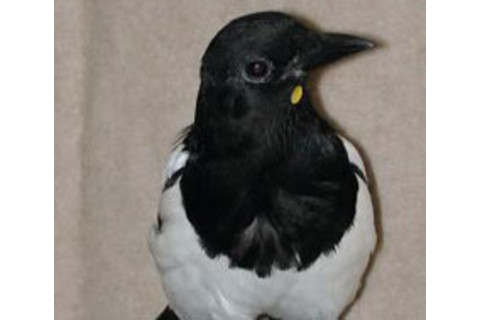
Magpies are one of the few birds that can recognize themselves in mirrors. They show signs of self-awareness during tests.
- They touch marks placed on their bodies only when a mirror is present.
- Magpies use mirrors to inspect parts of their bodies they cannot see otherwise.
- This behavior suggests they understand the reflection is themselves, not another bird.
Parrots And Crows In The Spotlight
Parrots and crows also show signs of mirror recognition. Their intelligence makes them good subjects for tests.
| Bird Species | Mirror Recognition Ability | Common Behavior |
| Parrots | High | They explore marks on their feathers using mirrors. |
| Crows | Moderate | Sometimes react to their reflection but may treat it as another bird. |
Signs Of Self-awareness In Birds
Birds are fascinating creatures that display many intelligent behaviors. One of these behaviors is self-awareness, which can be observed in different ways.
Scientists study self-awareness in birds by observing their reactions to mirrors. These reactions can show if birds recognize themselves.
Behavioral Indicators
Behavioral indicators help us understand if birds are self-aware. These indicators are specific actions that birds perform when they see their reflection.
- Pecking at their reflection
- Preening in front of the mirror
- Making vocalizations towards the mirror
- Looking behind the mirror
Mark Test Responses
The mark test is a method used to study self-recognition in animals. Researchers place a mark on a bird’s body that can only be seen with a mirror.
| Response | Interpretation |
| Bird tries to remove the mark | Possible self-recognition |
| Bird ignores the mark | No self-recognition |
| Bird looks for the mark | Curiosity about the mark |
Scientific Studies And Findings
Birds are smart animals. Scientists want to know if birds can recognize themselves in mirrors. This ability shows self-awareness. It is important to study this skill in animals.
Many studies have tested different bird species. They use mirrors to see how birds react. Some birds behave like they see another bird. Others show signs of self-recognition.
Key Experiments
The mirror test is a common experiment. It checks if animals understand the reflection is themselves. Birds are tested by placing marks on their bodies. These marks are visible only in the mirror.
One famous experiment involved magpies. They touched or tried to remove marks seen in the mirror. This behavior suggests they recognize their reflection. Other birds like crows also showed similar actions.
- Magpies tried to remove marks on their feathers
- Crows showed self-directed behavior in front of mirrors
- Some parrots passed the mirror test by touching marked spots
Controversies And Debates
Not all scientists agree on the mirror test for birds. Some say touching marks may not always mean self-recognition. Birds might react to the mark or the mirror in other ways.
Other experts believe birds use different ways to recognize themselves. They may rely on smell or sound more than sight. This means the mirror test might not fully show bird intelligence.
- Mirror test may not work the same for all bird species
- Birds might use senses other than vision to know themselves
- Results vary depending on the bird’s nature and test conditions
Why Self-recognition Matters
Self-recognition is the ability to know yourself as an individual. This skill shows a high level of thinking in animals.
Birds looking in mirrors can tell if the reflection is themselves or another bird. This helps us learn about their minds.
Cognitive Implications
When birds recognize themselves, it means they have a sense of self. This means they can think about their own actions.
This ability shows birds can solve problems and understand cause and effect. It also points to complex memory and learning skills.
- Shows awareness of own body and movements
- Supports learning from mistakes
- Helps with social interactions
Evolutionary Perspectives
Self-recognition may have evolved to help animals survive. It lets them understand themselves in groups and avoid danger.
This trait is rare and appears in animals with complex brains. Birds with this skill may have an advantage in finding food or mates.
- Linked to social living and cooperation
- May improve communication among birds
- Could help birds learn from others
Limitations And Challenges
Birds and mirrors can be a curious combination. The ability of birds to recognize themselves in mirrors is a topic of much debate. Scientists face challenges when studying this behavior.
Not all birds react the same way to mirrors. Some birds peck at their reflection, while others ignore it. This makes it hard to draw conclusions.
Interpreting Bird Behavior
Scientists try to understand what birds see in mirrors. They observe bird reactions to their reflections. This helps them learn if birds recognize themselves.
Behaviors like grooming or looking behind the mirror can suggest self-recognition. But these actions can have other reasons too.
- Pecking might mean aggression or curiosity
- Ignoring could mean no recognition
- Repeated visits may show interest
Alternative Explanations
Other reasons might explain bird behavior with mirrors. Birds might see their reflection as another bird. This can lead to different reactions.
Birds may also see reflections as part of their environment. They might not understand mirrors like humans do.
| Reason | Explanation |
| Companion | Birds see reflections as potential friends |
| Environment | Reflections are just part of the scenery |
| Threat | Reflections seen as rivals |
Impacts On Bird Conservation
Birds that recognize themselves in mirrors show advanced thinking. This ability helps scientists learn about bird intelligence and behavior. Understanding this can improve how we protect birds.
Knowing if birds see themselves helps design better care and habitats. It can guide conservation efforts by promoting bird welfare and natural habits.
Enhancing Welfare
Birds that recognize themselves need mental challenges to stay happy. Providing mirrors or reflective surfaces can stimulate their minds. This reduces stress and boredom in captivity.
Better welfare means healthier birds. It also helps birds behave naturally, which is important for their survival in the wild.
- Mirrors offer self-recognition tests
- Mental stimulation lowers stress
- Healthy birds reproduce better
- Improved welfare supports conservation goals
Designing Enriched Environments
Creating environments with mirrors helps birds learn about themselves. Enriched spaces encourage natural behaviors like grooming and exploring. This boosts their mental and physical health.
Enrichment can include reflective objects, toys, and varied perches. These elements make habitats more interesting and close to nature.
- Use safe mirrors to encourage self-awareness
- Add toys that challenge bird intelligence
- Include natural elements like branches and leaves
- Change the setup often to keep birds curious
Credit: www.discovermagazine.com
Frequently Asked Questions
Do Birds Recognize Themselves In Mirrors?
Some bird species, like magpies and crows, can recognize themselves in mirrors. This ability shows advanced cognitive skills. Not all birds pass mirror tests, but certain species demonstrate self-awareness through behavior.
Which Birds Show Self-recognition Abilities?
Magpies, crows, and some parrots have shown mirror self-recognition. These birds use mirrors to inspect marks on their bodies. This behavior indicates they understand the reflection is their own image.
How Do Mirror Tests Work For Birds?
Mirror tests involve placing a mark on a bird’s body. If the bird uses the mirror to inspect or touch the mark, it suggests self-recognition. This test helps scientists study animal intelligence.
Why Don’t All Birds Recognize Themselves In Mirrors?
Not all birds pass mirror tests due to different cognitive abilities. Some rely more on other senses than vision. Mirror recognition is linked to specific brain functions that vary among species.
Conclusion
Birds show surprising behavior around mirrors. Some species seem to recognize themselves. Others react as if seeing another bird. This suggests different levels of self-awareness. Scientists continue to study this fascinating topic. Understanding bird minds helps us learn about nature.
It also raises questions about animal intelligence. Mirror tests reveal more than just reflections. They show how animals think and feel. The mystery of bird self-recognition remains open. Many discoveries still wait to be made.




