
Have you ever wondered if the color of your bird feeder affects which birds visit your yard? You might think any feeder will do, but birds actually notice colors—and those colors can change their behavior.
Choosing the right color could mean more vibrant visits and a livelier garden. You’ll discover which colors attract your favorite feathered friends and why. Keep reading to find out how a simple color change could bring more birds right to your window.

Credit: www.allaboutbirds.org
Bird Vision And Color Perception
Understanding bird vision and how they perceive color can change the way you choose and place bird feeders in your garden. Birds don’t see the world exactly like we do. Their eyes are tuned to pick up colors and details that humans often miss, which affects their feeding preferences.
How Birds See Colors
Birds have four types of color receptors in their eyes, unlike humans who have three. This means they can see ultraviolet light, a color invisible to us. Because of this, colors on bird feeders might look different or more vibrant to birds than they do to you.
Think about a bright red feeder. To you, it might just look like a strong color, but to a bird, it could be glowing with UV patterns. This extra spectrum helps birds find food and identify mates.
Colors That Attract Different Species
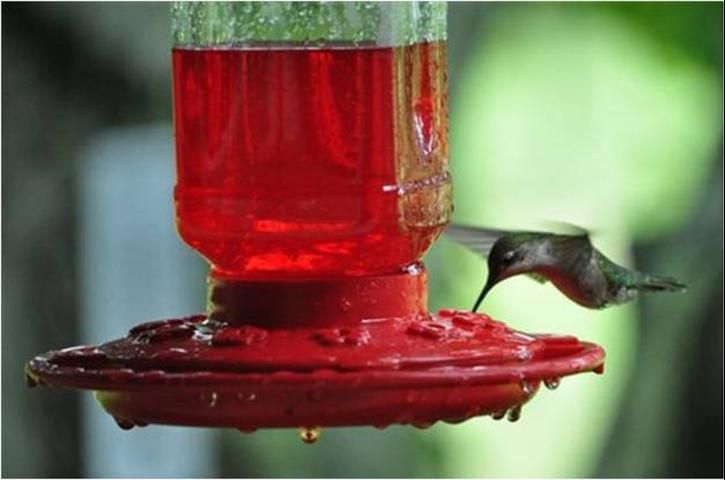
Not all birds are drawn to the same colors. Hummingbirds, for example, love red and orange shades because these colors often signal nectar-rich flowers. Bluebirds and chickadees, on the other hand, respond better to blue and green feeders, which blend in with their natural environments.
- Red and orange:Attract hummingbirds and orioles
- Blue and green:Preferred by bluebirds and chickadees
- Yellow:Sometimes draws finches and warblers
Have you noticed which birds visit your feeders the most? Adjusting feeder colors based on your local species can increase your chances of attracting your favorite birds. It’s not just about the food but how the feeder catches their eye.
Common Bird Feeder Colors
Choosing the right color for your bird feeder can make a noticeable difference in attracting certain bird species. Birds see colors differently than humans do, and some colors stand out more to them. Understanding common bird feeder colors helps you pick the best option for your backyard visitors.
Red Feeders And Hummingbirds
Red feeders are a popular choice, especially for attracting hummingbirds. These tiny birds are naturally drawn to red hues, which signal the presence of nectar. If you want to see more hummingbirds fluttering around, a bright red feeder can be very effective.
However, red can also attract bees and wasps. You might need to check your feeder regularly to keep it clean and safe for the birds. Have you noticed more hummingbirds near red feeders in your garden?
Blue And Green Feeders
Blue and green feeders tend to blend into natural surroundings like trees and shrubs. These colors are less likely to scare away shy birds. If you want to invite species that prefer a quieter, less flashy setup, these colors work well.
Blue feeders often attract species like blue jays and indigo buntings. Green feeders appeal to birds that like to stay hidden, such as sparrows. Experimenting with these colors can reveal which birds visit your yard most often.
Neutral Colors And Their Impact
Neutral colors like brown, beige, and black don’t grab much attention but can provide a subtle, natural look. These feeders won’t compete with the birds’ natural plumage, making the birds feel more comfortable. If you want a feeder that blends in without standing out, neutrals are a safe choice.
Neutral-colored feeders often attract ground feeders and common backyard birds. They can also reduce the risk of startling birds with bright, unnatural hues. Would you consider a neutral feeder if your goal is to create a peaceful bird-watching experience?
Scientific Studies On Color Preferences
Scientific studies on bird color preferences explore how birds react to different feeder colors. Researchers aim to understand if certain colors attract more birds. These studies help bird lovers choose feeders that invite more visitors. The findings reveal interesting patterns but also show some challenges. Understanding these studies can guide better bird feeding choices.
Research Findings
Studies show birds often prefer bright colors like red and yellow. These colors stand out against natural backgrounds. Some species, such as hummingbirds, are especially drawn to red feeders. Other birds may favor blue or green feeders. Color preference can depend on bird species and feeding habits.
Many experiments use colored feeders placed in the same area. Researchers count how many birds visit each feeder color. Results often show a clear preference but vary by region. Birds also use other senses, not just color, to find food.
Limitations Of Current Studies
Most studies have small sample sizes and short time frames. This limits how widely results apply. Seasonal changes and local environments also affect bird choices. Birds may avoid new feeders at first, skewing data.
Human factors like feeder design and placement impact results too. Some studies do not control for these variables well. Bird behavior is complex and influenced by many factors beyond color.
More long-term and diverse research is needed. This would provide clearer insights into true color preferences. Until then, use study results as general guides, not strict rules.
Credit: edis.ifas.ufl.edu
Environmental Factors Influencing Feeder Choice
Birds choose feeders based on many environmental factors. These factors affect how visible and safe the feeder appears. Color plays a key role but is influenced by the surroundings. Understanding these elements helps in selecting the best feeder color.
Habitat And Background Colors
The color of the feeder should stand out from the habitat. Birds spot feeders better if the color contrasts with the background. For example, bright feeders work well in green, leafy areas. In urban settings, feeders with softer colors may attract more birds.
Natural habitats have many green, brown, and gray shades. Feeders that blend too much may go unnoticed. Bright colors like red, yellow, or blue often catch birds’ attention quickly. The feeder color should also match the bird species’ vision preferences.
Seasonal Changes And Color Visibility
Seasonal changes affect how colors appear outside. In winter, white snow can hide white or light-colored feeders. Dark or bright feeders become easier for birds to find. During autumn, warm colors like orange and red blend with fallen leaves.
Changing feeder colors with the seasons can help attract more birds. Reflective surfaces may confuse birds in bright sunlight. Matte finishes reduce glare and improve visibility. Observing how colors look in different weather is important for feeder choice.
Practical Tips For Choosing Feeder Colors
Choosing the right color for bird feeders can improve your chances of attracting more birds. Birds respond to colors differently based on their species and habits. Bright colors may catch their attention, while natural tones might blend better with your garden. Consider the environment and the type of birds you want to attract when selecting colors.
Color is not the only factor. The design and material of the feeder also play a role. A well-chosen color combined with a good feeder design creates a welcoming spot for birds. Experiment with colors and observe how birds react to find the best match for your backyard.
Matching Feeders To Bird Species
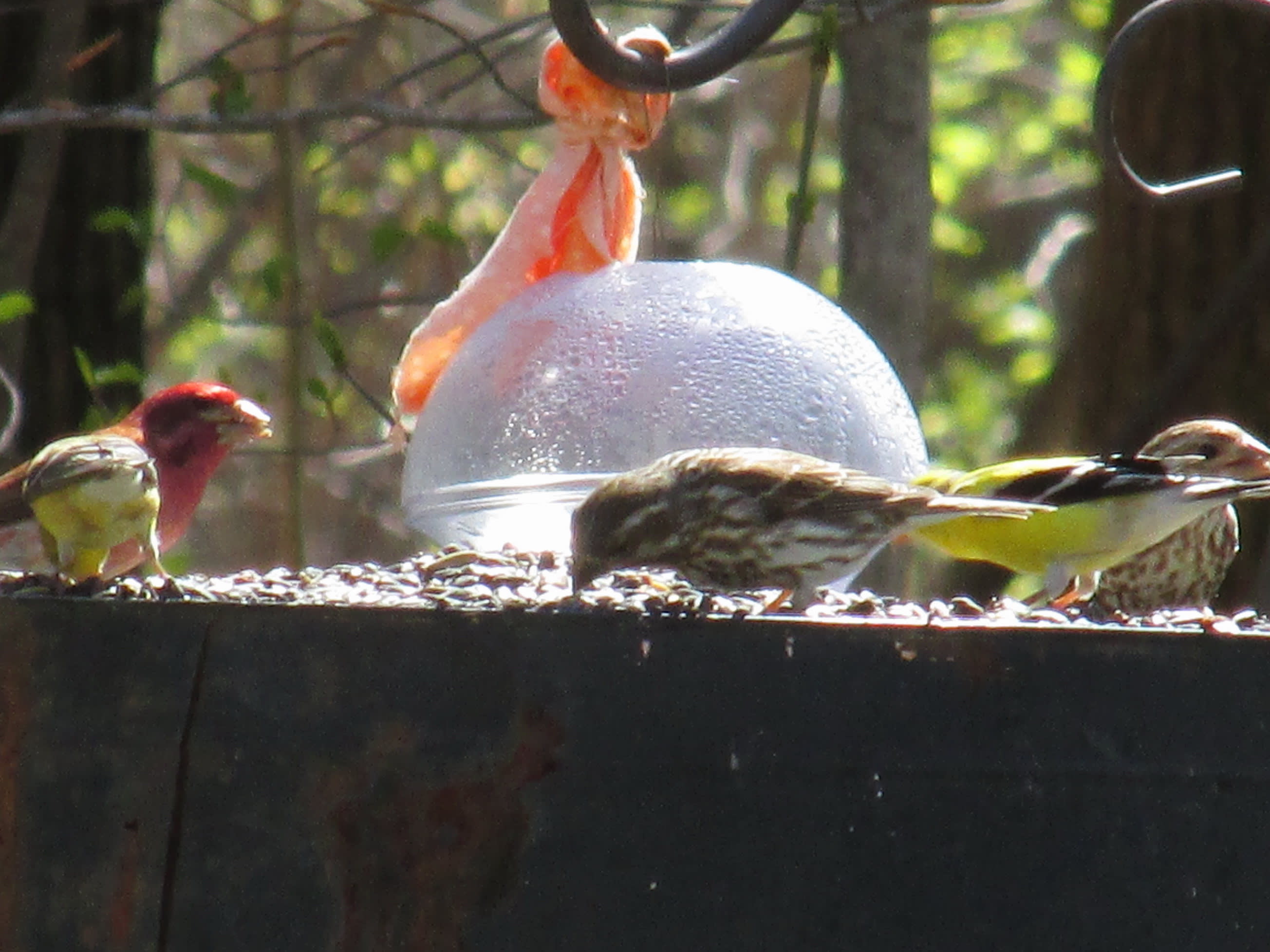
Different birds prefer different colors. Hummingbirds love red and orange shades. Bluebirds are drawn to blue feeders. Finches often visit feeders with yellow or green tones. Knowing the colors preferred by specific species helps you choose feeders that attract your favorite birds.
- Red attracts hummingbirds and orioles.
- Blue is best for bluebirds and jays.
- Yellow or green works well for finches and sparrows.
Place feeders in visible spots to maximize color impact. Keep colors bright but natural to avoid scaring birds away.
Combining Color With Feeder Design
Color and feeder shape together affect bird visits. Transparent feeders allow birds to see seeds inside. Bright colors on metal feeders stand out well in leafy areas. Choose feeders that balance color with function for the best results.
- Use red accents on tube feeders for hummingbirds.
- Choose platform feeders with earthy colors for ground feeders.
- Pick durable materials that hold color well in sunlight.
Match feeder size and color with the bird types common in your area. This combination helps create a safe and attractive feeding spot.
Credit: owlcation.com
Unexpected Results And Myths
Birds often surprise us with their color preferences for feeders. While some favor red and yellow, others don’t seem to mind the color at all. Myths abound, but birds’ choices often depend on their natural environment and instincts rather than human assumptions.
Unexpected Results and Myths Bird watchers often wonder if feeder colors matter. Many believe brighter colors attract more birds. Yet, studies show unexpected results, debunking common myths. Birds see colors differently than humans. This affects their feeder choices in unexpected ways.Common Misconceptions
Many think red feeders attract the most birds. This is a popular belief, but not always true. Different bird species have different color preferences. Some birds might even avoid bright colors, fearing danger. People often assume birds prefer matching feeder colors with their natural habitats. This is not always the case. Birds can be drawn to contrasting colors instead.Surprising Bird Behavior Around Feeders
Birds sometimes choose feeders based on location, not color. They might favor a feeder with more cover or near water sources. Interestingly, some birds ignore feeder colors completely. They prioritize food quality and safety over aesthetics. These behaviors highlight the complexity of bird preferences. Understanding them helps create more inviting spaces for birds. This knowledge challenges our assumptions about bird feeder colors. It suggests a deeper connection between birds and their environment.Frequently Asked Questions
Do Birds Prefer Specific Colors On Feeders?
Yes, many birds show preference for bright colors like red and yellow. These colors attract species such as hummingbirds and orioles more effectively than dull colors.
Which Feeder Color Attracts The Most Birds?
Red feeders often attract the most birds, especially hummingbirds. Bright colors stand out and signal food sources, increasing bird visits significantly.
Can Feeder Color Affect Bird Feeding Behavior?
Feeder color can influence feeding behavior. Birds are more likely to approach feeders with colors resembling natural food sources, improving feeding frequency and bird diversity.
Are Certain Bird Species Attracted To Specific Feeder Colors?
Yes, different species prefer different colors. For example, hummingbirds favor red, while finches might be more drawn to yellow or green feeders.
Conclusion
Birds do show preferences for certain feeder colors. Bright colors like red and yellow attract more birds. Natural colors blend in but may get fewer visitors. Choosing the right color can help you enjoy more birdwatching. Remember, location and food type matter too.
Experiment with different colors to see what works best. Watching birds respond to feeder colors is fun. It helps create a welcoming space for them. Keep your feeders clean and filled for best results. Enjoy the beauty and activity birds bring to your yard.




