
Have you ever wondered if birds actually eat house flies? If you’re tired of those pesky flies buzzing around your home, you might be curious whether nature’s feathered friends can help keep them at bay.
Understanding what birds eat can reveal surprising facts that might change how you see these common backyard visitors. Keep reading, and you’ll discover whether birds really go after house flies—and how that knowledge could make your outdoor space more enjoyable.

Credit: www.flockingaround.com
Birds That Eat House Flies
Many birds enjoy catching and eating house flies. These small insects provide a quick and easy meal. Birds have sharp eyes and fast reflexes that help them catch flies in midair. Some birds prefer flies over other insects. Their diets often include a variety of flying insects, with house flies being a common choice.
Common Fly-eating Birds
- Swallows: Known for their swift flight and agility, swallows catch flies on the wing.
- Wrens: Small and active, wrens hunt insects near bushes and trees.
- Flycatchers: True to their name, flycatchers specialize in catching flies and other insects.
- Warblers: These colorful birds pick flies off leaves and flowers.
- House Sparrows: Often found near human homes, they eat flies and other small insects.
Habitats That Encourage Fly Hunting
Birds eat more flies where insects are abundant. Gardens, parks, and fields attract many flies. Wet areas like ponds and streams also have many insects. Trees and shrubs provide places for birds to perch and watch for flies. Open spaces help birds spot and chase flying insects.
Human homes with gardens or compost piles can attract flies. Birds nearby take advantage of this easy food source. Bird feeders near fly-rich areas increase bird activity. Providing water sources also supports insect populations, helping fly-eating birds thrive.
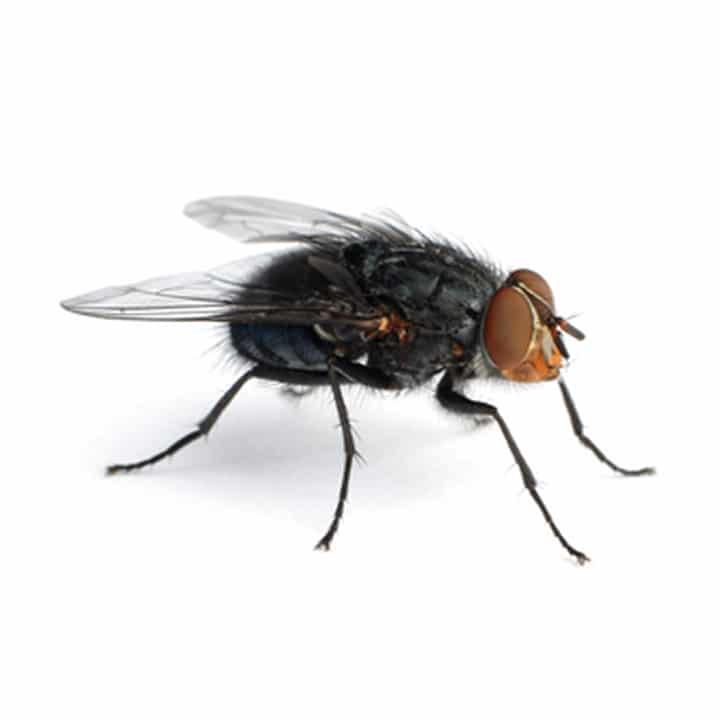
Credit: www.pestsolutions.co.uk
How Birds Catch House Flies
Birds use quick movements and sharp senses to catch house flies. They watch closely and wait for the right moment to strike. The process involves skill and special body features that help them catch these fast insects. Catching house flies requires speed, precision, and the right hunting style.
Hunting Techniques
Birds often hunt house flies in the air or on surfaces. Some birds use a sit-and-wait approach. They stay still and watch for flies to come near. Others chase flies in short bursts of flight. Birds can also catch flies by snapping their beaks quickly.
- Perching silently and watching
- Flying short distances to snatch flies
- Using sharp eyesight to track movement
- Quickly opening and closing their beaks
These techniques let birds catch flies before they escape. Timing and speed are key to success.
Adaptations For Fly Catching
Birds have special features that help them catch flies easily. Their eyes can detect fast movements. Beaks are shaped to grab small insects quickly. Some birds have wide mouths to catch more flies at once. Feet and claws help hold onto surfaces while hunting.
| Adaptation | Benefit |
|---|---|
| Sharp eyesight | Spot tiny, fast-moving flies |
| Fast beak movement | Catch flies before they fly away |
| Wide gape | Catch multiple flies in one snap |
| Strong feet | Hold steady while hunting |
These adaptations make birds effective fly catchers. Their bodies are built for quick action and accuracy.
Benefits Of Flies In Bird Diets
Flies play an important role in the diets of many bird species. Birds often catch house flies and other types of flies as a quick and easy food source. These insects provide several benefits that help birds survive and thrive. Understanding these benefits shows why flies matter in nature and how they support bird health and behavior.
Nutritional Value
Flies offer a rich source of protein for birds. Protein helps birds build strong muscles and feathers. Flies also contain essential fats that give birds energy for flying and daily activities. Eating flies provides vitamins and minerals that support bird growth and immune systems. These nutrients are vital during breeding and migration seasons.
Impact On Ecosystem
Flies help maintain balance in ecosystems by supporting bird populations. Birds eating flies keep insect numbers under control. This reduces the spread of pests that can harm plants and crops. Flies serve as a food link between plants, insects, and birds, creating a healthy food web. Birds feeding on flies contribute to natural pest management and biodiversity.
Seasonal Changes In Bird Diets
Bird diets change with the seasons. Food availability shifts as weather and habitats transform. Birds adapt to these changes to survive and thrive. Their eating habits reflect the rise and fall of different prey types throughout the year.
Flies As A Seasonal Food Source
House flies become abundant during warm months. Birds eat many flies in spring and summer. These insects provide easy, high-energy meals. Fly populations drop in cooler seasons. Birds rely on flies mostly in late spring and summer.
Alternatives When Flies Are Scarce
In fall and winter, flies disappear or hide. Birds switch to other foods like seeds, berries, and worms. Some species hunt small insects under leaves or bark. Others eat fruits or nuts to get energy. This diet shift helps birds survive when flies are rare.
Attracting Fly-eating Birds To Your Yard
Birds such as swallows and flycatchers eat house flies, helping control pests naturally. Creating a bird-friendly yard attracts these helpful fly hunters.
Attracting birds that eat house flies can help keep your yard tidy. These birds not only reduce fly populations but also add beauty to your garden. By creating a welcoming environment, you can invite these helpful birds to visit your yard often.Creating A Bird-friendly Environment
Begin by making your yard safe and inviting for birds. Remove any hazards that might harm them. Keep cats and other predators away. Provide places for birds to perch and rest. This can be trees, shrubs, or birdhouses. The more comfortable they feel, the more likely they will visit.Using Plants And Water Features
Plants play a big role in attracting fly-eating birds. Choose native plants that produce seeds and berries. These plants offer natural food sources and shelter. Water features like birdbaths or small fountains can also attract birds. Fresh, clean water is essential. Birds need it for drinking and bathing. Keep the water source shallow and easy to access. Regularly clean it to prevent algae and mosquitoes. This ensures a healthy space for your feathered visitors.
Credit: www.reddit.com
Common Myths About Birds And Flies
Many people think they understand birds and flies well. Myths about birds eating house flies spread easily. These myths cause confusion about what birds really eat. Clearing up these myths helps us appreciate birds better. It also shows how birds fit in nature’s balance.
Debunking Misconceptions
Some believe birds eat only big insects or seeds. Others think birds avoid flies because they are dirty. Many say house flies do not interest birds at all. These ideas do not match what scientists observe in nature.
Birds often eat small insects to gain quick energy. Flies are easy prey because they are slow and common. Birds catch flies in the air or on surfaces. This hunting helps control fly populations naturally.
Facts Vs. Fiction
| Myth | Fact |
|---|---|
| Birds avoid house flies due to dirtiness | Birds eat house flies as a food source regularly |
| Birds eat only seeds or big insects | Birds eat a variety of insects, including small flies |
| Flies are too fast for birds to catch | Birds use speed and skill to catch flies mid-air |
Understanding these facts helps us respect birds’ role in nature. Birds help keep fly numbers low. They balance ecosystems and support healthy gardens and homes.
Frequently Asked Questions
Do Birds Eat House Flies Regularly?
Yes, many bird species eat house flies regularly. Flies provide a quick, easy source of protein and energy for birds, especially insectivorous ones.
Which Birds Prefer Eating House Flies?
Swallows, sparrows, and flycatchers commonly eat house flies. These birds catch flies mid-air or pick them from surfaces as part of their diet.
How Do Birds Catch House Flies Effectively?
Birds catch house flies by quick aerial maneuvers or snatching them off surfaces. Their keen eyesight and fast reflexes help secure these small insects.
Are House Flies Beneficial For Birds’ Diet?
Yes, house flies are beneficial as they supply essential nutrients. Flies contribute to birds’ protein intake and help maintain energy levels.
Conclusion
Birds often eat house flies as part of their diet. These insects provide a quick and easy meal. Birds help control fly populations naturally. Watching birds catch flies can be interesting to see. This behavior shows how nature balances itself.
So, birds play a useful role in homes and gardens. They keep fly numbers lower without chemicals. Next time you see a bird, remember its helpful role. Nature’s way of pest control is simple and effective.




