
Are you tired of finding your bird feeder empty or messy, even though you just filled it? You might be wondering, can rats climb bird feeders and steal the food meant for your feathered friends?
Understanding if rats can reach your feeder is key to protecting your bird snacks and keeping those pesky rodents away. You’ll discover how rats manage to get to your bird seed, what signs to watch for, and simple ways you can stop them.
Keep reading to make sure your bird feeder stays a safe haven for birds, not rats.
Rats And Their Climbing Skills
Rats are surprisingly agile creatures, especially when it comes to climbing. Their ability to scale various surfaces often leads them straight to bird feeders, making them unwelcome guests. Understanding their climbing skills can help you protect your feeders more effectively.
Physical Traits That Aid Climbing
Rats have sharp, curved claws that grip surfaces tightly. Their flexible bodies allow them to squeeze through narrow spaces and adjust their balance easily. Additionally, their long tails act as a counterbalance, improving stability on tricky climbs.
Have you noticed how they can cling to smooth walls or even wires? This ability comes from the textured pads on their feet, which increase friction. These physical features make it hard to find a surface rats can’t climb.
Common Climbing Behaviors
Rats often use vertical structures like poles, tree branches, or fence posts to reach elevated areas. They prefer routes that offer plenty of handholds or rough textures to grab onto. Once they spot a bird feeder, they are persistent, sometimes making multiple attempts to access it.
Interestingly, rats are cautious climbers and test surfaces before committing. They also use their teeth to chew on obstacles, which can create new paths. Knowing these behaviors can help you identify weak points around your feeder setup.

Credit: www.providingisloving.co.uk
How Rats Access Bird Feeders
Rats are clever creatures. They find many ways to reach bird feeders. Understanding how rats access feeders helps protect your bird food. Rats use their sharp claws and flexible bodies to climb and enter bird feeders.
Typical Entry Points
- Feed tubes with loose caps or gaps
- Bottom trays where seeds collect
- Mounting poles or stands without barriers
- Side openings or cracks in the feeder structure
- Nearby trees or branches close to the feeder
Climbing Techniques Used
Rats use strong claws to grip rough surfaces. They climb poles and nearby trees easily. Their flexible bodies allow them to squeeze through small spaces. Rats jump from branches or nearby objects to reach feeders. They can hang upside down under trays to access seeds. Their agility helps them avoid some common defenses.
Types Of Bird Feeders Rats Can Climb
Understanding which types of bird feeders rats can climb helps you protect your birdseed and keep unwanted visitors at bay. Rats are surprisingly agile climbers, and their ability to access your feeders depends largely on the feeder’s design and placement. Let’s look at the common types of bird feeders and how rats manage to reach them.
Pole-mounted Feeders
Pole-mounted feeders are popular because they keep seeds off the ground, but rats can still climb the poles if they have no barriers. Rats use nearby trees, fences, or even the pole itself as a ladder. Adding smooth metal baffles can stop them, but without these, pole-mounted feeders are easy for rats to access.
Have you noticed rats scaling poles right in front of your eyes? That’s a sign your feeder needs a better defense.
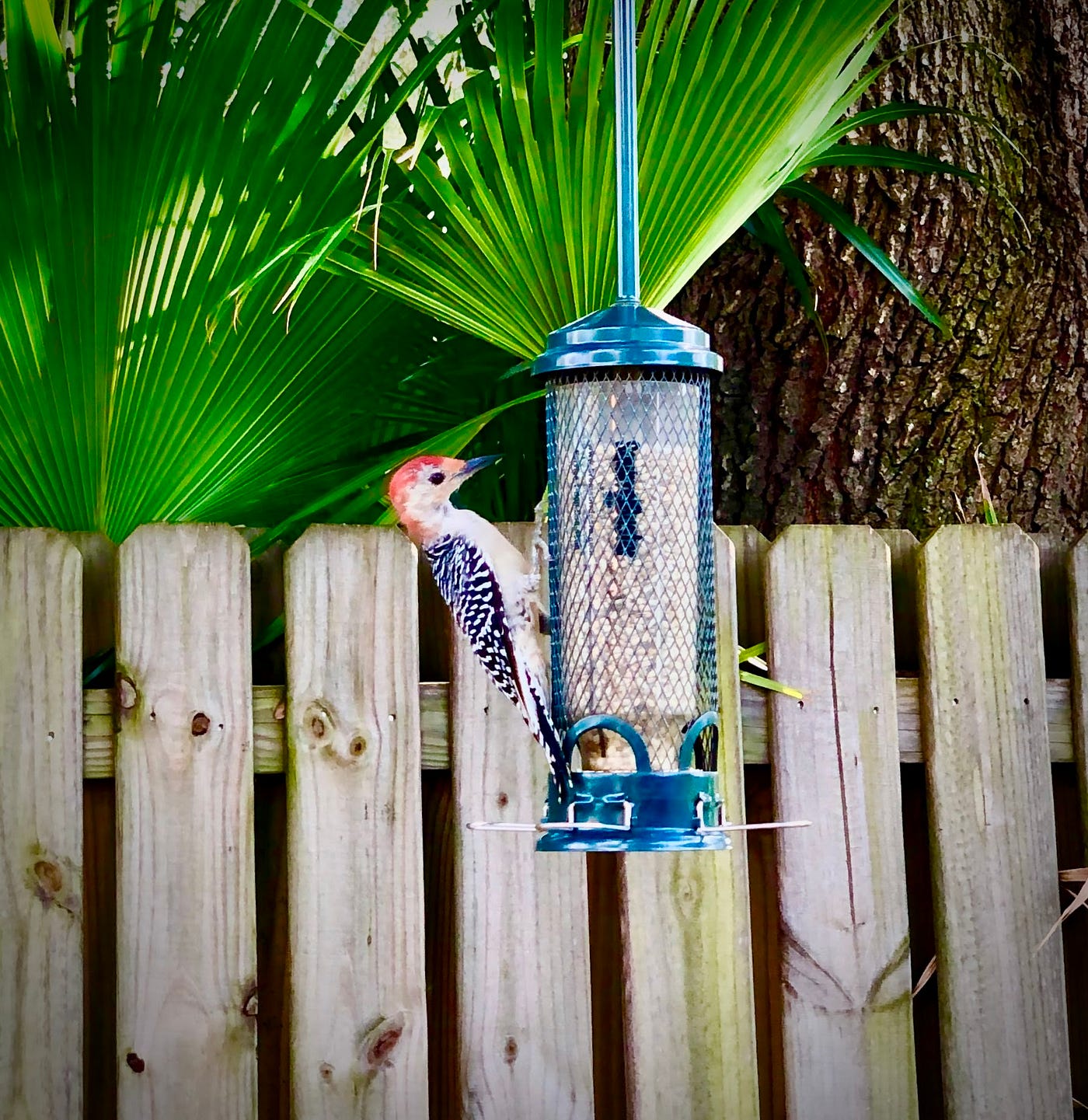
Hanging Feeders
Hanging feeders might seem safe, but rats can leap or climb nearby structures to reach them. If your feeder hangs from a low branch or a nearby hook connected to a wall, rats often find a way to get there. They even jump from one branch to another, showing their impressive agility.
Try to hang feeders far from surfaces that rodents can use as launch pads. Is your feeder within a rat’s jumping distance?
Platform Feeders
Platform feeders are the easiest targets for rats since they offer a wide, open space to land on and eat. Rats can climb trees or poles to jump directly onto these platforms. They also benefit from the lack of any protective cover, making it simple to grab seeds and hide quickly.
To protect your platform feeder, consider adding barriers or moving it to a less accessible spot. Could changing the feeder’s location reduce rat visits?
Credit: medium.com
Risks Of Rats Visiting Bird Feeders
Rats visiting bird feeders create several problems for both birds and humans. They carry diseases that can spread to people and pets. Rats also consume large amounts of bird food, leaving little for the birds. Their chewing can damage feeders, making them unusable. Understanding these risks helps protect your feeder and the birds that visit.
Health Concerns
Rats carry many germs and parasites. These can cause illnesses in humans and pets. Their droppings and urine contaminate bird food and surfaces. Contact with rats increases the chance of spreading diseases like leptospirosis and hantavirus. Keeping rats away reduces health risks for everyone.
Impact On Bird Food Supply
Rats eat large amounts of bird seed quickly. They often steal food meant for birds. This leaves less food for wild birds in your yard. Feeding birds becomes expensive due to wasted seed. Continuous rat visits can stop birds from returning to feeders.
Damage To Feeders
Rats chew on plastic and wooden parts of feeders. This chewing creates holes and weak spots. Damaged feeders leak food, attracting even more pests. Repairing or replacing feeders costs time and money. Preventing rats protects your investment in bird feeding.
Preventing Rats From Climbing Feeders
Rats can climb bird feeders using nearby branches or poles. Placing barriers or baffles can stop their climb. Keeping feeders away from trees helps prevent rat access.
Preventing rats from climbing bird feeders is a challenge many bird enthusiasts face. These nimble rodents are notorious for their climbing abilities, often reaching feeders with ease. However, with a few strategic interventions, you can deter these unwelcome visitors and keep your feathered friends safe.Using Baffles And Guards
Adding baffles and guards to your bird feeder setup is an effective way to thwart rats. Baffles are dome-shaped or cylindrical barriers that can be attached to feeder poles. They create a physical obstacle that rats struggle to bypass. Consider installing a baffle that is wide and slippery, making it difficult for rats to get a grip. A metal baffle, for example, is often more challenging for rodents to climb than a plastic one.Placement Strategies
Where you place your bird feeder can significantly impact its vulnerability to rats. Position feeders at least six feet away from any structures or branches rats can use as launching pads. Suspending your feeder from a wire strung between two tall poles can also help. Just ensure the wire is high enough and the feeder is low enough to prevent rats from jumping down onto it.Choosing Rat-resistant Feeders
Opting for a rat-resistant feeder can be a game-changer. Look for feeders designed with secure lids and small openings, limiting access to larger intruders like rats. Some feeders even have weight-activated mechanisms that close the feeding ports when heavier animals, such as rats, try to access them. Investing in a quality rat-resistant feeder can save you the hassle of constantly defending your bird feeder. By implementing these strategies, you can maintain a rat-free bird feeding zone. What’s your go-to method for keeping pesky rodents at bay?Natural Deterrents And Repellents
Keeping rats away from your bird feeders can be tricky, but natural deterrents offer safe and effective solutions. These options help you protect your feeders without harming the birds or the environment. Let’s look at some practical ways you can discourage rats using natural methods.
Scent-based Repellents
Rats have a strong sense of smell, making scent-based repellents a smart choice. You can use peppermint oil, which rats find unpleasant. Simply soak cotton balls in peppermint oil and place them near the feeder.
Other natural scents like garlic or cayenne pepper can also keep rats at bay. Try sprinkling cayenne powder around the base of your feeder to create an invisible barrier. Have you noticed how sometimes a small change in smell can stop pests in their tracks?
Physical Barriers
Physical barriers are one of the most straightforward ways to stop rats from climbing bird feeders. Installing baffles—those dome or cone-shaped guards—around the pole can block rats from reaching the feeder.
Using metal or smooth plastic materials makes it hard for rats to grip and climb. You might also consider placing the feeder on a thin, slippery pole that rats can’t climb. How easy would it be to add these barriers to your setup?
Environmental Changes
Adjusting your surroundings can reduce rat attraction naturally. Keep the area under your feeder clean by regularly removing spilled seeds, which often lure rats.
Trim nearby bushes and grass to eliminate hiding spots. You can even place feeders away from walls or fences where rats might jump from. What small changes in your yard could make a big difference in keeping pests away?
What To Do If Rats Invade Your Feeders
Rats can climb bird feeders using nearby trees or poles. Blocking their access with baffles or moving feeders away from structures helps keep rats away. Keeping the area clean reduces food attraction and prevents infestations.
If rats have discovered your bird feeders, it’s time to act. Rats can cause harm and spread diseases. Keeping them away from feeders protects birds and your property. Below, you will find helpful methods to manage this issue effectively.Safe Removal Methods
Removing rats requires careful planning. Use humane traps to catch them. Place traps near feeders but out of reach of children and pets. Check traps daily to ensure effectiveness. Seal all entry points around the house to prevent re-entry. Use natural repellents like peppermint oil to deter them.Cleaning And Maintenance Tips
Regular cleaning of bird feeders is crucial. Clean feeders weekly with a mild soap solution. Remove spilled seeds to avoid attracting rats. Trim surrounding vegetation to reduce hiding spots. Secure food storage in rat-proof containers. Keep the area tidy to discourage their presence.When To Seek Professional Help
Sometimes, professional help is necessary. If rat problems persist, contact a pest control service. They offer expertise and tools for effective removal. Professionals can assess and address the root cause. They provide advice on preventing future invasions. Prioritize safety when dealing with infestations.
Credit: pestpointers.com
Frequently Asked Questions
Can Rats Climb Bird Feeders Easily?
Yes, rats are excellent climbers and can easily climb many types of bird feeders. They use their sharp claws and agile bodies to reach food.
Why Do Rats Climb Bird Feeders?
Rats climb bird feeders primarily to access the food inside. Birdseed is a rich, easy food source that attracts them.
How Can I Stop Rats From Climbing Feeders?
To prevent rats, use feeders with baffles or place feeders away from trees and structures rats can climb.
Do All Bird Feeders Attract Rats?
Not all feeders attract rats equally. Ground feeders and those with accessible seeds are more likely to attract rats.
Conclusion
Rats can climb bird feeders easily and steal the birdseed. This can annoy bird lovers and waste food. To stop rats, use feeders with baffles or place them away from trees and fences. Keep the area clean and remove spilled seeds often.
Protecting your bird feeder helps birds get their food safely. Enjoy watching birds without unwanted visitors. Simple steps can keep rats away and your feeder safe.




