
Are birds constantly visiting your house and causing a mess? You’re not alone, and it can be frustrating to deal with droppings, noise, and damage.
But what if you could keep them away without harming them or your property? You’ll discover simple and effective ways to discourage birds from making your home their favorite spot. Keep reading, and you’ll find easy tips that really work—so you can enjoy a cleaner, quieter space right away.
Common Bird Problems At Home
Birds around homes are common but not always welcome. They can create many problems for homeowners. Their presence might seem harmless at first, but issues can quickly arise.
Birds often gather in large numbers. They build nests in unwanted places. Noise from their calls can disturb peace. These problems can affect daily life and property.
Types Of Birds That Cause Issues
- Pigeons: Known for nesting on ledges and roofs.
- Seagulls: Often noisy and aggressive near coastal homes.
- Starlings: Form large flocks and create messes.
- House Sparrows: Nest in eaves and vents.
- Crows: Loud and sometimes damage property.
Damage Birds Can Cause
Birds can damage roofs, gutters, and vents. Their droppings are acidic and harm paint. Nests block drainage systems, causing water damage. Feathers and debris clog air conditioners. Chewing by birds can harm electrical wires.
Health Risks From Birds
Bird droppings carry harmful bacteria and fungi. Diseases like histoplasmosis spread through dried droppings. Bird mites and ticks may infest homes. Allergies can worsen due to feathers and dust. Bird saliva and feathers can cause respiratory issues.
Physical Barriers To Keep Birds Away
Physical barriers create a direct obstacle that stops birds from landing or nesting. These barriers are simple and effective. They block access to roofs, ledges, and other spots birds like to settle. Using physical barriers reduces damage and keeps your home clean.
Installing Bird Spikes
Bird spikes are narrow strips with sharp points. They fit on ledges, gutters, and roof edges. Birds find it hard to land on spikes. The spikes do not harm birds but make surfaces uncomfortable. Installation is easy with adhesive or screws. Spikes work well on small to medium birds.
Using Netting And Screens
Netting blocks birds from entering open spaces. Use it around patios, gardens, or vents. Screens cover windows and vents to stop birds from flying inside. Nets come in different sizes and materials. Durable nets last long and resist weather. Properly installed nets keep birds outside without harm.
Window And Door Shields
Shields prevent birds from hitting glass and entering doors. Transparent films reduce reflections that confuse birds. Metal or plastic guards block access to doorways. Shields protect both birds and your home. They help keep birds from nesting or roosting near entrances.
Visual Deterrents That Work
Visual deterrents can be a simple yet powerful way to keep birds from settling around your home. These methods rely on birds’ natural instincts and senses to discourage them from landing or nesting nearby. Let’s look at some effective visual strategies you can try today.
Reflective Objects And Lights
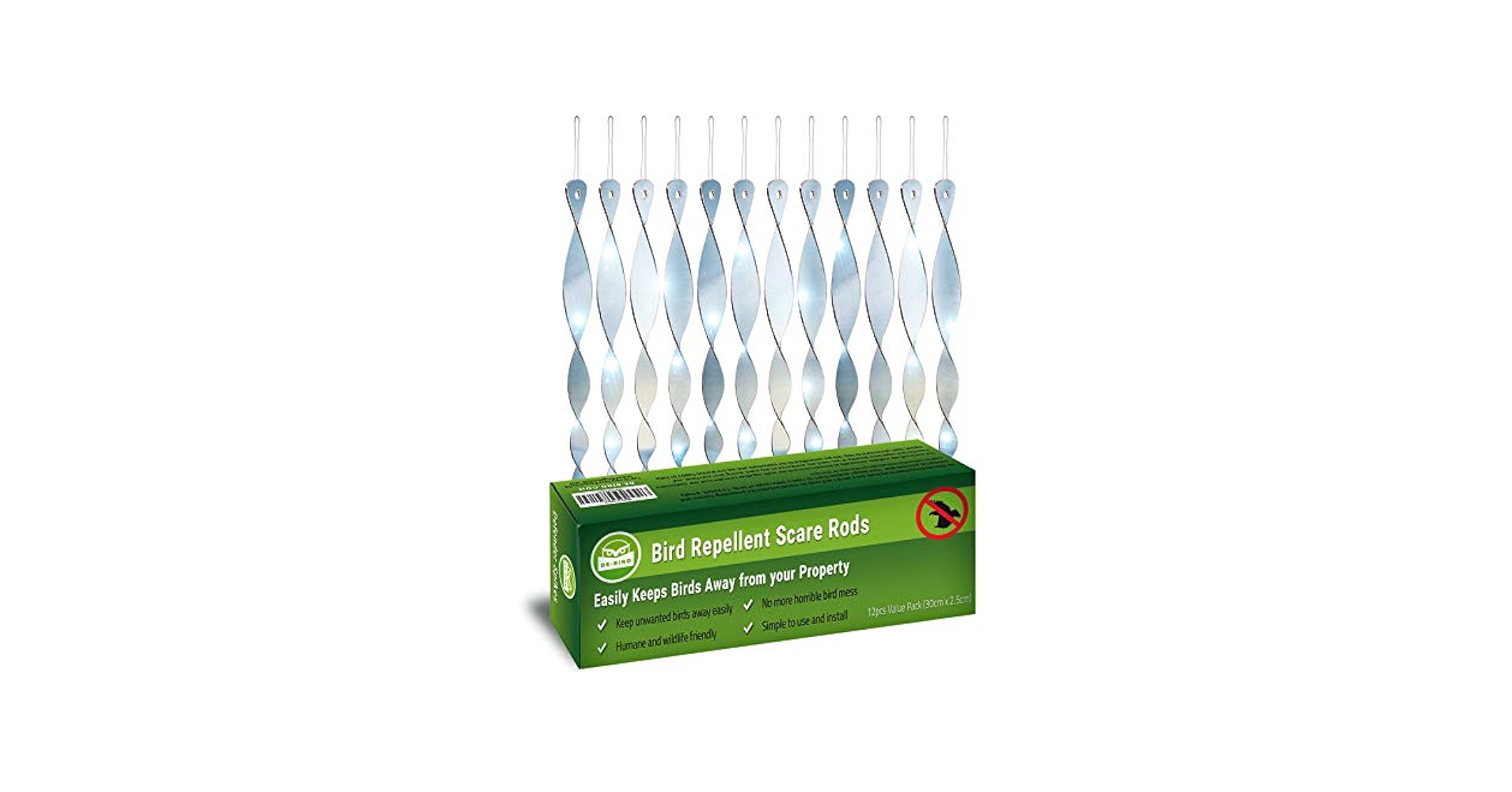
Birds dislike sudden flashes and reflections. Hanging shiny objects like aluminum foil strips, old CDs, or reflective tape around your windows and garden can create unpredictable light patterns that scare them away.
Stringing up solar-powered garden lights or LED flashers adds movement and sparkle during the day and night. Have you ever noticed how birds avoid shiny car bumpers or windows? You can use this to your advantage by placing reflective items near entry points.
Decoys And Predator Models
Birds are naturally cautious of predators. Placing realistic decoys like owls, hawks, or snakes near your home can make birds think twice before approaching.
But here’s a trick: move the decoys regularly to keep birds from realizing they’re fake. Even small changes in position can maintain the illusion of a real threat and keep your feathered visitors at bay.
Movement-based Scare Devices
Movement catches a bird’s eye and triggers its flight response. Devices like spinning pinwheels, fluttering ribbons, or kinetic garden sculptures provide constant motion that birds find unsettling.
Combine these with wind chimes or hanging objects that sway and create noise for an even stronger deterrent. Have you tried placing these near bird feeding spots? You might be surprised how quickly birds move on.

Credit: www.amazon.com
Sound-based Bird Repellents
Sound-based bird repellents offer an innovative solution to keep pesky birds away from your house without causing harm. These devices are designed to create an environment that is uncomfortable for birds, encouraging them to find a new place to settle. Let’s explore some effective sound-based methods that can help you maintain a bird-free zone.
Ultrasonic Devices
Ultrasonic devices emit high-frequency sounds that are inaudible to humans but irritating to birds. These devices can cover large areas, making them ideal for gardens and rooftops. You can easily install them and adjust the frequency settings to target specific bird species.
Imagine sitting on your porch without the constant chirping or droppings to deal with. Ultrasonic devices provide a quiet and efficient way to reclaim your space. Are you ready to enjoy a peaceful outdoor experience?
Recorded Predator Calls
Birds have natural instincts to avoid predators. Recorded predator calls exploit this instinct by mimicking the sounds of birds of prey. By playing these sounds at random intervals, you can create an illusion of danger that keeps birds at bay.
Consider using a variety of calls to prevent birds from getting used to the sound. It’s like having a virtual hawk guarding your property. How effective do you think this would be for your bird problem?
Noise Makers And Alarms
Noise makers and alarms are another practical option to deter birds. These devices produce loud, startling sounds that scare birds away. They can be activated manually or set on timers to operate at intervals.
Think of it as an unexpected firecracker that sends birds scrambling. This method is particularly useful in open areas where birds tend to flock. Wouldn’t it be satisfying to see your yard clear of unwanted feathered guests?
Natural Bird Repellents
Natural bird repellents offer a safe and eco-friendly way to keep birds away from your home. These repellents use scents and materials that birds dislike but do not harm them. Using natural options helps protect the environment and your garden. It also avoids chemicals that could damage surfaces or affect pets.
Natural repellents work by creating an unpleasant space for birds. They disrupt the birds’ comfort without causing injury. Simple ingredients and plants can make your home less inviting to birds. This keeps your property clean and free from bird droppings.
Using Essential Oils And Plants
Essential oils like peppermint, eucalyptus, and citronella repel birds with strong smells. You can place cotton balls soaked in these oils near windows or ledges. Birds find the scent overwhelming and avoid those areas.
Certain plants also discourage birds. Plants such as marigolds, lavender, and rosemary produce odors birds dislike. Planting these around your home creates a natural barrier. These plants add beauty while keeping birds away.
Homemade Repellent Sprays
Homemade sprays made from natural ingredients work well as bird deterrents. Mix water with garlic, chili powder, or vinegar for an effective spray. Spray these solutions on windows, roofs, and other bird-prone spots.
These sprays are easy to make and safe for the environment. Reapply them after rain or every few days for best results. Birds avoid areas treated with these natural sprays due to the strong odor.
Maintaining Unattractive Environments
Birds prefer places with food and shelter. Remove bird feeders and clean up fallen seeds regularly. Keep trash bins covered and avoid leaving pet food outside.
Trim trees and bushes to reduce nesting spots near your house. Clear away debris where birds might hide. A tidy yard is less inviting to birds looking for shelter or food.
Habitat Modification Strategies
Changing the environment around your home can help keep birds away. Birds look for easy food, safe places to build nests, and water. Making small changes stops them from settling nearby. These habitat modification strategies focus on removing what attracts birds.
Removing Food Sources
Birds come to places with accessible food. Clear fallen fruits, seeds, and crumbs from your yard. Use covered trash bins to block food scraps. Avoid feeding birds near your house. Keep pet food inside or remove after meals. Without easy food, birds move on.
Cleaning Up Nesting Areas
Birds like quiet, sheltered spots for nests. Remove old nests from roofs, eaves, and vents. Trim tree branches close to the house. Seal gaps in walls and vents to block entry. Regular checks stop birds from returning. Clean areas discourage birds from staying.
Managing Water And Shelter
Birds need water for drinking and bathing. Remove standing water from pots, trays, and gutters. Fix leaks to prevent pools of water. Cut back dense shrubs or tall grass near windows. Less shelter means fewer places for birds to hide. This makes your home less inviting.
Safe And Humane Bird Control
Keeping birds away from your home doesn’t mean you have to harm them. Safe and humane bird control methods protect your property while respecting wildlife. These techniques focus on preventing birds from settling without causing injury or distress.
Legal Considerations
Before taking any action, check local laws about bird protection. Many bird species are protected by law, making it illegal to harm or trap them.
For example, in the U.S., the Migratory Bird Treaty Act safeguards most native birds. Violating these laws can lead to fines or legal trouble.
Do you know which birds in your area are protected? A quick online search or contacting a local wildlife agency can save you headaches later.
Non-lethal Repellent Options
There are many ways to discourage birds without hurting them. Visual deterrents like reflective tape or fake predators can make birds avoid your home.
- Ultrasonic bird repellers emit sounds birds dislike but are inaudible to humans.
- Sticky gels and bird spikes prevent landing, but they don’t injure the birds.
- Planting certain herbs like lavender or using natural sprays can also keep birds away.
Have you tried any of these methods? Often, combining several techniques works best to create an unwelcome environment for birds.
When To Call Professionals
If birds keep returning despite your efforts, it might be time to ask for expert help. Professionals have experience with humane bird control and access to specialized tools.
They can safely remove nests and guide you on long-term solutions tailored to your situation.
Calling a professional also ensures you comply with legal guidelines and protect both your home and the birds.

Credit: www.amazon.com
Credit: www.amazon.com
Frequently Asked Questions
How Can I Naturally Keep Birds Away From My House?
Use reflective surfaces like mirrors or aluminum foil strips. These create light flashes birds dislike. Also, install bird spikes to prevent perching. Regularly clean areas to remove food scraps that attract birds. Natural deterrents work best combined.
What Plants Repel Birds From Residential Areas?
Plants like lavender, marigold, and peppermint emit scents birds avoid. Planting these near windows and balconies helps deter birds. These plants are low-maintenance and add beauty while keeping birds away naturally.
Are Sound Devices Effective For Bird Control?
Yes, ultrasonic and distress call devices can deter birds temporarily. However, birds may get used to them over time. Use sound devices along with other methods for better results.
Can Bird Spikes Damage Birds Or Property?
No, bird spikes do not harm birds. They only prevent birds from landing on ledges. Properly installed spikes protect property without causing injury to birds.
Conclusion
Keeping birds away from your house takes simple, steady effort. Use safe methods like nets, spikes, or reflective surfaces. Stay consistent to see results over time. Remember, birds look for easy places to rest and nest. Make your home less inviting without harming them.
Watch and adjust your approach as needed. Small changes can make a big difference. Protect your home while respecting nature. This balance helps keep birds away safely and kindly.




