
Are you tired of rats climbing up your bird feeder pole and stealing the food meant for your feathered friends? It’s frustrating to see those pesky rodents ruining your peaceful backyard moments.
But don’t worry—you can stop them for good. You’ll discover simple and effective ways to keep rats away from your bird feeder. By the end, you’ll have a rat-free feeder and more birds visiting your garden. Keep reading to protect your feeder and enjoy watching the birds without unwanted guests.
Why Rats Climb Bird Feeder Poles
Rats climbing bird feeder poles is a common problem for many gardeners and bird lovers. Understanding why rats climb these poles helps find the right solution. Rats are smart and resourceful creatures. They climb poles mainly to reach food and shelter. Knowing their motivations can stop them effectively.
Attraction To Food
Bird feeders hold seeds that rats find tasty and easy to eat. Spilled seeds often drop near the base of the pole. The smell and sight of food draw rats toward the feeder. They climb the pole to get to the food quickly. Rats have a strong sense of smell and can detect food from far away.
Easy Access Points
Bird feeder poles often have rough surfaces or nearby objects that rats use to climb. Branches, fences, or wires close to the pole create a bridge for rats. Poles without smooth or slippery coatings are easier to climb. Rats use their sharp claws to grip and climb these surfaces. Any gap or crack near the feeder can also be an entry point.
Common Rat Behavior
Rats are nocturnal and active at night. They explore their environment to find food and safe places. Rats are good climbers and jumpers. They prefer routes that give them quick access to food. Rats repeat successful paths often. Their behavior includes chewing and gnawing to improve grip. They also hide near feeders to avoid predators.

Credit: smart.dhgate.com
Choosing The Right Pole
Choosing the right pole for your bird feeder is key to keeping rats at bay. Not all poles are created equal when it comes to stopping these clever climbers. A well-chosen pole can make your bird feeder a no-go zone for rats without extra traps or poisons.
Material Matters
Think about the pole’s surface. Rats have an easier time climbing rough or textured materials. Smooth metals like stainless steel or aluminum offer less grip for their tiny claws.
I once switched from a wooden pole to a smooth metal one and instantly noticed fewer rat visits. Wood provides just enough texture for rats to climb, while metal creates a slick barrier.
Plastic poles can work, but check if they have any ridges or joints. These can become footholds. Choose poles with a uniform, slick surface for best results.
Pole Design Tips
Design plays a huge role too. A straight pole with no nearby branches or attachments makes climbing harder for rats. Think about how easy it would be for a rat to jump onto the pole from a tree or fence.
- Keep the pole at least 4 feet away from anything rats might use as a bridge.
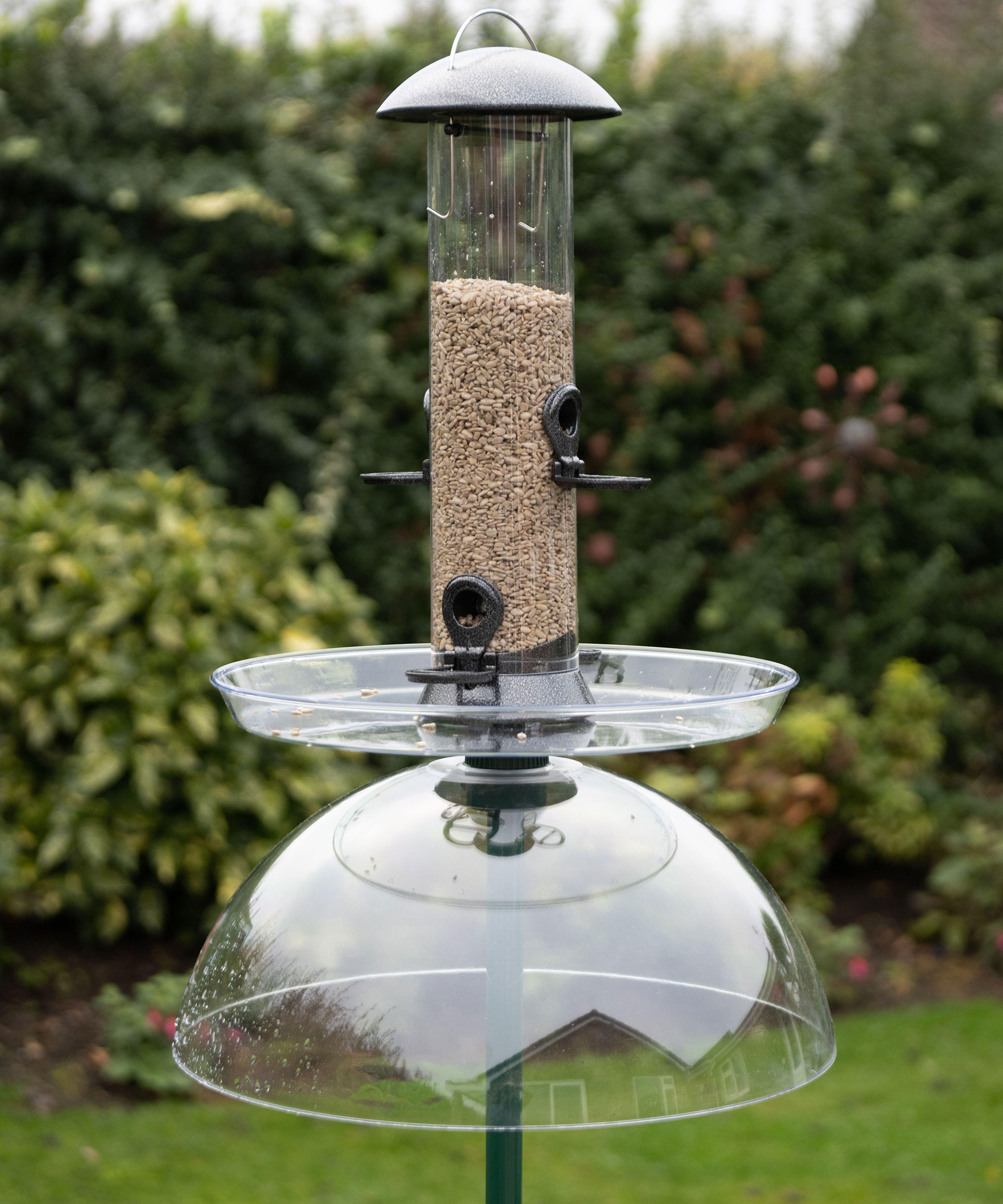
- Consider adding a metal baffle or cone below the feeder to block climbing attempts.
- Make sure the pole doesn’t have ledges or grooves where rats can rest during their climb.
Have you ever noticed how rats use even the smallest foothold to their advantage? Removing these tiny climbing aids can make all the difference.
Physical Barriers To Block Rats
Physical barriers are effective tools to stop rats from climbing bird feeder poles. These barriers create obstacles that rats cannot cross easily. They protect your bird feeder and keep pests away without using harmful chemicals.
Choosing the right barrier depends on your pole type and surroundings. Strong materials and proper placement increase success. Below are some practical options for building these barriers.
Installing Baffles
Baffles are round or cone-shaped guards placed on poles. They block rats from climbing by creating a slippery or wide surface. Install baffles a few feet below the feeder.
- Use metal or plastic baffles for durability.
- Secure baffles tightly to prevent movement.
- Ensure the baffle size is large enough to block rats.
Baffles work well because rats cannot grip or bypass them easily. Regular checks keep them effective over time.
Using Metal Shields
Metal shields wrap around the pole to stop rats. They offer a smooth surface rats cannot climb. Use aluminum or galvanized steel for rust resistance.
- Cut the metal to fit the pole width.
- Wrap the shield tightly and fasten with screws or wire.
- Leave space above and below to avoid gaps.
Metal shields last long and provide strong protection. They require little maintenance once installed.
Diy Barrier Ideas
Simple household items can create effective rat barriers. Use materials that rats find hard to climb or chew.
- Use a wide plastic dish or bucket cut to fit around the pole.
- Wrap duct tape sticky side out to block climbing.
- Attach a smooth, angled board around the pole.
DIY barriers offer affordable, quick solutions. Experiment with shapes and materials for best results.
Location Strategies
Choosing the right spot for your bird feeder pole plays a crucial role in stopping rats from climbing it. Rats are clever climbers and can use nearby objects to reach your feeder easily. Adjusting the location with smart strategies can make a big difference in keeping these unwanted guests away.
Placing Feeders Away From Structures
Keep your bird feeder pole at least 10 feet away from walls, fences, trees, or any structures rats could use as a bridge. Rats can jump surprisingly far, so even a small gap can give them access. Have you noticed rats leaping between closely placed items around your yard?
Try placing the feeder in an open area where rats have no easy access points. This simple change forces them to climb the pole itself, which you can protect with other methods. Think about where you usually spot rats and avoid those spots for your feeder location.
Clearing Nearby Climbing Aids
Remove any objects near the feeder pole that rats might climb, such as stacked wood, garden tools, or dense bushes. Even low-hanging branches within reach can serve as a ladder for them. Clearing the area around the pole deprives rats of these stepping stones.
Regularly inspect the space around your feeder and keep it tidy. It’s surprising how small items like a leaning ladder or pile of bricks can turn into a rat highway. Have you checked your yard lately for these hidden climbing aids?
Alternative Feeding Solutions
Rats climbing bird feeder poles can turn your peaceful birdwatching into a frustrating battle. Instead of constantly fighting with these clever rodents, consider changing how you feed the birds altogether. Alternative feeding solutions not only keep rats at bay but can also create a safer and more enjoyable environment for your feathered friends.
Hanging Feeders From Trees
Hanging feeders from tree branches makes it much harder for rats to reach the food. You can use thin, flexible cords or wires to suspend feeders in open spaces away from branches that rats might use as bridges.
Try placing feeders at least 6 feet off the ground and 3 feet away from any nearby branches. This gap forces rats to make a difficult leap, which they usually avoid.
From my experience, using a swivel hook on the cord helps the feeder spin when a rat tries to climb, shaking off the intruder quickly. Have you noticed how birds prefer feeders that swing gently? This setup keeps rats frustrated without disturbing your bird visitors.
Using Pole Alternatives
If a pole is essential, consider alternatives that are less accessible to rats. For example, mounting feeders on telescoping poles with built-in baffles can block climbing attempts effectively.
- Use metal or smooth plastic poles instead of wood, as rats struggle to grip slick surfaces.
- Attach cone-shaped metal baffles below the feeder to stop rats from climbing up.
- Consider wall-mounted or balcony feeders that don’t rely on poles at all.
I once swapped my wooden pole for a metal one with a baffle, and the rat problem disappeared within days. Would you be open to trying a different mounting style that’s less inviting to unwanted guests?
Credit: www.homesandgardens.com
Maintenance And Cleaning Tips
Maintaining a clean and well-kept bird feeder area deters pesky rats. Regular upkeep ensures your feathered friends enjoy their meal undisturbed. Proper cleaning and maintenance also keep the area safe and appealing.
Removing Spilled Seeds
Spilled seeds attract rats. Sweep the ground around the feeder daily. Use a small broom or hand brush. Dispose of seeds in a secure trash bin.
Consider installing a seed catcher. This helps reduce spillage significantly. A clean area reduces rat visits.
Regular Pole Inspection
Examine the feeder pole weekly. Look for signs of wear or damage. Rats can exploit weak spots.
Check the pole’s surface for roughness. Smooth surfaces deter climbing. Apply a non-toxic lubricant if necessary.
Ensure the pole is stable and secure. Wobbly poles invite critters. Tighten any loose bolts or screws.
Natural Deterrents For Rats
Placing natural deterrents like peppermint oil or mothballs around the pole can keep rats away. Wrapping the pole with a smooth metal sheet also stops rats from climbing up. These simple steps protect bird feeders without using harmful chemicals.
Rats can be a big problem for bird lovers. They climb bird feeder poles, scaring away birds. Natural deterrents can keep rats away without harming them. These methods are simple and safe for the environment.Using Peppermint Oil
Peppermint oil is a natural rat deterrent. Rats dislike its strong smell. To use it, soak cotton balls in peppermint oil. Place them around the base of the bird feeder pole. Refresh the oil every few days to maintain its strength. This simple trick can help keep rats at bay.Planting Rat-repellent Herbs
Certain herbs repel rats effectively. Planting these around your bird feeder can deter them. Examples include mint, garlic, and lavender. These herbs have strong scents that rats find unpleasant. They also add beauty to your garden. Growing these plants is an easy and natural way to deter rats.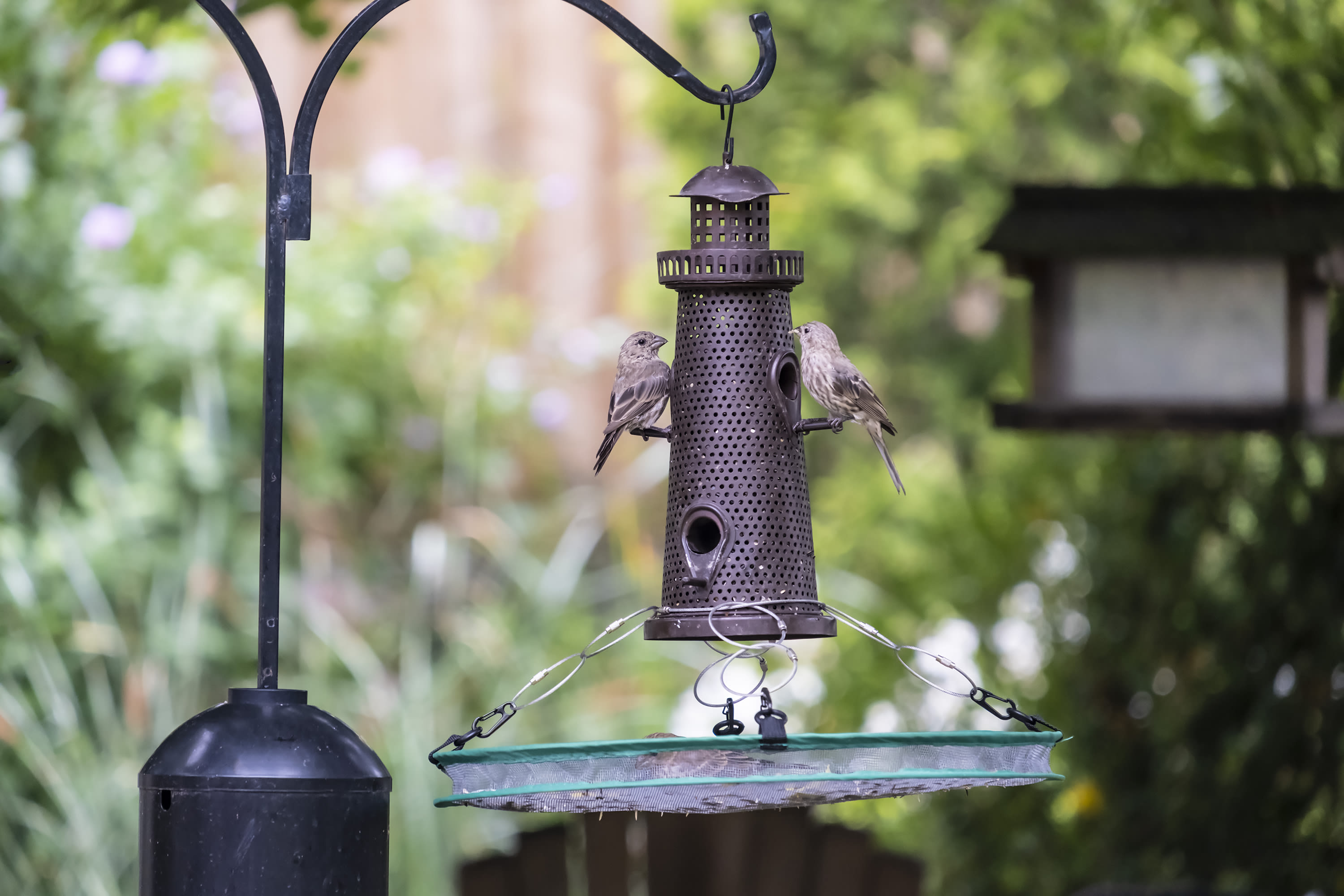
Credit: dengarden.com
When To Call Pest Control
Knowing when to call pest control can save you time, stress, and damage to your bird feeder setup. If rats keep climbing your feeder pole despite your efforts, it might be more than a small problem. Recognizing the right moment to bring in professionals ensures the issue is handled safely and effectively.
Signs Of Severe Infestation
Are you noticing droppings around the feeder or gnaw marks on the pole? These are clear signs rats are active and possibly multiplying nearby.
Other signs include:
- Hearing scratching or squeaking sounds at night
- Finding nests made from shredded materials close to your feeder
- Seeing multiple rats during the day, which often means the population is large
If these signs are frequent and growing, the infestation is likely severe. At this point, DIY solutions might not be enough.
Professional Treatment Options
Pest control experts bring knowledge and tools that are hard to match. They can inspect your property, identify entry points, and use targeted treatments.
Options professionals might use include:
- Safe rodent baits placed strategically
- Traps that minimize risk to your birds and pets
- Sealing holes and gaps that rats use to access the pole
Professionals also provide advice on preventing future infestations. Have you considered how much time and worry you save by letting experts handle the problem?
Frequently Asked Questions
How Can I Prevent Rats From Climbing Bird Feeder Poles?
Install a metal baffle around the pole to block rats. Keep the area clean and remove spilled seeds. Regularly check and maintain the feeder to deter rats effectively.
What Materials Work Best As Rat Barriers On Poles?
Smooth metals like aluminum or stainless steel work best. They prevent rats from gripping and climbing. Avoid rough materials as rats can easily climb them.
Does Using Rat Poison Near Bird Feeders Help?
Using poison is risky and can harm birds and pets. It’s better to use physical barriers and proper feeder maintenance. Safe alternatives protect wildlife and control rat problems effectively.
How Often Should I Clean My Bird Feeder To Stop Rats?
Clean your feeder at least once a week. Remove old seeds and debris to avoid attracting rats. Regular cleaning reduces food sources and keeps the area rodent-free.
Conclusion
Stopping rats from climbing bird feeder poles takes simple steps. Use metal guards or baffles to block their climb. Keep the area clean and remove spilled seeds. Check the pole regularly for damage or gaps. These small efforts help protect your bird feeder and keep rats away.
Enjoy watching birds without unwanted visitors. Small changes make a big difference. Keep your feeder safe and your yard peaceful.




