
Keeping backyard chickens safe from bird flu is a top priority for every chicken owner like you. The thought of your healthy flock falling ill can be worrying.
But don’t worry—there are simple, effective steps you can take right now to protect your birds. You’ll discover practical tips that are easy to follow and will help keep your chickens strong and healthy. Ready to learn how to shield your feathered friends from this threat?
Let’s dive in.
Recognizing Bird Flu Symptoms
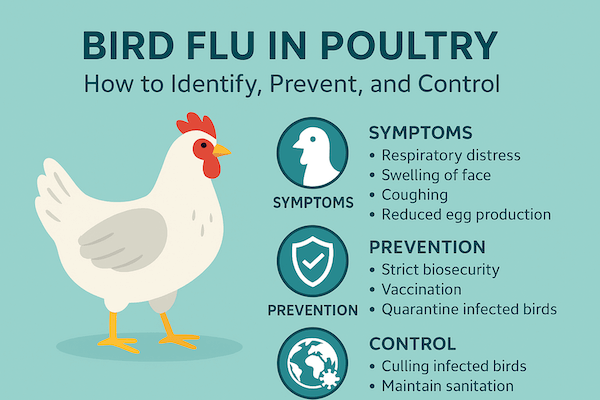
Recognizing bird flu symptoms early helps protect your backyard chickens. Spotting signs quickly can stop the illness from spreading. Knowing what to watch for keeps your flock safe and healthy.
Signs In Chickens
- Sudden drop in egg production
- Swelling around the head and eyes
- Dark or purple discoloration of comb and wattles
- Difficulty breathing or coughing
- Lethargy and weakness
- Loss of appetite and weight
- Diarrhea or unusual droppings
- Drooping wings and stiff neck
When To Seek Help
Call a veterinarian immediately if you see multiple symptoms. Quick action reduces risks for your entire flock. Avoid handling sick chickens without protection. Report unusual bird deaths to local authorities. Early diagnosis helps control the outbreak fast.

Credit: www.healthbeat.org
Creating A Safe Coop Environment
Creating a safe coop environment is essential to protect your backyard chickens from bird flu. The coop is more than just a shelter—it’s their home where health risks can either be minimized or multiplied. Focusing on ventilation, cleanliness, and secure housing design helps reduce the chances of disease spreading within your flock.
Proper Ventilation
Good airflow in the coop keeps harmful viruses from lingering in the air. Stale, humid conditions encourage bacteria and viruses to thrive, so fresh air is a natural defense. You don’t need a fancy system; simple vents placed high and low can create a steady breeze without drafts.
Think about how you feel in a stuffy room—your chickens feel the same. Have you checked if your coop windows or vents are blocked by dirt or nesting material? Regularly opening windows on warmer days can help maintain a healthy atmosphere inside.
Regular Cleaning Routines
Cleaning the coop isn’t just about looks—it directly affects your chickens’ health. Droppings and leftover feed can harbor viruses, so removing waste daily is crucial. A weekly deep clean with safe disinfectants can break the cycle of infection.
Don’t forget to clean feeders and waterers regularly. Dirty water can become a breeding ground for germs. If you’ve ever seen your chickens avoid their water, it might be time to refresh and clean those containers more often.
Secure Housing Design
Bird flu can enter through wild birds or rodents. A coop designed to keep unwanted visitors out protects your flock from disease carriers. Make sure there are no gaps or holes larger than half an inch where pests can sneak in.
- Use hardware cloth instead of chicken wire—it’s stronger and keeps small predators out.
- Install doors that close tightly and add locks to prevent raccoons or stray animals.
- Elevate the coop off the ground to reduce dampness and deter burrowing pests.
Have you ever noticed wild birds landing near your chickens? That’s a risk factor you can control with a well-designed coop. A secure home is your first line of defense against bird flu.
Biosecurity Measures
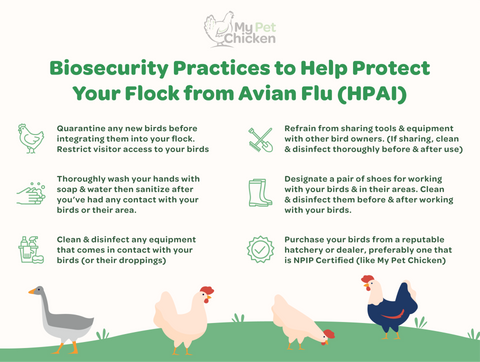
Biosecurity measures protect backyard chickens from bird flu. These steps reduce the chance of disease entering your flock. Keeping a clean and controlled environment is vital. Simple actions can stop viruses from spreading quickly.
Limiting Contact With Wild Birds
Wild birds often carry viruses without showing signs. Keep your chickens away from wild birds to reduce risk. Use netting or wire mesh to cover chicken runs. Remove food sources that attract wild birds near your coop. Check for holes or gaps where wild birds can enter.
Disinfecting Equipment And Footwear
Viruses can live on surfaces for days. Clean feeders, waterers, and tools regularly with disinfectant. Use separate equipment for different chicken groups if possible. Clean and disinfect shoes before and after handling chickens. Place a disinfectant footbath at your coop entrance for extra protection.
Controlling Visitor Access
Visitors can carry viruses on clothes and shoes. Limit access to your chicken area to trusted people only. Ask visitors to wear clean clothes and disinfect their footwear. Provide hand sanitizer or washing stations near the coop. Avoid sharing equipment with other chicken owners.
Healthy Feeding Practices
Keeping chicken feeders clean and dry helps stop bird flu spread. Feeding fresh, uncontaminated food supports healthy chickens and lowers infection risk. Regularly changing water and avoiding wild bird contact protect backyard flocks from disease.
Keeping backyard chickens healthy and safe from bird flu requires attention to their feeding practices. By ensuring your chickens have access to clean water and a balanced diet, you can significantly reduce their risk of infection. Healthy feeding is not just about what you feed them, but also how you manage their food and water sources to prevent contamination.Safe Water Supply
Ensuring a safe water supply is crucial for your chickens’ health. Always provide fresh, clean water and change it daily to avoid contamination. Consider using a waterer that prevents standing water from becoming stagnant, as this can attract wild birds and insects that may carry diseases. It’s a good idea to place water sources in shaded areas to keep them cool and less appealing to wildlife. If you notice any signs of contamination, such as algae or droppings, clean and disinfect the waterers immediately.Nutritious Diet Choices
Feeding your chickens a nutritious diet is a proactive way to boost their immune system. Opt for high-quality poultry feed that meets their nutritional requirements. You can also supplement their diet with safe kitchen scraps like fruits and vegetables, but avoid anything moldy or spoiled. A varied diet not only keeps your chickens healthy but also keeps them happy and engaged. Have you ever noticed how chickens perk up when they spot fresh greens? Including these in their diet can make a world of difference. Remember, a strong immune system is your chickens’ best defense against bird flu.Monitoring Flock Health
Keeping a close eye on your flock’s health is essential to prevent bird flu from spreading. Monitoring helps you spot early signs of illness before they become serious problems. The sooner you act, the better your chances of protecting your chickens.
Daily Health Checks
Make it a habit to observe your chickens every day. Look for signs like lethargy, coughing, sneezing, or unusual behavior. Even small changes, such as less eating or ruffled feathers, can hint that something is wrong.
Check their eyes, beaks, and vents for any discharge or swelling. Touch their bodies to feel for lumps or injuries. Keeping a simple checklist can help you remember what to look for and track any changes over time.
Ask yourself: Are all my chickens moving and eating normally today? If the answer is no, isolate the affected birds immediately and consult a vet. Early detection can save your whole flock.
Quarantine For New Birds
Bringing new chickens into your backyard can introduce diseases like bird flu. Always set aside a separate area to keep new arrivals away from your existing flock for at least two weeks. This quarantine period lets you watch for any signs of illness without risking your healthy birds.
During quarantine, monitor the newcomers closely. Check their droppings, breathing, and activity levels daily. If you notice any symptoms, it’s safer to delay mixing them with your flock or seek veterinary advice.
Have you ever rushed to add new birds, only to face health issues later? Taking time for quarantine is a small step that prevents big problems. Think of it as a health check before joining the party.
Credit: www.bivatec.com
Vaccination And Veterinary Care
Vaccination and veterinary care play a key role in protecting backyard chickens from bird flu. Vaccines help build immunity, reducing the chance of infection. Regular check-ups allow vets to spot early signs of illness and provide timely treatment. This care keeps your flock healthy and safe.
Available Vaccines
Several vaccines protect chickens against bird flu strains. Poultry owners can choose from:
- Inactivated virus vaccines – safe and widely used
- Recombinant vaccines – use genetic technology for protection
- Live attenuated vaccines – contain weakened virus for immune response
Consult a vet to pick the best vaccine for your flock. Vaccination timing and type depend on local disease risks and chicken age.
Scheduling Vet Visits
Routine veterinary visits help maintain your chickens’ health. Schedule visits:
- Before vaccination to assess flock condition
- After vaccination to monitor any reactions
- When signs of illness appear, such as coughing or lethargy
Early detection of bird flu symptoms limits spread and damage. Vets also advise on biosecurity and proper care practices.
Credit: www.mypetchicken.com
Frequently Asked Questions
How Can I Prevent Bird Flu In Backyard Chickens?
Keep your coop clean and disinfected regularly. Limit visitors and quarantine new birds for 2 weeks. Provide fresh water and quality feed. Avoid contact with wild birds and rodents to reduce infection risk.
What Are Early Signs Of Bird Flu In Chickens?
Look for sudden death, coughing, sneezing, and nasal discharge. Also watch for swollen eyes, lethargy, and reduced egg production. Early detection helps control the spread and protect your flock.
Should I Vaccinate Backyard Chickens Against Bird Flu?
Vaccination is not always recommended but can be useful in high-risk areas. Consult local veterinarians for guidelines. Maintain good biosecurity practices alongside vaccination for better protection.
How Often Should I Clean The Chicken Coop?
Clean the coop at least once a week. Remove droppings, replace bedding, and disinfect surfaces. Regular cleaning reduces bacteria and virus buildup, lowering bird flu risks.
Conclusion
Keeping backyard chickens safe from bird flu takes regular care and attention. Clean their coop often. Keep new birds separate before mixing them. Watch for signs of illness every day. Limit wild bird contact around your flock. Feeding healthy food helps chickens stay strong.
Small steps protect your birds and your home. Stay alert and act fast if you see problems. Healthy chickens make a happy backyard.




