
Imagine stepping into your backyard and being surrounded by the gentle songs of birds. You watch colorful feathers flutter from branch to branch, feeling a deep connection to nature right outside your door.
Building a bird sanctuary in your own backyard isn’t just about attracting birds—it’s about creating a peaceful space where you can relax, learn, and enjoy the beauty of wildlife every day. If you’ve ever wanted to bring more life and joy to your outdoor space, this guide will show you exactly how to make it happen.
Keep reading, and you’ll discover simple, practical steps to turn your backyard into a thriving haven for birds—and for yourself.
Credit: underatinroof.com
Choosing The Right Location
Choosing the right location for your bird sanctuary is key. Birds need a safe, comfortable place to visit and stay. The location affects the types of birds you attract. It also impacts their safety and happiness. Careful planning helps create a thriving backyard sanctuary.
Assessing Space And Environment
Pick a spot with enough room for plants and bird feeders. Check if the area is quiet and peaceful. Avoid places with heavy foot traffic or loud noises. Look for natural features like trees, shrubs, and bushes. These provide shelter and nesting spots for birds.
Consider the type of environment around your yard. Birds prefer places with variety. Mix open spaces with some dense cover. This balance encourages different bird species to visit.
Considering Sunlight And Shade
Birds need both sun and shade throughout the day. Choose a location that gets morning sunlight. This helps birds warm up and stay active. Provide shaded areas to protect birds from hot afternoon sun. Trees or tall plants create natural shade.
Ensure the spot is not too dark or damp. Good airflow reduces the risk of mold and pests. Sunlight also helps plants grow, which attract insects birds eat.
Avoiding Predators And Hazards
Keep the sanctuary safe by avoiding places near predator homes. Cats, snakes, and larger birds can harm small birds. Check for easy escape routes for birds to flee danger. Avoid spots near busy roads or places with harmful chemicals.
Look for areas free of sharp objects and toxic plants. Keep feeders and water sources clean. Safe surroundings help birds feel secure and encourage regular visits.
Selecting Native Plants
Selecting native plants is a crucial step in creating a thriving bird sanctuary in your backyard. These plants are naturally adapted to your local environment, making them easier to maintain and more beneficial for local wildlife. Choosing the right plants helps support the birds you want to attract by providing familiar food sources and shelter.
Attracting Local Bird Species
Native plants attract birds that are already part of your area’s ecosystem. Birds recognize these plants as sources of food and nesting sites because they have evolved together over time.
Think about the birds you often see nearby. Are they attracted to certain berries, seeds, or flowers? Adding those native plants to your sanctuary increases your chances of welcoming these feathered visitors.
Providing Food And Shelter
Native plants offer both nourishment and protection. They produce seeds, berries, and nectar that local birds depend on throughout the year.
Dense shrubs and trees can serve as safe nesting spots or hiding places from predators. Try mixing different types of plants to create layers of shelter—from ground cover to tall trees.
Using Seasonal Plant Varieties
Choosing plants that bloom or bear fruit at different times ensures a steady food supply year-round. Birds need nourishment during migration, breeding, and winter survival.
Consider early-blooming flowers for spring pollinators and late-season berries for winter feeders. This variety keeps your sanctuary active and welcoming in every season.
Creating Water Sources
Providing water sources in your bird sanctuary is essential to attract a variety of feathered friends. Birds need water not only to drink but also to bathe, which helps keep their feathers in good condition. Creating safe, accessible water spots can turn your backyard into a lively haven for local and migratory birds alike.
Installing Birdbaths And Ponds
Choose a birdbath or small pond that fits your space and style. A shallow birdbath with a rough surface works well because it prevents slipping and is easier for birds to use. If you opt for a pond, keep the edges gradual to help smaller birds and other wildlife access the water safely.
Place water sources near shrubs or trees to provide birds with quick cover from predators. You might want to position a birdbath in a sunny spot to keep the water from freezing in winter, making it usable year-round. Adding floating plants or stones can offer perches and enhance the natural feel.
Maintaining Clean Water
Clean water is critical for bird health. Dirty or stagnant water can spread diseases and discourage visits. Make it a habit to change the water every two to three days, more often during hot weather.
Scrub your birdbaths and pond edges regularly to remove algae and bacteria. Avoid using soap or harsh chemicals; a simple brush and water work best. Installing a small fountain or dripper can keep water moving, which also helps reduce mosquitoes and keeps the water fresh.
Encouraging Bird Visits
To make your water sources more inviting, think about what birds in your area prefer. Some species like shallow water; others might enjoy a gentle drip or splash sound. Experiment with different water features to see what attracts the most visitors.
Adding nearby perches, such as branches or garden stakes, gives birds a place to rest before and after drinking or bathing. Keep the area quiet and safe from pets to encourage regular visits. Have you noticed which water setups bring the most bird activity in your garden?

Credit: underatinroof.com
Adding Nesting Sites
Adding nesting sites is a key part of creating a welcoming bird sanctuary in your backyard. Birds need safe, comfortable places to lay eggs and raise their young. By providing a variety of nesting options, you invite different species to make your yard their home.
Building Birdhouses
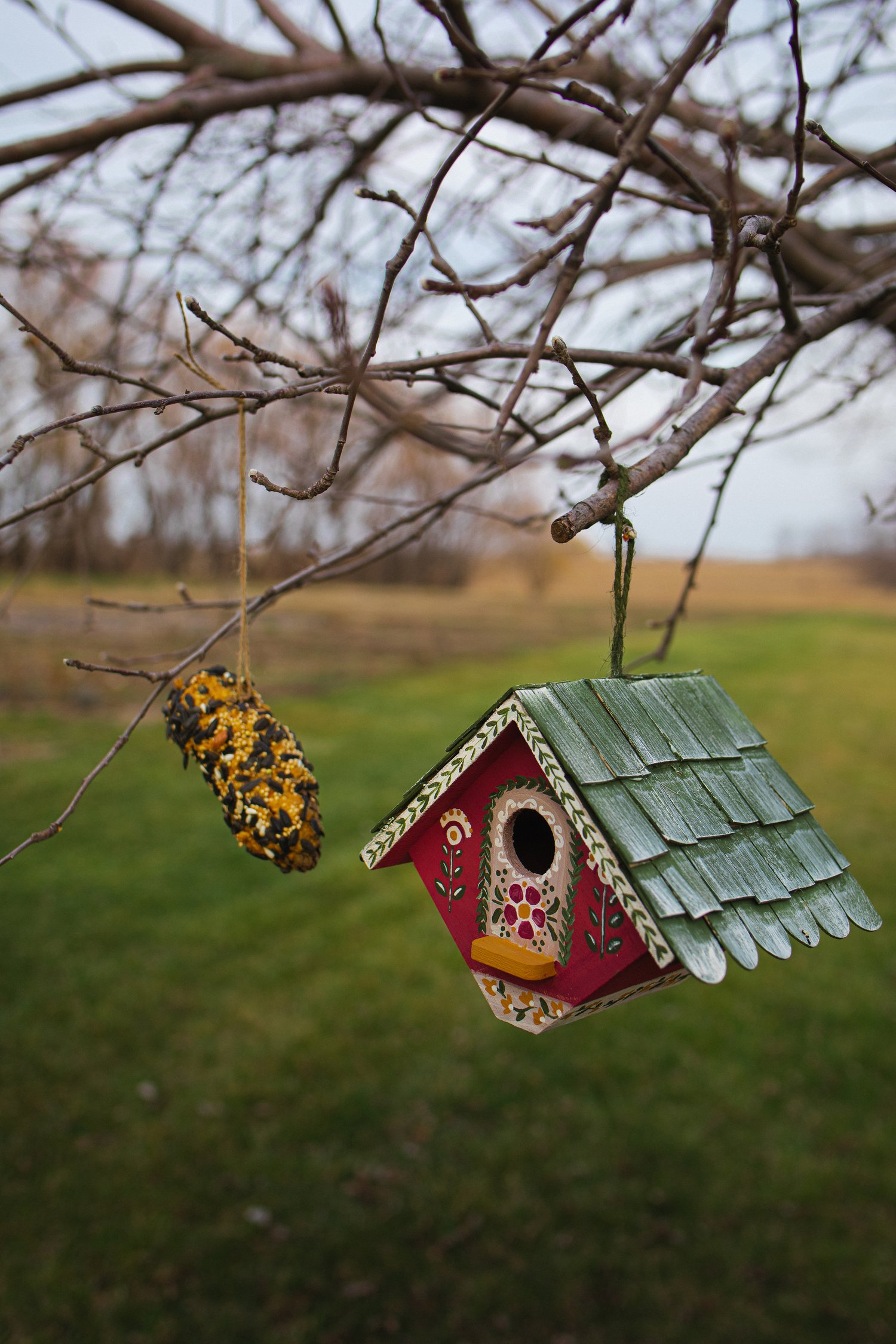
Building birdhouses is a hands-on way to offer birds a secure nesting spot. Use untreated wood and avoid paint inside the house to keep it safe and natural. Make sure the entrance hole is the right size for the bird species you want to attract—too big, and predators can get in; too small, and birds won’t enter.
Place birdhouses at different heights and locations around your yard. Some birds prefer the quiet of dense shrubs, while others like open spaces near trees. Have you tried hanging a birdhouse near a window to watch the activity up close?
Preserving Natural Nesting Spots
Natural spots like old trees, dense bushes, and dead branches are perfect for birds to nest. Instead of clearing these areas, keep them intact to provide safe shelter. Birds often choose these spots because they blend well with the environment and offer protection from predators.
If you’re worried about tidiness, consider designating a small part of your yard as a “wild zone.” This area can stay natural and messy, giving birds a quiet retreat. What might happen if you let nature take its course in just one corner of your yard?
Providing Safe Nest Materials
Birds gather materials like twigs, feathers, and soft fibers to build their nests. You can help by offering safe materials nearby. Avoid anything treated with chemicals—stick to natural items such as small sticks, dried grass, and pet fur.
Scatter these materials gently around your garden or place them in open containers. You’ll be surprised how quickly birds find and use them. Have you noticed which materials your local birds prefer during nesting season?
Maintaining A Bird-friendly Habitat
Maintaining a bird-friendly habitat is key to a thriving backyard sanctuary. It ensures birds stay safe, healthy, and eager to visit often. Regular care helps create a welcoming and balanced environment for all feathered friends.
Minimizing Pesticide Use
Using fewer pesticides protects birds from harmful chemicals. Birds can eat insects and seeds safely without risk. Choose natural pest control methods like introducing ladybugs or using neem oil. Avoid spraying chemicals directly on plants where birds feed or rest.
Regular Cleaning And Upkeep
Keep bird feeders and water sources clean to prevent diseases. Wash feeders every two weeks with warm, soapy water. Remove old food and debris from feeding areas regularly. Clean birdbaths often and refill with fresh water daily. Trim plants and remove dead branches to keep the habitat tidy and safe.
Monitoring Bird Activity
Watch which birds visit your sanctuary and how often. Note feeding habits and nesting behavior to understand their needs. Adjust food types and water availability based on observations. Keep a simple journal or take photos to track changes over time. This helps improve your sanctuary and supports local bird populations better.
Attracting A Variety Of Birds
Creating a bird sanctuary in your backyard invites diverse bird species to visit. Plant native trees and shrubs to provide shelter and food. Install bird feeders and water sources to attract different birds, ensuring a lively and colorful environment.
Attracting a variety of birds to your backyard sanctuary is not just about creating a picturesque scene but also about fostering a thriving ecosystem. By offering a range of food options and using feeders strategically, you can invite a diverse bird population to your backyard. Additionally, encouraging seasonal visitors adds dynamic beauty and life to your sanctuary throughout the year.Offering Diverse Food Options
Birds, like us, have different tastes and nutritional needs. Providing a variety of food will attract different species. Consider including seeds, nuts, fruits, and suet in your offerings. A small dish of mealworms can entice insect-loving birds like robins and wrens. Sunflower seeds are a hit with cardinals and finches. Try experimenting with different foods to see which birds they attract.Using Feeders Effectively
Using different types of feeders can enhance your sanctuary’s appeal. Tube feeders are perfect for small birds, while platform feeders can accommodate larger birds. Placement is key. Hang feeders at different heights to cater to various bird species. Keep them clean to prevent disease and ensure they’re always stocked, especially during winter when food is scarce.Encouraging Seasonal Visitors
Bird migration is a fascinating natural event. By understanding migration patterns, you can prepare your sanctuary to welcome seasonal visitors. Plant native flowers and shrubs that bloom at different times of the year. This provides food and shelter throughout the seasons. Have you ever noticed a specific bird returning each spring? Creating a welcoming environment ensures they keep coming back. Do you have any tips or experiences in attracting birds to your backyard? Share them in the comments below!Dealing With Common Challenges
Building a bird sanctuary in your backyard is rewarding, but it comes with its own set of challenges. Dealing with these issues early ensures your sanctuary remains a safe haven for birds. Let’s look at some common hurdles and how you can overcome them effectively.
Managing Predators
Predators like cats, raccoons, and snakes can threaten your bird visitors. Protect your sanctuary by placing feeders and nests in spots that are hard to reach, such as higher branches or on poles with baffles.
Consider installing motion-activated lights or noise devices that deter nocturnal predators without disturbing the birds. You might also create dense shrubs or thorny bushes around your sanctuary to provide natural barriers.
Have you noticed any specific animals lurking around? Observing their patterns can help you tailor your defenses precisely.
Preventing Plant Damage
Birds love to explore, but sometimes they can damage the plants you’ve carefully chosen. Use protective netting or fencing around delicate plants to keep birds from pecking or trampling them.
Choose hardy, bird-friendly plants that tolerate nibbling and provide natural food sources. Adding mulch around your plants can also reduce damage by creating a protective layer.
Which plants in your sanctuary are most vulnerable? Paying attention to this helps you decide where to focus your protection efforts.
Handling Weather Effects
Weather changes can stress both birds and plants in your sanctuary. Provide sheltered areas using small birdhouses or dense foliage where birds can take refuge during storms or extreme heat.
Mulching and watering regularly help plants survive dry spells, while sturdy plant supports prevent damage from heavy winds. Think about seasonal adjustments, like bringing delicate pots indoors during frost.
Have you planned for sudden weather shifts? Preparing for the unexpected keeps your sanctuary thriving year-round.

Credit: www.youtube.com
Engaging With The Community
Building a bird sanctuary in your backyard is not just about creating a safe haven for birds; it’s also about connecting with others who share your passion. Engaging with your community can enrich your experience and multiply the positive impact of your efforts. It gives you a chance to exchange knowledge, inspire others, and contribute to broader conservation goals.
Sharing Your Sanctuary Journey
Sharing your progress and challenges with neighbors or online groups can spark interest and encourage others to start their own sanctuaries. You might post photos or updates on social media, write a blog, or invite friends for a tour. This transparency builds trust and excitement around your project.
Have you thought about creating a simple newsletter or a photo diary? These small efforts can create a ripple effect, motivating others to take action in their own spaces.
Participating In Birdwatching Groups
Joining local birdwatching clubs connects you with experienced birders who can offer valuable tips on attracting and caring for different species. These groups often organize events, walks, and workshops that deepen your understanding and enjoyment.
Participation can also help you identify the birds visiting your sanctuary and track their behavior over time. When was the last time you shared a bird sighting with someone who truly appreciates it?
Supporting Local Conservation Efforts
Your backyard sanctuary becomes even more meaningful when paired with support for nearby conservation projects. You could volunteer for habitat restoration days, donate to bird rescue centers, or advocate for wildlife-friendly policies.
Think about how your personal commitment can add to community-wide actions. What local organizations could benefit from your time or resources?
Frequently Asked Questions
What Are The Essential Steps To Build A Bird Sanctuary?
Start by selecting native plants and providing fresh water sources. Create shelter with trees and shrubs. Avoid pesticides. Add bird feeders and nesting boxes. Maintain cleanliness and monitor bird activity regularly to support a healthy sanctuary environment.
How Do I Attract Different Bird Species To My Backyard?
Plant diverse native vegetation and offer various food types like seeds, nectar, and insects. Provide water features and safe nesting spots. Avoid disturbances and keep pets away. These actions create an inviting habitat for multiple bird species.
What Plants Are Best For A Backyard Bird Sanctuary?
Choose native plants with berries, seeds, and nectar. Examples include sunflowers, coneflowers, and dogwoods. These provide natural food and shelter. Native plants also support local bird populations and require less maintenance.
How Can I Keep My Bird Sanctuary Safe From Predators?
Install birdhouses with small entrances and place feeders away from hiding spots. Use fencing or netting if needed. Avoid using harmful chemicals. Regularly check the area for signs of predators to protect your birds effectively.
Conclusion
Creating a bird sanctuary in your backyard brings nature closer to home. It helps birds find food, water, and shelter easily. You also enjoy watching different bird species visit daily. Small steps like planting native plants make a big difference.
Keep your space safe and clean for the birds. Patience is key; birds may take time to arrive. Your effort supports local wildlife and adds beauty to your yard. Start today, and soon your backyard will be alive with bird songs.
A peaceful, natural place awaits you and the birds.




