
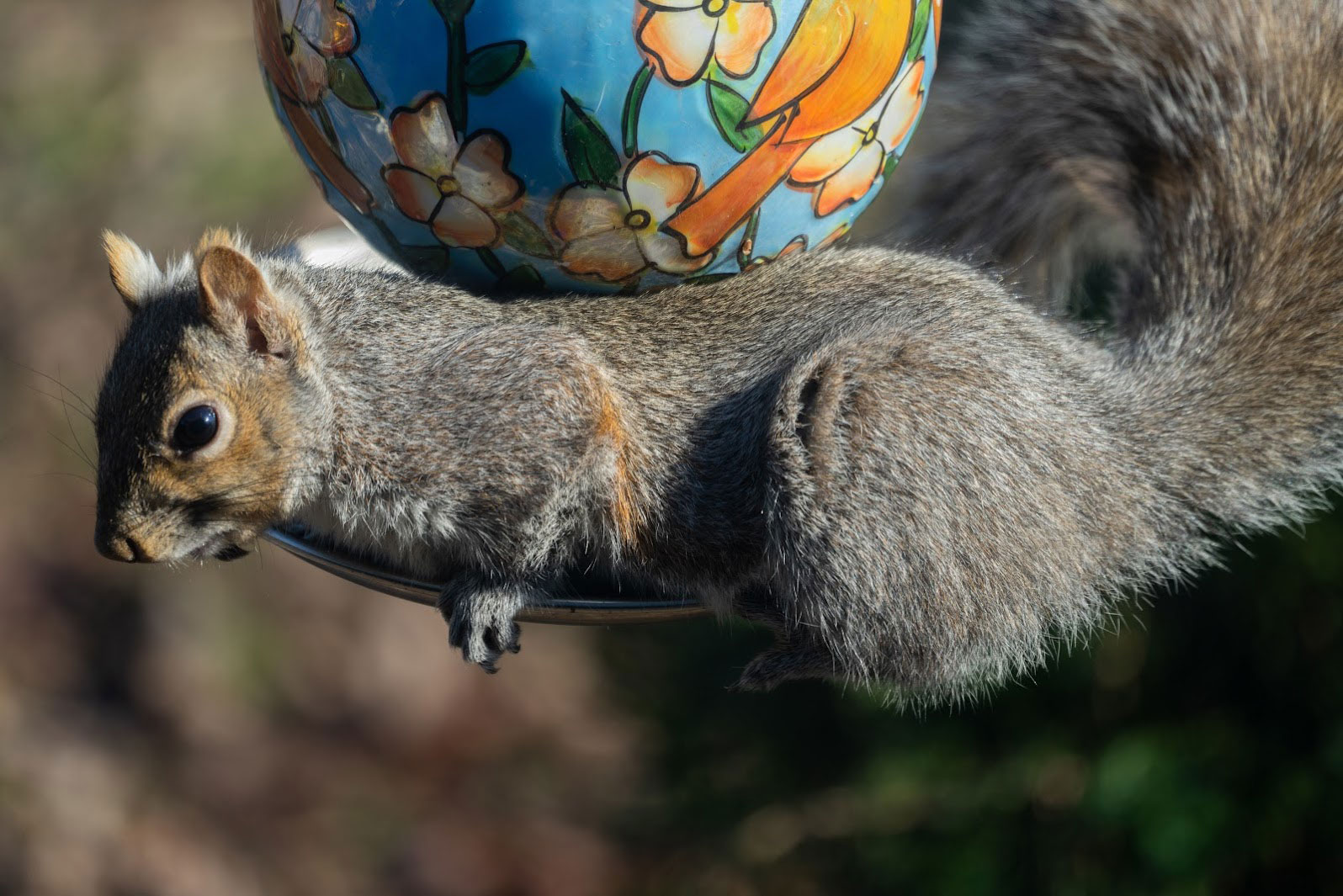
Are you tired of watching squirrels raid your bird feeders, leaving you with empty trays and no feathered visitors? You’re not alone.
These clever little creatures can quickly turn your peaceful bird-watching moments into a frustrating game of chase. But don’t worry—there are simple, effective ways to keep squirrels away without harming them or your feathered friends. Keep reading to discover easy tips that will help you protect your bird feeders and enjoy watching birds in peace.
Why Squirrels Target Bird Feeders
Have you ever wondered why squirrels seem to have a special interest in your bird feeders? Understanding their motivation can help you find better ways to protect your bird food and enjoy watching birds without constant squirrel interruptions. Squirrels are not just random pests; their behavior and feeding habits explain why your feeder becomes a prime target.
Squirrel Behavior And Food Preferences
Squirrels are natural foragers. Their sharp senses and climbing skills make bird feeders an easy and attractive food source. Unlike birds, squirrels prefer high-energy foods like nuts and seeds, which are often abundant in bird feeders.
They are also opportunistic eaters, meaning they’ll take advantage of whatever food is easiest to reach. If your feeder is accessible, squirrels will visit regularly. Have you noticed how quickly they learn to navigate obstacles? Their intelligence and persistence make it tough to keep them away.
Common Feeding Habits
Squirrels usually feed multiple times a day. They stash food for later, so they are always on the lookout for new sources. Your feeder becomes both a dining spot and a storage location.
They prefer to eat in safe, elevated places, which is why feeders hung from trees or poles are especially tempting. Sometimes, squirrels will even raid feeders during the night when birds are asleep, showing just how determined they can be.
- They favor sunflower seeds, peanuts, and corn commonly found in bird feeders.
- Squirrels use their front teeth to crack open tough shells.
- They remember feeder locations and plan visits around safe times.
Knowing this, have you considered how changing the type of bird food or feeder placement might affect squirrel visits? Small tweaks based on their habits could save you a lot of frustration.
Choosing Squirrel-proof Bird Feeders
Choosing squirrel-proof bird feeders is key to protecting your bird food. Squirrels are clever and persistent. They can quickly empty a feeder meant for birds. The right feeder stops squirrels from reaching the food. It also keeps birds safe and happy.
Good squirrel-proof feeders use smart designs. They make it hard for squirrels to grab seeds. Some feeders use weight to block access. Others have cages or baffles to keep squirrels away. Picking a feeder with the right features saves time and money.
Types Of Squirrel-resistant Feeders
- Weight-Activated Feeders:These close feeding ports when heavy animals land. Birds are light and can feed freely. Squirrels trigger the mechanism and get blocked.
- Caged Feeders:A metal cage surrounds the seed area. Small birds fit inside, but squirrels cannot enter. This keeps squirrels away from the food.
- Baffle Feeders:Feeders with dome or cone-shaped guards. They stop squirrels from climbing or jumping onto the feeder. The baffle acts as a physical barrier.
- Hopper Feeders with Squirrel Guards:These have extra barriers on poles. Squirrels find it hard to climb the pole or reach the feeder.
Features To Look For
- Durable Material:Choose metal or heavy plastic. Squirrels chew through weak plastic easily.
- Easy to Clean:Feeders with removable parts clean quickly. Clean feeders prevent mold and disease.
- Proper Seed Access:Feeders should allow birds to feed easily. Small openings stop squirrels but help birds.
- Secure Mounting:Feeders that attach firmly to poles or trees are harder for squirrels to shake or tip over.
- Weather Resistant:Materials that resist rain and sun last longer outdoors.
Placement Strategies For Feeders
Placement strategies play a key role in keeping squirrels away from bird feeders. Choosing the right spot can stop squirrels from reaching the food easily. Careful placement can protect the feeder and let birds enjoy their meals peacefully.
Ideal Location Tips
- Place feeders at least 10 feet away from trees or fences.
- Set feeders 5 to 6 feet above the ground to limit squirrel jumps.
- Use a metal pole or stand that squirrels cannot climb.
- Choose an open area with few nearby branches or ledges.
- Keep feeders near birdhouses or shrubs for birds’ safety.
Avoiding Easy Access Points
Squirrels are excellent jumpers and climbers. Avoid placing feeders near places they can leap from.
- Do not hang feeders from tree branches or nearby cables.
- Keep feeders away from walls or fences that squirrels can climb.
- Use baffles on poles to block climbing attempts.
- Ensure no nearby structures act as launch pads.
- Check for any nearby objects squirrels can use as a bridge.

Credit: www.popsci.com
Physical Barriers And Deterrents
Keeping squirrels away from your bird feeders can be a real challenge. Physical barriers and deterrents offer effective ways to protect your bird food without harming the squirrels. These solutions create obstacles that make it difficult or unpleasant for squirrels to reach your feeders, allowing the birds to enjoy their meals peacefully.
Installing Baffles And Guards
Baffles and guards are physical shields placed around your bird feeder or pole to block squirrels from climbing or jumping onto the feeder. A common type is the dome-shaped baffle that fits above or below the feeder, creating a slippery or angled surface squirrels can’t navigate.
Metal or plastic guards can also wrap around poles, preventing squirrels from climbing up. These barriers work best when positioned at least 4 feet off the ground and away from jumping points like trees or fences. Have you tried repositioning your feeders to reduce squirrel access?
Using Spinning Or Moving Devices
Spinning feeders and moving devices take advantage of squirrels’ weight and movement to keep them off the feeder. These devices spin or sway when a squirrel lands on them, making it hard for the squirrel to stay put.
Some feeders have built-in mechanisms that rotate with the squirrel’s weight, while others use spring-loaded arms that push squirrels away. These devices can be fun to watch in action and are a hands-off way to protect your bird food. What’s more satisfying than seeing a squirrel outsmarted by its own weight?
Natural Repellents And Scare Tactics
Keeping squirrels away from your bird feeders can be challenging, but natural repellents and scare tactics offer effective solutions without harming the animals. These methods create an environment that squirrels find uncomfortable or intimidating, encouraging them to look elsewhere for food. Let’s explore some practical ways you can protect your feeders using safe and simple techniques.
Applying Safe Repellent Substances
You can make your bird feeder less appealing to squirrels by using safe, natural substances that they dislike. Sprinkle cayenne pepper or chili powder around the feeder. The spicy scent deters squirrels but doesn’t bother birds, so your feathered friends stay happy.
Another option is to apply a thin layer of petroleum jelly on poles or parts squirrels climb. This makes the surface slippery, preventing their grip. Just be sure to reapply regularly, especially after rain or snow.
Have you tried mixing garlic powder with birdseed? This adds a scent that squirrels avoid but doesn’t affect birds’ feeding habits. These repellents give you control without resorting to harmful chemicals or traps.
Utilizing Visual And Sound Deterrents
Visual cues can make squirrels wary of approaching your feeders. Hanging shiny objects like old CDs or aluminum foil strips nearby reflects sunlight and creates unpredictable flashes that squirrels dislike.
Consider placing plastic owls or snakes around the feeding area. Moving these decoys occasionally increases their effectiveness, as squirrels quickly learn to ignore static displays. Have you noticed how sudden movements catch your attention? Squirrels react the same way.
Sound deterrents offer another layer of protection. Devices emitting high-frequency sounds or motion-activated alarms can startle squirrels without disturbing birds. Using these tools together can reduce squirrel visits significantly.
Credit: www.popsci.com
Alternative Feeding Options For Squirrels
Squirrels can be kept away by offering food in separate feeders designed just for them. Using squirrel-proof bird feeders also helps protect bird food. Placing feeders on poles with baffles stops squirrels from climbing up.
Alternative Feeding Options for Squirrels If you’re tired of squirrels raiding your bird feeders, consider offering them alternative feeding options. Not only does this give the squirrels something to munch on, but it also keeps them away from the bird food. Engaging squirrels with their own feeding station can transform your yard into a harmonious haven for all wildlife.Creating A Separate Feeding Station
A dedicated squirrel feeding station can work wonders. Place it at a distance from the bird feeders, preferably on the ground. Use a simple platform feeder or a repurposed tree stump as a base. Add squirrel-friendly foods like corn, nuts, and sunflower seeds. This setup gives squirrels an enticing option, reducing their interest in the bird feeders. Make it fun by hanging corn cobs on a string, allowing squirrels to play while they eat.Using Food Types That Discourage Squirrels
Certain foods naturally deter squirrels while still appealing to birds. Consider using safflower seeds, which most birds love but squirrels find unpalatable. Hot pepper-infused birdseed is another option. Birds are unaffected by the spice, but squirrels will steer clear. Experiment with different food types to find the perfect combination. What works in one garden might not in another, so be observant and adaptive. By offering these alternatives, you create a peaceful coexistence between your feathered and furry friends. What creative squirrel-friendly solutions have you tried in your backyard?Maintenance And Monitoring Tips
Regularly clean feeders and check for damage to keep squirrels away. Monitor feeder areas to spot early signs of squirrel activity. Use squirrel-proof feeders and place them away from jumping points for better protection.
Maintaining your bird feeder can deter squirrels effectively. Regular upkeep ensures the feeder works as intended. Observing squirrel behavior helps you adapt your strategy. Here’s how to manage both.Regular Cleaning And Upkeep
Clean your bird feeder weekly. Use a brush to remove debris. Rinse thoroughly with water. This prevents food buildup and attracts fewer squirrels. Check for damage often. Repair or replace broken parts immediately. A well-maintained feeder is less appealing to squirrels. Ensure the feeder is securely placed. A stable feeder is harder for squirrels to access. Use squirrel-proof feeders and poles. They offer additional protection and reduce squirrel visits.Observing Squirrel Activity Patterns
Watch when squirrels visit your yard. Note their active times and routes. This information is valuable. Adjust feeding times to avoid peak squirrel hours. Try different feeder locations. Place feeders away from trees and fences. Squirrels use these as launch points. Install barriers like baffles on feeder poles. They prevent climbing and jumping. Keep a log of your observations. Over time, you’ll find patterns and solutions. Adapting to their behavior can minimize squirrel interference.
Credit: www.yahoo.com
Frequently Asked Questions
How Can I Squirrel-proof My Bird Feeder Effectively?
Use squirrel baffles and place feeders on poles away from jumping spots. Opt for weight-sensitive feeders that close under heavy weight. Regularly clean and relocate feeders to discourage squirrels. These methods reduce squirrel access and protect bird food efficiently.
What Types Of Bird Feeders Deter Squirrels Best?
Weight-activated feeders and caged tube feeders are excellent for deterring squirrels. Metal and durable plastic feeders resist chewing. Feeders with built-in squirrel guards prevent squirrels from reaching seeds. Choosing these types helps keep squirrels away and saves bird feed.
Can Using Spicy Bird Seed Repel Squirrels?
Yes, coating bird seed with cayenne pepper or spicy additives can repel squirrels. Birds are unaffected, but squirrels dislike the spicy taste. This natural deterrent is safe and humane, effectively discouraging squirrels from raiding feeders without harming wildlife.
Where Should I Place Bird Feeders To Avoid Squirrels?
Place feeders at least 10 feet away from trees, fences, or structures squirrels use to jump. Mount feeders on smooth poles with baffles. This strategic placement minimizes squirrel access and protects bird food from being stolen or contaminated.
Conclusion
Keeping squirrels away from bird feeders takes patience and some smart tricks. Use squirrel-proof feeders or place feeders where squirrels can’t reach. Adding a baffle or using spicy birdseed can help too. Watch how squirrels react and adjust your methods as needed.
Enjoy feeding birds without constant squirrel interruptions. Your garden will stay peaceful, and birds will get the food they need. Simple steps make a big difference in protecting your feeders. Try these tips and see the change soon.




