
Have you ever noticed birds suddenly diving right in front of your car while you’re driving? It might seem strange or even dangerous, but there’s a reason behind this surprising behavior.
Understanding why birds do this can help you stay safer on the road and maybe even see the world from their perspective. Keep reading, and you’ll discover the fascinating reasons behind these unexpected bird dives—and what you can do when it happens to you.
Bird Behavior Near Roads
Birds often gather near roads and highways. These areas offer food, water, and open spaces. Roadsides provide insects and seeds that attract many bird species. The behavior of birds near traffic can seem strange and even risky.
Understanding why birds dive in front of cars starts with studying their habits close to roads. Many birds do not see vehicles as threats. Instead, they react based on instinct and perception. This can cause unexpected movements near traffic.
Common Bird Species Near Traffic
- Pigeons – Thrive in urban areas and often feed near roads.
- Starlings – Gather in large flocks, especially near parking lots and streets.
- Robins – Hunt for worms along grassy road edges.
- Seagulls – Found near highways close to water bodies or landfills.
- Blackbirds – Prefer open spaces and often forage near roadsides.
These species adapt well to human environments. Their presence near roads increases the chance of encounters with vehicles.
How Birds Perceive Vehicles
Birds see vehicles very differently than humans. Their eyes are designed to spot quick movements and predators. A car is large and fast, but birds may not recognize it as danger immediately.
Some birds mistake cars for other birds or obstacles. They may try to avoid them but misjudge the speed. Sudden moves, like diving in front of cars, are often panic responses.
Bright lights and engine noise confuse birds further. They rely on quick decisions to escape threats. This can lead to risky behavior near roads.
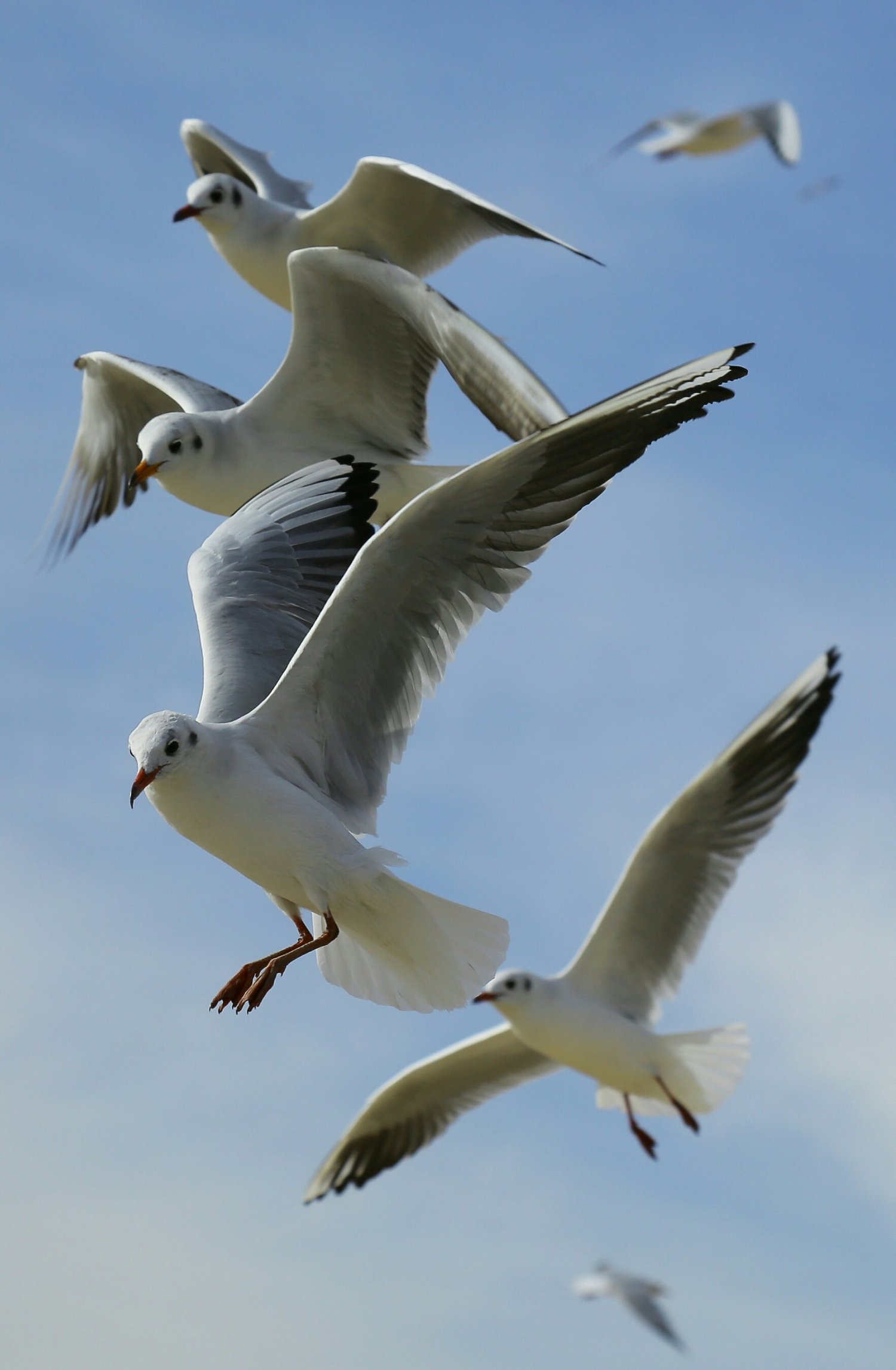
Credit: www.animatornotebook.com
Reasons For Diving In Front Of Cars
Birds diving in front of cars can seem strange and dangerous. Understanding why they do this helps us learn more about their behavior. Birds react to cars for several reasons. Their instincts and environment play big roles in this action.
Mistaking Cars For Predators
Birds sometimes see cars as threats. The fast movement and size remind them of predators. This triggers a defense reaction. They dive to protect themselves or their nests.
Territorial Defense
Many birds are very protective of their space. Cars passing close may seem like intruders. Birds dive to scare away what they think is a rival. This behavior keeps their territory safe.
Attraction To Reflections
Car windows and shiny surfaces reflect light and surroundings. Birds may think these reflections are other birds. This causes confusion and curiosity. They dive toward the reflections, trying to interact.
Distraction By Roadside Food
Roadsides often have food scraps or insects. Birds focus on finding food near cars. Their attention shifts away from the moving vehicle. This distraction can cause sudden diving in front of cars.
Impact On Birds And Drivers
The sudden dive of birds in front of cars affects both their safety and the reactions of drivers on the road. This behavior can create dangerous situations, risking harm not only to the birds but also to people behind the wheel. Understanding these impacts helps you stay alert and prepared while driving in areas where this happens frequently.
Risks To Bird Safety
Birds diving in front of cars often do so because of confusion or territorial instincts. These dives put them at high risk of collision, which can lead to serious injury or death. Birds flying low and fast may not notice approaching vehicles until it’s too late to avoid them.
Think about your morning commute near wooded areas or parks. You might see birds suddenly swoop down, trying to protect their nests or chase away perceived threats. Unfortunately, this behavior makes them vulnerable to fast-moving vehicles.
Driver Reactions And Accidents
Drivers facing unexpected bird dives often react instinctively. Many brake suddenly or swerve to avoid hitting the birds, which can lead to accidents or loss of control. Even a small distraction from a bird can cause significant consequences on busy roads.
Have you ever slammed on the brakes for a bird or small animal? That quick reaction might save the bird but could also put you or other drivers in danger. Staying calm and prepared for wildlife encounters is key to preventing accidents.
- Slow down in areas known for bird activity.
- Keep a safe distance from other vehicles to allow reaction time.
- Observe bird behavior patterns to anticipate sudden movements.
By being mindful of these risks and your reactions, you help protect both wildlife and everyone on the road.

Credit: www.youtube.com
Preventive Measures
Preventing birds from diving in front of cars protects both wildlife and drivers. Taking measures helps reduce accidents and saves lives. These actions work best when combined for greater effect. Simple steps can create safer roads and habitats for birds.
Roadside Habitat Management
Keeping roadsides clean reduces places where birds gather. Removing food scraps and trash stops birds from lingering near traffic. Planting native shrubs away from the road discourages birds from flying close to cars. Maintaining clear sightlines helps drivers see birds early.
Driver Awareness Tips
Drivers should stay alert in areas known for bird activity. Slowing down near wildlife crossing zones gives more reaction time. Watching for bird warning signs can prevent sudden stops or swerves. Using high beams at night helps spot animals on the road.
Use Of Bird Deterrents
Deterrents stop birds from settling near roads. Visual devices like reflective tape or predator decoys scare birds away. Sound machines emit noises that birds dislike. Installing barriers or nets near busy roads keeps birds at a safe distance.
Interesting Bird Diving Facts
Birds diving in front of cars might seem strange and dangerous. Yet, this behavior has roots in nature’s design. Birds dive for many reasons, often linked to survival and communication. These diving facts reveal how birds use this skill in daily life.
Diving Behaviors In Different Species
Different bird species dive in unique ways. Some dive from high in the sky to catch fish. Others dive close to the ground to avoid predators or threats.
- Peregrine falcons dive at speeds over 200 mph to catch prey.
- Kingfishers dive into water to catch small fish and insects.
- Swallows dive sharply to catch flying insects in mid-air.
- Some birds dive near cars to protect their nests or territory.
Bird diving styles vary by habitat and diet. Each species adapts its dive to fit its needs.
Evolutionary Advantages
Diving offers birds clear survival benefits. Quick dives help catch food before prey escapes. Sharp dives also help birds avoid predators fast.
Birds that dive near cars may see them as threats. Diving distracts or scares away potential danger. This behavior helps protect nests and young birds.
Over time, birds that dive skillfully have better chances to survive and reproduce. Diving is a natural defense and hunting tool shaped by evolution.
Credit: 48detailing.com
Frequently Asked Questions
Why Do Birds Dive In Front Of Cars Suddenly?
Birds dive in front of cars to escape perceived threats. They may confuse vehicles with predators or react to sudden movements. This behavior helps them avoid danger but can seem erratic to drivers.
Do Birds Intentionally Target Moving Cars?
No, birds do not intentionally target cars. Their diving is a defensive reaction to avoid harm. Cars appear as fast-moving objects, triggering instinctive escape behaviors in birds.
How Can Drivers Prevent Bird Collisions On Roads?
Drivers can reduce bird collisions by slowing down in bird-populated areas. Avoid sudden honking and use caution near wildlife zones. Being alert helps protect both birds and drivers.
Are Certain Bird Species More Prone To Diving In Traffic?
Yes, some species like swallows and pigeons dive more near roads. These birds often forage close to traffic, increasing the risk of sudden dives in front of cars.
Conclusion
Birds dive in front of cars mainly because of confusion and fear. They might see the vehicle as a threat or get startled by its movement. This behavior is natural but can be risky for both birds and drivers. Understanding why birds act this way helps us stay alert on the road.
Slowing down and watching carefully near bird habitats can prevent accidents. Nature and traffic often mix, so patience is important. Staying aware keeps everyone safer—birds and people alike.




