
Are you ready to capture stunning bird photos that truly stand out? Choosing the right Canon lens can make all the difference between blurry shots and sharp, vibrant images full of life.
But with so many options available, how do you know which lens is best for your bird photography? This guide will help you find the perfect lens to bring your feathered subjects into clear focus, so you can take your bird photography to the next level.
Keep reading, and discover the key to unlocking breathtaking bird images every time you shoot.
Top Canon Lenses For Birds
Choosing the right Canon lens for bird photography can dramatically improve your shots. Birds are fast, often distant, and require sharp focus combined with the right reach. Let’s look at some top Canon lenses that can help you capture stunning bird images, whether you prefer prime, zoom, or telephoto options.
Prime Lenses
Prime lenses offer superior sharpness and often better low-light performance. The Canon EF 400mm f/5.6L USM is a favorite among bird photographers who want crisp images without breaking the bank. Its fixed focal length pushes you to move around and find the best angle, which can actually improve your composition skills.
Another excellent prime lens is the Canon RF 600mm f/11 IS STM. It’s lightweight and affordable, making it perfect for long sessions in the field. Though the f/11 aperture might seem limiting, with good light, it delivers impressive detail and reach.
Zoom Lenses
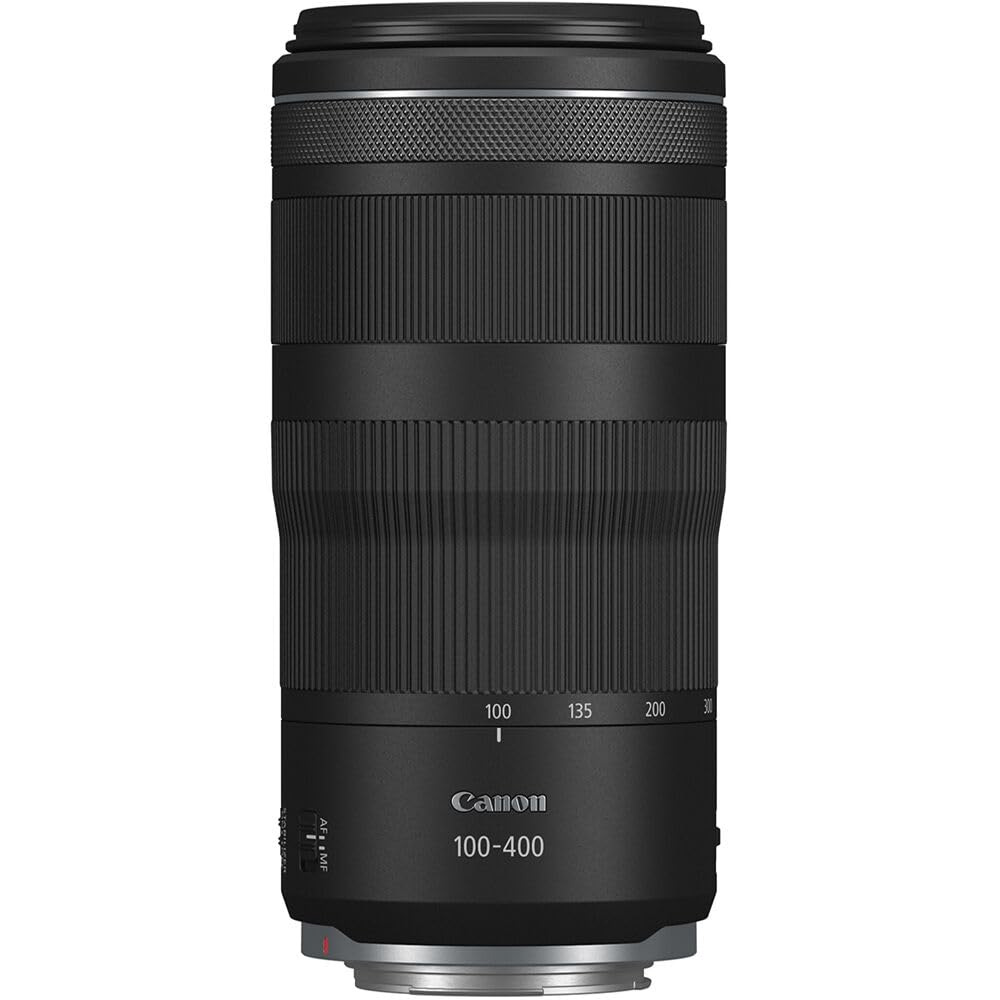
Zoom lenses give you flexibility to adjust focal length on the fly. The Canon EF 100-400mm f/4.5-5.6L IS II USM is widely praised for its versatility and sharpness. If you’re tracking fast-moving birds or working in varied environments, this lens lets you adapt quickly without changing gear.
For mirrorless shooters, the Canon RF 100-500mm f/4.5-7.1L IS USM stands out. It provides an extended zoom range and excellent image stabilization. This lens is a great balance between reach and portability, letting you capture birds in different habitats with ease.
Telephoto Lenses
Telephoto lenses are essential for capturing distant birds without disturbing them. The Canon EF 600mm f/4L IS III USM is a professional-grade lens that delivers incredible sharpness and fast autofocus. It’s a heavier investment but can make a huge difference if you’re serious about bird photography.
For those who want extreme reach, the Canon RF 800mm f/11 IS STM offers a unique lightweight option. Its fixed f/11 aperture limits low-light use but makes it highly portable for long hikes. Have you tried combining this lens with a sturdy tripod to maximize stability and sharpness?
Key Features To Consider
Choosing the right Canon lens for bird photography depends heavily on certain key features that impact your ability to capture sharp, detailed, and well-composed images. Understanding these features helps you match your lens to your specific needs in the field. Let’s look closely at the main aspects that can make or break your bird shots.
Focal Length
Focal length determines how close you can get to your subject without disturbing it. Longer focal lengths, such as 400mm or 600mm, let you shoot distant birds clearly, which is crucial for shy or small species.
Think about where you usually photograph birds. Do you stalk them in the woods or shoot from a fixed spot? This affects whether you need a super-telephoto lens or something more versatile. A lens like the Canon EF 100-400mm f/4.5-5.6L IS II USM offers flexibility for varying distances.
Aperture Size
A larger aperture (smaller f-number) allows more light into the lens, enabling faster shutter speeds—essential for freezing quick bird movements. An f/2.8 lens performs better in low light but tends to be heavier and more expensive.
Consider lenses like the Canon EF 400mm f/2.8L IS III USM if you often shoot during dawn or dusk. But if weight and budget matter more, an f/4 or f/5.6 lens might still deliver excellent results in good light.
Image Stabilization
Image stabilization (IS) helps reduce blur caused by hand shake, especially when shooting at long focal lengths. This feature becomes a lifesaver when you don’t have a tripod handy.
Some Canon lenses come with advanced IS systems that offer multiple stops of shake correction. For instance, the Canon EF 100-400mm f/4.5-5.6L IS II USM provides up to 4 stops of stabilization, which can dramatically improve sharpness in your photos.
Autofocus Speed
Birds move fast, and so should your lens’s autofocus. A quick and accurate autofocus system helps you lock onto your subject instantly, ensuring you don’t miss that perfect moment.
Canon’s USM (Ultrasonic Motor) lenses are known for fast and silent focusing. Lenses like the Canon EF 300mm f/2.8L IS II USM are favorites among bird photographers because they track moving subjects smoothly and quietly.
Lens Performance In Different Conditions
Choosing the right Canon lens affects your bird photography in many ways. Each lens performs differently based on lighting, speed, and distance. Understanding these differences helps capture stunning bird images in varied conditions.
Low Light
Birds often appear early morning or late evening. Low light challenges sharpness and focus. Lenses with wide apertures like f/2.8 or f/4 let in more light. This feature helps keep faster shutter speeds. Image stabilization also reduces blur from camera shake.
Canon lenses such as the EF 400mm f/2.8L or EF 300mm f/4L perform well in dim light. They maintain clarity and detail without increasing ISO too much. This keeps photos clean and noise-free.
Fast-moving Birds
Birds in flight require fast autofocus and quick shutter response. Lenses with fast and accurate autofocus improve tracking. Canon’s USM (Ultrasonic Motor) technology offers silent and precise focusing. This helps capture sharp images of birds in motion.
Telephoto lenses like Canon EF 100-400mm f/4.5-5.6L IS II USM excel here. They offer a good zoom range and fast focus. A high frame rate on your camera paired with these lenses increases success rate.
Long Distance Shots
Many birds stay far away or high in trees. Telephoto lenses with longer focal lengths bring subjects closer. Canon’s super-telephoto lenses like the EF 600mm f/4L IS III are ideal. They capture fine details from a great distance.
Using teleconverters can extend reach without losing much image quality. Balance weight and stability by using tripods or monopods with heavy lenses. This setup helps take clear, sharp photos even from afar.
Credit: www.livescience.com
Budget-friendly Options
Choosing the right lens for bird photography does not have to drain your wallet. Budget-friendly options can deliver impressive results without compromising quality. These lenses allow beginners and hobbyists to capture sharp, vibrant bird images while staying within a reasonable budget.
Many affordable lenses offer good zoom range and decent image stabilization. They are lightweight and easy to carry during long birdwatching trips. With some practice, these lenses can produce beautiful photos of birds in their natural habitat.
Affordable Lenses With Great Results
Several Canon lenses provide excellent value for bird photography without high costs. For example, the Canon EF-S 55-250mm f/4-5.6 IS STM lens is a popular choice. It offers effective image stabilization and sharp autofocus at a budget price.
The Canon EF 75-300mm f/4-5.6 III lens is another affordable option. It has a longer zoom range, which is useful for distant birds. Although it lacks image stabilization, it still produces clear images in good light.
- Canon EF-S 55-250mm f/4-5.6 IS STM
- Canon EF 75-300mm f/4-5.6 III
- Canon EF 70-300mm f/4-5.6 IS II USM (entry-level)
These lenses suit beginners and casual bird photographers. They balance cost with solid performance and ease of use.
Used And Refurbished Lens Choices
Buying used or refurbished Canon lenses can save significant money. Many lenses in the secondhand market remain in excellent condition. Certified refurbished lenses come with a warranty for added confidence.
Popular lenses for bird photography often appear used at lower prices. Check trusted sellers and camera stores that test and verify lens quality. Inspect lenses for scratches, dust, and smooth focus movement.
Used lenses allow access to higher-quality models with longer focal lengths. For example, a used Canon EF 100-400mm f/4.5-5.6L IS II USM lens might fit your budget better than new.
- Look for reputable sellers with return policies.
- Test autofocus and image stabilization before buying.
- Consider buying from Canon’s official refurbished store.
Used and refurbished lenses provide a smart way to get better optics without overspending. This option suits serious bird photographers on a budget.
Professional-level Lenses
Canon lenses with long focal lengths and fast autofocus deliver sharp, clear images of birds in flight. Telephoto lenses like the Canon EF 100-400mm are popular for capturing distant wildlife with detail and precision. These lenses offer excellent image quality and reliable performance for bird photography.
Professional-level lenses are the pinnacle of bird photography, offering unparalleled precision and quality. These lenses are designed to meet the demands of serious photographers, providing exceptional image clarity and focus speed. Investing in a professional-level lens can make a significant difference in capturing those elusive, fast-moving birds with breathtaking detail.High-end Features
Professional lenses boast high-end features that elevate your bird photography. Fast autofocus systems ensure you don’t miss a fleeting moment. Image stabilization is crucial for handheld shooting, reducing blur from camera shake. Moreover, these lenses often have larger apertures, allowing more light to hit the sensor. This is particularly beneficial in low-light environments, such as dawn or dusk bird watching. Imagine capturing a bird’s vibrant colors as it takes flight against the early morning sky.Durability And Weather Sealing
Durability is a key factor when you’re out in nature. Professional lenses are crafted with robust materials to withstand tough conditions. Whether you’re hiking through a rainforest or waiting by a windy seaside, these lenses are built to last. Weather sealing is another essential feature, protecting against dust, moisture, and even a bit of unexpected rain. This peace of mind allows you to focus on the art of photography, rather than worrying about your gear. Have you ever hesitated to shoot due to a light drizzle? With weather-sealed lenses, you can seize that perfect shot without a second thought.Accessories To Enhance Bird Photography
Accessories can make a huge difference in bird photography. They help you get sharper images, stay steady, and extend your lens capabilities. Having the right gear allows you to focus more on capturing the perfect moment rather than struggling with your equipment.
Teleconverters
Teleconverters increase your lens’s focal length without the need to buy a new lens. For example, a 1.4x teleconverter turns a 300mm lens into a 420mm lens, giving you more reach to photograph distant birds.
Keep in mind that teleconverters may reduce the amount of light entering the lens and can affect autofocus speed. Still, they are lightweight and cost-effective, making them a great choice if you want to extend your reach without carrying bulky gear.
Tripods And Monopods
Stability is key in bird photography. Tripods provide a strong base, helping you avoid blurry shots caused by camera shake, especially with long lenses. They are perfect for waiting patiently for birds to appear.
Monopods offer more mobility while still reducing camera shake. If you move around a lot or shoot in uneven terrain, a monopod can give you a good balance between stability and flexibility.
Camera Bodies Compatibility
Not all Canon lenses work perfectly with every camera body. Some lenses perform better on full-frame bodies, while others are designed for APS-C sensors. Knowing which lenses pair well with your camera body can improve autofocus speed and image quality.
Check your camera’s compatibility before investing in expensive lenses or accessories. The right combination ensures smooth operation and helps you capture sharper, more detailed photos of birds in action.
Tips For Choosing The Right Lens
Choosing a lens with a long focal length helps capture distant birds clearly. Look for lenses with fast autofocus to track quick movements easily. A lightweight lens makes it easier to carry during long bird-watching sessions.
When choosing the best Canon lens for bird photography, several factors play a crucial role. A good lens will enhance image quality and ease of use. Below are some essential tips to guide you in making the right choice.Assessing Your Photography Style
Understanding your photography style is essential. Do you prefer capturing birds in flight or perched? For action shots, a fast autofocus lens is vital. A lens with a long focal length is great for distant subjects. Consider your preferred shooting conditions. Low-light environments need a lens with a wide aperture. This ensures clear, bright images.Balancing Weight And Portability
Portability matters when photographing birds. Lightweight lenses are easier to carry during long shoots. They allow you to move quickly and capture fleeting moments. Heavy lenses can be cumbersome. Consider the weight if you plan to travel or hike. A lens that balances weight and quality will enhance your experience.Testing Lenses Before Purchase
Always test lenses before buying. Visit a camera store to try different models. Check the lens’ autofocus speed and image stabilization. Test its performance in various lighting conditions. This ensures you choose a lens that suits your needs. Ask about return policies. This provides flexibility if the lens doesn’t meet expectations.
Credit: www.youtube.com

Credit: suryatara.com
Frequently Asked Questions
What Canon Lens Is Ideal For Bird Photography Beginners?
The Canon EF 100-400mm f/4. 5-5. 6L IS II USM is perfect for beginners. It offers excellent reach, sharpness, and image stabilization, making it easier to capture birds in flight and distant subjects with clarity.
Which Canon Lens Offers The Best Zoom For Birding?
The Canon EF 200-400mm f/4L IS USM Extender 1. 4x provides exceptional zoom range. Its built-in extender increases focal length, allowing photographers to get closer to birds without sacrificing image quality.
Are Prime Or Zoom Canon Lenses Better For Bird Photography?
Zoom lenses offer flexibility in framing and distance changes, ideal for birding. Prime lenses deliver sharper images but lack versatility. For bird photography, zoom lenses like Canon’s 100-400mm are often preferred.
What Features Should I Look For In A Canon Bird Photography Lens?
Look for long focal lengths (300mm+), image stabilization, fast autofocus, and weather sealing. These features help capture sharp, clear bird images in various environments and lighting conditions.
Conclusion
Choosing the right Canon lens makes bird photography easier and more fun. Telephoto lenses help capture sharp, close-up shots from far away. Fast autofocus and image stabilization improve your chances of clear photos. Think about your budget and shooting style before deciding.
The best lens fits your needs and helps you enjoy the outdoors. Practice often, and watch your bird photos get better each time. Remember, patience matters as much as the gear you use. Happy shooting!




