
Are you ready to bring a splash of tropical beauty into your home? The Birds of Paradise plant is known for its stunning flowers and lush leaves, but it needs the right care to truly thrive.
You might wonder how to keep it healthy and vibrant all year round. In this guide, you’ll discover simple, effective tips that make caring for your Birds of Paradise easy and enjoyable. Stick with me, and you’ll soon see your plant flourish like never before!
Choosing The Right Spot
Choosing the right spot for your Birds of Paradise plant is key to its health and growth. This plant thrives in specific conditions that mimic its natural tropical habitat. Picking a place that meets its light, temperature, and humidity needs helps it grow strong and bloom beautifully.
Light Requirements
Birds of Paradise needs bright, indirect light. Direct sunlight can burn its leaves. A spot near a window with filtered light works best. It can handle some morning sun but avoid harsh afternoon rays. Too little light slows growth and reduces flowering.
Ideal Temperature
This plant prefers warm temperatures between 65°F and 75°F (18°C to 24°C). It does not like cold drafts or sudden temperature drops. Keep it away from air conditioners and heaters. Night temperatures should not fall below 50°F (10°C) to keep it healthy.
Humidity Needs
Birds of Paradise loves humidity. Aim for a humidity level above 50%. Dry air can cause leaf edges to brown. Use a humidifier or place a tray of water nearby. Misting the leaves occasionally also helps maintain moisture.
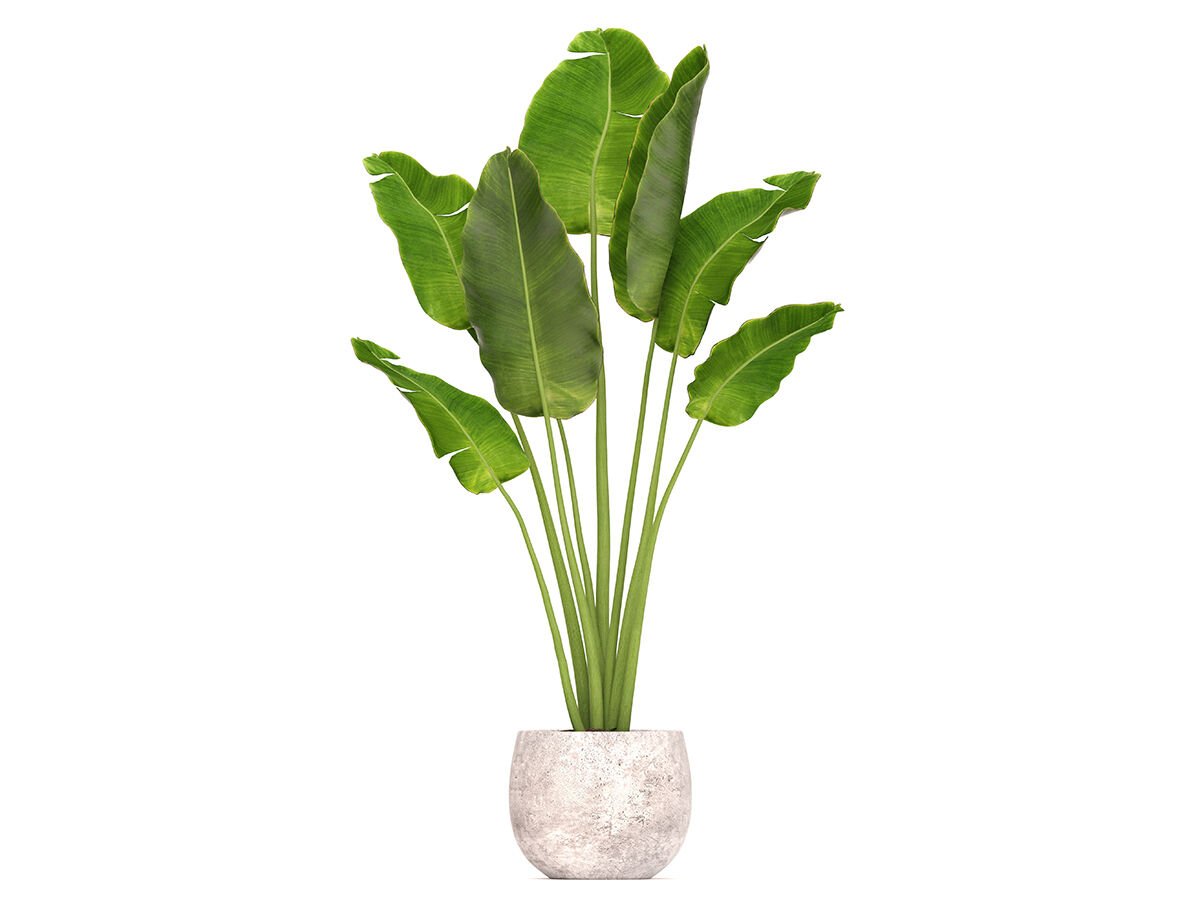
Credit: sandiegomagazine.com
Planting And Potting
Planting and potting are key to growing a healthy Birds of Paradise plant. This tropical beauty thrives with the right soil, pot, and care during repotting. Choosing the proper setup helps it grow strong and bloom beautifully.
Soil Type
Use well-draining soil that holds some moisture but does not stay soggy. A mix of potting soil, sand, and peat moss works well. This blend allows roots to breathe and prevents waterlogging. Avoid heavy clay soils that trap water and cause root rot.
Pot Selection
Select a pot with drainage holes to avoid water buildup. Terra cotta pots are ideal as they let moisture evaporate. Choose a pot slightly larger than the plant’s root ball. This gives room for growth without excess soil that stays wet.
Repotting Tips
Repot your Birds of Paradise every 2-3 years or when roots outgrow the pot. Do this in spring for best growth. Gently loosen the root ball and trim dead roots. Use fresh soil and a clean pot. Water well after repotting to help the plant settle in.
Watering Tips
Watering is key to keeping your Birds of Paradise healthy. These plants like moist soil but dislike sitting in water. Proper watering helps the roots grow strong and supports vibrant leaves and flowers. Pay attention to how often and how much you water for the best results.
Watering Frequency
Water the plant once a week during warm months. Reduce watering in winter to every two or three weeks. Always check the top inch of soil first. If it feels dry, it is time to water. Use room temperature water for best absorption.
Signs Of Overwatering
- Yellowing leaves
- Soft, mushy stems
- Soil that stays wet for days
- Foul smell from soil
- Leaf drop without reason
These signs mean roots may be rotting. Let soil dry out before watering again. Ensure the pot drains well to prevent water buildup.
Signs Of Underwatering
- Leaves curling or browning at edges
- Dry, crumbly soil
- Slow or no new growth
- Drooping leaves
These symptoms show the plant needs more water. Increase watering frequency slightly. Avoid letting the soil dry out completely.
Feeding And Fertilizing
Feeding and fertilizing your Birds of Paradise plant is key to keeping its vibrant colors and lush growth. Without proper nutrients, the plant may struggle to bloom or develop strong leaves. Understanding the right type of fertilizer and how often to feed your plant can make all the difference in its health and appearance.
Best Fertilizers
Choose a balanced fertilizer with a ratio like 10-10-10 or 20-20-20 for steady growth. These numbers represent nitrogen, phosphorus, and potassium, which support leaf development, root strength, and overall vitality.
For extra bloom power, switch to a fertilizer higher in phosphorus, such as 15-30-15, during the flowering season. Organic options like fish emulsion or seaweed extract also work well and provide natural nutrients.
Remember, too much fertilizer can harm the plant. I once overfed mine, and the leaves turned yellow and crispy. Less is often more, so start with a diluted solution and watch how your plant responds.
Feeding Schedule
Feed your Birds of Paradise every 2 to 4 weeks during the growing season, typically spring through early fall. This keeps the nutrients flowing when the plant is actively growing and producing flowers.
Cut back on feeding during winter when the plant’s growth slows down. Overfeeding in dormant months can stress your plant and lead to salt buildup in the soil.
Ask yourself: how does your plant react after feeding? If you notice rapid new growth and vibrant colors, you’re on the right track. If leaves yellow or growth stalls, adjust your feeding schedule or fertilizer strength.
Pruning And Maintenance
Pruning and maintenance keep your Birds of Paradise healthy and vibrant. Regular care helps the plant look its best and grow stronger. Proper trimming removes damaged parts and encourages new growth.
Trimming Dead Leaves
Remove dead or yellow leaves promptly. Use clean, sharp scissors or pruning shears. Cut the leaf stem close to the base of the plant. This prevents disease and keeps the plant neat. Check leaves weekly to spot any damage early.
Encouraging Growth
Prune lightly to shape the plant and boost growth. Cut back old or crowded stems to improve air flow. Trim just above a leaf node for new shoots to grow. Avoid cutting too much at once to prevent stress. Regular pruning helps the plant produce more flowers and leaves.
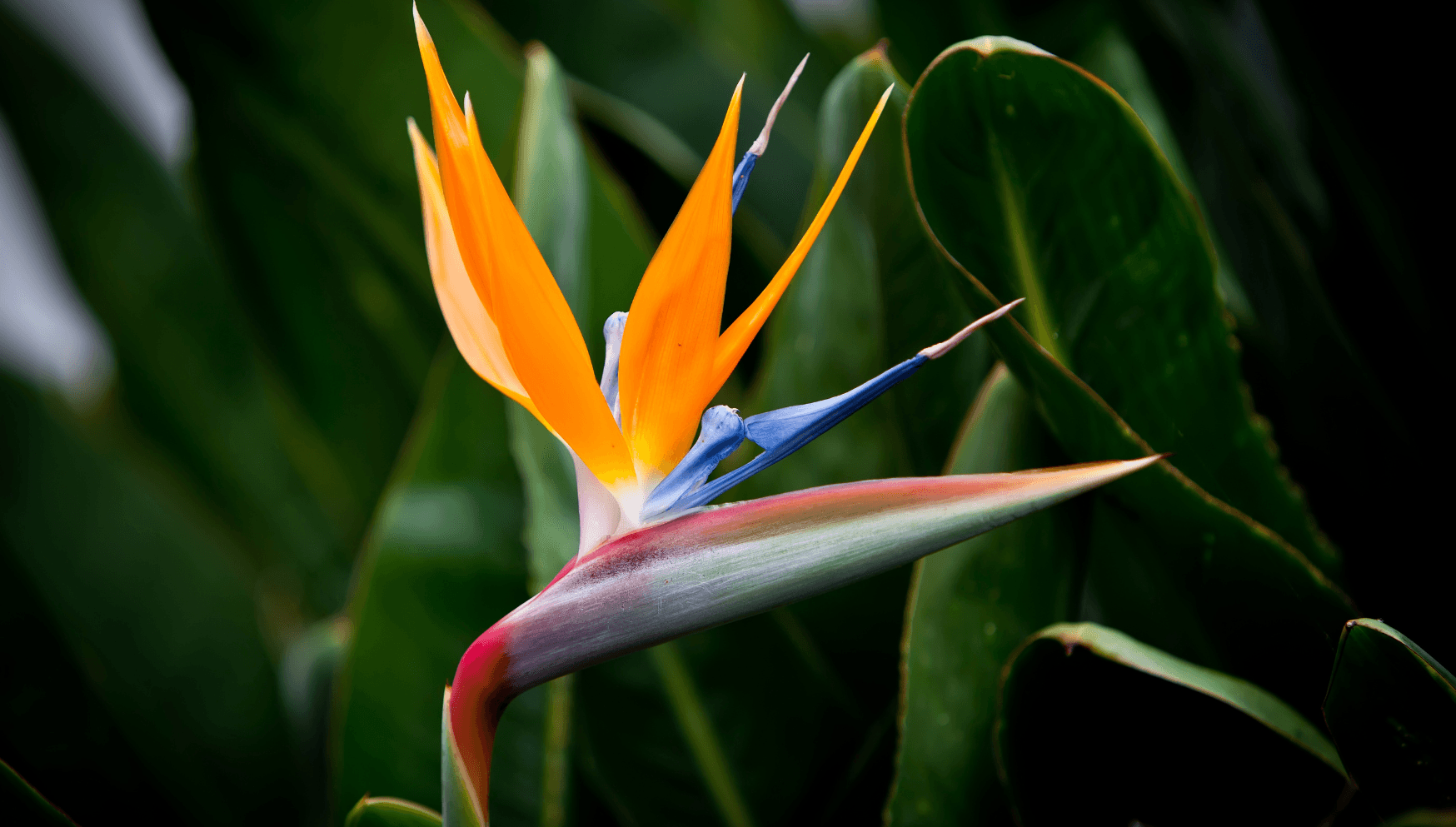
Credit: plnts.com
Pest And Disease Control
Pests like spider mites and aphids can harm Birds of Paradise plants. Regularly check leaves and use gentle insecticidal soap to keep bugs away. Removing damaged parts also helps stop disease spread.
Taking care of your Birds of Paradise plant involves more than just watering and sunlight; keeping pests and diseases at bay is crucial for its health. If you’ve ever noticed your plant looking a bit under the weather, pests or diseases could be the culprit. Understanding how to manage these challenges is key to ensuring your plant thrives.Common Pests
Birds of Paradise plants are prone to a few common pests. Spider mites, aphids, and mealybugs are the usual suspects that can wreak havoc on your plant. These pests are small but mighty, often hiding on the underside of leaves and sucking the sap, which weakens the plant. Have you ever found tiny webs or sticky residue on your plant? These are telltale signs of pest infestations. Regularly check your plant, especially during the warmer months when these pests are most active.Disease Prevention
Diseases in Birds of Paradise often stem from overwatering or poor drainage. Root rot is a common issue caused by waterlogged soil, while fungal infections can spread if the plant remains too wet. Ensure your pot has adequate drainage holes and use well-draining soil to prevent water from pooling. Water your plant only when the top inch of soil is dry to the touch. Think about the last time you overwatered a plant—did it bounce back or suffer? Learning from past experiences can help you avoid similar mistakes with your Birds of Paradise.Natural Remedies
If you prefer natural methods, there are several remedies to control pests and diseases without harsh chemicals. Neem oil is a popular choice, effective against a range of pests and safe for indoor use. Mix a few drops with water and spray it on the affected areas. Another effective method is using a mixture of dish soap and water to wash away pests. Have you ever tried using essential oils as a pest deterrent? Peppermint and eucalyptus oils can also help repel certain insects. Just remember, consistency is key—regular application is needed to keep your plant healthy. By understanding and addressing these issues, you can enjoy a thriving Birds of Paradise plant that enhances the beauty of your home. So, next time you notice something amiss, you’ll know just what to do.Propagation Methods
Propagation helps you grow new Birds of Paradise plants from existing ones. It lets you expand your collection or share plants with friends. Two common propagation methods are division and seed propagation. Each method has unique steps and benefits. Choose the right one based on your time and resources.
Division Technique
Division is the easiest way to propagate Birds of Paradise. It involves separating a mature plant into smaller sections. Each section should have roots and leaves for best results.
- Remove the plant from its pot or ground carefully.
- Gently shake off excess soil to see the roots clearly.
- Use a clean, sharp knife to divide the root clump.
- Make sure each division has several healthy roots and leaves.
- Plant each division in fresh, well-draining soil.
- Water the new plants lightly and keep them in shade.
This method produces faster growth since the new plants already have established roots.
Seed Propagation
Growing Birds of Paradise from seeds takes patience. Seeds need warmth and moisture to sprout. This method is perfect for beginners who want to try growing from scratch.
- Soak seeds in warm water for 24 to 48 hours to soften the shell.
- Scarify seeds by gently nicking the outer shell with a knife or sandpaper.
- Plant seeds about 1 inch deep in a seed-starting mix.
- Keep the soil moist but not soggy.
- Place the pot in a warm, bright spot with indirect sunlight.
- Germination can take from one to three months.
Seeds grow slowly but allow for new plant varieties. Patience is key with this method.
Seasonal Care Tips
Seasonal care plays a big role in keeping your Birds of Paradise plant healthy. Each season brings different needs for water, light, and temperature. Adjusting care routines helps the plant grow strong and bloom beautifully.
Watch the plant closely as seasons change. Small changes in care can make a big difference in its health.
Winter Care
- Keep the plant in a warm spot above 50°F (10°C).
- Reduce watering to once every two weeks; soil should dry out slightly.
- Provide bright, indirect light; avoid cold drafts.
- Humidity drops in winter; mist leaves or use a humidifier.
- Stop fertilizing during the cold months to prevent stress.
Summer Adjustments
- Increase watering to keep the soil moist but not soggy.
- Place the plant where it gets plenty of bright light or some direct sun.
- Feed with a balanced fertilizer every 2–3 weeks for growth.
- Check for pests like spider mites or aphids; treat early.
- Trim dead leaves to encourage new growth and improve airflow.
Troubleshooting Common Issues
Birds of Paradise plants can face several common issues. Understanding these issues helps keep your plant healthy and vibrant. Below, we explore some of these problems and how to address them.
Yellow Leaves
Yellow leaves often signal overwatering or poor drainage. Check the soil moisture. It should be dry before watering again. Ensure the pot has drainage holes. If not, repot into one that does. Remove any standing water in the saucer. Yellow leaves can also mean nutrient deficiency. Consider using a balanced liquid fertilizer monthly. Follow the instructions on the package for best results.
Slow Growth
Slow growth can be due to insufficient light. Birds of Paradise need bright, indirect sunlight. Move the plant closer to a light source if needed. Avoid direct sun as it can scorch the leaves. Temperature stress can also slow growth. Keep the plant in a warm spot, ideally between 65-75°F (18-24°C). Check for pests like spider mites or aphids, which can stunt growth. Treat with neem oil or insecticidal soap if you see pests.
Wilting
Wilting is a sign of either too much or too little water. First, check the soil moisture. If it’s dry, water the plant thoroughly. If it’s wet, allow it to dry out before watering again. Poor drainage can also cause wilting. Ensure the pot allows excess water to escape. Reevaluate your watering schedule. Birds of Paradise prefer consistent but moderate watering.

Credit: deplantrekkers.com
Frequently Asked Questions
How Often Should I Water A Birds Of Paradise Plant?
Water your Birds of Paradise once a week in spring and summer. Reduce watering in fall and winter. Keep soil moist but not soggy for healthy growth.
What Light Conditions Suit Birds Of Paradise Best?
Birds of Paradise thrives in bright, indirect sunlight. It can tolerate some direct sun but avoid harsh afternoon rays. Insufficient light slows growth and reduces flowering.
How Do I Fertilize My Birds Of Paradise Plant?
Use a balanced, water-soluble fertilizer every 2-3 weeks during growing season. Stop fertilizing in winter. Proper feeding promotes vibrant leaves and blooming flowers.
Can Birds Of Paradise Grow Indoors Successfully?
Yes, Birds of Paradise grows well indoors with bright light and humidity. Place near a sunny window and mist leaves regularly to mimic natural conditions.
Conclusion
Caring for your Birds of Paradise plant is simple and rewarding. Give it bright light and water it just right. Watch for signs of pests or dryness often. Trim old leaves to keep it healthy and neat. With patience and care, your plant will grow strong and beautiful.
Enjoy the unique flowers and lush leaves it brings to your space. This plant adds life and color to any room. Keep these tips in mind to help your plant thrive every day.




