
Have you ever wanted to bring more birds into your garden or backyard? Making your own bird feeders is a simple and rewarding way to do just that.
Imagine watching colorful birds visit daily, filling your space with life and cheer. In this guide, you’ll discover easy steps to create bird feeders using materials you probably already have. Whether you’re a beginner or looking for new ideas, you’ll find tips that make the process fun and satisfying.
Keep reading, and soon you’ll have a lively bird haven right outside your window.
Choosing The Right Materials
Choosing the right materials for your bird feeder is key to attracting the birds you want and ensuring your feeder lasts through all seasons. The materials you select affect not only the appearance but also the safety and durability of the feeder. Let’s look at some great options that you can find easily and work with comfortably.
Recycled Household Items
You might be surprised how many common household items can turn into bird feeders with just a little creativity. Old teacups, empty plastic bottles, and even tin cans make excellent bases. These items save money and reduce waste, plus they often come with handy shapes ready to hold seeds.
Think about an empty milk carton—cut a hole, add a perch, and you have a simple feeder. Or try hanging a used jar with some twine for a rustic look. Have you checked your recycling bin lately for potential feeder parts?
Natural And Eco-friendly Options
Materials like wood, bamboo, and coconut shells blend beautifully into outdoor spaces and are safe for birds. Untreated wood is especially good because it doesn’t release harmful chemicals. You can find small wooden crates or scraps that make sturdy feeders.
Coconut shells offer a natural cup shape that’s perfect for holding seeds or suet. Bamboo tubes also work well as they are hollow and lightweight. Choosing these materials shows you care about the environment and your feathered visitors.
Tools You’ll Need
Gathering the right tools will make building your bird feeder easier and safer. Basic tools include a sharp utility knife, scissors, and a drill for making holes. You’ll also want some sandpaper to smooth rough edges, especially if you use wood or plastic.
Don’t forget a strong adhesive or waterproof glue to hold parts together securely. If you plan to hang your feeder, sturdy string or wire is essential. Having these tools ready means you can focus on creativity without interruptions.

Credit: www.firefliesandmudpies.com
Simple Feeder Designs
Simple feeder designs make bird feeding easy and fun. They use common items found at home. These feeders attract many types of birds. Building them does not require special tools or skills. You can enjoy watching birds up close by making these feeders.
Jar Feeders
Jar feeders need a clean glass jar and a wooden base. Attach a small platform under the jar’s opening. Fill the jar with birdseed and screw the lid on. Hang the jar upside down so seeds fall onto the platform. Birds perch on the base and eat the seeds easily.
Bottle Feeders
Plastic bottles make great feeders with minimal effort. Cut small holes near the bottle’s bottom. Insert wooden spoons or sticks through the holes. Fill the bottle with seeds or nectar. The sticks act as perches and seed holders. Hang the bottle from a tree branch or hook.
Cup Feeders
Old cups or mugs can turn into charming feeders. Drill holes in the cup’s side for drainage. Tie a strong string to the handle for hanging. Fill the cup with birdseed or water. The cup shape helps keep the seeds dry. It also makes a perfect perch for small birds.
Creative Feeder Ideas
Creative bird feeders bring a touch of personality to your garden while inviting feathered friends closer. These unique designs often use everyday items, turning simple materials into charming feeding stations. They’re not just functional; they add character and encourage you to observe nature in a new way.
Pinecone Feeders
Pinecone feeders are easy to make and perfect if you want a natural look. Start by spreading peanut butter over a clean pinecone, then roll it in birdseed. Hang it from a tree branch with string, and watch as birds flock to your homemade snack.
Have you noticed how birds are particularly attracted to the smell of peanut butter? It’s a simple trick that keeps them coming back. Plus, pinecones are biodegradable, making this feeder eco-friendly.
Teacup Feeders
Old teacups can become delightful bird feeders with minimal effort. Secure a teacup to a saucer using waterproof glue or wire, then fill it with seeds. Hang it by attaching sturdy twine or place it on a stable outdoor surface.
This idea adds a vintage charm to your birdwatching space. It’s also a great way to reuse chipped or mismatched cups that might otherwise be discarded. Have you ever thought about how small details like this can change the feel of your garden?
Fruit Feeders
Fruit feeders invite a variety of birds, especially those that prefer softer foods. Slice oranges, apples, or melons in half, scoop out some of the flesh, and fill the hollow with seeds or suet. Use string or wire to hang the fruit from a tree branch.
Birds such as orioles and woodpeckers love these fresh treats. It’s a colorful addition that also nourishes different species. What types of birds visit your garden when you switch up their menu like this?
Attracting Different Bird Species
Attracting a variety of bird species to your feeder requires attention to their unique habits and tastes. Different birds prefer different seeds and feeder locations. Adjusting these factors helps invite diverse feathered friends to your garden.
Seed Preferences
Bird species have clear seed favorites. Offer a mix to attract more birds. Black oil sunflower seeds suit many types. Finches like nyjer seeds. Peanuts attract woodpeckers and jays. Avoid cheap seed mixes full of fillers. Clean, fresh seeds ensure happy visitors.
Placement Tips
Choose feeder spots with safety and visibility. Place feeders near trees or shrubs for quick shelter. Keep feeders away from windows to prevent collisions. Hang feeders at different heights to welcome various birds. Avoid areas with heavy foot traffic or pets nearby.
Seasonal Considerations
Bird needs change with seasons. In winter, high-energy foods like suet help birds stay warm. Spring and summer bring insects, so lighter seeds work well. Clean feeders regularly to prevent disease. Adjust seed types and feeder locations to suit the season.
Maintaining And Cleaning Feeders
Maintaining and cleaning bird feeders is essential for healthy birds and a lasting feeder. Dirty feeders can harm birds by spreading disease. Clean feeders attract more birds and keep the feeding area safe.
Regular Cleaning Schedule
Clean feeders every two weeks in normal weather. During wet or humid weather, clean weekly. Remove old seeds and debris before adding new food. Use warm, soapy water and a brush to scrub the feeder. Rinse well to remove soap residue. Let the feeder dry completely before refilling.
Preventing Mold And Disease
Mold grows fast on wet seeds. Wet or clumped seeds should be discarded. Avoid overfilling feeders to keep food dry. Use feeders with good ventilation and drainage holes. Regular cleaning stops bacteria and viruses from spreading. Wear gloves and wash hands after cleaning feeders to protect yourself.
Storage Tips
Store feeders in a dry, cool place when not in use. Keep feeders away from direct sunlight to avoid damage. Clean feeders before storage to remove dirt and pests. Check feeders for cracks or damage before storing. Proper storage keeps feeders ready for the next use and helps them last longer.

Credit: www.willyswilderness.org
Safety Tips For Bird Feeding
Create bird feeders using safe materials like untreated wood or recycled plastic bottles. Ensure they are sturdy and free of sharp edges to protect birds. Keep feeders clean to prevent the spread of diseases.
Feeding birds can be a delightful way to connect with nature and support local wildlife. However, it’s essential to consider the safety of our feathered friends while doing so. By implementing a few thoughtful practices, you can create a safe and welcoming environment for birds.Avoiding Predators
Bird feeders can sometimes attract unwanted guests, like cats or larger birds of prey. Position your feeders in areas that are challenging for predators to reach. Consider placing them at least ten feet from bushes or other hiding spots where predators might lurk. You might also use baffles or similar devices on poles to deter climbing predators. Regularly check for signs of predators in the area, such as feathers or tracks, and adjust feeder placement if needed.Safe Feeding Practices
The type of food you provide is just as important as its location. Stick to seeds and suet that are safe and nutritious for birds. Avoid offering bread or human snacks, as they can be harmful to birds’ health. Keep feeders clean to prevent the spread of disease. Use a mild soap solution and rinse thoroughly. A regular cleaning schedule, such as once every two weeks, can make a big difference in maintaining a healthy feeding environment.Protecting Birds From Hazards
Birds face numerous hazards, from window collisions to toxic substances. To prevent window strikes, place feeders either very close (less than three feet) or at least 30 feet away from windows. You can also use decals or films on windows to make them more visible to birds. Ensure that your feeder area is free from hazardous materials. Check for sharp edges, loose strings, or anything else that could potentially harm birds. By being proactive, you can create a safe haven that encourages birds to visit often. What additional steps can you take to ensure the safety of your feathered guests? Your attention to detail can make a significant impact on their well-being.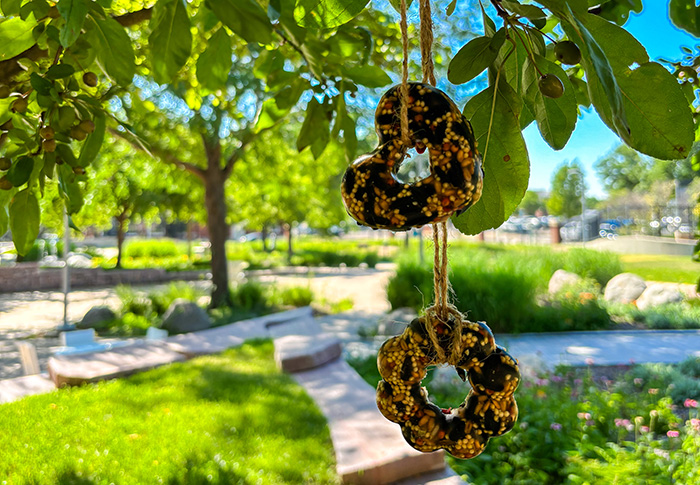
Credit: prairieplay.org
Frequently Asked Questions
What Materials Do I Need To Make A Bird Feeder?
You need basic materials like wood, nails, glue, and string. Optional items include paint and birdseed. Recycled materials like plastic bottles also work well for DIY feeders.
How Do I Choose The Best Location For A Bird Feeder?
Place feeders where birds feel safe, ideally near trees or shrubs. Avoid direct sunlight and windy spots. Ensure the area is visible for easy bird watching.
What Type Of Birdseed Attracts The Most Birds?
Black oil sunflower seeds attract a wide variety of birds. Nyjer seeds are best for finches. Avoid cheap, filler seeds as birds often discard them.
How Often Should I Clean My Bird Feeder?
Clean feeders every two weeks to prevent mold and disease. Use warm water and mild soap. Rinse thoroughly and dry completely before refilling.
Conclusion
Making bird feeders brings joy and helps nature. You can use simple materials found at home. Watching birds visit your feeder is very rewarding. It also teaches patience and care for animals. Try different designs to see which birds come.
Keep feeders clean to keep birds healthy. Small efforts make big differences in your garden. Start today and enjoy the peaceful bird songs. Nature feels closer when you feed the birds.




