
Have you ever felt trapped, like your true voice is locked away? “How Does the Caged Bird Sings” explores the powerful story behind those feelings.
This topic will open your eyes to the struggles and hopes hidden beneath silence. By the end of this article, you’ll understand why the caged bird’s song matters to you—and to everyone searching for freedom. Keep reading, because your perspective is about to change.
Caged Bird Symbolism
The symbol of the caged bird carries deep meaning in literature and culture. It often represents confinement, lost freedom, and the struggle to break free. The caged bird’s song contrasts its physical limitations with its inner desire for liberty and hope. This symbol speaks to many who face barriers but still dream of a better life.
Historical Context
The caged bird symbol has roots in history linked to slavery and oppression. It reflects the pain of those trapped by societal rules or injustice. During times of racial segregation, the caged bird became a powerful image of African American struggles. It showed how people yearned for freedom despite harsh conditions.
In many cultures, birds symbolize freedom and spirit. Putting a bird in a cage turns that symbol into one of control and loss. This contrast highlights the harsh realities some face. The caged bird’s song is a voice for those silenced by history.
Literary Significance
In literature, the caged bird often represents personal and social limits. Writers use this image to show characters’ inner conflicts and hopes. The bird’s song can symbolize resilience and the will to survive. It reminds readers of the strength found in hope.
Poets and authors use the caged bird to explore themes like freedom, oppression, and identity. The symbol invites readers to think about their own barriers. It inspires reflection on what freedom truly means in life and society.

Credit: books.apple.com
Themes Of Freedom
The theme of freedom is central in How Does the Caged Bird Sings. It explores the struggle between confinement and the desire to break free. Freedom appears not only as a physical state but also as a deep psychological need.
The story contrasts the visible limits placed on the characters with the invisible chains they carry in their minds. This dual nature of freedom raises important questions about what it truly means to be free.
Physical Vs. Psychological Freedom
Physical freedom means having control over one’s body and surroundings. It includes the ability to move, speak, and act without restriction. Many characters face physical barriers that limit their actions.
Psychological freedom refers to mental and emotional independence. It involves the power to think, dream, and feel without fear or oppression. Even when physical freedom is denied, some characters find strength in their minds.
- Physical freedom is often easier to see and measure.
- Psychological freedom can be hidden but just as powerful.
- Both types of freedom are essential for true liberation.
Barriers To Liberation
The barriers to freedom go beyond physical walls and fences. Social expectations, fear, and past trauma can trap the mind. These obstacles can be harder to break than physical chains.
Some characters face discrimination and poverty, which block their path to freedom. Others struggle with self-doubt or guilt that holds them back. These forces create a complex web that limits their choices.
| Type of Barrier | Examples |
|---|---|
| Physical | Imprisonment, segregation, poverty |
| Psychological | Fear, trauma, low self-esteem |
| Social | Racism, sexism, cultural norms |
Expressions Of Hope
The theme of hope in How Does the Caged Bird Singsis not just a gentle whisper but a powerful force that drives the story forward. Hope appears even in the darkest moments, offering a way out and a reason to keep moving. It reveals itself through the characters’ actions and their inner strength, making you wonder how much hope can sustain a person under pressure.
Resilience In Adversity
Resilience shows how hope survives despite harsh conditions. The characters face challenges that would break many, but their ability to bounce back highlights the human spirit’s strength.
Think about a time when you felt trapped by circumstances. What kept you going? In the story, hope acts like an invisible shield that helps characters endure pain and injustice.
Some practical ways to build resilience include:
- Focusing on small victories each day
- Keeping a clear sense of purpose or goal
- Connecting with supportive people who encourage you
Voice As A Tool For Hope
Voice in the novel is more than just sound; it is an expression of identity and hope. Speaking out becomes a way to claim freedom and assert dignity.
Have you ever found strength in sharing your story or speaking your truth? The caged bird’s song symbolizes this powerful act of using voice to survive and inspire change.
Here’s how you can use your voice to foster hope:
- Express your feelings openly, even when it’s difficult
- Advocate for yourself and others in small or big ways
- Use writing, art, or conversation to share your experiences
Hope isn’t just waiting for change; it’s actively created through resilience and the courage to speak up. What steps will you take today to keep hope alive in your life?
Narrative Techniques
Maya Angelou uses vivid imagery and symbolism to express the struggles of freedom and hope. The poem’s simple language and strong emotions connect deeply with readers. Repetition emphasizes the contrast between captivity and the desire to sing freely.
Narrative techniques bring depth to literature. They shape stories and engage readers. In “How Does the Caged Bird Sings,” such techniques are vivid. They transport readers into the world of the protagonist. Let’s explore some key narrative techniques.Imagery And Metaphor
Imagery paints pictures in the reader’s mind. The author uses vivid descriptions. These descriptions involve the senses. You can hear, see, and feel the world of the caged bird. Metaphors add layers of meaning. The caged bird is a powerful metaphor. It symbolizes confinement and longing. This metaphor resonates with readers. It evokes empathy and understanding.Tone And Mood
Tone sets the story’s voice. It reflects the author’s attitude. In this narrative, the tone is often reflective. It carries a mix of hope and sadness. The mood influences how readers feel. A somber mood echoes the bird’s plight. Yet, there’s also a feeling of resilience. This balance keeps readers engaged. It allows them to connect deeply with the story.Impact On Readers
The impact of How Does the Caged Bird Singson readers runs deep. This powerful story touches hearts and minds alike. It invites readers into a world of struggle and hope. The narrative creates a lasting impression that stays long after reading.
Readers often find themselves reflecting on the themes of freedom, identity, and resilience. The vivid emotions and real-life challenges make the story relatable. This connection encourages empathy and understanding across different backgrounds.
Emotional Connection
The story builds a strong emotional bond with readers. Characters face tough situations that many recognize. Their pain, joy, and courage feel personal and real.
- Readers experience the characters’ fears and hopes.
- It reveals the pain of feeling trapped or misunderstood.
- Moments of triumph bring a sense of relief and joy.
This emotional journey helps readers see the world through new eyes. It makes them care deeply about the characters and their struggles.
Inspiration And Empowerment
The story inspires readers to face their own challenges bravely. It shows that strength often comes from difficult times. Readers learn that hope and perseverance can lead to change.
- Encourages belief in personal growth despite obstacles.
- Demonstrates how courage can break invisible chains.
- Empowers readers to find their own voice and freedom.
Many feel motivated to take control of their lives. The story lights a spark of courage and self-belief.
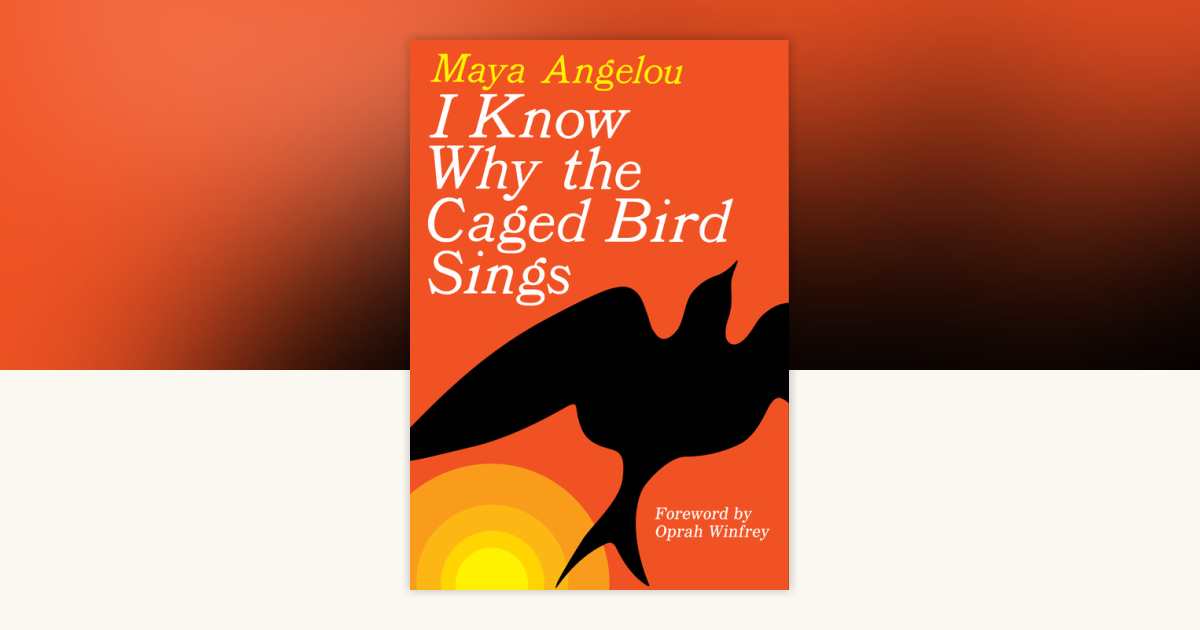
Credit: www.penguinrandomhouse.com
Contemporary Relevance
The themes in How Does the Caged Bird Singsremain deeply relevant today. The struggle for freedom and identity continues to resonate across different societies. Understanding this relevance helps you see how past voices inspire current movements and personal journeys.
Freedom Movements Today
Many freedom movements around the world echo the emotions and challenges described in the book. From racial justice campaigns to fights for gender equality, the quest for liberation is ongoing.
You might notice how activists use art, poetry, and storytelling to share their message—just like the caged bird’s song. These creative expressions make complex struggles more relatable and urgent.
Have you ever thought about how your own voice contributes to change? Speaking out, even in small ways, builds the collective strength that movements need.
Hope In Modern Struggles
Hope drives people to keep pushing forward despite obstacles. The book shows that even in confinement, the bird’s song carries a powerful message of resilience.
Today, this hope fuels communities facing oppression, reminding them they are not alone. Stories of survival and resistance give you a sense of connection and encouragement.
Consider how hope shapes your response to challenges. Can it transform your perspective and actions? Holding onto hope can be the key to unlocking your own freedom.

Credit: www.amazon.com
Frequently Asked Questions
What Is The Main Theme Of “how Does The Caged Bird Sings”?
The main theme is the contrast between freedom and oppression. It explores the struggle for liberation and hope despite confinement.
Who Is The Author Of “how Does The Caged Bird Sings”?
The poem “Caged Bird” is written by Maya Angelou. She uses vivid imagery to depict freedom and captivity.
What Does The Caged Bird Symbolize In The Poem?
The caged bird symbolizes oppressed individuals or groups yearning for freedom. It represents resilience and the human spirit’s strength.
How Does The Poem Highlight The Difference Between Caged And Free Birds?
The poem contrasts the free bird’s joyful flight with the caged bird’s restricted life, emphasizing loss and hope.
Conclusion
The caged bird’s song shows hope and strength inside struggle. It teaches us about freedom and pain in simple ways. We feel the bird’s fight and its wish to be free. This story stays with us, making us think deeply.
Remembering the caged bird helps us value our own freedom more. It speaks to all who face tough times but still dream. The song never ends; it calls us to listen and learn.




