
Have you ever wished for a clear, bird’s eye view of your car while parking or driving through tight spots? That’s exactly what a Birds Eye Car Camera offers.
It helps you see every angle around your vehicle, making your drives safer and stress-free. But how does this clever system actually work to give you that perfect, all-around vision? Keep reading, and you’ll discover the simple technology behind it—and why it could change the way you drive forever.
Birds Eye Car Camera Basics
Birds eye car cameras provide a clear view of the vehicle’s surroundings. This technology helps drivers park and navigate tight spaces safely. It combines images from multiple cameras to create a single, top-down view. Understanding the basics reveals how these cameras work and why they are useful.
What Is A Birds Eye Camera
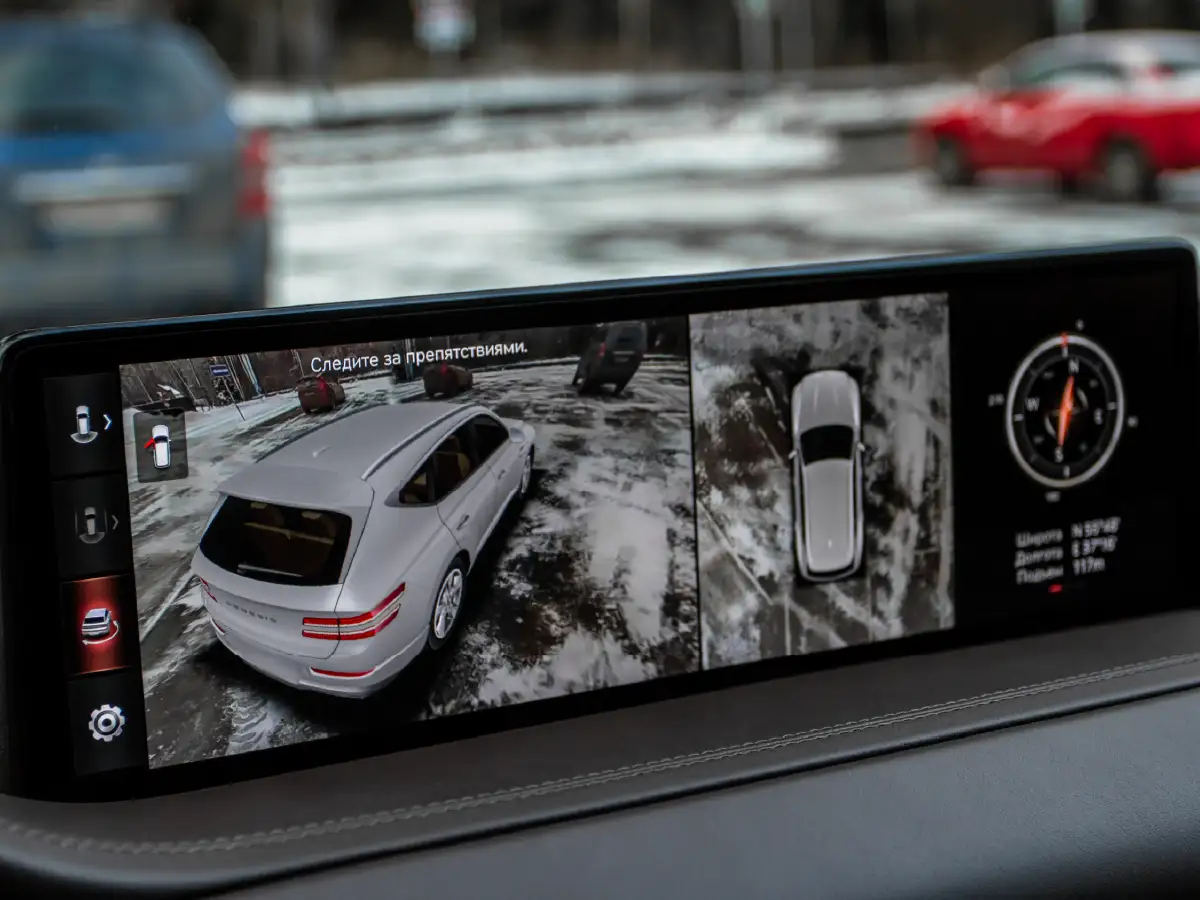
A birds eye camera shows a 360-degree view around a car. It simulates looking down from above the vehicle. This view helps spot obstacles that are hard to see. The system uses several small cameras placed around the car. These cameras work together to create a full image.
Key Components
- Cameras:Usually four, placed at front, rear, and sides.
- Image Processor:Combines images into one seamless view.
- Display Screen:Shows the combined birds eye view to the driver.
- Sensors:Some systems include sensors to detect nearby objects.
How It Captures Surroundings
Each camera captures a wide-angle image of its area. The processor stitches these images together in real time. It corrects distortions so the view looks natural. The final image shows the car as if seen from above. This helps drivers understand distances and positions clearly.
Technology Behind Birds Eye View
The technology behind Birds Eye View cameras is a blend of smart hardware and clever software working together to give you a seamless, 360-degree view around your vehicle. This system helps eliminate blind spots and makes parking or navigating tight spaces much easier. Let’s break down how this impressive technology actually works.
Multiple Camera Integration
Birds Eye systems use several cameras placed strategically around your car—usually at the front, rear, and sides. Each camera captures a specific angle, covering areas that you can’t normally see from the driver’s seat.
These cameras are often wide-angle or fisheye to maximize the field of view. The key is how they all connect and communicate with the central processing unit to provide a full picture.
Image Stitching Techniques
Once the cameras capture their images, the system uses image stitching to combine them into one continuous, bird’s eye view. This process involves aligning overlapping edges so that the final image looks smooth and natural without visible seams.
Advanced algorithms correct distortions caused by wide-angle lenses and adjust brightness and color to keep the view consistent. Have you ever noticed how some camera views seem warped? Image stitching fixes that, making the image easier to understand.
Real-time Processing
To be useful, the stitched image has to update instantly as your car moves. This is where real-time processing comes in. The system rapidly processes video feeds to show live changes without lag.
This speed is critical when parking or maneuvering in tight spots, as delayed images could cause accidents. The processor also filters out noise and enhances image clarity so you get a sharp, reliable view every time you look at the screen.
Installation And Setup
Installing and setting up a Birds Eye car camera requires attention to detail. Proper installation ensures clear views around your vehicle. The setup process helps align the camera system for accurate imaging. Follow these tips for smooth installation and setup.
Camera Placement Tips
Place cameras where they capture wide views around the car. Common spots include the front grille, side mirrors, and rear bumper. Avoid areas blocked by car parts or dirt buildup. Mount cameras at a height that shows the ground near the vehicle. Secure cameras firmly to prevent movement during driving.
Calibration Process
Calibration aligns the camera images into one seamless view. Park your car on a flat surface for best results. Some systems require you to drive slowly in a straight line. Others use special patterns or markers for calibration. Follow the manufacturer’s instructions carefully. Proper calibration improves distance judgment and object detection.
Common Challenges
Installation may face issues like wiring difficulties or poor camera angles. Weather conditions can affect camera lens clarity. Dirt, rain, or snow may blur images. Calibration may fail if the vehicle is on a slope or uneven ground. Regular maintenance helps avoid these problems and keeps the system reliable.

Credit: www.man.eu
Enhancing Safety With Birds Eye Cameras
Birds Eye cameras boost vehicle safety by giving drivers a clear view around their car. These cameras create a full, top-down image of the surroundings. This wide view helps drivers avoid accidents and make safer decisions on the road.
Such cameras use multiple lenses placed around the vehicle. The system stitches these views into one seamless image. This technology enhances awareness and reduces blind spots.
Blind Spot Elimination
Blind spots cause many accidents. Birds Eye cameras remove these hidden areas. Drivers see every angle around the vehicle. This reduces the risk of side collisions. The system alerts the driver if another vehicle enters the blind spot.
Parking Assistance
Parking can be tricky in tight spaces. Birds Eye cameras show the full area around the car. This helps drivers park with precision. The camera view guides the driver to avoid hitting obstacles. It saves time and prevents damage.
Collision Prevention
The camera system detects objects near the vehicle. It warns drivers about possible collisions. This gives time to stop or steer away safely. The technology helps avoid accidents in busy traffic or narrow roads. It keeps both the car and passengers safe.
Comparing Birds Eye Cameras With Other Systems
Understanding how Birds Eye cameras stack up against other vehicle camera and sensor systems can help you decide what fits your driving needs best. Each system offers a unique way to increase your awareness on the road and while parking. Let’s look at how these technologies compare in real-world use.
Traditional Rearview Cameras
Traditional rearview cameras show what’s directly behind your car on a screen inside the vehicle. They’re usually mounted at the back, giving you a simple, clear view when reversing.
While these cameras help avoid back-over accidents, they only cover one angle and often miss obstacles on the sides. Have you ever backed up carefully, only to discover a blind spot? This is where traditional cameras fall short.
Radar And Lidar Systems
Radar and Lidar use radio waves and laser light to detect objects around your vehicle, even in poor visibility conditions like fog or darkness.
These systems are great at measuring distances and can alert you to moving objects nearby. However, they don’t provide a visual image, which some drivers find less intuitive than camera views.
Advantages And Limitations
| System | Advantages | Limitations |
|---|---|---|
| Birds Eye Camera |
|
|
| Traditional Rearview Camera |
|
|
| Radar and Lidar Systems |
|
|
Choosing the right system depends on how you drive and what hazards you want to avoid. Would a full 360-degree view make your daily parking easier? Or do you prefer the simplicity of a rearview camera? Think about your typical driving conditions and which features matter most to your safety and convenience.
Credit: www.cars24.com
Future Trends In Birds Eye Camera Technology
Birds Eye Car Camera uses multiple cameras to create a 360-degree view around the vehicle. This technology aids drivers in parking and navigating tight spaces by stitching images together for a comprehensive view.
Future trends in Birds Eye camera technology are shaping the automotive industry. As technology advances, these cameras become smarter and more efficient. Let’s explore the exciting developments on the horizon.Ai Integration
AI integration is a significant trend in Birds Eye cameras. AI helps interpret complex images. This means better decision-making for drivers. Cameras learn from surroundings, improving over time. This makes driving safer and more reliable.Improved Image Resolution
Improved image resolution is another advancement. Higher resolution means clearer images. Clearer images help drivers see obstacles better. It enhances safety and reduces accidents. Expect more detailed visuals in future models.Expanded Applications
Expanded applications are broadening the use of Birds Eye cameras. These cameras are not just for cars. They are used in drones and security systems too. This versatility opens new possibilities. It makes everyday tasks simpler and more secure.
Credit: www.man.eu
Frequently Asked Questions
What Is A Birds Eye Car Camera?
A Birds Eye Car Camera provides a 360-degree view around your vehicle. It uses multiple cameras to stitch images into a single top-down perspective. This helps drivers park safely and avoid obstacles by showing blind spots clearly.
How Does Birds Eye Camera Improve Parking?
The camera combines feeds from several angles to create a comprehensive view. This allows precise maneuvering in tight spaces. It reduces the risk of collisions with pedestrians or objects during parking.
Are Birds Eye Cameras Easy To Install?
Installation varies by vehicle, but many systems are plug-and-play. Professional installation is recommended for optimal camera placement and wiring. Proper setup ensures clear, accurate images for driver assistance.
Do Birds Eye Cameras Work In Low Light?
Yes, most Birds Eye Cameras have night vision or LED lights. These features enhance visibility in dark conditions. They help maintain safety and awareness during nighttime driving and parking.
Conclusion
Birds eye car cameras help drivers see all around their vehicle. They use several cameras to create a full view. This view shows obstacles and helps with parking. The system updates in real time while driving. It makes tight spaces easier to navigate.
Many drivers feel safer with this technology. Understanding how it works can improve your driving experience. It’s a smart tool for daily use. Clear views reduce accidents and stress. Simple and effective – that’s how birds eye cameras work.




