
Keeping your bird bath clean is more important than you might think. If you want to attract beautiful birds and keep them safe, a sparkling clean bird bath is a must.
But how do you clean bird baths the right way without harming the birds or damaging your bath? You might be surprised at how simple and quick the process can be. You’ll discover easy tips and tricks to make your bird bath shine and stay fresh all season long.
Ready to become the favorite spot for your feathered visitors? Let’s dive in!

Credit: uk.style.yahoo.com
Choosing The Right Time
Choosing the right time to clean your bird bath makes a big difference in keeping it safe and inviting for birds. Timing affects how easy the cleaning process will be and how effective it is at preventing harmful buildup. Let’s look at when you should clean your bird bath to protect both the birds and your outdoor space.
Avoiding Cold Weather
Cleaning during freezing temperatures can cause water to freeze quickly, making the process tricky and uncomfortable. Ice can also damage the bird bath’s surface or structure if you try to scrape it off. Aim to clean your bird bath during mild weather to avoid these risks and ensure the cleaning is thorough.
Think about your local climate. Early spring or late fall, when temperatures are above freezing but not too hot, is often the best window. This also helps prevent ice-related injuries to birds using the bath.
Frequency Of Cleaning
How often you clean your bird bath depends on factors like weather, location, and bird activity. During hot weather, algae and bacteria grow faster, so you might need to clean it every few days. In cooler months, once a week or even biweekly can be enough.
Pay attention to signs like cloudy water, foul smells, or visible algae. These are clues your bird bath needs cleaning right away. Keeping a consistent schedule helps maintain a healthy spot for your feathered visitors.
Gathering Cleaning Supplies
Gathering the right cleaning supplies makes bird bath maintenance easy and safe. Choose tools and cleaners that protect birds and keep the bath spotless. Using proper supplies helps avoid damage and harmful residues. Prepare everything before starting to clean for a smooth process.
Safe Cleaning Tools
Select tools that clean well without scratching the surface. Soft brushes and sponges work best. Avoid metal or hard brushes that can cause damage. A small scrub brush or old toothbrush helps reach tight spots. Use a bucket for rinsing and fresh water for cleaning. Gloves protect your hands during the process.
Non-toxic Cleaning Agents
Pick cleaning agents safe for birds and the environment. Plain white vinegar is a natural disinfectant and removes algae. Mild dish soap diluted in water also cleans effectively. Avoid bleach or harsh chemicals that can harm wildlife. Rinse thoroughly to remove all cleaning residues before refilling the bath.
Draining And Removing Debris
Draining and removing debris from your bird bath is a crucial part of maintenance. It keeps the water fresh and safe for birds, preventing the spread of diseases. Taking the time to properly empty and clean out debris can make a big difference in attracting feathered visitors.
Emptying The Bird Bath
Start by completely draining the water from your bird bath. If it’s a shallow basin, simply tip it to pour out the water. For larger or fixed baths, use a small pump or a scoop to remove the water efficiently.
Emptying the bird bath regularly helps prevent algae buildup and mosquito breeding. Have you noticed how stagnant water quickly becomes a no-go zone for birds? Keeping it fresh means they’ll keep coming back.
Removing Leaves And Dirt
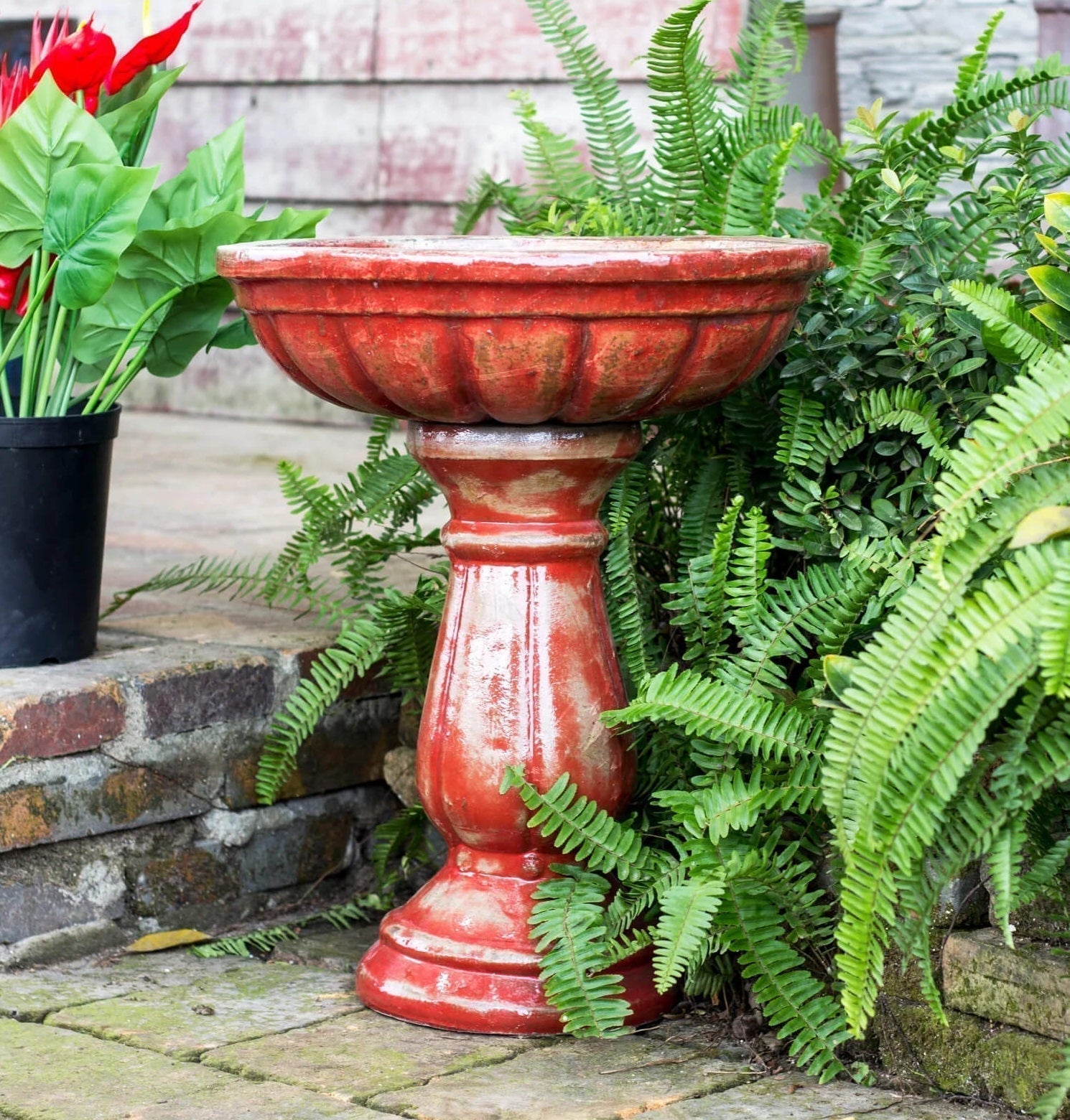
After draining, clear out any leaves, twigs, or dirt from the basin. Use a soft brush or your hands to scoop out debris gently without scratching the surface. You might be surprised how much gunk collects even after a short time.
If you find stubborn dirt or algae, a gentle scrub with a mixture of water and vinegar or mild soap can work wonders. Just rinse thoroughly to avoid leaving any residue that could harm the birds. What’s the last thing you found hiding in your bird bath?
Credit: tenthousandpots.com
Scrubbing Techniques
Scrubbing your bird bath properly is key to keeping it clean and inviting for your feathered visitors. The right scrubbing techniques help remove dirt, algae, and stubborn stains without damaging the surface. Let’s focus on practical ways to scrub effectively and target the common issues bird baths face.
Using Brushes Effectively
Choosing the right brush can make a big difference. A soft-bristle brush works well for delicate materials like ceramic or glass, while a stiff-bristle brush is better for concrete or stone bird baths.
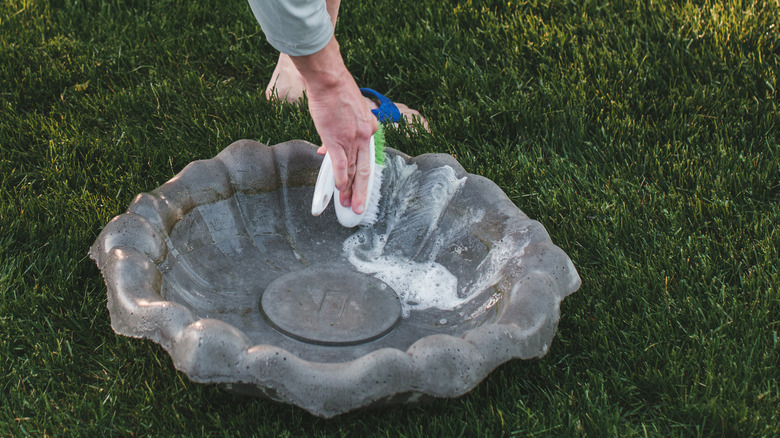
Start scrubbing from the edges and move toward the center to avoid spreading dirt around. Use circular motions to lift grime without scratching the surface. Don’t forget the underside and hard-to-reach spots where dirt often hides.
Have you noticed how a worn-out brush just pushes dirt around? Replace your brushes regularly to keep your cleaning efficient and thorough.
Targeting Algae And Stains
Algae can build up quickly, especially in warm, sunny spots. To tackle it, scrub the affected areas with a mixture of water and white vinegar or baking soda. These natural solutions break down algae without harmful chemicals.
For tough stains, add a little gentle dish soap to your brush. Let the soap sit for a few minutes before scrubbing to loosen the grime. Rinse thoroughly to ensure no residue remains that could harm birds.
Ever tried scrubbing without a plan? Focus on one section at a time and rinse frequently. This keeps your cleaning effective and prevents stubborn stains from setting in.
Rinsing Thoroughly
Rinse the bird bath thoroughly to remove all soap and dirt. Clean water helps keep birds safe and healthy. Make sure no residue remains before refilling.
Rinsing thoroughly is an essential part of maintaining a clean and inviting bird bath. It not only ensures the removal of any lingering cleaning agents but also provides a safe environment for birds. Imagine the joy of seeing a robin splash around in a sparkling clean bath, knowing you’ve done your part to keep it safe.Ensuring No Residue Remains
After scrubbing your bird bath, it’s crucial to make sure that no soap or chemical residue is left behind. Residue can be harmful to birds and deter them from visiting. Use a gentle rinse under running water, examining all surfaces for any leftover cleaning agents.Using Clean Water
Always use clean, fresh water when rinsing your bird bath. Tap water is usually sufficient, but consider using filtered water if your local supply is heavily chlorinated. Fresh water not only helps remove residue but also encourages birds to return for a safe drink or bath. Doesn’t it feel rewarding knowing you’ve created a safe haven for your feathered friends? Taking these extra steps might seem minor, but they make a world of difference to the wildlife in your backyard. Have you checked your bird bath lately? It’s time to give it a thorough rinse!Disinfecting Safely
Keeping your bird bath clean is crucial for bird health. Dirty water can harbor bacteria and algae. Regular cleaning helps prevent diseases. Disinfecting is a key part of this process. But it must be done safely. This ensures no harm to birds or the environment.
Natural Disinfectants
Natural options are gentle yet effective. Vinegar is a popular choice. Mix equal parts of water and vinegar. Soak the bird bath for 15 minutes. Then scrub and rinse well. Baking soda is another option. Sprinkle it on the surface and scrub with a brush. Rinse thoroughly to remove residue.
Chemical Options And Precautions
Chemicals can be stronger but require caution. Bleach is effective in small amounts. Use a 1:10 ratio of bleach to water. Wear gloves to protect your skin. Rinse the bird bath thoroughly after cleaning. Let it dry completely before refilling with water. Always ensure no bleach residue remains.
Refilling And Maintenance Tips
Keeping your bird bath clean and inviting starts with smart refilling and consistent maintenance. These practices not only ensure a safe water source for birds but also extend the life of your bird bath. You’ll notice more visitors and less hassle when you stay on top of these simple tips.
Optimal Water Levels
Maintaining the right water level is crucial. Too little water can discourage birds, while too much can cause overflow and attract unwanted pests.
Try to keep the water about 2 to 3 inches deep. This depth works well for most small to medium-sized birds and is easy for them to drink from and bathe in.
Check your bird bath daily, especially during hot weather. Top it up as needed to keep the water fresh and inviting.
Regular Upkeep For Cleanliness
Clean water is essential for the health of your feathered visitors. Dirty water can spread diseases and deter birds from stopping by.
Scrub your bird bath at least once a week using a stiff brush and mild soap. Avoid harsh chemicals—they can be harmful to birds.
Rinse thoroughly to remove all soap residue. Consider a quick rinse midweek if you notice algae or debris building up.
Have you ever noticed how quickly dirt can accumulate after a windy day? Staying vigilant with cleaning keeps your bird bath a safe haven, not a hazard.
Preventing Future Contamination
Preventing future contamination in your bird bath is key to keeping it clean and safe for birds. Contaminants can quickly build up if you don’t take steps to reduce debris and bacteria. Small adjustments to how you set up and maintain your bird bath can make a big difference.
Positioning The Bird Bath
Where you place your bird bath affects how clean it stays. Position it away from overhanging trees to reduce falling leaves, twigs, and bird droppings landing in the water.
Try to put the bird bath in a sunny spot. Sunlight helps slow down algae growth and keeps water fresher longer. However, avoid locations exposed to strong wind that can blow dirt or debris into the bath.
Have you noticed birds prefer baths near shrubs or bushes? These spots offer them quick cover from predators, encouraging frequent visits. Balancing safety and cleanliness is essential when choosing the right location.
Adding Preventive Measures
Adding simple features can help prevent contamination before it starts. A mesh or screen cover can keep out leaves and larger debris without stopping birds from drinking.
- Use a small fountain or dripper to keep water moving. Flowing water discourages mosquitoes and reduces algae buildup.
- Consider shallow depths to prevent standing water where bacteria thrive. Changing water frequently also keeps it fresh.
- Place stones or pebbles in the basin to give birds a non-slip surface, reducing dirt stirred up from the bottom.
Have you tried cleaning your bird bath less often but still noticed dirty water? Adding these preventive steps can cut down on how often you need to scrub and refill.
Credit: www.housedigest.com
Frequently Asked Questions
How Often Should I Clean My Bird Bath?
Clean your bird bath weekly to prevent algae and bacteria growth. Regular cleaning keeps the water fresh and safe for birds. During hot weather, clean more frequently to avoid mosquito breeding and maintain bird health.
What Is The Best Cleaning Solution For Bird Baths?
Use a mixture of one part white vinegar to nine parts water. Vinegar is safe, natural, and effectively removes algae and dirt. Avoid harsh chemicals that can harm birds and wildlife.
How Do I Remove Stubborn Algae From My Bird Bath?
Scrub stubborn algae with a soft brush or sponge. For tough spots, soak with vinegar solution for 10-15 minutes before scrubbing. Rinse thoroughly to ensure no residue remains.
Can I Use Bleach To Clean My Bird Bath?
Bleach can be used but must be diluted properly (one tablespoon per gallon). Soak for 10 minutes and rinse thoroughly to remove all bleach traces. Avoid frequent bleach use to protect birds and the environment.
Conclusion
Cleaning bird baths keeps birds healthy and happy. Regular scrubbing stops dirt and algae buildup. Use mild soap and water for safety. Rinse well to avoid harming birds. Clean baths attract more birds to your yard. A clean bath also looks nice and fresh.
Small efforts bring big benefits for wildlife. Keep your bird bath clean often. Enjoy watching birds visit your garden. Simple steps make a big difference.




