
Have you ever wondered how your car’s bird’s eye camera shows a complete view around your vehicle? It feels like magic when you see your car from above, helping you park perfectly or avoid obstacles.
But how exactly does this technology work? Understanding how bird’s eye cameras function can make you feel more confident and safe every time you get behind the wheel. Keep reading, and you’ll discover the smart tricks your car uses to give you that clear, all-around view.
Credit: www.cars24.com
Birds Eye Camera Basics
Birds eye cameras offer drivers a clear view of their vehicle’s surroundings. They help avoid blind spots and make parking easier. Understanding the basics of these cameras helps appreciate their role in modern cars.
What Is A Birds Eye Camera
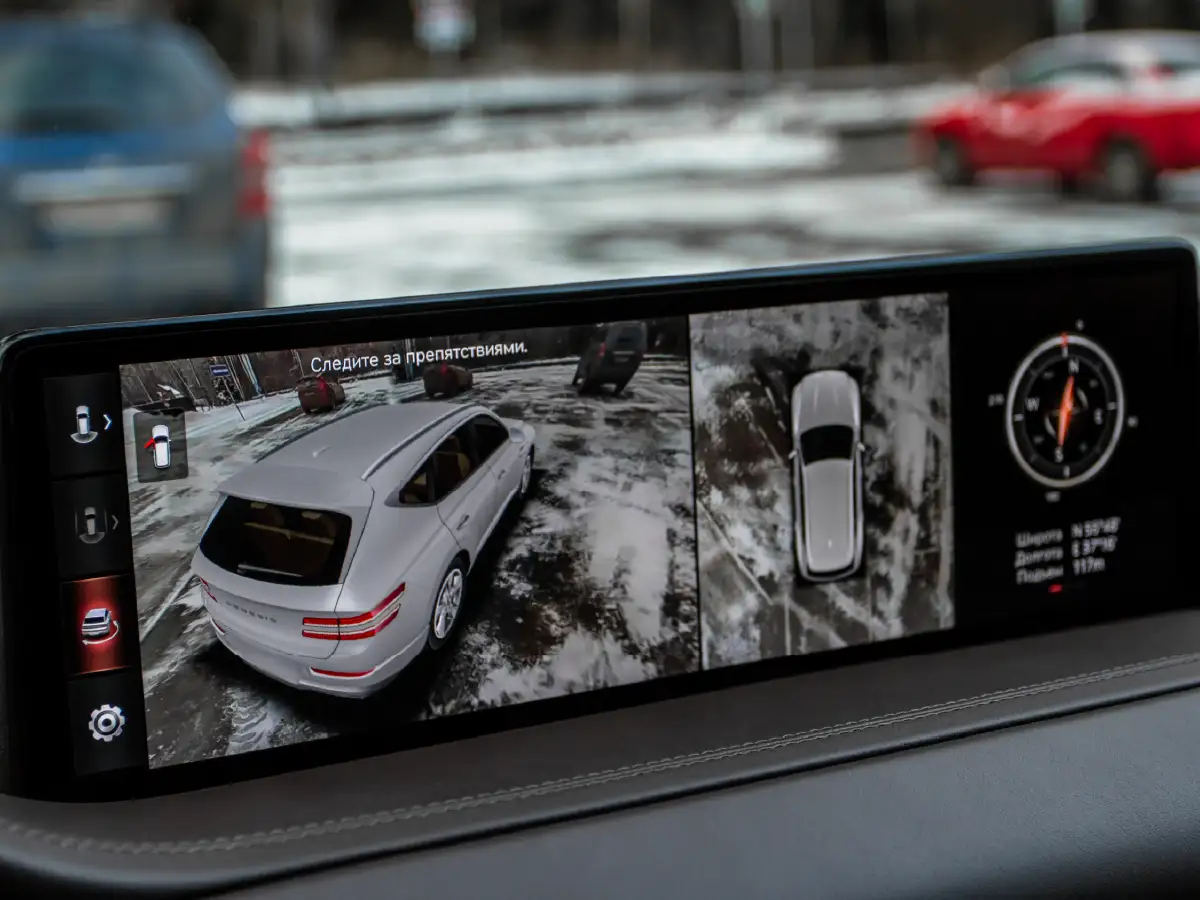
A birds eye camera shows a top-down view of a car. It uses several cameras placed around the vehicle. These cameras work together to create a single image. This image looks like you are watching from above. It helps drivers see obstacles and nearby objects clearly.
Key Components
- Multiple Cameras: Usually placed at the front, back, and sides of the car.
- Image Processor: Combines pictures from all cameras into one view.
- Display Screen: Shows the combined image to the driver inside the car.
- Sensors: Detect distance to objects and warn drivers if needed.
Types Of Birds Eye Cameras
- Wired Systems: Cameras connected by wires for stable image transfer.
- Wireless Systems: Use wireless signals to send images to the display.
- Aftermarket Systems: Can be added to older cars without built-in cameras.
- Factory-Installed Systems: Built into new cars by the manufacturer.

Credit: www.man.eu
How Cameras Capture Surroundings
Understanding how car birds eye cameras capture their surroundings can change the way you view your vehicle’s safety features. These cameras don’t just snap pictures; they create a real-time map of everything around your car. This process begins with strategic camera placement, uses special lenses, and relies on smart software to piece it all together.
Camera Placement On Vehicles
The cameras are placed around your vehicle to cover every angle that you can’t see directly. Typically, you’ll find them on the front grille, side mirrors, rear bumper, and sometimes under the hood. This setup ensures there are no blind spots, giving you a full 360-degree view.
Have you noticed how some cars seem to “look” all around? That’s because the cameras are positioned to catch overlapping fields of view. This overlap is crucial so the system can blend images smoothly without gaps.
Wide-angle Lenses And Coverage
Wide-angle lenses are key to capturing a broad area in each shot. These lenses stretch the view, allowing each camera to see much more than a regular camera would. But stretching the image means distortion near the edges, which the system needs to correct.
Think about how you have to move your head to see the whole street while parking. Wide-angle lenses do that automatically, but without the neck strain! They help you spot obstacles that might be just outside your direct line of sight.
Image Stitching Technology
After capturing images from all cameras, the system uses image stitching to merge them into one seamless view. This technology aligns overlapping areas and blends edges to create a smooth, continuous picture around your car. It’s like assembling a puzzle in real-time.
Imagine trying to fit several photos together manually—it would take forever and might never look right. The system does this instantly and accurately, so you see a clear, undistorted bird’s eye view. This helps you park and maneuver with confidence, reducing the chance of accidents.
Processing And Display
The way your car’s bird’s eye camera processes and displays images is crucial for providing a seamless driving experience. This system doesn’t just capture footage; it transforms multiple camera feeds into a clear, real-time view around your vehicle. Understanding how this happens can help you appreciate the technology behind safer parking and better maneuvering.
Image Processing Units
At the core of the bird’s eye camera system are the Image Processing Units (IPUs). These are specialized chips designed to handle large amounts of visual data quickly. They take raw footage from cameras placed around your car and stitch these images together into a single, comprehensive view.
Think about when you park in a tight spot. The IPUs ensure that the images from front, rear, and side cameras blend perfectly, eliminating blind spots. Without these units, the images would appear disjointed and confusing, making it harder for you to judge distances.
Real-time Image Rendering
Speed matters when you’re behind the wheel, and the system excels at rendering images in real time. The cameras continuously send video streams to the IPUs, which process and output a live, 360-degree view in seconds. This happens so fast that you experience almost no delay, helping you react instantly to obstacles.
Imagine trying to parallel park with a lagging camera feed—that would be frustrating and risky. Real-time rendering keeps the visuals smooth and accurate, so you can trust what you see on the screen. The system also adjusts lighting and contrast to maintain clarity in different conditions like night or rain.
User Interface On Dashboard Screens
The processed image reaches your dashboard screen through a user-friendly interface designed for quick understanding. You don’t need to be tech-savvy to operate it; the interface uses intuitive icons, clear outlines, and sometimes even color-coded warnings. This makes it easy to spot obstacles or understand the car’s position.
Many systems let you switch views or zoom in with just a tap, putting control in your hands. Have you noticed how some cars highlight curbs or pedestrians on the screen? That’s part of the interface helping you focus on critical details without distraction. It’s like having an extra set of eyes guiding you safely.
Smart Parking Features
Smart parking features powered by car birds eye cameras make parking less stressful and much safer. These systems use multiple camera angles stitched together to give you a top-down view of your car and its surroundings. This clear view helps you park with confidence, even in tight spots.
Guided Parking Assistance
Guided parking assistance uses birds eye camera views combined with sensors to help you steer precisely into parking spaces. You see clear visual guides on your screen showing the path your car will take as you turn the wheel. This guidance reduces guesswork and helps prevent scraping against curbs or other vehicles.
Imagine squeezing into a narrow spot and being able to trust the system’s guidance without having to get out and check. Wouldn’t that save you time and hassle?
Obstacle Detection And Alerts
Birds eye cameras don’t just show you the surroundings; they actively scan for obstacles like low walls, poles, or pedestrians. If something is detected, the system sends you alerts with audible beeps or visual warnings on your display. This keeps you aware of dangers that might be hidden in blind spots.
These alerts can prevent minor dents or even accidents. Have you ever backed out of a parking space only to realize too late that a small object was behind you? This technology helps you avoid that scenario.
Automatic Parking Systems
Automatic parking systems take control of steering, acceleration, and braking while using birds eye cameras to monitor the environment. You just need to choose the parking mode and let the car handle the maneuver. The cameras provide a seamless, real-time 360-degree view to ensure the car fits perfectly into the spot.
It’s like having a trusted co-pilot who never tires or loses focus. Would you feel more relaxed letting your car park itself while you focus on other things?
Benefits Of Birds Eye Cameras
Birds Eye Cameras are changing the way we drive. These cameras provide a complete view from above your car. They bring many benefits, making driving easier and safer. Let’s explore these advantages.
Improved Safety
Birds Eye Cameras enhance safety on the road. They allow drivers to see all around the car. This helps in avoiding accidents. You can spot pedestrians and obstacles easily.
Enhanced Parking Accuracy
Parking becomes simple with Birds Eye Cameras. Drivers can see parking lines clearly. This prevents hitting other cars or objects. Parking in tight spots is less stressful.
Reduced Blind Spots
Birds Eye Cameras minimize blind spots. Drivers get a full view of the surroundings. This reduces the chance of collisions. Merging into traffic is safer and smoother.
Limitations And Challenges
Bird’s eye cameras in cars offer impressive views, but they aren’t without their limits. Understanding these challenges helps you set the right expectations and make smarter use of the technology. Let’s look at some common hurdles that can affect how well these systems perform.
Weather And Lighting Conditions
Rain, fog, and snow can blur the camera lenses, reducing image clarity. This often leads to distorted or unclear views, making it harder to rely on the system during bad weather.
Low light or direct sunlight can also cause glare or shadows. For example, parking in a brightly lit area at sunset might create shadows that hide obstacles from the camera’s view. Have you ever struggled to see clearly on your car’s screen just because it was too dark or too bright outside?
Calibration Issues
Proper calibration is crucial for accurate bird’s eye views. If the cameras are misaligned, the stitched images can look warped or disconnected.
Even minor bumps or repairs can throw off calibration. After a car service or minor collision, the system might need recalibration to restore accurate visuals. Have you checked your system’s calibration after a service? It might save you from unexpected blind spots.
Cost And Maintenance
Installing bird’s eye cameras can be pricey, especially on older car models. The upfront cost might not fit every budget.
Maintenance adds to expenses too. Cameras and sensors need regular cleaning and occasional repairs to keep working well. Ignoring maintenance can lead to system failures just when you need them most. Would you be ready to invest in upkeep to keep your system reliable?
Future Trends
Birds eye cameras use multiple lenses to capture images from all sides of a car. These images combine to create a clear, top-down view for easier parking and driving. Advances in this technology promise sharper images and better obstacle detection soon.
The realm of car bird’s eye cameras is swiftly advancing, with technology evolving to make your driving experience safer and more seamless. What does the future hold for these innovative systems? Let’s explore some fascinating trends that are reshaping the way we see the road.Integration With Ai And Sensors
Imagine a system that not only shows you a 360-degree view but also anticipates potential hazards. By integrating Artificial Intelligence (AI) with advanced sensors, car bird’s eye cameras can now predict obstacles and alert you in real time. AI can analyze patterns and learn from your driving habits, offering personalized feedback to enhance your safety. Are you ready to trust your car with these intelligent capabilities?Higher Resolution And 3d Imaging
A clearer view can make all the difference. Future bird’s eye cameras promise higher resolution, offering crisp, detailed images that help you make precise maneuvers. Some systems are already incorporating 3D imaging, allowing you to see your vehicle’s surroundings from various angles. This can be particularly useful in tight parking spots or during tricky turns.Vehicle-to-everything Communication
What if your car could communicate with traffic signals, other vehicles, and even pedestrians? Vehicle-to-Everything (V2X) communication is paving the way for a connected driving ecosystem. Bird’s eye cameras integrated with V2X can receive data about traffic conditions, road hazards, and more. This connectivity can drastically reduce accidents and improve traffic flow, creating a safer environment for everyone. As you explore these advancements, consider how they might transform your driving experience. What features would you find most beneficial in your daily commute? Embracing these technologies could not only enhance your safety but also redefine your relationship with the road.
Credit: www.man.eu
Frequently Asked Questions
What Is A Car Bird’s Eye Camera System?
A car bird’s eye camera system uses multiple cameras around the vehicle. It stitches images to create a top-down view. This helps drivers see surroundings clearly for safer parking and maneuvering.
How Do Bird’s Eye Cameras Improve Parking Safety?
Bird’s eye cameras provide a 360-degree view from above. This eliminates blind spots and shows obstacles near the car. Drivers get better spatial awareness, reducing collision risks during parking.
What Technology Powers Bird’s Eye Camera Views?
The system uses wide-angle cameras combined with image processing software. The software merges video feeds into a seamless overhead image. It updates in real-time for accurate vehicle positioning.
Can Bird’s Eye Cameras Work In Low Light?
Yes, most bird’s eye cameras have night vision or enhanced sensors. They capture clear images in low light or darkness. This ensures visibility around the car during nighttime driving.
Conclusion
Car birds eye cameras give drivers a clear view around their vehicle. They use multiple cameras to create a full, top-down image. This helps avoid blind spots and makes parking easier. The system updates in real-time, so drivers see changes instantly.
Many cars now include this helpful feature for safety. Understanding how these cameras work can improve your driving experience. It’s a smart tool that makes driving safer and less stressful. Simple technology with big benefits.




