
Are you ready to welcome more birds to your garden? Building your own bird house is easier than you think—and it brings so much joy.
Imagine watching colorful birds visit a cozy home you made with your own hands. This simple project doesn’t just add charm to your outdoor space; it also helps protect local wildlife. Keep reading, and you’ll discover easy steps, smart tips, and all you need to create the perfect bird house that your feathered friends will love.
Your backyard is about to become their favorite spot!
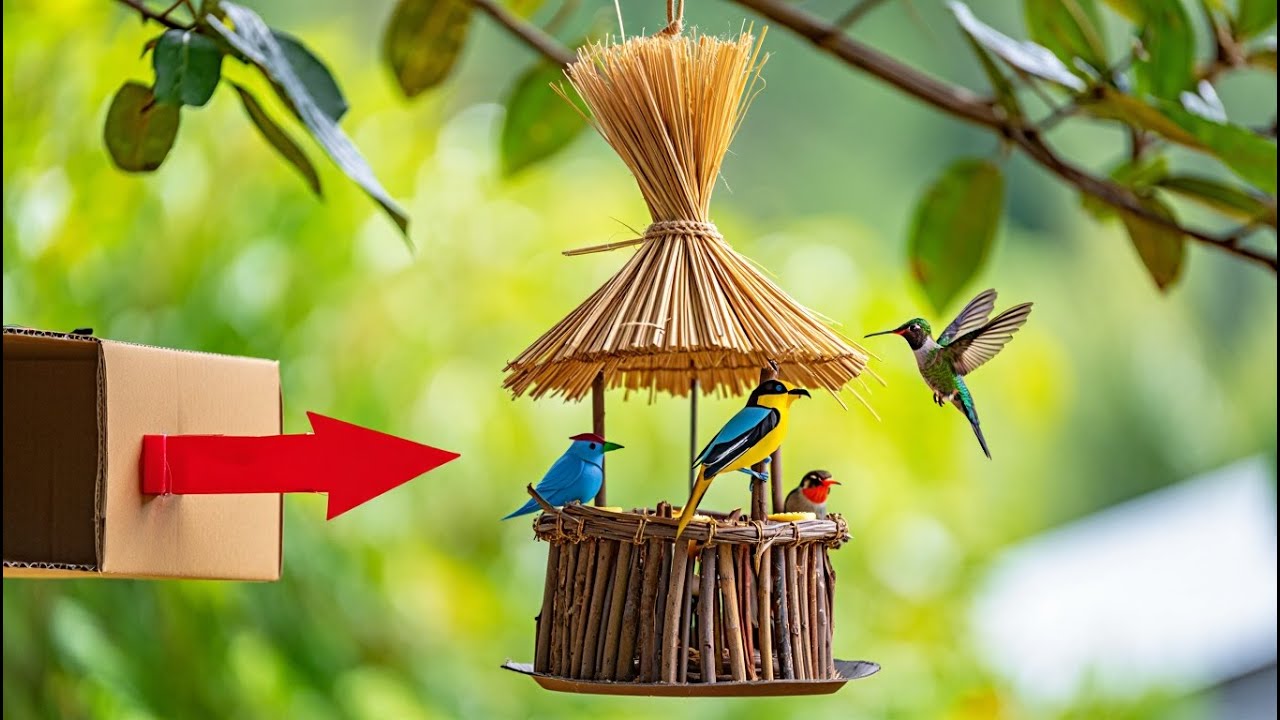
Credit: www.youtube.com
Choosing The Right Materials
Choosing the right materials is the first step to building a sturdy bird house. The materials affect the house’s durability and how safe it is for birds. Good materials protect birds from weather and predators. They also help the house last longer outside. Selecting proper materials ensures your bird house will be a cozy home for many birds.
Types Of Wood For Bird Houses
Wood is the best material for bird houses. It is natural and easy for birds to live in. Cedar is a popular choice because it resists rot and bugs. Pine is cheaper but needs sealing to last long. Avoid treated wood, which can harm birds. Plywood works well if it is thick and untreated. Solid wood provides good insulation and keeps birds warm.
Essential Tools Needed
Basic tools help you work safely and build a strong bird house. A saw cuts the wood to the right size. A drill makes holes for ventilation and entry. Sandpaper smooths rough edges to protect birds. A hammer and nails hold parts together. Measuring tape and a pencil keep pieces accurate. These tools make the building process easier and faster.
Eco-friendly Material Options
Eco-friendly materials help protect the environment and birds. Use reclaimed wood from old furniture or pallets. Natural, non-toxic paints or stains add color without harm. Avoid plastics or metals that heat up or trap moisture. Bamboo is a good fast-growing wood option. These materials reduce waste and create safe homes for birds.
Selecting The Ideal Location
Choosing the right spot for your DIY bird house is more than just picking a random tree or corner of your yard. The location affects whether birds will feel safe and comfortable enough to make it their home. Think about the environment from the birds’ perspective—what makes a place secure and inviting?
Safe Spots Away From Predators
Birds need protection from common predators like cats, raccoons, and snakes. Avoid placing your bird house near dense shrubbery or areas where these animals can easily hide and sneak up. A clear line of sight helps birds spot danger early.
Mount the house on a sturdy pole or tree trunk that’s difficult to climb. Adding a predator guard can also increase safety. Have you noticed where birds in your neighborhood prefer to nest? That’s a great clue for finding a secure spot.
Sunlight And Shade Balance
Bird houses should get a mix of sunlight and shade throughout the day. Too much sun can overheat the nest, especially during summer. Too much shade can make the bird house damp and cold.
Look for a location with morning sun and afternoon shade. This keeps the temperature comfortable for eggs and baby birds. Think about how the sun moves across your yard and pick a spot that isn’t baking in the afternoon heat.
Height And Accessibility Tips
Mount your bird house at a height that is high enough to deter predators but still reachable for occasional maintenance. Around 5 to 10 feet off the ground is usually ideal. This height strikes a good balance between safety and accessibility.
Make sure you can reach the house easily for cleaning or monitoring. Use a sturdy ladder and never disturb the nest during breeding season. What tools do you have at hand to help with installation and upkeep?
Designing Your Bird House
Designing your bird house is an exciting part of the DIY process. It shapes how birds will use and enjoy their new home. Focus on size, ventilation, and style. These elements help keep birds safe and comfortable. A well-designed bird house attracts more visitors to your garden or yard.
Size And Entrance Hole Dimensions
Choosing the right size matters. Different birds need different house sizes. The entrance hole controls which birds can enter. Too big lets predators in. Too small stops birds from entering.
- Small birds like chickadees need a hole about 1 1/8 inches wide.
- Bluebirds prefer holes around 1 1/2 inches wide.
- House sparrows use holes about 1 1/4 inches wide.
Keep the inside space roomy but not too large. About 4 x 4 inches inside is good for many birds.
Ventilation And Drainage Features
Good airflow keeps the bird house dry and cool. Add small holes near the top for ventilation. Water can cause mold and harm the birds. Drainage holes in the floor help water escape. Make sure holes are small enough to stop predators.
- Place ventilation holes about 1 inch below the roofline.
- Drill 3-4 small holes in the floor for drainage.
- Use untreated wood to avoid harmful chemicals.
Decorative Ideas For Personal Touch
Make your bird house unique with simple decorations. Paint it with non-toxic colors. Use natural tones to blend with nature. Add small designs like leaves or flowers. Avoid bright colors that scare birds away.
- Use weather-resistant paint safe for birds.
- Attach small wooden shapes for charm.
- Add a perch below the entrance hole.
Personal touches make your bird house special. They also help you enjoy your creation more.
Step-by-step Building Process
Building your own birdhouse can be a rewarding project. It allows you to get creative and provides a cozy home for birds. Let’s dive into the step-by-step building process. Follow along to craft your birdhouse with ease.
Cutting And Assembling Pieces
Start with selecting the right wood. Pine or cedar works well. Measure and mark your wood pieces. Use a saw to cut them accurately. You will need a front, back, sides, roof, and base. Ensure each piece fits together snugly. Check your measurements twice for accuracy.
Arrange the pieces on a flat surface. Begin with the front and back panels. Connect the side panels next. Use wood glue or nails for a strong hold. Ensure the base fits securely. It should be stable to support the structure.
Securing The Structure
Once the main pieces are together, secure the birdhouse further. Use screws for added stability. Drill small pilot holes to prevent wood splitting. Attach the roof last. Ensure it overhangs slightly to protect from rain. Check all joints and connections for tightness.
Finishing Touches And Painting
Sand down any rough edges. This ensures a smooth finish. Choose non-toxic paint or sealer. Birds need a safe environment. Apply a primer before painting. It helps colors adhere better. Select natural colors to blend with surroundings. Allow the paint to dry fully before use.
Consider adding a perch near the entrance. It gives birds a landing spot. Double-check all parts are secure. Your birdhouse is now ready for its feathered guests!
Maintenance And Monitoring
Building a DIY bird house is just the beginning. To keep your feathered visitors happy and safe, you need to maintain and monitor it regularly. This ensures the house stays in good shape and remains inviting for birds season after season.
Cleaning Frequency And Methods
Cleaning your bird house is essential to prevent parasites and diseases. Aim to clean it at least once a year, ideally at the end of the breeding season when the birds have moved on.
Use a mild bleach solution (1 part bleach to 9 parts water) to scrub the interior. Rinse thoroughly with water and let it dry completely before reinstalling. Avoid harsh chemicals that could harm future occupants.
Checking For Damage Or Wear
Inspect your bird house regularly for cracks, loose nails, or signs of rot. Even small damage can expose birds to predators or harsh weather.
Look closely at the entrance hole and mounting hardware. Tighten screws and replace broken parts promptly. Think about what could happen if you don’t—would the birds still feel safe?
Encouraging Bird Occupancy
To attract birds, place the house in a quiet, sheltered spot away from predators. Make sure the entrance faces away from prevailing winds and direct sunlight.
Adding natural elements like nearby shrubs or trees can make the area more appealing. Have you considered how different bird species prefer different house sizes? Tailor your design to attract the birds you want to see.
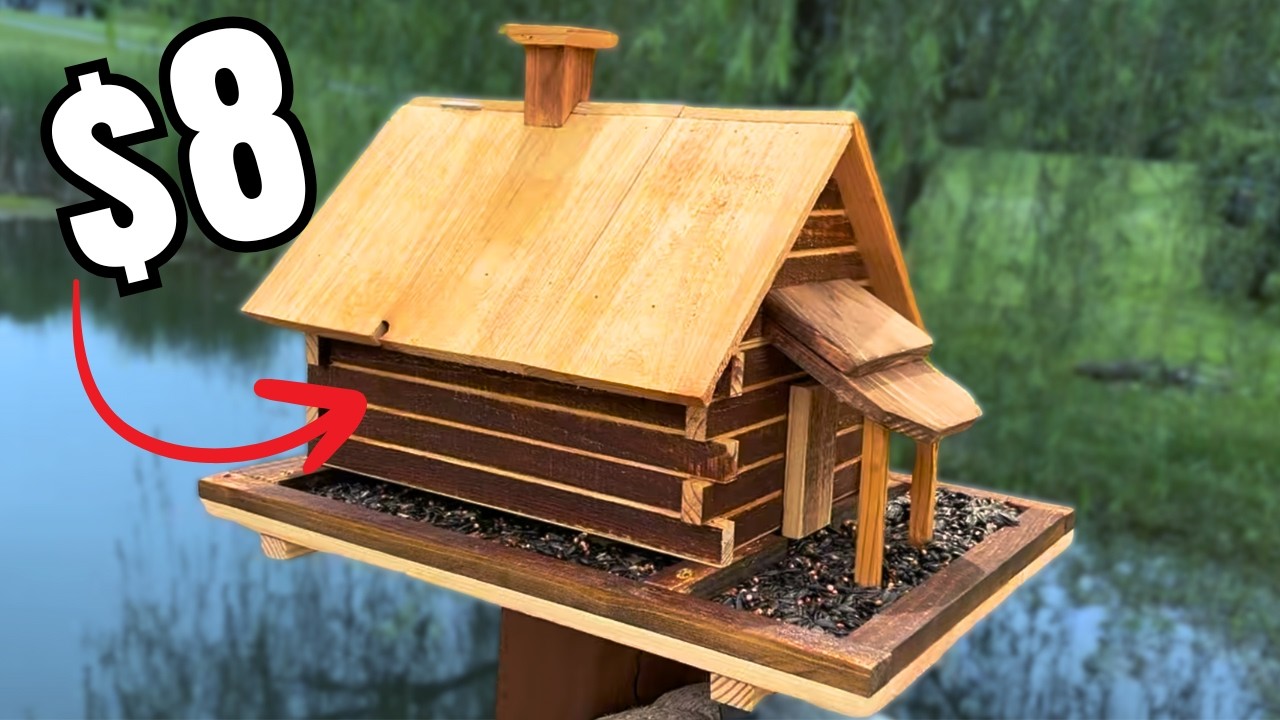
Credit: m.youtube.com

Credit: www.amazon.ca
Frequently Asked Questions
What Materials Are Best For A Diy Bird House?
Use untreated wood like cedar or pine for durability. Avoid metal and plastic as they can overheat. Ensure materials are non-toxic and weather-resistant to provide a safe shelter for birds.
How Do I Choose The Right Size For A Bird House?
Match the bird house size to the bird species you want to attract. Smaller birds need compact spaces, while larger birds need bigger houses. Correct sizing helps protect birds from predators and harsh weather.
Where Should I Place My Diy Bird House?
Place bird houses 5 to 10 feet above ground, away from direct sunlight and strong winds. Position near trees or shrubs for protection but keep clear of heavy human traffic for safety.
How Do I Maintain A Diy Bird House Yearly?
Clean the bird house annually after nesting season. Remove old nesting materials and debris to prevent parasites. Inspect for damage and repair cracks or loose parts to ensure safety and longevity.
Conclusion
Building a bird house is fun and rewarding. You create a safe home for birds. It also brings nature closer to you. Using simple tools and materials works well. Watching birds visit feels special every day. Try different designs and enjoy the process.
Small steps lead to great results. Start your project today and see the joy. Bird houses brighten gardens and hearts alike. A simple DIY task with big benefits.




