
Have you ever wondered if hummingbirds need a bird bath in your garden? You might think these tiny birds get all the water they need from flowers, but there’s more to it.
Giving hummingbirds a safe place to splash and drink can make a big difference in their daily life. If you want to attract these dazzling little visitors and keep them healthy, understanding their water needs is key. Keep reading to discover why a bird bath might be just what your hummingbirds are looking for.

Credit: www.msn.com
Hummingbird Water Needs
Hummingbirds have unique water needs that are often overlooked. While they primarily feed on nectar, water plays an essential role in their survival. Understanding how hummingbirds hydrate can help you create a more inviting environment for these tiny birds.
Hydration Habits
Hummingbirds get most of their water from the nectar they consume. Nectar is about 80% water, which helps keep them hydrated throughout the day.
However, they do need plain water occasionally, especially in hot weather or dry conditions. You might notice them sipping from wet leaves or small puddles, which shows their need for supplemental water.
Have you ever seen a hummingbird pause to drink water directly? That’s a sign they seek hydration beyond nectar. Adding a shallow bird bath or misting station can provide the water they need safely and conveniently.
Natural Water Sources
In the wild, hummingbirds find water from various natural sources. Dew on leaves, rain puddles, and dripping water from plants are common spots they visit.
Streams or small ponds are less frequently used because hummingbirds prefer shallow, easily accessible water. The risk of drowning or predators keeps them cautious around larger water bodies.
If your garden lacks natural water spots, consider adding a shallow dish with fresh water or a mister. This simple addition can attract hummingbirds and support their hydration needs, especially during dry spells.
Bird Baths And Hummingbirds
Bird baths can be a charming addition to any garden, but do hummingbirds truly benefit from them? Understanding how these tiny birds interact with water features can help you decide if a bird bath is a good idea for your outdoor space.
Attraction To Water Features
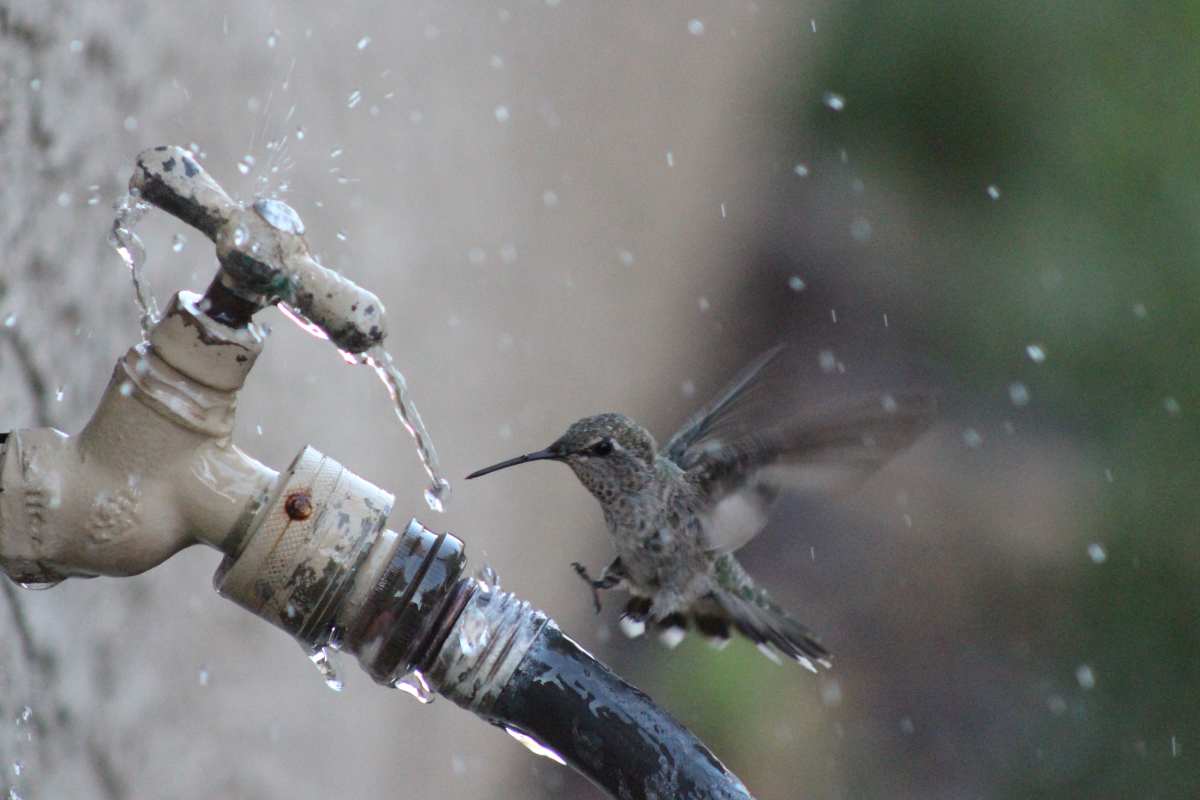
Hummingbirds are naturally drawn to moving water. They often seek out mist, shallow puddles, and dripping water sources. Adding a bird bath with gentle movement, such as a dripper or small fountain, can catch their attention more than a still water surface.
Think about the last time you watched hummingbirds near a sprinkler or a dripping faucet. Their playful behavior around moving water shows their preference for dynamic water sources. Do you have any water sounds in your garden that might already be inviting them?
Suitability Of Bird Baths
Not all bird baths work well for hummingbirds. They prefer very shallow water—around 1 inch deep—so they can easily bathe or drink without risk. A bird bath designed with a sloping edge or a shallow basin is ideal.
Also, keep in mind that hummingbirds need clean water. Regularly changing the water prevents bacteria buildup, which can harm these tiny creatures. A bath placed in a shady spot will keep the water cooler and fresher longer, making it more appealing to hummingbirds.
Safe Water Options
Providing safe water is crucial for hummingbirds to stay healthy and hydrated. They need clean, accessible water sources that do not pose risks. Choosing the right water option ensures these tiny birds can drink and bathe safely. This section explores simple ways to offer water without causing harm.
Shallow Water Choices
Hummingbirds prefer shallow water for drinking and bathing. The water should be less than one inch deep. Shallow dishes, saucers, or trays work well. Avoid deep containers that can trap or drown birds. Keep the water level low and spread over a wide surface.
- Use flat dishes or shallow bowls
- Change water daily to keep it fresh
- Place on stable surfaces to prevent tipping
- Consider adding small stones for perches
Avoiding Hazards
Water sources can be dangerous if not chosen carefully. Avoid standing water that attracts mosquitoes or bacteria. Do not use harsh chemicals or soaps to clean baths. Make sure the area is free from predators like cats or large birds. Keep the water away from strong winds and heavy sun.
- Clean water containers regularly with mild soap
- Rinse thoroughly to remove soap residue
- Place baths in shaded, quiet spots
- Use netting or barriers to protect from predators
Alternative Ways To Provide Water
Providing water for hummingbirds goes beyond just using a bird bath. Many hummingbirds prefer moving or misty water to still water. This keeps them interested and helps them stay hydrated during hot days. Alternative water sources can attract more hummingbirds and keep them safe from predators and stagnant water issues.
Misting Techniques
Misting is a gentle way to offer water to hummingbirds. Use a spray bottle to create a fine mist around your garden or near feeders. They enjoy flying through the mist or landing on leaves that glisten with water droplets. Misting cools the birds and gives them small droplets to drink or bathe in.
Try misting early in the morning or late afternoon. Avoid heavy sprays that might scare the birds. Keep the mist light and refreshing to mimic natural dew or rain.
Incorporating Water In Feeders
Some hummingbird feeders include a small water reservoir. This provides both nectar and water in one place. Water helps clean their beaks and keeps them hydrated while feeding. Choose feeders designed to prevent mold and bacteria growth.
Change the water frequently to keep it fresh and safe. Clean the feeder weekly to avoid harmful buildup. Offering water alongside nectar can make your feeder a favorite spot for hummingbirds.
Maintaining Bird Baths
Hummingbirds enjoy water for drinking and bathing, but they don’t need traditional bird baths. They prefer shallow, moving water. Adding a mister or dripper can attract these tiny birds.
Maintaining a bird bath can enhance the beauty of your garden. For hummingbirds, a clean and safe water source is essential. A well-maintained bird bath attracts these tiny creatures and supports their hydration needs. Consistent upkeep ensures it remains a healthy oasis for birds.Cleaning Tips
Regular cleaning prevents algae buildup and harmful bacteria. Empty the bird bath every few days to keep it fresh. Scrub the surface with a brush and mild soap. Rinse thoroughly to remove any soap residue. Avoid using strong chemicals which can harm birds. Clean during cooler parts of the day to prevent quick evaporation.Preventing Mosquito Breeding
Standing water can attract mosquitoes. Change the water every two days to disrupt their breeding cycle. Use a water agitator to keep the surface moving. This simple device prevents mosquitoes from laying eggs. Alternatively, consider adding a small fountain feature. It keeps the water circulating, deterring mosquito growth. Always ensure the water level is shallow for hummingbirds.:max_bytes(150000):strip_icc()/GettyImages-2173170131-3a75b25eba33419795a08fa410d57cf6.jpg)
Credit: www.southernliving.com
Enhancing Hummingbird Habitat
Enhancing the hummingbird habitat in your garden goes beyond just providing food and water. It involves creating an inviting space where these tiny birds feel safe and energized. By carefully selecting plants and ensuring a secure environment, you can watch hummingbirds thrive and return season after season.
Plant Selection
Choosing the right plants can make a big difference. Hummingbirds love bright, tubular flowers that hold plenty of nectar. Think about adding native flowers like trumpet vine, bee balm, or salvia to your garden.
These plants not only attract hummingbirds but also require less care since they’re suited to your local climate. Consider planting a mix of colors and bloom times to provide nectar throughout the seasons. Have you noticed how hummingbirds often visit multiple flowers in one sitting? That’s why diversity in your garden matters.
Creating A Safe Environment
Hummingbirds need more than just food; they need safety. Avoid placing feeders or baths near windows to prevent collisions. Instead, position them near shrubs or trees where birds can quickly hide from predators.
Keep cats and other pets away from your hummingbird area. Adding some natural cover like dense bushes or tall grasses can give these tiny birds a sense of security. Do you pay attention to where you place your feeders? A little thought can save a hummingbird’s life.
Credit: www.greenmatters.com
Frequently Asked Questions
Do Hummingbirds Use Bird Baths Regularly?
Hummingbirds may use bird baths occasionally to drink or bathe. They prefer shallow water with gentle movement. Providing a clean, shallow bird bath helps attract and support their hydration and grooming needs.
Can Hummingbirds Bathe In Regular Bird Baths?
Yes, hummingbirds can bathe in regular bird baths if the water is shallow. They enjoy splashing in shallow, calm water to clean their feathers and cool off during hot weather.
How Shallow Should A Hummingbird Bird Bath Be?
A hummingbird bird bath should be about ½ inch to 1 inch deep. Shallow water allows safe, easy access for bathing and drinking, preventing drowning risks and encouraging hummingbird visits.
Do Hummingbirds Prefer Moving Or Still Water In Baths?
Hummingbirds prefer gently moving water, like from drippers or misters. Moving water attracts them by mimicking natural streams and helps keep the water fresh and clean.
Conclusion
Hummingbirds enjoy fresh water for drinking and bathing. A shallow bird bath helps them stay clean and healthy. Keep the water clean and change it often. Place the bath in a quiet, safe spot. This simple step can attract more hummingbirds to your yard.
They will visit more if they feel safe and comfortable. So, a bird bath is a nice way to support these tiny birds. Small efforts can make a big difference for hummingbirds around you.




