
Have you ever noticed your bird splashing around or shaking its feathers and wondered, “Do birds need to bathe?” Just like you, birds rely on staying clean to stay healthy and happy. But bathing isn’t just about looking good for them—it plays a crucial role in their well-being.
If you care about your feathered friend, understanding why and how they bathe can make all the difference. Keep reading to discover the surprising reasons birds bathe and how you can help your bird enjoy this important routine.

Credit: www.reddit.com
Why Birds Bathe
Have you ever noticed birds splashing around in puddles or birdbaths? Birds don’t bathe just because it looks fun—they have solid reasons for doing it regularly. Understanding why birds bathe can help you provide better care if you keep them or simply appreciate their natural habits more deeply.
Natural Behavior In The Wild
Birds bathe as a natural part of their daily routine. In the wild, they often seek out shallow water sources like ponds, streams, or rain puddles. Bathing helps them stay clean and remove dirt, dust, and parasites from their feathers.
Have you ever watched a bird flicking water over its back and wings? That action helps water reach every part of their feathers, ensuring a thorough clean. Bathing also stimulates birds, keeping them active and alert, which is crucial for survival.
Benefits For Feathers And Skin
Bathing is essential for maintaining healthy feathers. Clean feathers provide better insulation and make flying easier by reducing drag. If feathers become dirty or greasy, birds can struggle with temperature control and flight efficiency.
Bathing also supports skin health. Birds produce oils from a gland near their tail, which they spread over their feathers after bathing. This oil keeps feathers waterproof and flexible. Without regular bathing, birds risk dry skin and brittle feathers that can break easily.
Do you provide a clean water source if you care for birds? Offering a shallow bath can make a big difference in their well-being. It’s a small action that supports their natural instincts and keeps them healthy.
Credit: besgroup.org
Signs Your Bird Needs A Bath
Birds need baths to stay clean and healthy. Bathing helps remove dirt, dust, and oils from their feathers. Birds that do not bathe regularly may show signs that they need one. Watching your bird closely can help you know when it is time for a bath.
Feather Condition
Feathers look dull and dirty without regular baths. They may appear clumped or greasy. Feathers might lose their shine and look rough. Dirty feathers can cause skin problems. Your bird may have flaky skin or small scabs. Healthy feathers are smooth and bright.
Behavioral Changes
Your bird may act restless or uncomfortable. It might scratch or preen more than usual. Birds may shake their wings or fluff up their feathers often. Some birds avoid social interaction when they feel unclean. Bathing helps birds feel fresh and relaxed again.
Safe Bathing Methods
Ensuring your bird bathes safely is crucial for its health and happiness. Birds instinctively enjoy water, but improper bathing can lead to stress or even illness. You can provide a safe and enjoyable bathing experience by using simple, effective methods that suit your bird’s needs and environment.
Using A Shallow Dish
A shallow dish filled with lukewarm water is a straightforward way to let your bird bathe. Choose a dish that is wide and no more than an inch or two deep to prevent any risk of drowning. Place it in a quiet spot where your bird feels secure, and watch how it splashes and fluffs its feathers.
Have you noticed how some birds prefer standing in the water while others enjoy dipping their heads? Observing your bird’s preference helps you adjust the water level and dish size for maximum comfort.
Misting With A Spray Bottle
Misting your bird with a spray bottle simulates a gentle rain shower, which many birds find refreshing. Use a fine mist setting and hold the bottle about a foot away to avoid startling your pet. Spray lightly and observe how your bird reacts—stop if it seems scared.
Try using room-temperature water and avoid spraying near the bird’s face or ears. This method is especially helpful for birds that don’t like standing water but still need regular moisture on their feathers.
Bathing Frequency
How often should your bird bathe? The answer depends on the species, season, and your bird’s individual habits. Most birds benefit from bathing two or three times a week, but some enjoy daily baths during warm weather.
Watch your bird’s feathers closely—if they look dull or dirty, it might be time for a bath. If your bird seems reluctant or stressed, reduce the frequency and try gentler methods like misting.
Avoiding Common Bathing Mistakes
Bathing is essential for birds, but many bird owners unknowingly make mistakes that can cause discomfort or health issues. Avoiding common bathing errors ensures your feathered friend stays happy and healthy. Let’s look at some key tips that can help you bathe your bird safely and effectively.
Water Temperature Tips
Using the right water temperature is crucial. Water that is too cold can shock your bird, while hot water can burn their delicate skin. Aim for lukewarm water—about the same temperature you’d use for a baby’s bath.
Test the water with your wrist or elbow before offering it to your bird. If it feels comfortable to you, it’s likely safe for them. Have you ever noticed your bird avoiding the bath? Temperature might be why.
Avoiding Harsh Soaps
Never use soaps or shampoos that contain strong chemicals or fragrances. Birds have sensitive skin and respiratory systems, and harsh soaps can cause irritation or allergic reactions. Plain water is usually enough to clean your bird.
If your bird gets very dirty, you can use a mild, bird-safe cleanser recommended by a vet. Always rinse thoroughly to prevent residue buildup. Think about how you feel if soap gets in your eyes—your bird’s experience is similar.
Drying Your Bird Properly
After bathing, drying your bird correctly is just as important as the bath itself. Avoid rubbing your bird with a towel as this can damage feathers. Instead, gently pat dry or let your bird air dry in a warm, draft-free room.
You can also use a low heat setting on a hairdryer, but keep it at a safe distance to avoid overheating. Watch your bird closely during drying to ensure they stay calm and comfortable. Have you seen your bird shiver after a bath? That’s a sign they’re too cold and need better drying care.
Special Considerations For Different Species
Birds vary greatly in size, habitat, and health needs. These differences affect how they bathe and how often. Understanding these special needs helps keep birds clean and happy. Bathing habits differ between small and large birds, tropical species, and birds with health issues.
Small Birds Vs. Large Birds
Small birds like finches and canaries bathe more frequently. They enjoy mist sprays or shallow water dishes. Large birds such as parrots need bigger baths or showers. They often prefer standing water or gentle sprays. Size affects water temperature and depth. Small birds need warmer, shallow water to avoid chills. Large birds handle cooler water but require more space.
Tropical Birds
Tropical birds come from warm, humid climates. They bathe often to keep feathers clean and cool. They prefer warm water and misting. Bathing helps control parasites in humid areas. Tropical species may dislike cold water or drafts. Keep their bathing area warm and cozy. Regular bathing supports their natural behavior and health.
Pet Birds With Health Issues
Birds with health problems need special bathing care. Avoid cold water, which can stress sick birds. Use warm, gentle misting instead of deep baths. Birds with respiratory issues may benefit from steam baths. Always check with a vet before bathing these birds. Bathing should not cause stress or fatigue. Clean feathers help prevent infections and improve comfort.
Additional Grooming Tips
Birds are fascinating creatures with unique grooming needs. Keeping them clean and healthy requires more than a simple bath. Proper grooming ensures they remain vibrant and happy. Let’s explore some additional grooming tips to help your feathered friend thrive.
Preening Assistance
Preening helps birds keep their feathers in top condition. It involves using their beak to clean and align feathers. As a bird owner, you can support this process. Offer your bird a variety of safe, chewable toys. These toys encourage natural preening behaviors. Mist your bird with water to simulate a gentle rain shower. This can stimulate preening activity.
Maintaining Cage Cleanliness
A clean cage is crucial for your bird’s health. Regularly change the cage liner to prevent bacteria build-up. Clean perches and toys weekly with bird-safe cleaners. Remove uneaten food daily to avoid mold and pests. Ensure the cage environment stays hygienic and pleasant.

Credit: bluedotliving.com
Frequently Asked Questions
Do All Birds Need To Bathe Regularly?
Most birds need regular bathing to keep feathers clean and healthy. Bathing removes dirt and parasites, improving flight and insulation. Frequency varies by species and environment, but it is essential for their well-being and comfort.
How Do Birds Bathe In The Wild?
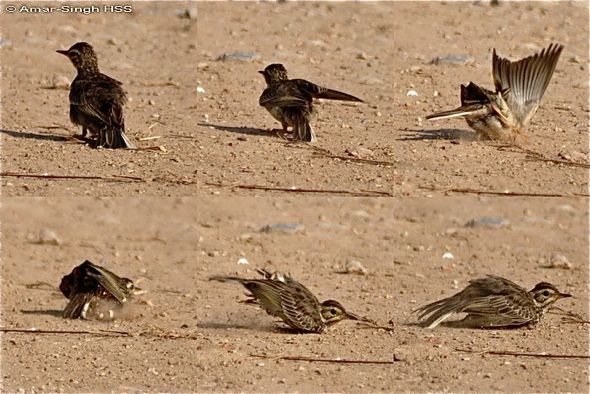
Wild birds bathe in water sources like ponds, streams, or rain. They splash water over their feathers and shake to remove dirt. Some birds also dust-bathe, using dry soil to keep feathers clean and parasite-free.
Can Pet Birds Bathe Indoors Safely?
Yes, pet birds can bathe indoors using shallow water dishes or mist sprays. Providing clean, fresh water encourages bathing and feather maintenance. Avoid using soaps or chemicals, as they can harm birds’ delicate feathers and skin.
Why Is Bathing Important For Bird Health?
Bathing helps birds maintain feather condition and remove parasites. It supports proper insulation, flight, and overall hygiene. Without regular bathing, birds may suffer from dirty feathers, skin infections, and reduced comfort.
Conclusion
Birds need water to keep their feathers clean and healthy. Bathing helps remove dirt and parasites. It also keeps their skin fresh and cool. Many birds enjoy splashing in water or rain. Providing a safe water spot helps pet birds stay happy.
Watching birds bathe is fun and shows their natural behavior. Clean feathers help birds fly better and stay warm. Bathing is a simple but important part of a bird’s life.




