
Have you ever wondered how birds see the world? Their vision is so sharp and clear that it almost seems like they have built-in cameras in their eyes.
But do birds really have camera eyes? If you’re curious about how birds capture every detail around them with such precision, this article is for you. Keep reading to discover the amazing truth about bird vision and how it compares to the cameras we use every day.
Your understanding of nature’s incredible design will never be the same.

Credit: www.reddit.com
Bird Vision Compared To Humans
Bird vision is often seen as extraordinary, leading many to wonder how it stacks up against human sight. Understanding the differences can change how you perceive the natural world and your place in it. Let’s look closely at how birds see compared to you and me.
Eye Structure Differences
Bird eyes are shaped differently from human eyes, often larger relative to their head size. This gives birds a sharper image and greater detail in what they see. Unlike human eyes, many birds have a structure called the pecten, which helps nourish the retina and may improve visual clarity.
Bird retinas also contain more cone cells, the cells responsible for color vision. This means birds can see a wider range of colors, including ultraviolet light invisible to humans. Imagine seeing patterns on flowers or feathers that are completely hidden to your eyes.
Field Of View And Depth Perception
You might notice that birds have eyes positioned on the sides of their heads, while human eyes face forward. This placement gives birds a much wider field of view—sometimes nearly 360 degrees. They can watch for predators or spot prey without turning their heads.
However, this wide view often reduces the overlap between both eyes, limiting depth perception. Birds like owls have forward-facing eyes, improving depth perception for precise hunting. Have you ever wondered how a bird can dive at a tiny fish and catch it perfectly? Their specialized vision makes it possible.
Special Features Of Bird Eyes
Birds’ eyes are marvels of natural engineering, tailored perfectly for their unique lifestyles. These special features enable birds to see the world in ways humans can’t imagine. Understanding these can change how you think about vision and the natural world around you.
Color Vision And Uv Sensitivity
Birds see a broader spectrum of colors than humans do. They can detect ultraviolet (UV) light, which is invisible to us. This ability helps them find food, choose mates, and navigate their environment more effectively.
Imagine spotting a berry that shines under UV light while it blends into the background for you. That’s the kind of advantage birds enjoy daily. It makes you wonder what hidden details you miss just because your eyes can’t see UV.
Fovea And Visual Acuity
Birds have a part of their eye called the fovea, responsible for sharp central vision. Some species have two foveae, giving them exceptional focus on different parts of their surroundings. This lets hawks spot prey from hundreds of feet away, something that would be impossible for you or me.
Your phone camera might zoom in, but a bird’s eye naturally sees fine details with clarity. Next time you watch a bird of prey, consider how its vision guides every precise movement.
Pecten Oculi Function
The pecten oculi is a unique, comb-like structure inside a bird’s eye. It supplies nutrients and oxygen to the retina without blocking vision. This means birds keep their eyes healthy and clear without blood vessels interfering with their sight.
Think about how your eyes get tired or dry after staring at screens. Birds avoid this problem thanks to the pecten oculi. Could this inspire better eye care solutions for us in the future?
How Birds Capture Visual Information
Birds see the world in ways that often surpass human capabilities. Understanding how they capture visual information reveals why their vision is so sharp and effective. Let’s dive into the key features that make their eyes truly remarkable.
Retina And Photoreceptors
The retina in a bird’s eye is packed with photoreceptors, the cells that detect light. Birds have a higher density of these cells compared to humans, which means they can see finer details.
Some birds, like hawks and eagles, even have two foveae—small pits in the retina—allowing them to focus sharply on both close and distant objects. This dual-focus system is something you might wish for when trying to read a menu in a dim restaurant or spot a friend in a crowd.
Birds also have more types of color receptors, enabling them to see ultraviolet light. Imagine seeing patterns on flowers invisible to the human eye; this helps birds find food and mates more efficiently.
Eye Movements And Focus
Unlike humans, many birds have limited eye movement but compensate with rapid head movements. This means they turn their heads to scan their surroundings rather than moving their eyes much.
Birds can also adjust the shape of their lenses quickly to shift focus between objects at different distances. This ability is similar to how you adjust a camera lens but happens much faster in birds.
Have you ever noticed how a pigeon seems to stare intensely yet moves its head constantly? This behavior helps it gather more visual information and depth perception, crucial for navigation and avoiding predators.
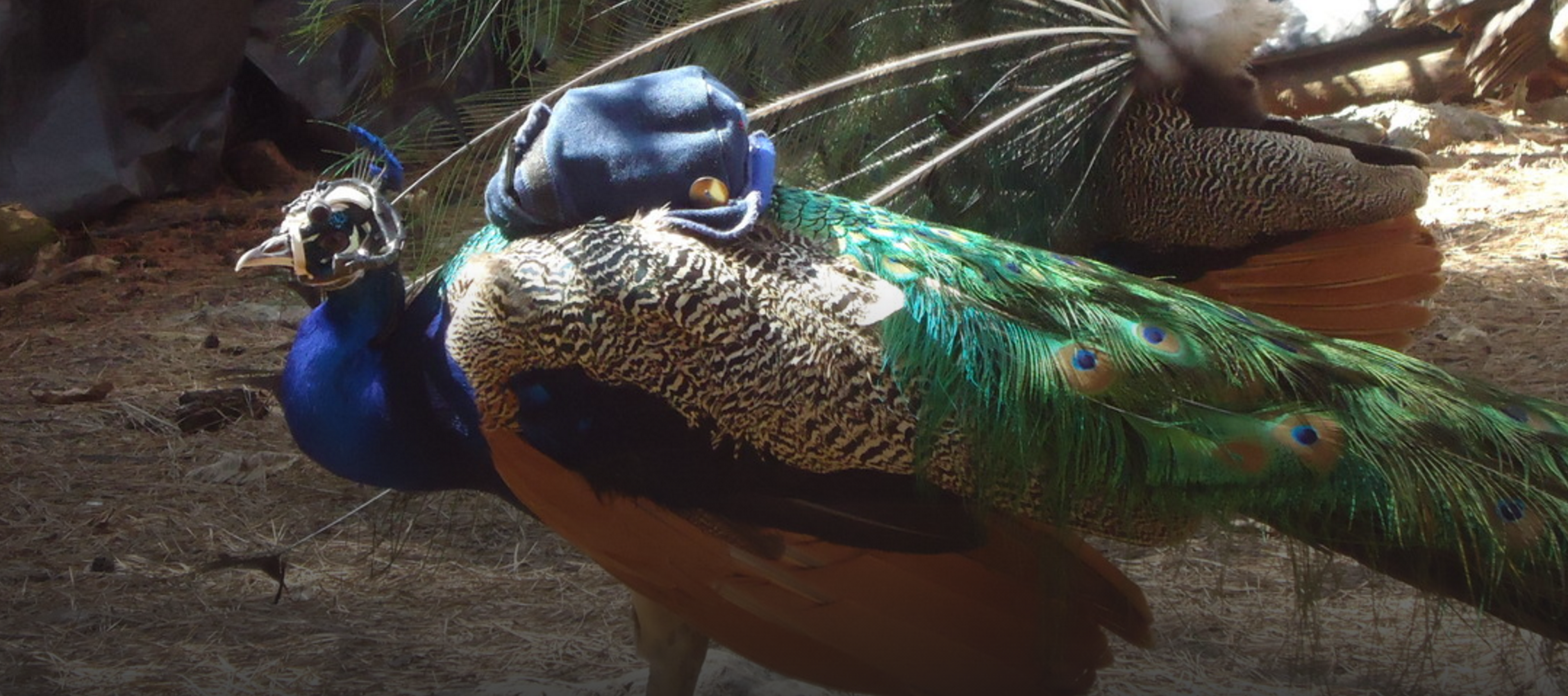
Credit: medium.com
Birds As Natural Optical Marvels
Birds are incredible creatures with eyesight that often outperforms human vision in surprising ways. Their eyes are not cameras, but they have evolved complex optical systems tailored to their survival needs. Understanding these natural optical marvels can change the way you see the world around you.
Predatory Birds’ Sharp Vision
Have you ever wondered how hawks spot tiny prey from hundreds of feet in the air? Predatory birds like eagles and falcons have extremely sharp vision, about 4 to 8 times better than humans. Their eyes contain a high density of photoreceptor cells and a deep fovea, allowing them to detect even the slightest movement on the ground.
This incredible sharpness lets them hunt with precision. If you watch a hawk in action, you’ll notice how it locks onto its target without any hesitation. This sharp vision is essential for survival and hunting success.
Migratory Birds And Navigation
How do birds travel thousands of miles and still find their way? Many migratory birds rely on visual cues from the sun, stars, and Earth’s magnetic field, which their eyes help detect. Their retinas may contain specialized cells that sense magnetic fields, guiding them during long journeys.
Imagine being able to navigate without maps or GPS, just by reading natural signs. This ability not only fascinates scientists but also invites you to think about the untapped potential of human senses.
Courtship And Visual Signals
Visual communication plays a huge role in bird courtship. Bright colors, intricate feather patterns, and specific movements all send messages to potential mates. Birds like peacocks or birds of paradise use their striking appearances to attract partners.
Have you ever noticed how certain colors grab your attention more than others? Birds use this to their advantage, showing how vision and color perception can directly affect behavior and success in the wild.
Comparing Bird Eyes To Cameras
Bird eyes and cameras both capture images, but they do so in very different ways. Comparing the two helps us understand how birds see their world. Their eyes are complex and adapted for survival.
Similarities In Image Capture
Both bird eyes and cameras have lenses that focus light. They form clear images on a surface. In cameras, this surface is a sensor or film. In birds, it is the retina. Both use aperture to control light intake. The pupil in birds works like a camera’s aperture. This controls brightness and sharpness.
- Lens focuses light to create an image
- Image forms on a surface (retina or sensor)
- Aperture controls light entering the eye or camera
- Both can adjust to different light conditions
Differences In Processing And Adaptation
Bird eyes process images inside the brain, not the eye itself. Cameras process images electronically or chemically. Bird retinas have more types of color receptors. This allows birds to see ultraviolet light. Cameras struggle with this range without special filters. Birds also have a wider field of view. Their eyes adapt quickly to movement and focus on many objects. Cameras need settings and adjustments for these tasks.
- Birds see ultraviolet light; cameras usually cannot
- Bird brains interpret images; cameras use technology
- Bird eyes adapt fast to movement and focus
- Cameras require manual or automatic adjustments

Credit: cen.acs.org
Frequently Asked Questions
Do Birds Really Have Camera-like Eyes?
Birds’ eyes function like biological cameras, capturing sharp, detailed images. Their retinas contain many photoreceptors, enhancing focus and clarity. This allows precise vision, especially for hunting and navigation. While not literal cameras, their eyes mimic key camera functions naturally.
How Do Birds’ Eyes Focus Like A Camera Lens?
Birds focus by changing their lens shape, similar to camera lenses. Their ciliary muscles adjust the lens curvature to sharpen images. This dynamic focusing helps them see objects clearly at different distances. It’s an efficient system adapted for their survival needs.
Can Birds See Better Than Humans?
Many birds see better than humans, especially in detail and color range. They have more cone cells, enabling superior color vision and UV light detection. Birds like hawks spot prey from miles away, showcasing their exceptional visual abilities beyond human capability.
What Makes Bird Eyes Unique Compared To Human Eyes?
Bird eyes have a higher density of photoreceptors and a specialized structure called the pecten. The pecten nourishes the retina and reduces blood vessel shadows. These features enhance visual acuity and color perception, making bird vision uniquely sharp and efficient.
Conclusion
Birds do not have camera eyes like humans imagine. Their eyes work differently but very well. Birds see sharp details and colors better than us. They use their vision to find food and avoid danger. Nature gave birds unique eyes to fit their needs.
Understanding bird eyesight helps us appreciate their skills. Their vision shows how amazing nature can be. It’s a reminder that every creature has its own way to see the world.




