
Have you ever wondered if putting out a bird feeder might actually make birds rely too much on you? It’s a common question that many bird lovers ask.
You want to help, but you don’t want to harm. What if your simple act of kindness is changing how birds live and survive? You’ll discover the surprising truth behind bird feeders and whether they create dependence or simply offer a helping hand.
Keep reading to find out how your actions impact the birds you care about—and what you can do to make sure your feeder is a good thing for them.
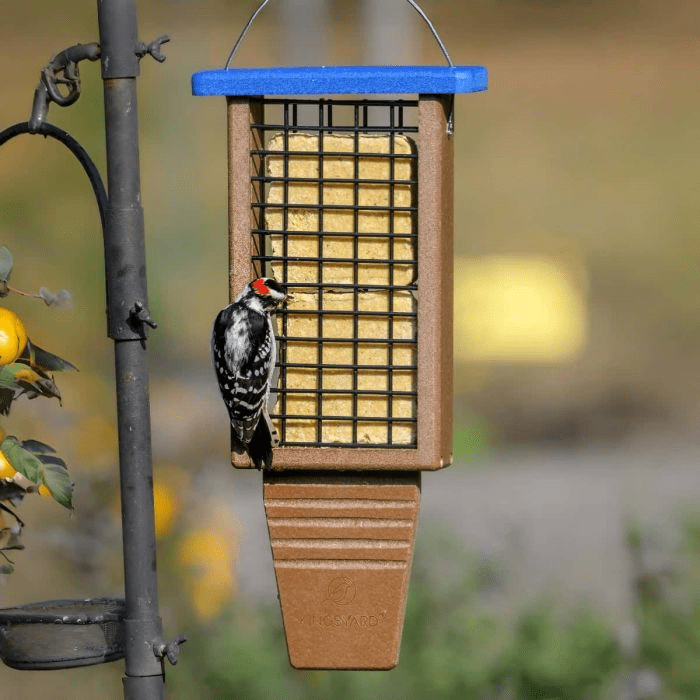
Credit: www.kingsyard.com
Bird Feeders And Wild Birds
Bird feeders offer a unique way to observe wild birds up close. They bring birds closer to homes and gardens. People enjoy watching birds feed and interact. But some wonder if feeders make birds dependent on humans. Understanding how feeders affect wild birds helps answer this question.
Purpose Of Bird Feeders
Bird feeders provide extra food during tough times. Winter months can be harsh, with less natural food available. Feeders help birds survive cold weather and scarce resources. They also attract birds for enjoyment and study. Some feeders support species that struggle in urban areas. The goal is to help, not replace natural feeding habits.
Common Types Of Feeders
Feeders come in different shapes and sizes. Each type suits certain bird species and food types. Common types include:
- Tube Feeders:Cylindrical with small feeding ports, good for seeds.
- Platform Feeders:Flat trays that hold various food, attract many birds.
- Hopper Feeders:Box-shaped, hold large amounts of food, protect from weather.
- Nectar Feeders:Designed for hummingbirds, hold sugar water.
- Suet Feeders:Hold suet cakes, attract woodpeckers and insect-eaters.

Credit: www.birdwatchingdaily.com
Impact On Bird Behavior
Bird feeders can change the way birds behave, sometimes in subtle ways you might not expect. Understanding these changes helps you decide how to feed birds responsibly without harming their natural habits. Let’s look closely at how feeding stations can affect birds’ daily routines and their ability to find food on their own.
Changes In Feeding Patterns
Birds often adjust their feeding schedules around the availability of feeders. You might notice birds arriving at your feeder at the same time every day, waiting for the food instead of searching at dawn or dusk.
Some birds may even eat more than usual because the food is easy to get. This can cause them to rely heavily on your feeder during harsh weather or when natural food is scarce.
Have you observed birds sticking close to your yard instead of exploring other areas? This behavior shows how feeders can create a new routine that depends on human-provided food.
Effects On Natural Foraging
Providing food can reduce birds’ motivation to forage naturally. When food is always available, birds might spend less time searching for insects, seeds, or berries, which are vital for their diet.
This change can impact their health because natural foods offer more variety and nutrients compared to some feeder seeds. It might also affect young birds learning to find food independently.
Think about how this shift could affect the wider ecosystem. If birds stop eating insects, those insect populations might increase, altering the balance in your garden or nearby natural areas.
To avoid these problems, consider feeding birds only during extreme weather or seasons when natural food is hard to find. This way, you support birds without making them dependent on feeders.
Dependency Myths And Facts
Many people worry that putting out bird feeders might cause birds to stop foraging naturally and become dependent on human-provided food. This concern sparks debates, but separating myths from facts can help you make informed choices about feeding birds in your backyard. Understanding how birds interact with feeders throughout the year reveals the true impact on their behavior.
Do Birds Rely Solely On Feeders?
Birds do not rely only on feeders for their food. In fact, feeders usually serve as a convenient supplement rather than the main source of nutrition.
Wild birds have evolved to find food in their natural habitats. They search for insects, seeds, and berries, which offer essential nutrients. Feeders add variety and extra calories, especially during challenging times like winter.
Think about the last time you saw a chickadee at your feeder. Chances are it flew away afterward to hunt for insects or seeds elsewhere. This shows feeders are part of a balanced diet, not a full dependency.
Seasonal Variations In Feeding
Birds’ reliance on feeders changes with the seasons. During spring and summer, natural food sources are abundant. Birds focus on insects and fresh plants, making feeders less critical.
In fall and winter, natural food becomes scarce. Feeders provide vital energy for birds to survive colder months. This seasonal shift highlights feeders as emergency support rather than everyday necessity.
Have you noticed more birds around your feeder on frosty mornings? That’s because they need the extra help when food is harder to find.
- Spring & Summer: Birds forage widely, feeders are a bonus.
- Fall & Winter: Feeders offer essential calories and warmth.
Understanding these patterns can help you decide when and how to feed birds responsibly. Your efforts can support local wildlife without disrupting their natural habits.
Health And Nutrition Concerns
Bird feeders can affect birds’ natural foraging habits and diet variety. Relying too much on feeders may reduce their ability to find food on their own. This dependency can impact bird health and nutrition over time.
Bird feeders can be a delightful way to enjoy nature. But concerns about birds’ health and nutrition arise. Are we helping or harming them by feeding them? Let’s explore some key aspects.Quality Of Feeder Food
The quality of food in feeders matters a lot. High-quality seeds and nuts are essential. They provide necessary nutrients for birds’ health. Many commercial mixes contain fillers. Fillers offer little nutritional value. They can even harm birds over time. Choose blends with sunflower seeds, peanuts, and millet. Avoid mixes with red millet or oats. These are often fillers and not preferred by birds. Fresh food is crucial. Moldy or spoiled seeds can make birds sick.Risks Of Overfeeding
Overfeeding is a potential risk with bird feeders. Birds may rely too much on feeders. This can affect their natural foraging skills. A balanced diet is vital for their health. Overfeeding can lead to obesity and related health issues. Birds need to find food in the wild too. Feeders should supplement their diet, not replace it. By understanding these concerns, we can better support our feathered friends.Environmental And Ecological Effects
Bird feeders do more than just attract feathered friends to your backyard; they can also shape the environment and ecology around you. Understanding these effects helps you feed birds responsibly without unintentionally causing harm. Let’s look closely at how bird feeders influence bird populations and local ecosystems.
Influence On Bird Populations
Providing food through feeders can increase the number of birds in your area, especially during harsh winters or dry seasons. Some species may thrive and multiply faster because of the steady food supply, but this can disrupt the natural balance.
Have you noticed certain birds becoming more common at your feeder? This can lead to some species outcompeting others for space and resources. It might even attract non-native or invasive species, which can threaten local bird diversity.
On the flip side, feeders can help support vulnerable bird populations. If you live in an urban area where natural food sources are scarce, your feeder might be a lifeline. Still, it’s crucial to clean feeders regularly to prevent disease outbreaks that can spread quickly in crowded bird gatherings.
Impact On Local Ecosystems
Feeding birds can ripple through the ecosystem in unexpected ways. When birds gather in large numbers, they produce more droppings, which can alter soil chemistry and affect plant life nearby. This might benefit some plants but harm others, changing the plant community over time.
Also, think about predators. Concentrating birds in one spot can attract animals like cats, hawks, or squirrels, which may increase predation risks. Are you unintentionally creating a hotspot for these predators?
Feeding birds can also influence insect populations. Birds often help control insects naturally, but if they rely too much on feeders, their hunting behavior might decrease. This shift could lead to a rise in certain pest insects, affecting crops and gardens.
Have you ever wondered how your simple act of filling a feeder might impact the wider environment? Being aware of these effects empowers you to make choices that support both birds and their habitat.
Best Practices For Bird Feeding
Bird feeders can help birds find food, especially in harsh weather. Feeding should not replace natural foraging to keep birds independent. Offering varied foods supports their health without creating dependency.
Best Practices for Bird Feeding Feeding birds can be a rewarding activity. It brings nature closer to home and supports wildlife. But it’s important to feed birds responsibly. This ensures birds benefit without becoming dependent.Feeder Placement And Maintenance
Choose a safe spot for your bird feeder. Place it away from predators like cats. Consider a location near trees or shrubs. This gives birds a place to hide if needed. Keep feeders clean to prevent disease. Wash them with soap and water regularly. Rinse well and let them dry before refilling. Clean feeders attract more birds and keep them healthy.Choosing Appropriate Feed
Offer birds the right type of seed. Different birds prefer different feeds. Common options include sunflower seeds, millet, and peanuts. Avoid bread or processed foods; they aren’t nutritious for birds. Check for mold in stored seeds. Moldy seeds can harm birds. Providing a variety of seeds can attract diverse bird species.Alternatives To Feeding
Instead of relying solely on bird feeders, you can support local birds by making your outdoor space more inviting and self-sustaining. Alternatives to feeding help birds find natural food and shelter, reducing the risk of dependency on humans. These approaches create a balanced environment where birds thrive on their own terms.
Enhancing Natural Habitats
Adding native plants to your garden gives birds places to hide, nest, and rest. Shrubs, trees, and ground cover offer safety from predators and harsh weather. You might notice more birds visiting when you provide a variety of plants that bloom at different times, offering year-round shelter.
Think about including a small water source like a birdbath or shallow pond. Birds need water not just for drinking but also for bathing, which keeps their feathers healthy. Even a simple dish filled with fresh water can make a big difference.
Encouraging Native Food Sources
Instead of processed birdseed mixes, consider planting native berries, nuts, and seed-producing plants. These natural foods are what birds have adapted to eat for generations. You might be surprised how quickly birds find and prefer these foods over feeders.
Try adding plants like sunflowers, elderberries, or coneflowers to your yard. These provide nutritious seeds and fruits that attract a variety of bird species. Have you ever noticed how birds seem more energetic and active when they feed naturally?
By focusing on natural habitat and food, you help birds stay healthy and independent. How could your outdoor space become a thriving mini-ecosystem for your feathered friends?
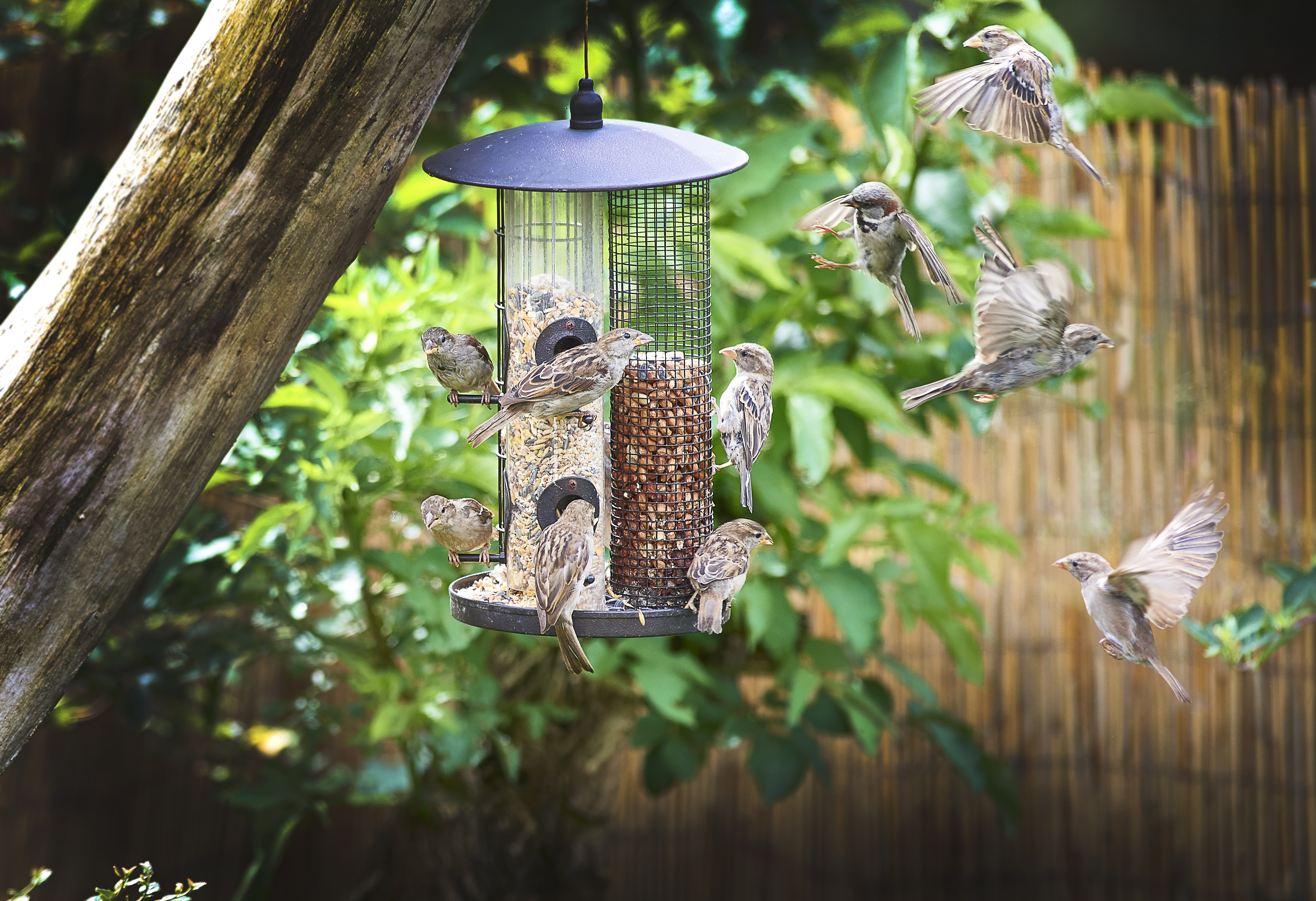
Credit: dengarden.com
Frequently Asked Questions
Do Bird Feeders Make Birds Dependent On Humans?
Bird feeders can provide extra food but do not make birds fully dependent. Birds still forage naturally and adapt to seasonal changes. Feeders supplement diets, especially in winter, but wild birds maintain survival skills independently.
How Often Should Bird Feeders Be Refilled?
Refill bird feeders regularly, ideally every few days. Frequent refilling ensures a consistent food supply, especially during harsh weather. Avoid overfilling to prevent mold or spoiled food, which harms birds.
Can Bird Feeders Affect Bird Migration Patterns?
Bird feeders may slightly influence local bird presence but do not change migration routes. Birds rely on instinct and environmental cues for migration. Feeders provide food but are not the primary factor in migration decisions.
Are There Risks Of Birds Becoming Too Reliant On Feeders?
Birds generally do not become overly reliant on feeders. However, poor feeder hygiene or sudden removal can stress birds. Balanced feeding and proper maintenance minimize risks and support healthy bird populations.
Conclusion
Bird feeders can help birds during tough times. They do not make birds fully dependent. Birds still search for natural food every day. Feeders offer extra support, not a main meal. Watching birds at feeders brings joy and learning. Feeding birds responsibly keeps them healthy and strong.
Enjoy nature while helping birds in your area. Keep feeders clean and filled with fresh food. Balance is key for happy, wild birds.




