
Are you wondering if you can hang a hummingbird feeder near your other bird feeders? It’s a common question for many bird lovers like you.
You want to enjoy watching all kinds of birds, but you also want to make sure your hummingbirds feel safe and welcome. Placing feeders too close together might cause competition or scare some birds away. Keep reading to discover the best way to set up your feeders so you can attract a variety of beautiful birds without any hassle.
You’ll learn simple tips that make your backyard a peaceful haven for every feathered visitor.
Credit: growcycle.com
Hummingbird Feeder Placement
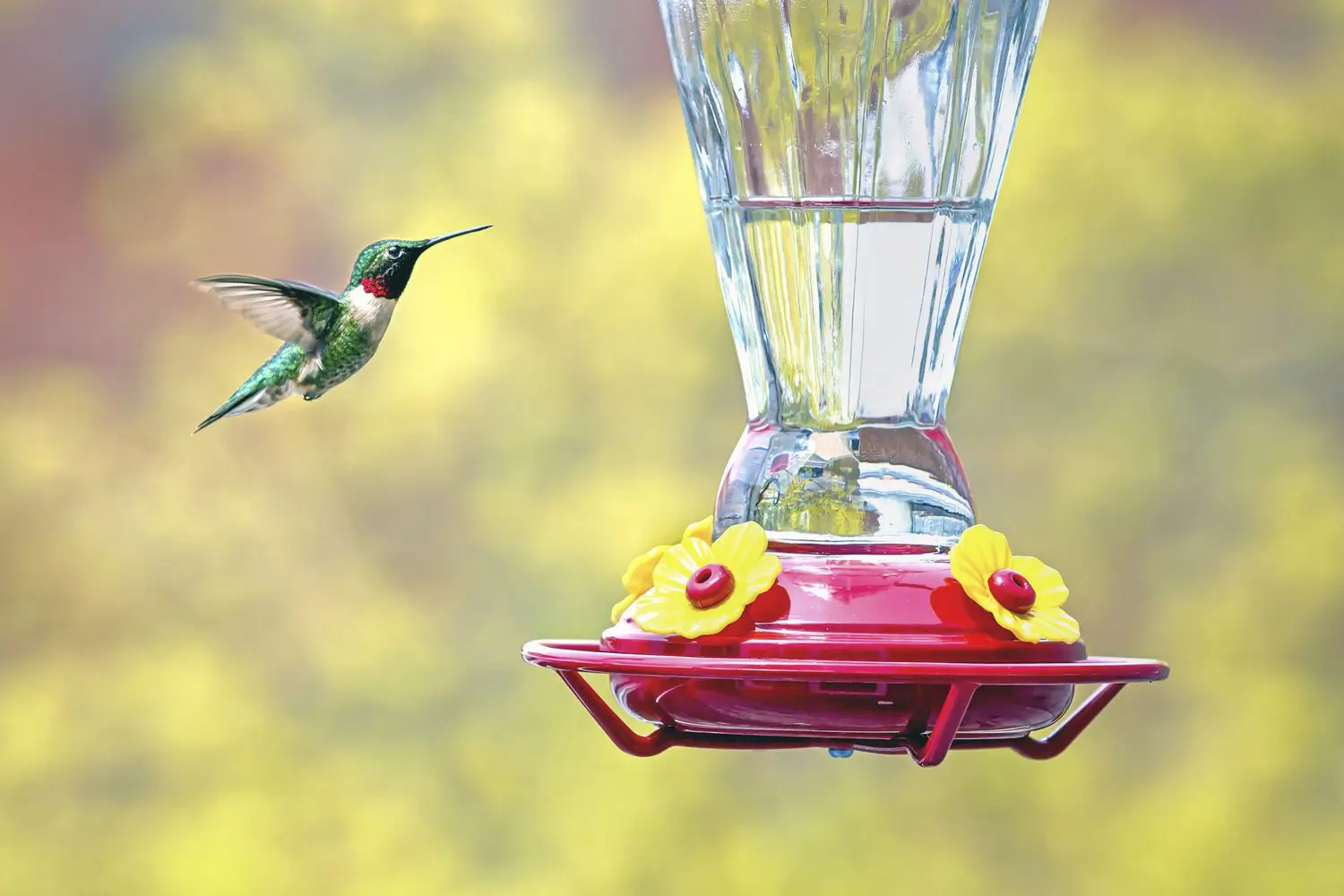
Hummingbird feeder placement plays a big role in attracting these tiny jewels to your garden. Where you put your feeder affects not only how often hummingbirds visit but also how peacefully they feed. Knowing the right spot can help you enjoy their vibrant displays without unnecessary squabbles with other birds.
Ideal Distance From Other Feeders
Hummingbirds are very territorial, especially around food sources. It’s best to place your hummingbird feeder at least 10 to 15 feet away from other bird feeders. This distance gives hummingbirds enough space to feel safe and reduces competition with larger birds like sparrows or finches.
If you have limited space, consider staggering the feeders at different heights. This way, hummingbirds can feed without feeling crowded. Have you noticed that hummingbirds often patrol a specific area? Giving them their own space respects their natural behavior.
Avoiding Territorial Conflicts
Hummingbirds can be aggressive toward other hummingbirds and sometimes other species. To avoid conflicts, choose a spot where your feeder is visible but also offers nearby shelter. Shrubs or trees close by give hummingbirds quick escape routes and resting spots.
Keep the feeder away from busy windows or areas with heavy foot traffic. Sudden movements can stress hummingbirds and cause them to abandon the feeder. Have you ever watched a hummingbird chase another bird away? Providing a calm feeding zone reduces these stressful encounters.
Choosing The Right Location
Place your hummingbird feeder in a spot that gets some morning sun but is shaded in the afternoon. This helps keep the nectar fresh longer and keeps the birds comfortable during hot days. A location near flowers hummingbirds like can also draw them in.
Think about your own viewing pleasure too. Setting the feeder near a window lets you watch these tiny acrobats up close. How often do you get to see nature’s smallest bird right outside your window? Positioning the feeder thoughtfully benefits both you and the hummingbirds.
Types Of Bird Feeders Nearby
Understanding the types of bird feeders nearby helps decide where to place a hummingbird feeder. Different feeders attract various bird species. Their presence can affect hummingbirds’ feeding habits and safety. Knowing the feeder types can guide better placement for harmony among birds.
Seed Feeders
Seed feeders attract many common backyard birds. They usually hold sunflower seeds or mixed seeds. Birds like finches, chickadees, and sparrows visit these feeders. Seed feeders often hang or stand on poles. They can be tube-shaped or hopper style. The seeds can spill or scatter on the ground.
Suet Feeders
Suet feeders offer energy-rich food made from animal fat. Woodpeckers, nuthatches, and some chickadees love suet. These feeders are often cages or mesh bags. They hang from tree branches or hooks. Suet attracts birds that cling or peck at the feeder. It can melt in hot weather, so placement matters.
Platform Feeders
Platform feeders are flat surfaces that hold various food types. They attract a wide range of birds, including doves and jays. Platforms allow feeding for larger birds or ground feeders. They can be placed on poles, tables, or the ground. Food can include seeds, fruits, or mealworms. These feeders offer easy access but less protection from weather.
Attracting Hummingbirds Safely
Hanging a hummingbird feeder near other bird feeders can bring a lively mix of feathered visitors to your yard. However, attracting hummingbirds safely means understanding their unique behavior and needs. You want to create a welcoming spot that keeps hummingbirds comfortable while reducing stress caused by other birds.
Preventing Aggression
Hummingbirds can be territorial, especially around their nectar sources. To prevent aggression, place the hummingbird feeder at least 10 feet away from feeders meant for larger birds. This distance helps hummingbirds feel secure and reduces chances of confrontations.
Watching hummingbirds chase off intruders in my garden made me realize how important space is. Giving them their own feeding zone keeps the peace and lets you enjoy their visits without drama.
Minimizing Competition
Competition for food can stress hummingbirds and other birds alike. Position feeders so hummingbirds have clear access without interference from seed-eating birds. You might also stagger feeding times, refilling the hummingbird feeder more often to ensure fresh nectar is always available.
Think about how you can manage feeding areas to give each bird type its own chance to eat. Have you noticed certain birds dominate your feeders? Adjusting placement can help balance the feeding experience.
Using Visual And Scent Cues
Hummingbirds are attracted to bright colors, especially red. Choose feeders with vibrant red accents and avoid placing them near feeders with strong seed smells that might confuse or deter hummingbirds. Adding red ribbons or flowers nearby can guide hummingbirds directly to their feeder.
On the other hand, many seed-eating birds rely on scent and visual cues for their feeders. Separating feeders by these cues helps each bird find its preferred food source easily. Have you tried adding color markers or natural flowers to signal your feeders’ purpose?
Credit: growcycle.com
Feeder Maintenance Tips
Keeping your hummingbird feeder clean and well-maintained is essential, especially when it’s placed near other bird feeders. Proper maintenance helps protect hummingbirds from harmful bacteria and ensures the nectar stays fresh and inviting. Here are some practical tips to make your feeder a safe and attractive spot for these tiny visitors.
Cleaning Frequency
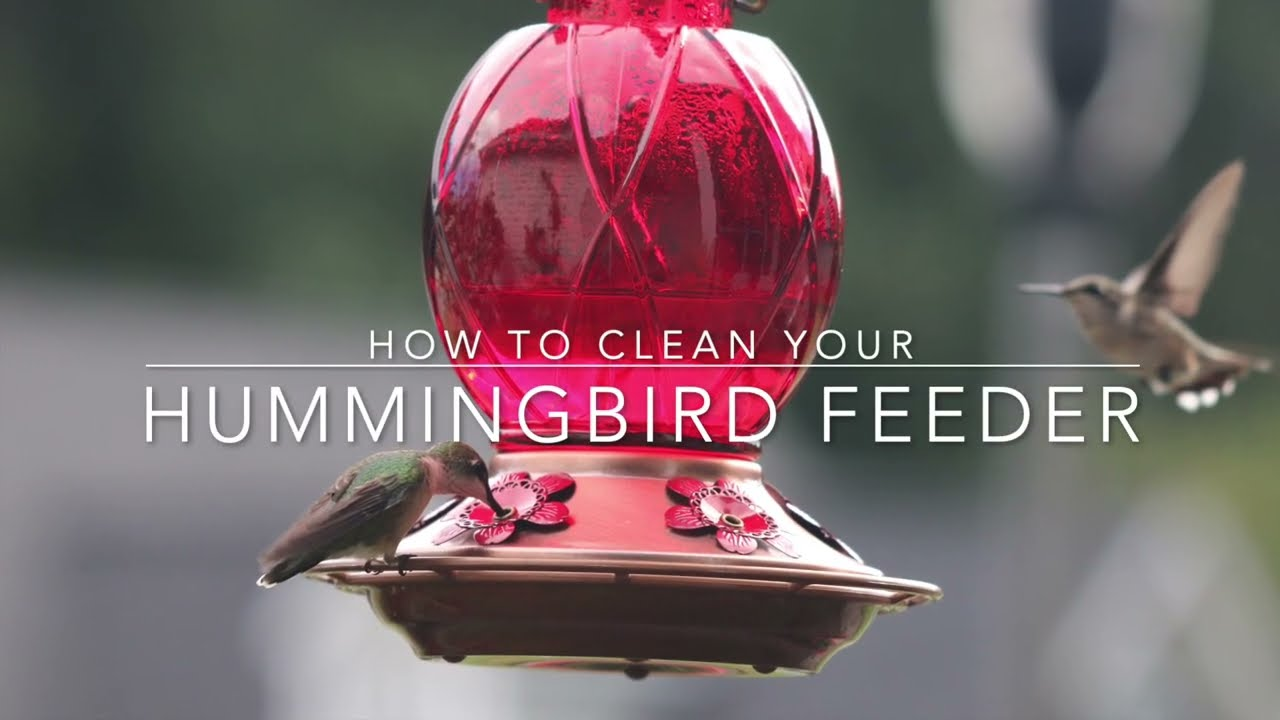
Clean your hummingbird feeder at least once a week. During hot weather, increase cleaning to every two or three days since warmth speeds up fermentation and mold growth. Rinse with warm water and use a small brush to reach all the nooks and crannies, avoiding harsh chemicals that could harm the birds.
Preventing Mold And Bacteria
Mold and bacteria can grow quickly in the sugary nectar, posing risks to hummingbirds. To prevent this, empty the feeder completely before refilling, and avoid using homemade nectar that’s older than a day or two. Placing the feeder in partial shade can also slow down spoilage, keeping the nectar fresher longer.
Refilling Strategies
Refill your feeder with fresh nectar regularly to keep hummingbirds coming back. Use a simple mix of four parts water to one part white sugar—no need for dyes or additives. If you notice a drop in hummingbird visits, check the nectar’s clarity and taste; cloudy or fermented nectar means it’s time for a fresh batch.
Seasonal Considerations
Seasonal changes play a big role in how you should place and maintain your hummingbird feeder, especially if you have other bird feeders nearby. Understanding the feeding habits and environmental challenges hummingbirds face throughout the year can help you create a welcoming space for them while avoiding competition or confusion with other birds. Let’s dive into how migration, feeder placement, and weather impact your hummingbird feeding setup.
Feeding During Migration
Hummingbirds migrate over long distances, often stopping at feeders to refuel. During these times, your feeder becomes a critical pit stop. Placing it near other feeders can either help or hinder their feeding depending on timing.
Have you noticed if your hummingbirds seem shy or aggressive around other birds during migration? If so, consider separating feeders to reduce stress. Migrating birds might prefer a quiet spot without larger birds crowding the area.
Adjusting Feeder Placement
Seasonal changes may require you to move your feeder to better spots. In spring and summer, bright sunlight can heat up the nectar quickly, so placing feeders in shaded or partially shaded spots helps keep the nectar fresh longer.
In cooler months, you might want to move feeders closer to shelter like bushes or trees. This protects hummingbirds from wind and predators. Pay attention to which spots attract the most visitors and adjust accordingly.
Weather Impact On Feeding
Weather fluctuations affect hummingbird activity and nectar consumption. Hot days mean they need more frequent refills, while cooler weather slows their metabolism and feeding rate.
Rain and wind can also discourage hummingbirds from visiting feeders placed in exposed areas. If you’ve noticed less activity during bad weather, try repositioning feeders to more protected spots. How does your feeder location hold up during storms?

Credit: www.kitchenparade.com
Frequently Asked Questions
Can Hummingbird Feeders Be Placed Near Other Bird Feeders?
Yes, hummingbird feeders can be near other feeders. Keep at least 3 feet apart to avoid territorial conflicts and encourage diverse bird visits.
How Close Should Hummingbird Feeders Be To Other Feeders?
Maintain a minimum distance of 3 feet between feeders. This spacing prevents bird aggression and reduces the risk of disease spread.
Will Other Birds Steal Nectar From Hummingbird Feeders?
Most birds do not steal nectar, but ants and bees might. Use ant moats and bee guards to protect the nectar effectively.
Does Placing Feeders Close Affect Hummingbird Behavior?
Yes, close placement can increase competition and stress among hummingbirds. Proper spacing promotes peaceful feeding and attracts more hummingbirds.
Conclusion
Hanging a hummingbird feeder near other feeders can work well. Keep some space to avoid crowding and fights. Hummingbirds need easy access to their nectar. Watch how birds interact and adjust if needed. Clean feeders often to keep birds healthy.
With care, you can enjoy many bird species close by. It’s a simple way to bring nature near your home. Try it and see the colorful hummingbirds up close!




