
Have you ever noticed those unsightly white spots on your car’s paint and wondered if bird poop could actually damage it? You might think it’s just a harmless mess, but what if it’s slowly eating away at your car’s finish?
Understanding how bird droppings affect your paint can save you from costly repairs and keep your car looking fresh. Keep reading to find out why you shouldn’t ignore those pesky stains and how to protect your vehicle before it’s too late.

Credit: www.crzforum.com
How Bird Poop Affects Car Paint
Bird poop on your car might seem like a minor annoyance, but it can have serious consequences for your vehicle’s paint. Understanding how bird droppings affect car paint helps you protect your investment. Let’s break down the reasons behind this damage and what factors make it worse.
Composition Of Bird Droppings
Bird poop is a mix of uric acid, digestive waste, and other organic materials. The uric acid is especially harmful because it’s highly acidic and can eat away at surfaces. This combination makes bird droppings more corrosive than many other types of stains.
Did you know that the color of the poop can indicate its acidity? White parts are mostly uric acid, while darker areas contain more digestive waste. Both contribute to paint damage in different ways.
Chemical Reaction With Paint
When bird droppings sit on your car’s paint, the uric acid starts to break down the protective clear coat. This clear coat is your car’s first line of defense against environmental damage. Once it’s compromised, the paint underneath becomes vulnerable to fading and corrosion.
If left too long, the acid can even etch into the paint layer itself, causing permanent marks. Have you ever noticed those stubborn white spots that won’t wash off? That’s the acid doing its damage.
Factors Influencing Damage
- Duration:The longer the droppings stay on, the worse the damage.
- Weather:Heat speeds up the chemical reaction, making damage happen faster.
- Paint Quality:High-quality paint and clear coats resist damage better.
- Frequency:Frequent exposure without cleaning increases risk.
Have you checked your car’s paint recently for tiny spots or damage? Quick action after spotting bird poop can save you costly repairs later. What’s your approach to keeping your car’s paint safe?
Credit: www.civic11forum.com
Types Of Car Paint And Vulnerability
Understanding the types of car paint and their vulnerability is key to protecting your vehicle from damage like bird droppings. Not all paint finishes react the same way when exposed to acidic substances. Your car’s paint type can determine how quickly and severely bird poop eats through the surface.
Standard Paint Finishes
Most cars come with a standard paint finish, which includes a base color coat followed by a clear coat. This base layer provides the color and some durability, but it’s the clear coat that often does the heavy lifting in protecting your paint.
Without proper maintenance, even a standard finish can become susceptible to damage. Bird droppings contain uric acid, which can start breaking down the paint if left on too long. Have you noticed white spots on your car after a weekend out? Those could be early signs of paint damage.
Clear Coat Protection
The clear coat acts like a shield, adding gloss and resistance to scratches and chemicals. It’s designed to protect the underlying paint from environmental harm, including UV rays and pollutants.
However, even clear coats aren’t invincible. If bird droppings sit on your car for hours or days, the acid can eat through this layer and reach the color coat underneath. Regular washing and applying a good wax or sealant can help maintain this protection and buy you time to clean off harmful deposits.
Impact On Different Paint Types
Cars with single-stage paint, which combine color and protection in one layer, tend to be more vulnerable. This paint type lacks a separate clear coat, so damage can happen faster and be harder to fix.
Metallic and pearlescent paints have special effects that depend on their top layers. Bird droppings can dull these finishes quickly, leaving permanent marks if not removed promptly.
Have you checked how resilient your car’s paint is? Knowing your paint type helps you decide how often to wash and protect your vehicle, minimizing the risk of costly repairs.
Timeframe For Damage To Occur
Bird poop can harm car paint, but the damage timing varies. Several factors affect how fast the paint suffers. These include the type of paint, weather, and how acidic the droppings are. Understanding the timeframe helps in taking quick action to protect the car’s finish.
Immediate Effects
Bird droppings are acidic. They can start to damage paint in minutes. The acid begins to eat the clear coat, the car’s protective layer. This can cause small marks or stains on the surface. Bright sunlight and heat speed up the damage process. Rain can sometimes wash away droppings, slowing the harm.
Long-term Exposure Risks
If bird poop stays on the car for hours or days, damage worsens. The acid breaks down the clear coat and reaches the paint layer below. This causes discoloration and dull spots. Over time, the paint can peel or crack. Long exposure also makes stains harder to clean. Regular washing and quick removal reduce these risks greatly.
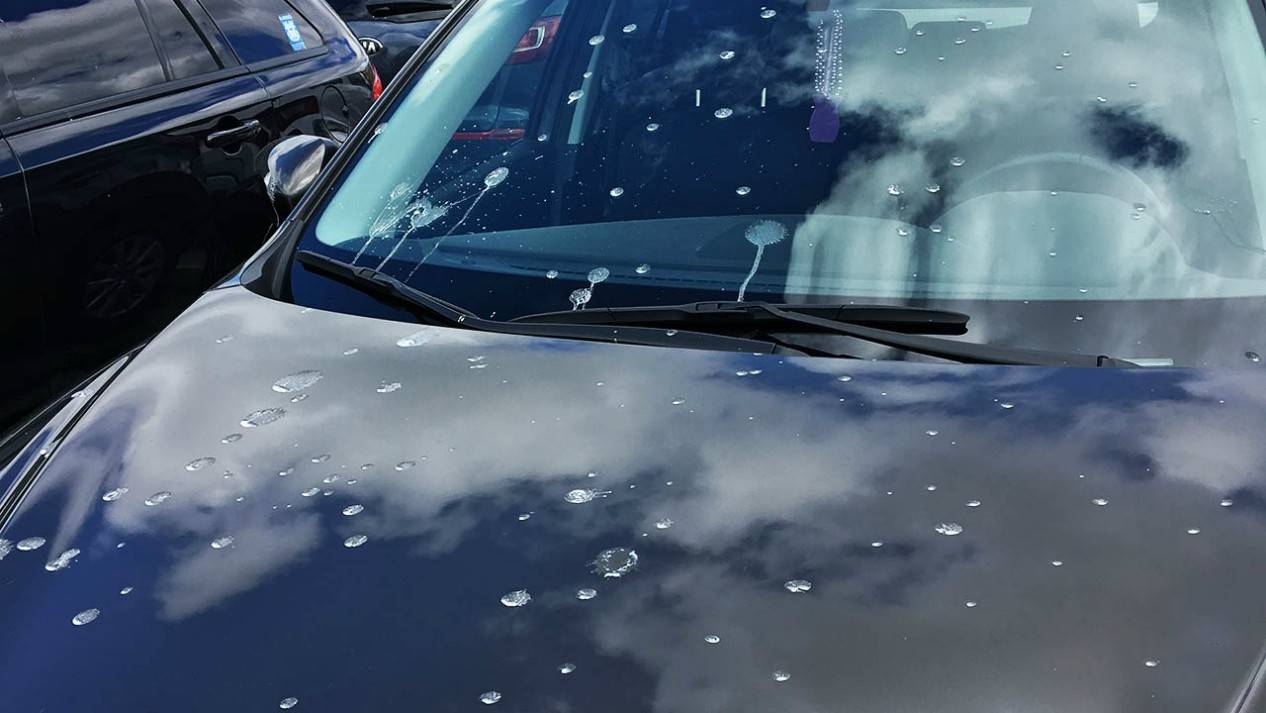
Credit: www.carmudi.com.ph
Preventing Damage From Bird Droppings
Bird droppings can harm your car’s paint if left too long. The acids and enzymes in droppings eat away at the paint’s protective layer. Preventing this damage needs fast action and good protection.
Cleaning bird droppings quickly stops the acid from soaking in. Using the right products protects the paint better. Also, parking in safe spots can reduce the chance of droppings on your car.
Quick Cleaning Techniques
Remove bird droppings as soon as you see them. Use a soft cloth or sponge with water. Avoid scrubbing hard to stop scratches. Spray water or a special cleaner to soften the droppings first. Gently wipe off the mess and rinse well. Dry the area with a clean towel to avoid water spots.
Protective Coatings And Waxes
Apply wax to create a strong layer on the paint. Wax keeps bird droppings from sticking tightly. Ceramic coatings offer even better protection for longer times. These coatings make cleaning easier and shield paint from acids. Reapply wax or coating regularly for the best defense.
Parking Strategies
- Choose covered parking spots whenever possible.
- Avoid parking under trees where birds rest.
- Use a car cover if no covered parking is available.
- Park in open areas to reduce bird activity nearby.
These steps help keep bird droppings off your car. Less droppings mean less chance of paint damage.
Repairing Bird Poop Damage
Bird poop can damage car paint if left untreated. The acidic nature of bird droppings eats away the clear coat and paint layers. Repairing this damage quickly helps keep your car’s surface smooth and shiny. Small stains may only need cleaning, but deeper damage requires professional care or repainting. Understanding repair options protects your car’s look and value.
Diy Cleaning Methods
Start by removing fresh bird droppings as soon as possible. Use a soft microfiber cloth soaked in warm water to gently wipe the spot. Avoid scrubbing hard to prevent scratching the paint. For tougher stains, try a mix of water and mild car soap. Special bird poop removers are also available at auto stores. Always rinse the area well and dry it with a clean towel. Wax the spot afterward to protect the paint.
Professional Treatments
Professional detailers use special tools and products to fix bird poop damage. They can polish out light etching and restore shine. For deeper damage, they may apply paint correction techniques. This process removes a thin layer of paint to smooth the surface. Professionals also add protective coatings to prevent future harm. Getting expert help ensures the repair lasts longer and looks better.
When To Repaint
Repainting becomes necessary if bird poop eats through the clear coat and base paint. Signs include visible scratches, color fading, or rough texture. If damage covers a large area, repainting is the best solution. A fresh paint job restores the car’s appearance and protects the metal underneath. Consult a body shop to evaluate the damage and recommend repainting options. Early action reduces repair costs and preserves your car’s finish.
Myths And Facts About Bird Poop And Car Paint
Bird poop on cars is a common issue for vehicle owners. Many believe it can ruin car paint. This leads to confusion and myths. Let’s dive into the truths and myths.
Common Misconceptions
Many think bird poop instantly damages car paint. This is not true. It does not eat through paint immediately. Some believe washing the car will fix everything. It won’t always restore the paint. Others think it’s only a problem for old cars. New cars are also at risk.
Scientific Insights
Bird poop has uric acid. This acid is harmful to car paint. It softens the paint if left too long. The sun makes it worse. Heat speeds up the damage. Scientists say quick cleaning helps. It reduces the risk of permanent damage. Use gentle cleaning methods. Harsh scrubbing can scratch the paint.
Frequently Asked Questions
Can Bird Poop Damage Car Paint?
Yes, bird poop can damage car paint. Its acidic nature erodes the clear coat and paint if left too long. Prompt cleaning helps prevent permanent stains and paint deterioration.
How Quickly Does Bird Poop Affect Car Paint?
Bird poop can start affecting car paint within hours. The acids in the droppings dry and etch into the paint rapidly, especially under hot sunlight.
What Causes Bird Poop To Eat Through Car Paint?
The uric acid in bird droppings causes paint damage. This acid breaks down the protective layers of the paint, leading to discoloration and corrosion.
How To Protect Car Paint From Bird Poop Damage?
Regular washing and applying a protective wax layer shield the paint. Parking in covered or shaded areas also reduces bird poop exposure.
Conclusion
Bird poop can damage car paint if left too long. Its acids break down the protective layer quickly. Cleaning it off as soon as possible helps avoid stains. Regular washing keeps your car’s paint strong and shiny. Small steps prevent costly repairs later.
Taking care of your car is easy. Just act fast and stay consistent. Your paint will thank you.




