
Have you ever wondered if the hummingbird feeder in your garden is actually helping the tiny birds or causing them harm? You want to attract these beautiful creatures and enjoy their visits, but are you sure your feeder is safe for them?
Many people don’t realize that something meant to care for hummingbirds might sometimes put them at risk. Keep reading to discover the surprising facts about hummingbird feeders and learn how you can make sure your feathered friends stay happy and healthy.
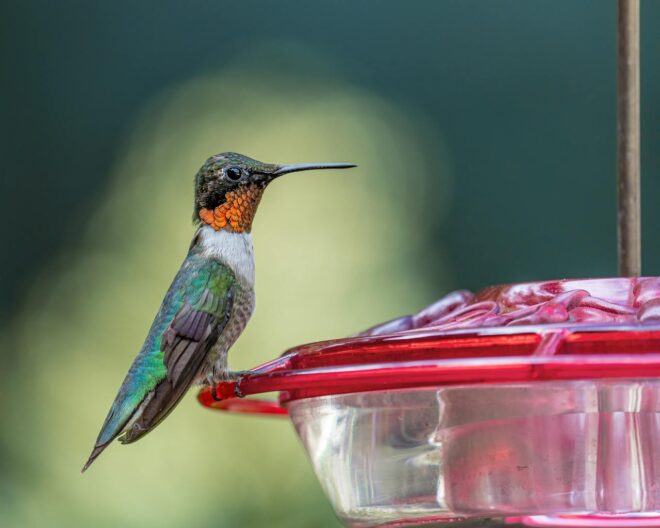
Credit: www.birdwatchingdaily.com
Hummingbird Feeding Basics
Hummingbirds are small, colorful birds known for their rapid wing movement and bright feathers. Feeding them can be a joy. It helps support their energy needs, especially during migration. Understanding the basics of hummingbird feeding ensures their health and safety. Proper feeding can attract these tiny birds to your garden while keeping them safe from harm.
What Attracts Hummingbirds
Hummingbirds are drawn to bright colors, especially red. They look for nectar-rich flowers or feeders that mimic these colors. Sweet liquid is their main food source. They prefer fresh, clean nectar made from sugar and water. Avoid using artificial sweeteners or dyes. The right location also matters. They like feeders placed in shady, quiet spots. Access to fresh water can attract them too.
Common Feeder Types
Hummingbird feeders come in many shapes and sizes. The most popular types include:
- Tube feeders with small feeding ports
- Dish or saucer feeders that hold nectar openly
- Feeder designs with built-in perches for resting
- Ornate glass feeders that add garden beauty
Each feeder type suits different hummingbird habits. Tube feeders limit access to nectar, reducing ants and bees. Dish feeders allow multiple birds to feed at once. Choose a feeder that fits your garden space and helps keep nectar fresh.
Potential Risks Of Feeders
Hummingbird feeders bring joy to many bird watchers. They also help feed birds during scarce seasons. Despite these benefits, feeders can pose risks to hummingbirds. Understanding these risks helps keep the birds safe and healthy. Here are some potential dangers linked to feeders.
Risk Of Mold And Bacteria
Feeders with old nectar can grow mold and bacteria fast. Moldy nectar can harm a hummingbird’s health. Bacteria multiply in warm, sugary environments. Birds drinking contaminated nectar may get sick or die. Cleaning feeders often prevents these dangers. Change nectar every few days to keep it fresh.
Impact On Natural Foraging
Relying on feeders might reduce a bird’s natural foraging skills. Birds may visit feeders instead of searching flowers for nectar. This change can affect their diet balance and behavior. In the long run, hummingbirds may struggle to find food in the wild. It is important to offer feeders as a supplement, not a replacement.
Predator Attraction
Feeders can attract predators like cats, snakes, and larger birds. Predators watch feeders as hunting spots. Hummingbirds may face higher risks of attack near feeders. Placing feeders in safe, open spaces reduces this threat. Careful feeder placement helps keep hummingbirds away from danger.
Feeder Maintenance Tips
Keeping your hummingbird feeder clean and well-maintained is key to ensuring the birds visiting your yard stay healthy and happy. Neglecting feeder care can lead to mold growth and harmful bacteria, which can harm these tiny creatures. Here are some practical tips to help you maintain your feeder properly and provide a safe feeding environment.
Cleaning Frequency
Cleaning your hummingbird feeder regularly is essential. Ideally, wash it every 2-3 days, especially in hot weather, to prevent fermentation and mold. If you notice any cloudiness or buildup, clean it immediately to avoid health risks for the birds.
Use hot water and a mild detergent, or a solution of one part white vinegar to four parts water. Rinse thoroughly to remove any residue that could be harmful. Avoid harsh chemicals, as they might leave behind toxins.
Safe Sugar Water Recipes
Make your nectar with just two simple ingredients: white granulated sugar and water. Mix 1 part sugar to 4 parts boiling water, stirring until the sugar dissolves completely. Avoid using honey, artificial sweeteners, or red dye, as they can be harmful or unnecessary for hummingbirds.
Cool the solution before filling the feeder. Store any extra nectar in the refrigerator and replace it every 3-4 days to keep it fresh.
Placement Strategies
Where you place your feeder matters for both the birds’ safety and your viewing pleasure. Choose a shady spot to slow down fermentation and keep the nectar fresh longer. Placing the feeder near natural flowers can attract more hummingbirds, making your yard a lively spot.
Keep the feeder away from windows to prevent collisions. Also, consider positioning it where you can easily access it for cleaning and refilling without disturbing the birds too much.
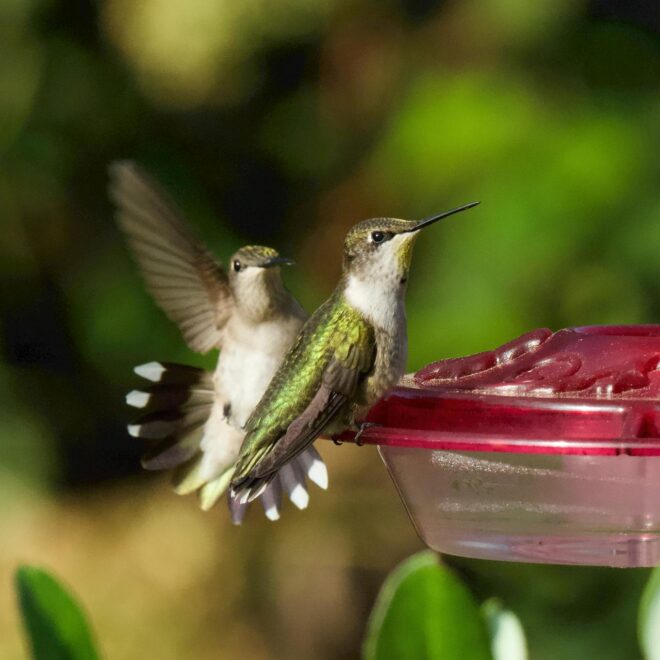
Credit: www.birdwatchingdaily.com
Benefits Of Using Feeders
Using hummingbird feeders can offer several benefits that enhance your connection with nature and support the birds themselves. These feeders serve as a reliable food source, especially during critical times of the year. They also create unique opportunities to learn and engage with wildlife right in your backyard.
Supporting Migratory Birds
Hummingbird feeders provide essential nourishment during migration periods when natural food sources can be scarce. You might notice more birds stopping by your feeder as they rest and refuel on their long journeys. Offering a clean and consistent supply of nectar helps these tiny travelers maintain their energy and increases their chances of survival.
Educational Opportunities
Watching hummingbirds at a feeder can turn your outdoor space into a live classroom. You get to observe their behaviors, feeding patterns, and even identify different species up close. This hands-on experience can deepen your understanding of bird life and inspire others, especially children, to appreciate wildlife.
Encouraging Backyard Wildlife
Setting up feeders attracts not just hummingbirds but also other pollinators and insects, creating a mini ecosystem around your home. This increased wildlife activity can make your garden more vibrant and lively throughout the season. Have you ever noticed how a simple feeder can transform your backyard into a buzzing hub of life?
Alternatives To Feeders
If you’re concerned about the impact of hummingbird feeders on birds, there are natural ways to attract and support these tiny creatures. Alternatives to feeders can provide a safer and more sustainable environment. You might find that creating a bird-friendly space with native plants and natural habitats not only helps hummingbirds thrive but also brings a beautiful, lively garden to your doorstep.
Planting Native Flowers
Native flowers are a hummingbird’s best source of natural nectar. These plants have evolved alongside local wildlife, making them perfectly suited to meet the birds’ nutritional needs. Adding native flowers like bee balm, cardinal flower, and trumpet vine to your garden invites hummingbirds to feed naturally.
Think about the last time you noticed a hummingbird hovering near a bright flower. That sight is a sign your garden can become a hummingbird haven without relying on feeders. Plus, native plants often require less water and care, making your garden eco-friendly and low-maintenance.
Creating Natural Habitats
Hummingbirds need more than just food—they require shelter, water, and safe places to rest. You can create natural habitats by planting shrubs and trees that offer cover and nesting spots. Including a small water feature, like a misting fountain, can also attract hummingbirds by providing hydration and a place to bathe.
Have you noticed how birds avoid areas without safe hiding spots? Providing natural cover helps protect hummingbirds from predators and harsh weather. Your garden becomes a sanctuary, encouraging hummingbirds to visit regularly and stay longer.
Expert Opinions And Research
Expert opinions and research explore whether hummingbird feeders harm birds. Some studies suggest feeders can disrupt natural feeding patterns. Others find they provide essential nourishment, especially in urban areas.
When you hang a hummingbird feeder in your garden, you may wonder if you’re helping or harming these tiny creatures. It’s a topic of much debate, with experts weighing in from various fields. Understanding their perspectives can guide your decision on whether to use feeders or not.Studies On Feeder Impact
Scientific studies offer insights into how feeders influence hummingbirds. Some research suggests that feeders provide a reliable food source, especially when natural flowers are scarce. However, critics argue that feeders can disrupt natural foraging behaviors and potentially expose birds to diseases if not maintained properly. A study conducted by ornithologists showed that hummingbirds using feeders had more energy reserves, which is crucial during migration periods. Yet, researchers also noted that feeders might lead to increased competition and stress among birds. Are you ensuring your feeder is a boon rather than a bane?Wildlife Conservation Perspectives
From a conservation standpoint, the use of feeders is a double-edged sword. Conservationists appreciate the role feeders play in supporting local bird populations, particularly in urban areas where natural habitats are dwindling. They encourage the use of feeders as part of a broader strategy to support wildlife. However, they also emphasize the importance of responsible feeding. This includes maintaining clean feeders, offering natural nectar alternatives, and planting native flowers to create a balanced ecosystem. Are you ready to contribute to conservation efforts while enjoying the delightful presence of hummingbirds in your backyard?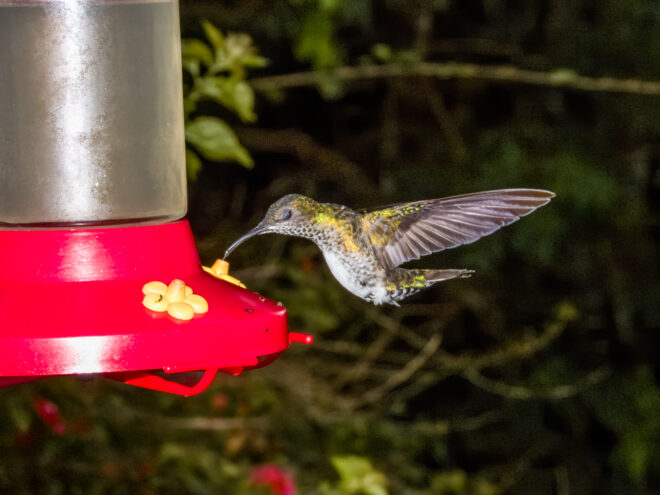
Credit: www.birdwatchingdaily.com
Frequently Asked Questions
Are Hummingbird Feeders Harmful To Birds’ Health?
Hummingbird feeders are safe when cleaned regularly. Dirty feeders can breed mold and bacteria, harming birds. Use fresh nectar and clean feeders weekly to keep birds healthy.
Can Hummingbird Feeders Affect Natural Feeding Habits?
Hummingbird feeders supplement natural nectar sources without harming habits. Birds still forage flowers and insects. Feeders provide food during scarce times, supporting hummingbird survival.
How Often Should I Clean My Hummingbird Feeder?
Clean feeders at least once a week. In hot weather, clean twice weekly to prevent mold. Use hot water and mild soap, rinsing thoroughly to protect bird health.
What Ingredients Are Safe For Hummingbird Feeder Nectar?
Use four parts water to one part white sugar. Avoid honey, artificial sweeteners, or red dye, which can harm birds. Boil water to dissolve sugar, then cool before filling feeders.
Conclusion
Hummingbird feeders can be safe if cleaned often and used right. They help birds find food when flowers are scarce. Watch the sugar water mix closely; avoid anything harmful. Keep feeders away from pests and direct sun. Feeding birds can be a fun way to enjoy nature.
Care and attention make a big difference for hummingbirds’ health. Choose feeders with simple designs to protect the birds. Small steps keep these tiny creatures happy and healthy.




