
Have you ever tossed a piece of bread to birds in your backyard or at the park? It might seem like a kind and simple way to feed them.
But what if I told you that giving bread to birds could actually harm them? You care about these little creatures, and understanding why bread isn’t the best food for them can help you make better choices. Keep reading, and you’ll discover surprising facts that could change how you help the birds around you—and why a small change in what you feed them makes a big difference.
The Popularity Of Feeding Birds Bread
Feeding birds bread is a common sight in parks and gardens. Many people enjoy this simple act of kindness. It feels good to feed birds and watch them gather around. Bread is easy to find and share. Its popularity as bird food comes from habit and convenience.
Common Reasons People Feed Birds Bread
- Bread is cheap and usually available at home.
- People think birds enjoy eating bread.
- Feeding bread to birds is a fun outdoor activity.
- It creates a chance to connect with nature.
- Many believe bread helps birds survive, especially in winter.
- Children often learn to feed birds with bread as a simple start.
Historical Background Of Bread As Bird Food
Bread has been used as bird food for centuries. In the past, people fed birds with leftover bread scraps. It was a way to avoid waste and help wildlife. Bread was a staple food in many homes, making it a natural choice for feeding animals.
In old stories and traditions, feeding birds with bread symbolized kindness. It was a small act of care in busy lives. Over time, this practice became a popular pastime in parks and villages. People passed down the habit through generations. Today, the tradition still continues in many places around the world.
Nutritional Problems With Bread
Feeding birds bread might seem harmless, but it actually causes several nutritional problems. Bread lacks the essential nutrients birds need to stay healthy and active. Understanding these issues helps you make better choices for feeding wildlife.
Lack Of Essential Nutrients
Bread offers almost no vitamins or minerals that birds require. Unlike seeds, insects, and fruits, bread provides no protein, calcium, or fat, which are critical for their growth and energy.
I once watched a group of ducks eating bread daily. Over time, they became lethargic and less active, clearly showing signs of poor nutrition. This showed me that bread can’t support their health like their natural diet.
Without proper nutrients, birds can develop weak bones, poor feathers, and low resistance to diseases. Your intention to help can unintentionally harm if the diet is unbalanced.
High Carbohydrate Content And Its Effects
Bread is mostly made of carbohydrates, which give birds quick energy but little lasting benefit. Too many carbs can cause weight gain and disrupt their natural feeding habits.
Birds eating bread often fill up on empty calories, leaving less room for nutrient-rich foods. This can lead to malnutrition despite eating plenty.
Have you noticed birds crowding around bread thrown in parks? They might rely on it too much and forget to search for healthier options. This dependency can reduce their survival chances in the wild.
Health Risks For Birds
Feeding bread to birds may seem harmless, but it poses serious health risks. Bread lacks the nutrients birds need and can cause various physical problems. Understanding these dangers helps you make better choices for the birds you want to help.
Digestive Issues
Bread swells up in a bird’s stomach, which can cause discomfort and blockages. Birds are not equipped to digest processed flour and yeast found in bread. This can lead to bloating, constipation, and even death if the blockage is severe.
Have you ever noticed birds avoiding bread after eating it once? That’s their body’s way of telling you it’s not good for them.
Malnutrition And Starvation
Bread fills a bird’s stomach but provides almost no real nutrition. When birds eat too much bread, they feel full but don’t get the vitamins, minerals, or protein they need. This can lead to malnutrition and weaken their immune systems.
Imagine eating empty calories every day. You’d feel hungry and tired despite eating a lot. Birds suffer the same fate when fed bread regularly.
Development Of Angel Wing Condition
Angel wing is a deformity caused by poor nutrition, often linked to a diet high in carbohydrates and low in essential nutrients. Birds with angel wing have twisted wing feathers that prevent them from flying properly. Feeding bread to waterfowl, especially young ones, increases the risk of this painful condition.
Would you want to help a bird that can no longer escape predators or find food because of a preventable condition? Avoid feeding bread to protect their health and freedom.
Credit: shamarm.medium.com
Environmental Consequences
Feeding birds bread may seem harmless, but it causes serious environmental problems. Leftover bread often ends up in water bodies or on the ground. This affects nature in many harmful ways.
Water Pollution And Algae Growth
Bread crumbs that fall into lakes or ponds increase nutrient levels in the water. These nutrients feed algae, causing rapid algae growth. This growth blocks sunlight and reduces oxygen in the water.
Fish and other aquatic life struggle to survive in these low-oxygen conditions. The water becomes dirty and unhealthy. This disrupts the balance of the entire ecosystem.
Attracting Pests And Unwanted Wildlife
Leftover bread attracts rats, mice, and insects. These pests can spread disease and damage the environment. They also compete with native wildlife for food.
Feeding bread draws large flocks of birds to one area. This can lead to overcrowding and more waste. Overcrowded spots become breeding grounds for bacteria and parasites.
Better Alternatives To Bread
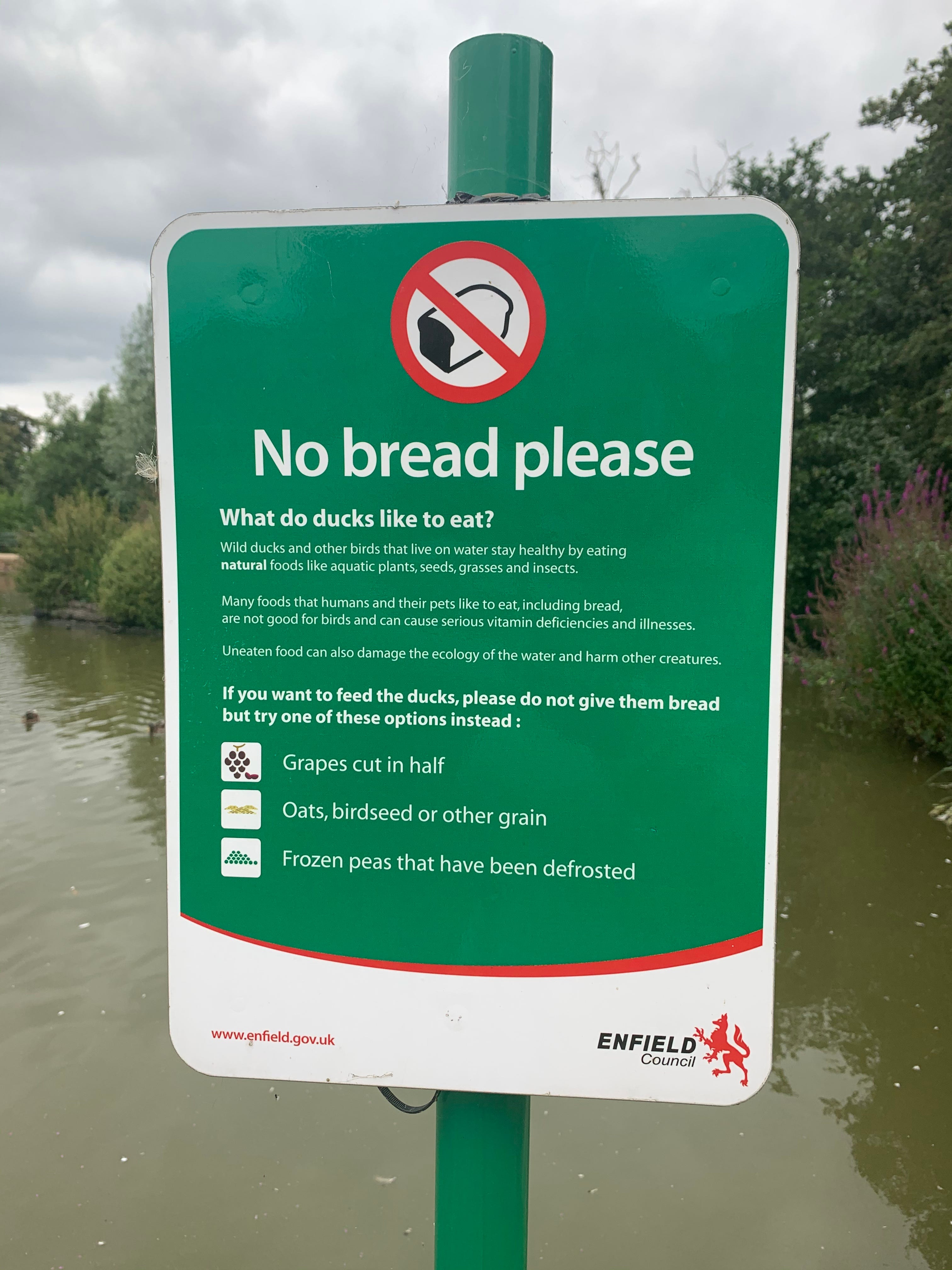
Feeding birds bread might seem harmless, but it lacks the nutrition they truly need. Luckily, there are better alternatives that not only keep birds healthy but also encourage natural foraging behaviors. These options provide essential nutrients and make your backyard a thriving spot for feathered visitors.
Seeds And Grains
Birds love seeds, and many species depend on them for energy. Sunflower seeds, millet, and cracked corn are excellent choices that provide fats and proteins. You can scatter these on the ground or use a feeder to attract a variety of birds.
Think about the last time you watched birds pecking at seeds—it’s fascinating how active and lively they become. Wouldn’t you want to support their health with something that fuels their energy?
Fruits And Vegetables
Fresh fruits like apples, berries, and grapes offer vitamins and hydration. Vegetables such as peas and corn are also favorites among many birds. Cut them into small pieces and place them on a platform feeder for easy access.
Have you ever noticed how birds eagerly pick at juicy berries? Providing fruits and veggies mimics their natural diet and keeps them coming back to your yard.
Specialized Bird Feed
There are many commercial bird feeds designed to meet the nutritional needs of different bird species. These blends often include a mix of seeds, nuts, and dried fruits. Using specialized feed ensures you offer balanced nutrition without guesswork.
Imagine watching a flock of vibrant finches or cardinals visit regularly—specialized feed can help make that a reality. Why settle for bread when you can provide what birds truly need?

Credit: www.reddit.com
How To Feed Birds Responsibly
Feeding birds bread can harm their health. It lacks essential nutrients birds need. Instead, offer seeds, nuts, or fruit. These options provide the vitamins and minerals necessary for their well-being.
Feeding birds can be a rewarding way to connect with nature, but it’s crucial to do it responsibly. Many people are unaware that feeding birds bread can be harmful, causing malnutrition and other health issues. Instead of bread, providing birds with nutritious alternatives ensures their health and well-being. Let’s explore how you can feed birds responsibly while making your backyard a safe haven for them.Proper Feeding Techniques
Selecting the right food is essential. Opt for seeds, nuts, or suet that offer essential nutrients. Consider placing feeders at different heights to accommodate various bird species. Use feeders with small openings to prevent larger birds from dominating. This encourages a diverse array of birds to visit. Always clean feeders regularly to prevent the spread of disease.Seasonal Considerations
Birds have different needs throughout the year. In winter, high-fat foods like suet can provide much-needed energy. Spring and summer call for a higher protein diet to support breeding and molting. Adjust the type and amount of food based on the season. This helps birds during their most challenging times and ensures their visits are beneficial.Maintaining Clean Feeding Areas
A clean feeding area is vital for bird health. Regularly remove old food and debris from around feeders. This minimizes the risk of attracting pests or spreading disease among birds. Consider using bird-safe cleaning solutions to sanitize feeders and bird baths. Your efforts create a healthier environment, encouraging more birds to visit your space.
Credit: x.com
Frequently Asked Questions
Why Is Bread Bad For Birds’ Health?
Bread lacks essential nutrients birds need. It fills their stomachs but offers little energy or vitamins. Feeding bread can lead to malnutrition and health problems in birds.
Can Bread Harm Birds Physically?
Yes, bread can cause physical harm. Moldy bread can poison birds, and large amounts cause digestive issues. It may also lead to “angel wing,” a deformity affecting flight.
What Happens If Birds Eat Too Much Bread?
Overeating bread causes malnutrition and obesity in birds. It can disrupt their natural diet and weaken their immune system. This makes birds more vulnerable to diseases and predators.
Are There Safe Alternatives To Feed Birds?
Yes, safe bird foods include seeds, nuts, fruits, and specially made bird feed. These options provide balanced nutrition and support birds’ natural diets and health.
Conclusion
Feeding birds bread can harm their health and growth. Bread lacks important nutrients birds need to stay strong. It can also cause pollution and attract pests. Choosing natural foods like seeds or fruits helps birds thrive. Care for birds by giving them proper food and clean water.
Small changes make a big difference for their well-being. Protecting birds supports nature and keeps your local wildlife safe. Remember, feeding birds right is simple and kind.




