
Have you ever wanted to capture stunning bird’s eye view shots but didn’t know where to start? Setting up a bird’s eye view rig for your camera might seem tricky, but with the right steps, you can create amazing overhead footage that grabs attention.
In this guide, you’ll learn simple and effective ways to rig your camera for that perfect top-down perspective. By the end, you’ll have the confidence to shoot eye-catching videos and photos that stand out. Ready to elevate your shots? Let’s dive in!
Choosing The Right Equipment
Choosing the right equipment is key for capturing clear bird’s eye view shots. The gear must be stable and reliable to keep the camera steady high above the scene. Proper equipment prevents shakes and blurs that ruin footage.
Equipment choice depends on the camera size, mounting options, and the shooting environment. Lightweight setups work best for drones or handheld rigs. Heavy cameras need strong, secure mounts. Accessories like cables and remote controls also improve the shooting experience.
Camera Types For Bird’s Eye Shots
Compact action cameras are ideal for bird’s eye views. They are light, easy to mount, and offer good video quality. Drones often use these cameras for aerial shots.
DSLR and mirrorless cameras provide higher image quality. They are heavier and need strong support. Use these for professional-level bird’s eye shots.
360-degree cameras capture all angles at once. They are useful for immersive views but need careful positioning.
Selecting Suitable Mounts And Rigs
Tripods with tall, sturdy legs provide stable platforms. Look for adjustable height and locking joints.
Ceiling mounts or wall brackets keep the camera fixed above the subject. These are good for indoor shoots.
Drone mounts hold cameras safely in flight. Choose ones that fit the camera size and weight.
Gimbals stabilize the camera during movement. They reduce shakes and keep shots smooth.
Essential Accessories
- Remote controls allow camera operation from a distance.
- Extra batteries ensure longer shooting times without interruption.
- Memory cards with high write speeds capture smooth video.
- Weighted counterbalances keep rigs steady in wind or motion.
- Protective cases safeguard equipment during transport and setup.
Credit: makezine.com
Planning The Setup Location
Choosing the right location for your bird’s eye view camera setup is crucial for capturing clear and impactful footage. This stage sets the foundation for your entire rigging process. Careful planning helps avoid common pitfalls and ensures your camera delivers exactly what you envision.
Assessing The Environment
Start by thoroughly checking the area where you plan to set up the camera. Look for stable surfaces or structures that can support your rig securely.
Consider lighting conditions throughout the day. Shadows and glare can drastically affect the quality of your shots.
Ask yourself: are there any obstacles like trees, wires, or signs that might block the camera’s view? Clear sightlines are essential.
Safety Considerations
Your safety and the safety of others should come first. Avoid locations that put you or your equipment at risk of falling or electrical hazards.
Make sure your rig won’t interfere with people or vehicles moving below. A loose camera can cause serious injuries or damage.
Wear protective gear and use secure harnesses or mounts. Double-check all fastenings before leaving the camera unattended.
Optimal Height And Angle
Think about how high the camera should be to capture the best view. Too low, and you lose the bird’s eye perspective; too high, and details might get lost.
Experiment with angles to find the sweet spot where you get a wide, clear shot without distortion.
Sometimes, small adjustments make a big difference. Test multiple positions before finalizing your setup to get the perfect frame.
Assembling The Rig
Assembling the rig for a bird’s eye view camera requires careful setup to ensure stability and clear shots. Each part must fit well and support the camera’s weight. Proper assembly helps avoid shaky footage and keeps your camera safe during use.
Mounting The Camera Securely
Use a sturdy mount designed for your camera model. Tighten screws firmly but avoid over-tightening to prevent damage. Check that the camera does not wobble or shift after mounting. Test the mount by gently shaking the rig to confirm stability.
Balancing The Rig
Balance the rig by adjusting the position of the camera and counterweights. Place weights opposite the camera to create even distribution. A balanced rig reduces strain on arms or supports. It also produces smoother, more professional-looking shots.
Cable Management Tips
- Keep cables short to avoid tangling and clutter.
- Use zip ties or Velcro straps to secure cables neatly along the rig.
- Ensure cables do not pull on the camera or connectors.
- Label cables if needed for easy identification.
Adjusting Camera Settings
Adjusting camera settings is vital for a clear and captivating bird’s eye view shot. Proper settings help capture every detail from above, making the image sharp and well-lit. Small changes can greatly improve the final video or photo quality.
Lens Selection And Focus
Choose a wide-angle lens to cover more area from above. This lens type captures a larger scene without distortion. Set the focus to infinity or manual mode. This keeps everything sharp, especially distant subjects. Avoid autofocus as it might shift during recording.
Exposure And Lighting
Set the exposure to balance light and shadow effectively. Use a lower ISO to reduce grain in bright daylight. Adjust shutter speed to avoid motion blur from moving objects. Use natural light or add soft lighting if the scene is dark. Avoid harsh shadows that distract from the main subject.
Framing The Shot
Position the camera to center the main subject in the frame. Leave some space around the edges for context. Use grid lines to help align the shot symmetrically. Check for unwanted objects or distractions in the frame. Keep the horizon straight to maintain balance and professionalism.
Testing And Troubleshooting
Testing and troubleshooting your bird’s eye view rig is essential to capture the perfect shot. Without this step, you might miss critical issues that affect your footage. Taking time to evaluate and fix problems ensures your camera setup works smoothly and delivers the perspective you want.
Conducting Trial Shots
Start by taking several test shots from different angles and heights. Use these trial shots to check framing, focus, and stability. Pay attention to lighting and shadows, as they often change the overall look from above.
Try moving the camera slightly to see how the perspective shifts. This helps you understand the exact placement needed for your scene. Also, review the footage on a larger screen to catch details you might miss on the camera display.
Identifying Common Issues
Watch out for shaky or unstable footage—this usually means your rig isn’t secure enough. Blurry images often come from incorrect focus or insufficient lighting. Another frequent problem is unwanted reflections if you’re using glass or plastic mounts.
Check for any cables or rig parts blocking the lens or casting shadows. Sometimes, the rig’s height might be off, causing distorted perspectives. Can you spot any distractions in the background that might pull attention away from your main subject?
Making Necessary Adjustments
Once you identify issues, tighten loose screws or add padding to reduce vibrations. Adjust your focus manually if the camera struggles with autofocus from this angle. Consider repositioning lights or using diffusers to minimize harsh shadows.
If reflections are a problem, try angling the camera or using a polarizing filter. You may need to raise or lower the rig to get the best perspective without distortion. Remember, small tweaks often make the biggest difference in your final shot quality.
Credit: makezine.com
Advanced Techniques
For those seeking dynamic bird’s eye views, advanced techniques offer stunning possibilities. These methods elevate your shots, providing unique angles and fluidity. Let’s explore some of these advanced techniques to enhance your camera rigging skills.
Using Drones For Bird’s Eye Views
Drones offer flexibility in capturing aerial shots. They provide sweeping views from various heights. With a drone, you can easily adjust the altitude. This allows for precise framing of your subject. Ensure your drone is stable to avoid shaky footage. Consider wind conditions to maintain a steady shot. Drones with high-resolution cameras deliver clearer images. Practice flying to improve your control and shot composition.
Incorporating Motion Control
Motion control adds dynamic movement to your shots. It enables smooth transitions and consistent motion paths. Use motorized rigs for precise camera movements. Plan your motion paths in advance to avoid errors. This technique is great for time-lapse and slow-motion effects. Motion control creates a cinematic feel, enhancing the viewer’s experience. Experiment with different speeds for creative results.
Creative Shot Variations
Varying your shots keeps content engaging. Try different angles and perspectives. Capture both wide and close-up shots for variety. Use zoom lenses to switch between focal lengths. Experiment with tilting the camera for dramatic effects. Incorporate natural elements like trees or buildings in your frame. This adds depth and interest to the shot. Play with light and shadows for a unique look.
Safety And Maintenance Tips
Setting up a bird’s eye view for a camera can be thrilling. Ensuring safety and proper maintenance is crucial. This guarantees not only the longevity of your equipment but also the safety of your surroundings. Follow these essential tips to keep your setup secure and functioning well.
Regular Equipment Checks
Inspect your rigging equipment often. Look for any signs of wear or damage. Check the ropes, pulleys, and carabiners. Make sure they are in good condition. Replace any worn-out parts immediately. A little vigilance can prevent big problems.
Preventing Damage
Protect your camera from environmental damage. Weather can be unpredictable. Use covers to shield the camera from rain or dust. Store equipment in a dry place when not in use. This prevents rust and corrosion. Keep cables organized to avoid tangling or damage.
Safe Rig Handling Practices
Always handle the rig with care. Use gloves for a better grip. Avoid sudden movements while adjusting the camera. Secure all connections tightly. Double-check before lifting the rig. Ensure nobody is standing underneath the setup. Safety first, always.
Credit: makezine.com
Frequently Asked Questions
What Equipment Is Needed For A Bird’s Eye View Rig?
A sturdy overhead rig, adjustable arm, and secure camera mount are essential. Use lightweight materials to ensure stability and ease of adjustment.
How To Position The Camera For A Perfect Bird’s Eye Shot?
Place the camera directly above the subject at a 90-degree angle. Ensure the lens is centered to capture a symmetrical top-down view.
What Safety Measures Should I Take When Rigging A Camera Overhead?
Secure all rig components tightly and double-check connections. Use safety cables to prevent accidental falls and keep the area clear during setup.
Can I Use A Smartphone For Bird’s Eye View Rigging?
Yes, smartphones can be used with appropriate mounts and rigs. Ensure the device is securely fastened and stable to avoid shaky footage.
Conclusion
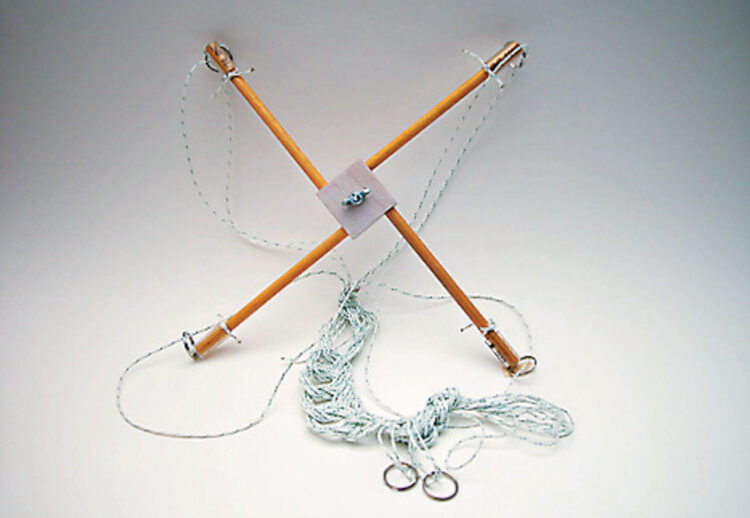
Rigging a bird’s eye view for a camera takes careful steps. Start with a strong frame to hold the camera safely. Use ropes or cables to lift and steady the setup. Check the camera angle to get the perfect shot from above.
Test everything before you start filming or taking photos. This method helps capture unique views easily. With practice, you can create clear and steady overhead images. Try these tips next time you want a bird’s eye view. It makes your shots look fresh and interesting.
Keep it simple and safe for best results.




