
Finding a baby bird in need can tug at your heart, but knowing how to help isn’t always easy. If you want to nurse that fragile little creature back to health, you need clear, simple steps you can trust.
This guide is made just for you—breaking down exactly what to do, how to do it, and what to watch for. By the end, you’ll feel confident and ready to give that baby bird the care it truly deserves. Keep reading, because every moment counts when a tiny life depends on you.

Credit: www.reddit.com
Identifying Injured Baby Birds
Finding a baby bird that looks hurt can be upsetting. It is important to know how to spot signs of injury. This helps you decide if the bird needs help.
This guide covers common signs of distress in baby birds and tells when to step in to help them safely.
Common Signs Of Distress
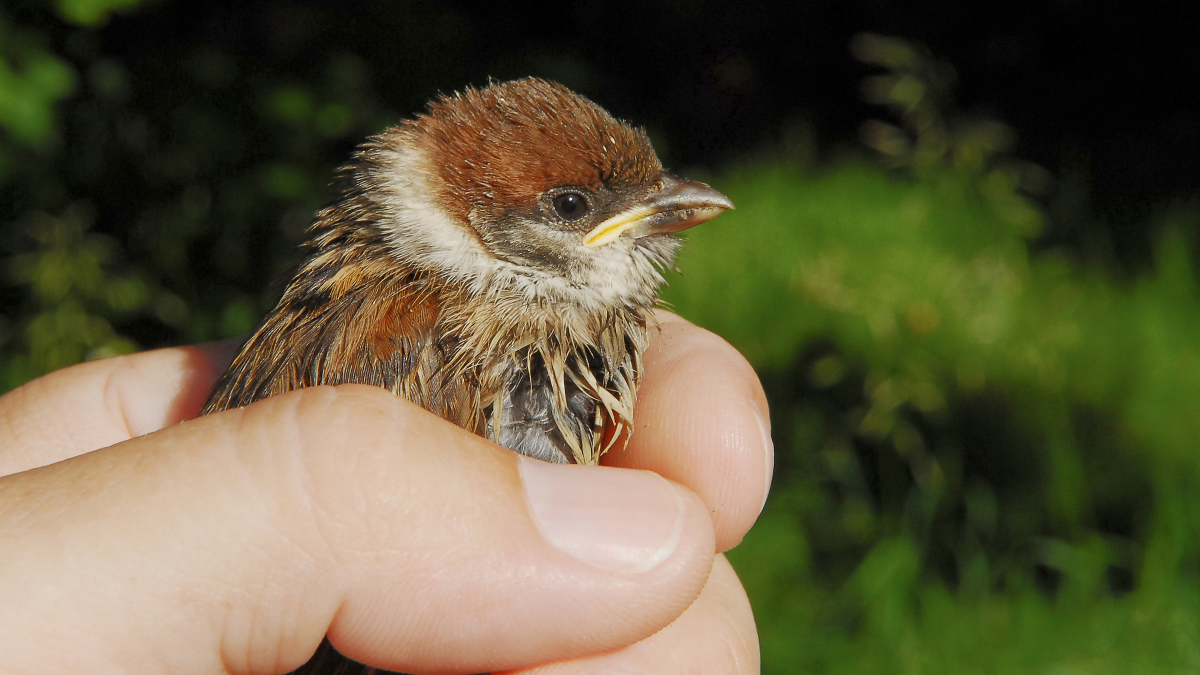
Baby birds may show many signs if they are hurt or sick. Watch closely for these symptoms.
- Feathers that look ruffled or missing in patches
- Bird lying still and not trying to move
- Visible wounds or bleeding on wings or legs
- Weakness or inability to stand or perch
- Labored breathing or open-mouth breathing
- Unusual noises like constant crying or silence
When To Intervene
Knowing when to help a baby bird is key. Not all birds need intervention right away. Some are better off left alone.
| Condition | What to Do |
| Bird is cold and not moving | Warm it gently and contact a wildlife rehabilitator |
| Obvious injuries like broken wing or bleeding | Place in a safe box and seek professional help |
| Featherless and begging for food | Only intervene if the mother is gone for long |
| Bird is alert and hopping near the nest | Watch from a distance; usually no help needed |
Credit: pethelpful.com
Preparing A Safe Recovery Space
Nursing a baby bird back to health needs a quiet and safe area. This space helps the bird rest and heal.
Keep the area clean and free from loud noises or pets. A calm space reduces stress for the bird.
Choosing The Right Container
Pick a container that is warm and secure for the baby bird. It should stop the bird from escaping.
Use a small box or a pet carrier with soft bedding inside. Avoid containers with sharp edges.
- Line the container with soft cloth or paper towels
- Make sure the container has air holes for ventilation
- Keep the container away from direct sunlight and drafts
- Choose a size that fits the bird comfortably without too much space
Maintaining Proper Temperature
Baby birds need warmth to stay healthy. Keep their space at the right temperature all the time.
Use a heating pad or warm water bottle wrapped in a cloth. Check the temperature often to avoid overheating.
- Ideal temperature is around 85 to 90 degrees Fahrenheit
- Place heat source under half of the container so the bird can move
- Do not place heat source directly on the bird
- Monitor the bird’s behavior to ensure it is comfortable
Feeding Techniques For Baby Birds
Nursing a baby bird back to health requires careful feeding. The right food and feeding method keep the bird strong.
Feeding baby birds needs attention to their needs and safety. You must learn how to feed them properly.
Selecting Appropriate Food
Baby birds need soft and easy-to-digest food. The food should match their species and age for best results.
Common foods include soaked dog or cat kibble, hard-boiled eggs, and finely chopped insects. Avoid giving milk or bread.
- Soak dry food in water to soften it
- Use protein-rich foods like eggs or mealworms
- Keep food at room temperature before feeding
- Do not feed foods that are too hard or dry
Feeding Schedules And Methods
Feed baby birds often because they grow fast. Young birds may need feeding every 15 to 20 minutes from dawn to dusk.
Use small tools like eyedroppers or tiny spoons. Feed gently to avoid choking or hurting the bird.
- Hold the bird carefully and steady
- Place food at the back of the mouth
- Feed slowly and watch the bird swallow
- Clean feeding tools after each use
- Adjust feeding frequency as the bird grows
Hydration Needs
Baby birds need water to stay healthy. Water helps their bodies work well. Without enough water, they can get very sick.
Giving water to a baby bird must be done carefully. Too much or too little can cause problems. Knowing how to provide water safely is important for their recovery.
Providing Water Safely
Use a small dropper or syringe to give water. Give tiny drops slowly to avoid choking. Never force water into the bird’s mouth.
Offer water at room temperature. Cold or hot water can harm the baby bird. Keep water clean and fresh to prevent illness.
- Use a clean dropper or syringe
- Give small drops slowly
- Avoid forcing water into the mouth
- Use room temperature water
- Change water often to keep it clean
Signs Of Dehydration
Dehydration in baby birds can be serious. Watch for signs so you can act quickly. Early care can save the bird’s life.
Common signs include dry skin, weak movements, and sunken eyes. The bird may also stop asking for food or water.
- Dry or wrinkled skin
- Sunken eyes
- Weak or slow movements
- Less chirping or asking for food
- Cold to touch
Handling And Hygiene
Caring for a baby bird needs gentle hands and clean surroundings. Proper handling helps the bird feel safe. Good hygiene stops infections and keeps the bird healthy.
This guide covers how to handle a baby bird softly and keep its environment clean. Follow these tips to give the bird the best chance to recover.
Gentle Handling Practices
Handle the baby bird with care to avoid stress and injury. Always wash your hands before and after touching it. Support its body fully, especially its head and wings.
- Use soft, clean towels or gloves if needed
- Hold the bird firmly but gently to prevent escape
- Keep handling time short to reduce stress
- Avoid loud noises and sudden movements
- Watch for signs of discomfort or injury
Keeping The Environment Clean
A clean space stops germs and keeps the baby bird healthy. Change bedding daily and wash containers with warm, soapy water. Keep food and water fresh to avoid bacteria growth.
| Cleaning Task | Frequency | Notes |
| Change bedding | Daily | Use soft, absorbent material |
| Wash feeding tools | After each use | Rinse well to remove soap |
| Clean cage or container | Every 2 days | Use mild disinfectant safe for birds |
| Refill water | Daily | Use fresh, clean water |

Credit: www.reddit.com
Monitoring Growth And Health
Nursing a baby bird back to health needs close watching. You must track its growth and health daily. This helps you know if the bird is improving or needs more care.
Paying attention to small changes will keep the bird safe. Learn what to look for to help the bird grow strong and healthy.
Tracking Weight And Development
Weight is a key sign of a baby bird’s health. Weigh the bird at the same time each day. Use a small, gentle scale for accuracy.
- Record the weight daily to see progress
- Check feather growth and color changes
- Watch for alertness and activity levels
- Note feeding times and amounts eaten
- Compare growth to normal stages for the species
Recognizing Illness Symptoms
Spotting illness early can save a baby bird’s life. Look for changes in behavior, body, and droppings. Act fast if you see signs of sickness.
| Symptom | What It Means | Action to Take |
| Fluffed or ruffled feathers | Bird feels cold or unwell | Keep warm and check temperature |
| Weak or slow movements | Possible weakness or dehydration | Provide fluids and consult vet |
| Discharge from eyes or nose | Infection likely | Clean gently and seek medical care |
| Loss of appetite | Illness or stress | Try feeding carefully, watch closely |
| Abnormal droppings | Digestive or infection issues | Record changes and get advice |
When To Seek Professional Help
If you find a baby bird that seems hurt or sick, it’s important to know when to ask for professional help. Not all situations can be handled at home, and sometimes experts are needed.
Understanding the right time to contact a professional can make a big difference in the bird’s recovery. Here are some options and resources to consider.
Veterinary Care Options
Veterinarians have the skills to treat injured or sick birds. They can provide proper medication and care.
- Look for vets with avian experience.
- Check if they offer emergency services.
- Ask about their success with wildlife cases.
Wildlife Rehabilitation Resources
Wildlife rehabilitators specialize in caring for wild animals. They can help baby birds return to the wild safely.
It’s crucial to contact a certified wildlife rehabilitator when you suspect the bird needs expert help.
| Resource Type | Contact Information |
| Local Wildlife Center | 123-456-7890 |
| State Wildlife Agency | info@wildlifeagency.org |
| National Audubon Society | audubon.org |
Preparing For Release
Nursing a baby bird back to health is a rewarding experience. Preparing for its release is a crucial step. This ensures the bird can thrive in its natural habitat.
Understanding the bird’s needs is essential. You must assess its readiness and plan a safe release.
Assessing Flight Readiness
Before release, ensure the bird can fly well. This increases its chances of survival in the wild.
- Observe the bird’s wing strength.
- Check if it can maintain a steady flight.
- Ensure it can land safely on various surfaces.
Safe Release Practices
Releasing the bird safely is vital. Choose a location that matches its natural environment.
Consider the following factors for a safe release:
- Time of day: Early morning or late afternoon is best.
- Weather conditions: Avoid rainy or stormy days.
- Predators: Ensure the area is free from immediate threats.
These steps help the bird adapt quickly. A careful release boosts its chances of survival.
Frequently Asked Questions
How Do I Identify A Sick Baby Bird?
Look for signs like lethargy, closed eyes, weak breathing, and lack of appetite. Sick baby birds may also have ruffled feathers and stay still for long periods. Early detection improves chances of recovery.
What Should I Feed A Baby Bird To Nurse It?
Feed a specialized formula designed for baby birds or soaked dog/cat kibble. Avoid cow’s milk and bread. Offer small, frequent meals using a syringe or dropper for safe feeding.
How Often Should I Feed A Baby Bird?
Feed every 15-20 minutes during daylight hours for very young birds. Older nestlings require feeding every 30-60 minutes. Consistent feeding is vital to ensure proper growth and recovery.
When Should I Seek Professional Help For A Baby Bird?
Contact a wildlife rehabilitator or vet if the bird has injuries, is unresponsive, or refuses to eat. Professionals can provide specialized care that improves survival chances.
Conclusion
Nursing a baby bird takes care and patience. Watch its health each day. Give proper food and keep it warm. Stay calm and gentle with the bird. Small steps help it grow strong again. Always ask a wildlife expert if unsure.
Saving a baby bird can feel hard. Yet, every effort counts and makes a difference. Keep trying, and you may see it fly soon.




