
Looking to add a charming touch to your garden without spending a fortune? You can create your own cement bird bath with just a few simple materials and some basic steps.
Imagine watching colorful birds splash and play right in your backyard, all thanks to something you built yourself. This DIY project is not only easy but also rewarding, giving you a beautiful feature that attracts nature and adds life to your outdoor space.
Keep reading, and you’ll discover how to make a sturdy, stylish bird bath that fits perfectly with your garden.
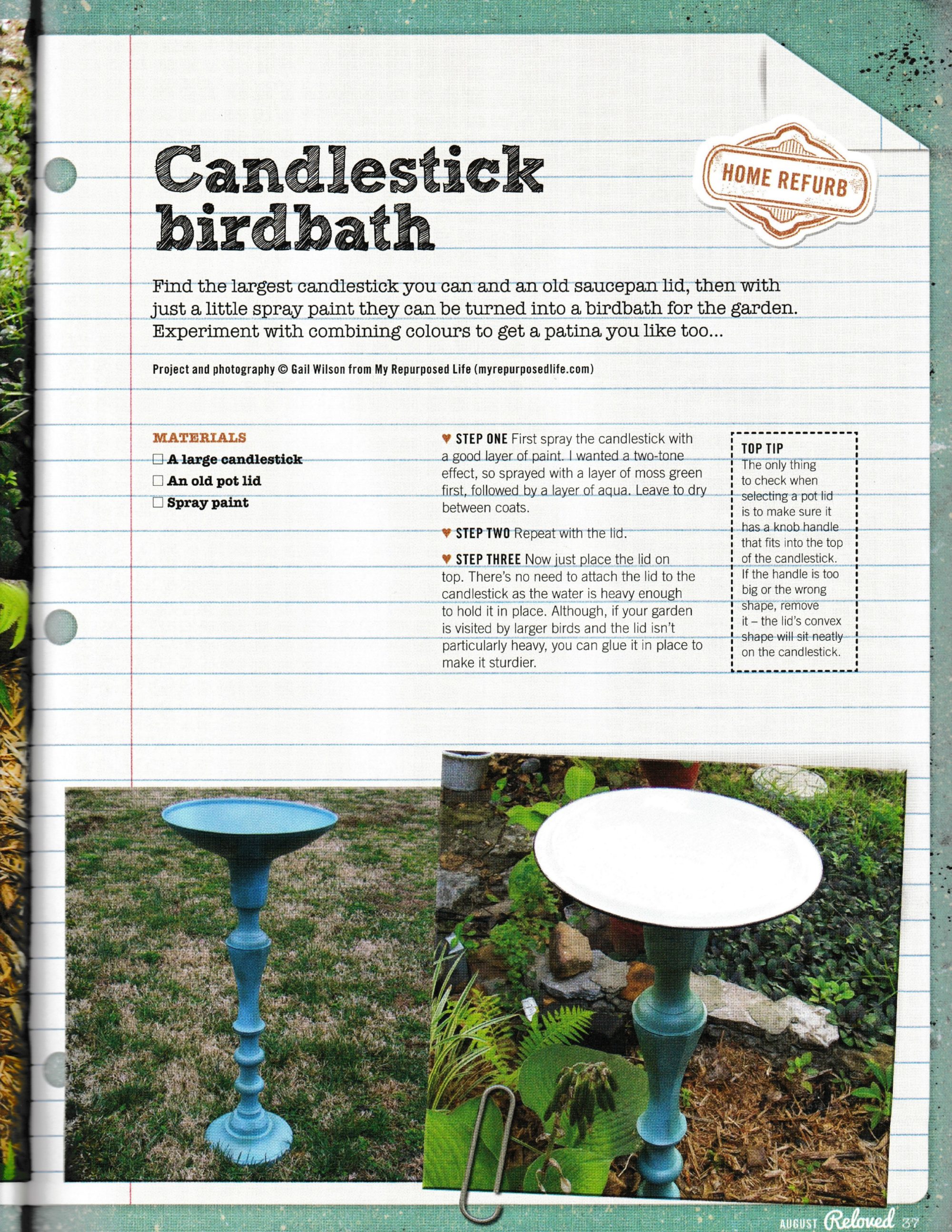
Credit: www.myrepurposedlife.com
Materials Needed
Creating your own cement bird bath requires a few basic materials. Gathering the right supplies ensures your project goes smoothly. The materials you choose affect the bird bath’s durability and look. Focus on quality to make a lasting outdoor feature.
Choosing The Right Cement
Pick a cement mix designed for outdoor use. Fast-setting cement works well for small projects. Look for mixes labeled “high strength” or “exterior grade.” Avoid using regular concrete, as it may crack outdoors. A mix with fine aggregate creates a smooth finish. White cement can give a lighter color to your bird bath. Add a water-reducing agent to improve workability.
Tools And Accessories
Gather tools that make mixing and shaping easier. A mixing bucket or wheelbarrow works for combining cement. Use a sturdy trowel to smooth the surface. Gloves protect your hands from the rough cement. Safety glasses prevent dust from getting in your eyes. A spray bottle helps keep the cement moist while curing. Sandpaper or a sanding block smooths rough edges after drying.
Selecting A Mold
Choose a mold with the desired shape and size. Plastic or silicone molds are easy to use and clean. Old bowls, basins, or trays can serve as molds too. Ensure the mold is strong enough to hold wet cement. Use a release agent like cooking spray to remove the bird bath easily. Consider the depth and width to suit local birds. A two-part mold can create more complex designs.
Preparing The Workspace
Preparing the workspace is a key step before starting your DIY cement bird bath. A clean, organized area helps keep the project smooth and safe. It also protects your surroundings from mess and damage. Taking time to set up right saves effort later and makes the process more enjoyable.
Setting Up A Safe Area
Choose a spot with good ventilation and flat ground. Outdoors or in a well-ventilated garage works best. Keep children and pets away from the workspace to avoid accidents. Wear gloves and a mask to protect your skin and lungs from cement dust. Arrange your tools and materials within easy reach to avoid unnecessary movement.
Protecting Surfaces
Cover the work area with a tarp or plastic sheet. This keeps cement from staining floors or grass. Use old newspapers or cardboard under your workspace for extra protection. Clean spills immediately to prevent permanent marks. Protect nearby plants and furniture by moving them away from the workspace.
Mixing Cement
Mixing cement is a key part of making a durable bird bath. The right mix ensures strength and smoothness. It affects how well your bird bath holds water and lasts outdoors. Careful mixing helps avoid cracks and rough surfaces.
Measuring Ingredients
Measure your ingredients carefully. Use a ratio of 3 parts sand to 1 part cement. Add 1 part water to the dry mix. Use a bucket or container with clear marks. Accurate measuring keeps the mix balanced and strong.
- Use clean sand for better bonding.
- Choose Portland cement for durability.
- Measure water slowly to avoid a runny mix.
Achieving The Perfect Consistency
Mix until the cement looks like thick pancake batter. It should hold its shape but be easy to spread. Too dry makes it hard to work with. Too wet can weaken the structure.
- Add water little by little while mixing.
- Stir well to remove lumps.
- Check consistency by scooping with a trowel.
Creating The Base
Begin by choosing a sturdy container or mold for the bird bath base. Ensure it is stable and can hold the cement weight without tipping. Mix cement thoroughly, then pour it into the mold, smoothing the surface for a clean finish.
Creating the Base Building a sturdy base is vital for your DIY cement bird bath. A well-crafted base ensures stability and durability, making your bird bath a long-lasting garden feature. Here’s how to create a reliable base.Pouring Cement Into The Mold
Choose a durable mold for the bird bath base. A plastic or rubber mold works best. Mix the cement according to package instructions. Ensure the mix is smooth and lump-free. Carefully pour the cement into the mold. Fill it to the top for a solid base. Gently tap the mold’s sides to remove air bubbles.Smoothing And Shaping
Once the cement is in the mold, smooth the surface. Use a trowel or spatula for this task. Ensure the top is even and flat. This will help the bird bath sit level. Wait for the cement to set slightly. Then, refine the edges and shape as desired. Let the cement cure completely before removing the mold. This step ensures a strong, stable base for your bird bath.Forming The Bowl
Forming the bowl is a crucial part of creating your DIY cement bird bath. This is where the shape takes form and you set the foundation for a beautiful, functional piece. Handling the cement with care during this stage ensures your bird bath will hold water perfectly and last through the seasons.
Adding Layers
Start by pouring a thin layer of cement into your mold. This initial layer acts like a base coat and helps prevent cracks later on. Let it set just enough so it’s firm but still a bit sticky.
Next, add more layers gradually. Each layer should be about half an inch thick. Pat and smooth each one carefully to avoid air bubbles and weak spots.
Think about how thick you want your bowl to be. Too thin, and it might break easily. Too thick, and it becomes heavy and takes longer to dry. Finding the right balance is key.
Carving The Basin
Once the cement is partially hardened but still workable, start carving the basin shape. Use simple tools like a spoon or a small trowel to shape the inside gently.
Focus on creating a smooth, even surface that slopes slightly towards the center. This helps water collect without spilling over.
Don’t rush this step. Taking your time to carve carefully will make a big difference in the final look and function. Have you ever noticed how a perfectly curved bowl holds water better? Your bird bath can do the same.
Curing Process
The curing process is a key part of making a strong and lasting cement bird bath. It allows the cement to harden properly and gain full strength. Proper curing helps prevent cracks and damage over time. Understanding how to time and control the environment during curing will improve your DIY project’s results.
Timing And Environment
Cement needs time to cure slowly and evenly. Keep the bird bath moist for at least 3 to 7 days. Avoid rushing this step. A cool, shaded area works best to prevent drying too fast. High heat or direct sun can cause the cement to dry unevenly.
Use a spray bottle or cover the bird bath with plastic to keep it damp. Check daily and add water as needed. The ideal temperature range for curing is between 50°F and 70°F (10°C to 21°C). Too cold or too hot slows down or stops curing.
Avoiding Cracks
Cracks often appear from quick drying or uneven moisture. Slow curing keeps the cement strong and flexible. Protect the bird bath from wind and sun during curing. Avoid placing it on hard surfaces that can cause stress.
Additives like acrylic bonding agents can reduce cracking risk. Also, use a well-mixed cement blend with the right water ratio. Avoid using too much water, which weakens the cement. Follow curing tips carefully to enjoy a durable, beautiful bird bath.
Finishing Touches
Smooth the edges and clean any rough spots on your bird bath. Seal the surface to protect it from water and weather. Let it dry fully before use.
The ‘Finishing Touches’ of your DIY cement bird bath are what truly bring your project to life. This final stage ensures that your bird bath not only looks beautiful but also stands the test of time. These steps might seem small, but they make a significant difference in both aesthetics and durability.Sanding And Polishing
Once your cement has fully cured, it’s time to smooth out any rough edges. Use sandpaper to gently sand the surface, focusing on any uneven areas. A polished finish will make your bird bath more inviting to our feathered friends, and it’s satisfying to see the transformation from a rough surface to a smooth masterpiece.Sealing For Durability
Sealing is crucial to protect your bird bath from the elements. A good sealant will guard against water absorption and prevent cracks. Apply a sealant suitable for outdoor use and follow the manufacturer’s instructions for the best results. This step enhances the longevity of your bird bath, ensuring it remains a garden fixture for years to come.Adding Decorative Elements
Now is your chance to get creative! Consider adding decorative stones, mosaic tiles, or even painting a simple design. These elements add a personal touch and make your bird bath stand out. Ask yourself, what theme or color scheme fits best in your garden? The possibilities are endless, and this is your moment to let your imagination soar. Remember, the finishing touches are more than just a final step; they are an opportunity to express your style and ensure your bird bath is both functional and beautiful.
Credit: www.dukemanorfarm.com
Placement And Maintenance
Proper placement and ongoing maintenance are key to keeping your DIY cement bird bath both attractive and functional. Choosing the right location affects bird visits and water quality, while regular care extends the life of your creation. Let’s look into how you can make the best decisions for placement and upkeep.
Choosing The Perfect Spot
Find a location that offers birds a clear view of their surroundings. This helps them feel safe while they drink or bathe. Avoid placing the bird bath too close to dense bushes where predators might hide.
Make sure the spot receives some sunlight but also has shade during the hottest part of the day. This keeps the water cooler and more inviting. I once placed mine under full sun, and the water would heat up quickly, discouraging birds from visiting.
Consider accessibility for you, too. You’ll want to refill and clean it easily without moving it around too much. Placing it near a water source or patio can make maintenance less of a chore.
Cleaning Tips
Keeping the bird bath clean prevents algae buildup and protects birds from diseases. Empty the water at least once a week and scrub the basin gently with a brush.
A mix of water and mild soap works well, but be sure to rinse thoroughly. Avoid harsh chemicals that can harm birds. Some gardeners use a solution of one part white vinegar to nine parts water for a natural clean.
Check the water level daily, especially in dry seasons. Fresh water encourages frequent visits and keeps birds healthy. Have you noticed how quickly leaves and debris can pile up? Regular checks save you from bigger cleaning tasks later.
Winter Care
In colder climates, freezing water can crack your cement bird bath. It’s best to drain and store it indoors during winter months if possible. If moving it isn’t an option, try insulating the basin with bubble wrap or a waterproof cover.
Adding a small, safe bird bath heater can keep water from freezing, attracting birds even in frost. This can make your yard a winter oasis for feathered friends. Have you thought about how winter care might impact your bird bath’s lifespan?
Prevent damage by checking for cracks before the cold hits and repairing them promptly. A well-maintained bird bath can bring joy year-round with just a little extra effort.

Credit: www.reddit.com
Frequently Asked Questions
How Do I Start Making A Diy Cement Bird Bath?
Begin by selecting a mold for shaping your bird bath. Mix cement with water to a smooth consistency. Pour the mixture into the mold. Let it cure for 24-48 hours before removing the mold.
What Materials Are Needed For A Cement Bird Bath?
You need cement, water, a mixing container, a mold, and a trowel. Optional items include paint or sealant for finishing touches. Using a sturdy mold ensures a good shape and durability.
How Long Does It Take To Cure A Cement Bird Bath?
Curing typically takes between 24 to 48 hours. Keep the bird bath moist during this period to prevent cracking. Full strength is reached after about 7 days of curing.
Can I Paint My Diy Cement Bird Bath?
Yes, you can paint it with waterproof, non-toxic outdoor paint. Painting adds color and protects the cement from weather. Ensure the paint is safe for birds and waterproof.
Conclusion
Creating a DIY cement bird bath adds charm to your garden. It gives birds a safe place to drink and play. The project is simple and fun to do at home. You can choose the shape and size you like best.
Cement makes the bath strong and long-lasting. Enjoy watching birds visit your new creation daily. This small effort brings nature closer to you. Start your bird bath today and brighten your outdoor space.




