
Have you ever wondered if there’s such a thing as too many bird feeders in your yard? It might seem like the more feeders you have, the more birds you’ll attract.
But is that really true? What if having too many feeders could actually cause problems for your feathered friends—or even for you? Keep reading to discover the surprising facts about how many bird feeders are just right, and how to create a safe, happy haven for the birds you love to watch.
Your backyard bird paradise might depend on what you learn next!
Ideal Number Of Feeders
Finding the ideal number of bird feeders can make your garden a lively spot for birds. Too few feeders may cause competition and stress among birds. Too many feeders might waste food and create messes. The right balance helps birds feed peacefully and keeps your yard clean.
Factors Affecting Feeder Quantity
Several factors influence how many feeders you need. The variety of bird species in your area matters. Some birds prefer certain types of feeders. The size of your yard also plays a role. Weather conditions affect bird activity and feeding habits. Seasonal changes can increase or decrease feeder use. The type of food you offer impacts how fast it is eaten. Observing birds can help you decide if you need more or fewer feeders.
Space And Placement Considerations
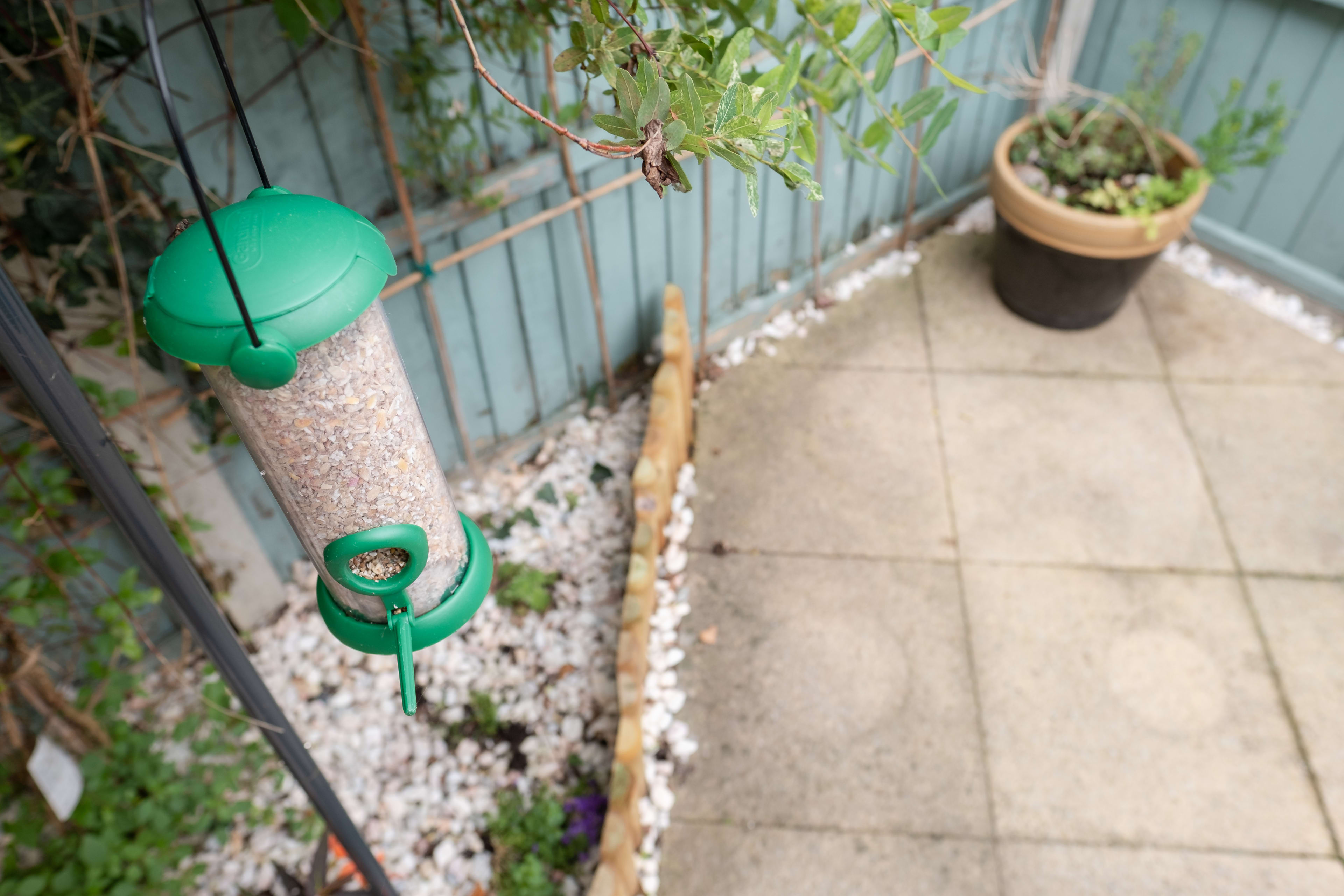
Space limits how many feeders you can place comfortably. Feeders should be spaced to reduce bird fights. Place feeders near natural cover like trees or shrubs. This offers birds protection from predators. Avoid crowding feeders close to windows to prevent collisions. Proper height and distance keep feeders safe and accessible. A well-planned layout attracts more birds and keeps them calm.
Credit: dengarden.com
Benefits Of Multiple Feeders
Having multiple bird feeders offers many benefits for your backyard birds. It creates a welcoming space for various species. It also helps keep the birds comfortable and safe while feeding. Multiple feeders can improve your bird-watching experience and support bird health.
Attracting Diverse Bird Species
Different birds prefer different foods and feeder types. By using multiple feeders, you offer a variety of seeds and treats. This variety attracts more kinds of birds to your yard. Some feeders hold sunflower seeds, others hold nectar or suet. This variety creates a lively and colorful bird community.
Reducing Crowding And Aggression
Birds can get stressed when feeders are crowded. Multiple feeders spread the birds out, giving them space. Less crowding means less fighting over food. Birds feel safer and can feed peacefully. This setup reduces aggressive behavior and helps shy birds eat comfortably.
Challenges Of Excess Feeders
Having multiple bird feeders might seem like a great idea to attract a variety of birds, but it comes with its own set of challenges. Managing too many feeders can quickly become overwhelming. It’s important to understand what issues you might face before you add another feeder to your yard.
Maintenance And Cleaning Issues
Each feeder needs regular cleaning to prevent mold, bacteria, and old seed buildup. With many feeders, this task can become time-consuming and easy to neglect. Dirty feeders not only deter birds but also create a health hazard.
Think about your schedule—can you realistically clean all the feeders frequently? If not, fewer feeders might be a better option to keep your birds safe and happy.
Risk Of Disease Spread
Birds gather closely around feeders, which can increase the chance of spreading diseases. When you have too many feeders, birds might crowd at certain spots, especially if some feeders are not well maintained.
Diseases like salmonella or avian pox can spread quickly in these conditions. Keeping a manageable number of feeders and cleaning them regularly helps reduce this risk significantly.
Impact On Natural Foraging
Providing abundant food through many feeders can discourage birds from foraging naturally. This might affect their ability to find food on their own, especially in colder months or during migration.
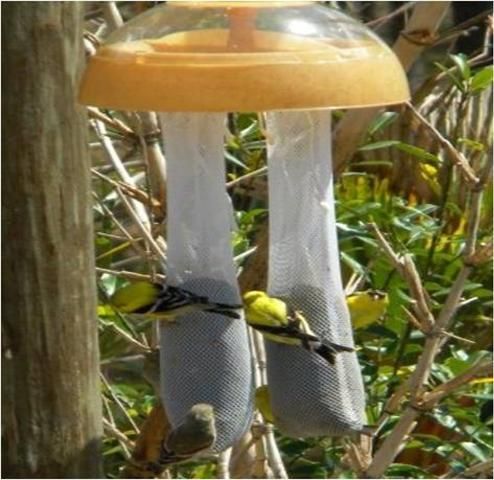
Have you noticed birds staying only near feeders and not exploring your garden? Limiting feeders encourages birds to maintain their natural behaviors and supports a balanced ecosystem in your yard.
Credit: edis.ifas.ufl.edu
Choosing Feeder Types
Choosing the right bird feeder types affects the birds you attract and the space you need. Different feeders suit various bird species and food preferences. Using diverse feeders can invite a variety of birds to your yard. However, too many feeders may confuse birds or create maintenance issues. Focus on feeders that fit your environment and birdwatching goals.
Seed Feeders
Seed feeders are popular and easy to use. They attract many common birds like sparrows, finches, and chickadees. Types include tube feeders, hopper feeders, and platform feeders. Each type holds different amounts and types of seeds. Black oil sunflower seeds work well in most seed feeders. Keep seed feeders clean to prevent mold and disease.
Suet Feeders
Suet feeders offer high-energy food for woodpeckers, nuthatches, and wrens. They usually hold blocks of suet made from animal fat mixed with seeds or insects. Suet feeders attract birds especially in cold weather. Hang suet feeders in shady spots to prevent melting. Check suet often for freshness and replace it regularly.
Nectar Feeders
Nectar feeders are designed for hummingbirds and orioles. They hold sugar water that mimics flower nectar. Use a mixture of four parts water to one part sugar. Clean nectar feeders weekly to avoid fermentation and mold. Place them in sunny areas where hummingbirds often visit. Bright colors help attract these small birds quickly.
Placement Strategies
Choosing the right spots for bird feeders is key for a happy bird garden. Thoughtful placement keeps birds safe, attracts more visitors, and makes feeding easy for them. Good strategies help balance the number of feeders without causing problems.
Avoiding Predator Access
Place feeders away from places where cats or other predators can hide. Keep feeders at least 10 feet from bushes or trees that predators use to jump. Open spaces nearby give birds a clear view to spot danger fast. This setup helps birds feel safe while eating.
Maximizing Visibility
Position feeders where birds can see them easily. Near windows or open yards work well. Sunlight can make feeders more inviting and easier to spot. Avoid cluttered spots where feeders get hidden by plants or structures. Visible feeders attract more birds and give you a better view.
Considering Bird Behavior
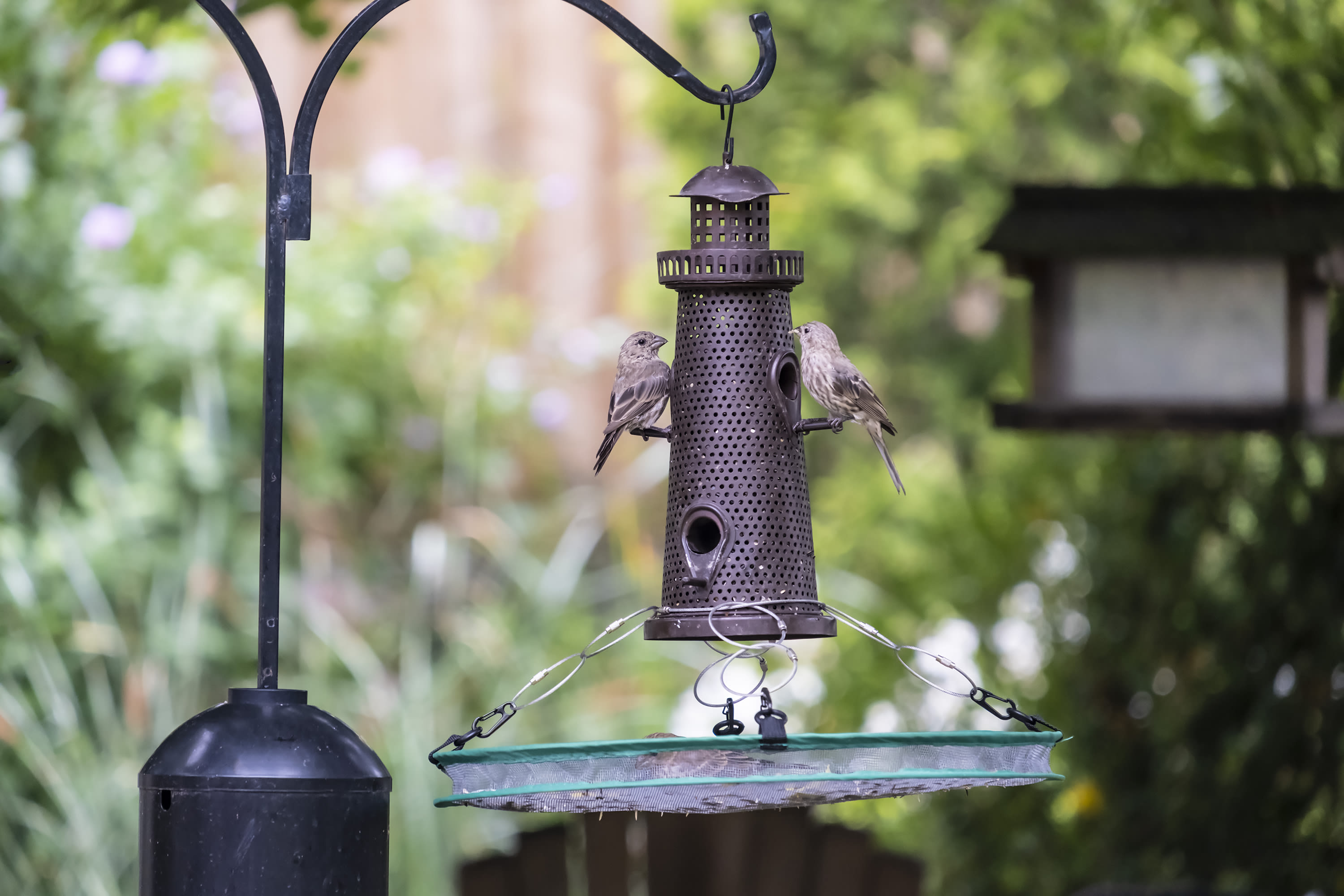
Understand how birds act around feeders. Some birds like to feed alone, others in groups. Space feeders to reduce fights and crowding. Place different types of feeders apart to serve various bird species. Watch birds’ habits and adjust placement to keep peace and invite diversity.
Credit: dengarden.com
Feeder Hygiene Tips
Maintaining feeder hygiene is crucial for bird health. Dirty feeders can spread diseases among birds. Regular cleaning prevents mold, bacteria, and pests. It also ensures your garden remains a welcoming haven.
Cleaning Frequency
Clean bird feeders every two weeks. During wet weather, check them more often. If you notice any visible dirt, clean immediately. High-traffic feeders need cleaning more frequently.
Safe Cleaning Methods
Use a mild soap and warm water. Avoid harsh chemicals that harm birds. A brush helps scrub away stubborn grime. Rinse feeders thoroughly to remove soap residue. Let them dry completely before refilling. This prevents mold growth.
Seasonal Adjustments
Seasonal changes affect bird feeding habits and needs. Adjusting your bird feeders according to seasons helps attract more birds. Understanding these seasonal adjustments ensures your feathered friends remain healthy and happy.
Winter Feeding Needs
Winter brings harsh conditions for birds. They need more energy to stay warm. Offer high-energy foods like suet, peanuts, and sunflower seeds. These provide essential fats and nutrients. Keep feeders full as natural food becomes scarce. Consider placing feeders in sheltered spots. This helps protect birds from cold winds.
Summer Feeding Changes
Summer offers abundant natural food sources. Birds may rely less on feeders. Use fewer feeders to prevent food waste. Focus on providing fresh water in birdbaths. Keep feeders clean to avoid mold and bacteria. Offer fruits and nectar for hummingbirds and orioles. These seasonal treats attract a variety of birds.
Frequently Asked Questions
Can Too Many Bird Feeders Harm Local Birds?
Yes, overcrowding feeders can spread disease and stress birds. It may also attract aggressive species, disrupting local bird balance.
How Many Bird Feeders Are Ideal Per Backyard?
Two to three feeders spaced apart usually work best. This setup reduces crowding and supports diverse bird species.
Do Too Many Feeders Attract Unwanted Pests?
Yes, excess feeders can attract squirrels, rats, and insects. Proper feeder maintenance and placement help minimize pests.
Can Multiple Feeders Cause Feeding Competition Among Birds?
Yes, too many feeders close together may cause fights. Spacing feeders apart reduces competition and promotes peaceful feeding.
Conclusion
Too many bird feeders can cause problems for birds and your yard. Crowded feeders may lead to fights and spread diseases. Clean feeders often and place them with space in between. A few well-maintained feeders attract birds safely and happily.
Remember, quality matters more than quantity when feeding birds. Enjoy watching them without causing harm. Keep your yard peaceful and healthy for all visitors.




