
Have you noticed a bird’s nest on your house and wondered if you should remove it? You might feel torn between protecting the birds and keeping your home clean and safe.
It’s a common dilemma that raises questions about legality, safety, and what’s best for the birds. You’ll discover clear answers and practical advice on whether you can remove a bird’s nest from your property—and how to do it the right way if you choose to.
Keep reading to find out what you need to know before taking action.
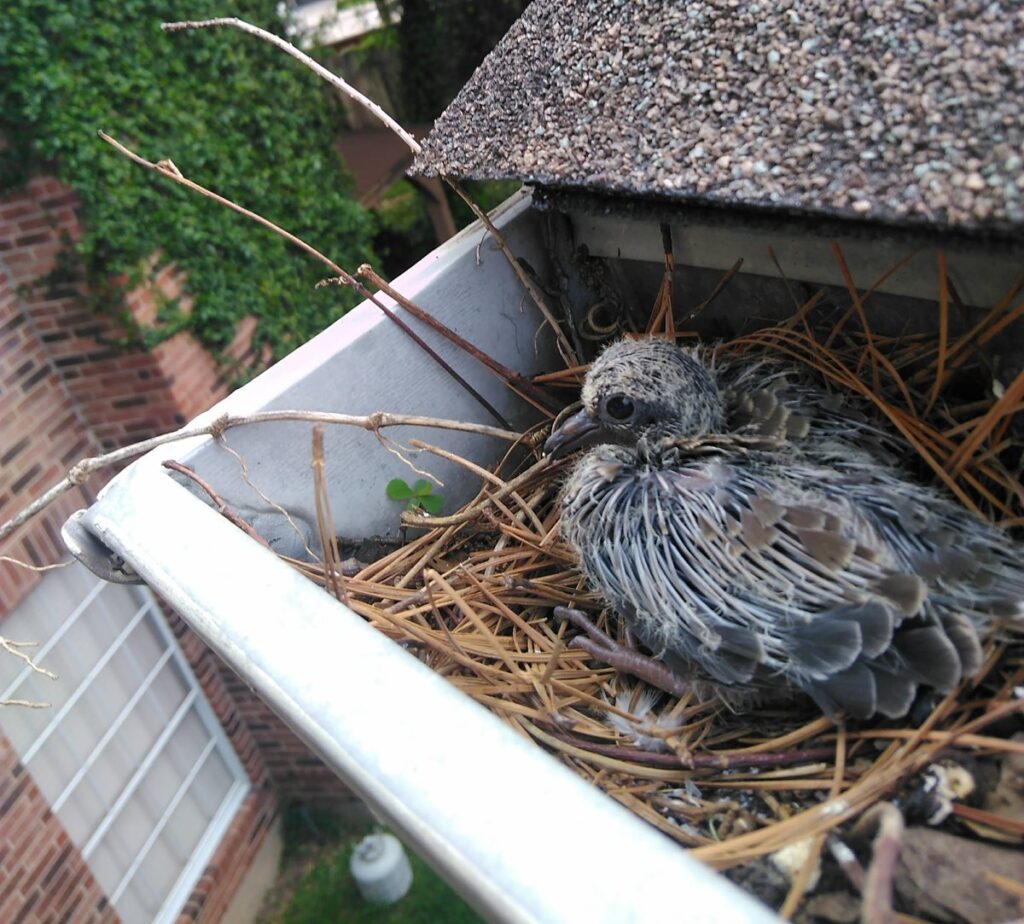
Credit: www.crittercontrol.com
Legal Rules On Bird Nest Removal
Removing a bird’s nest from your house isn’t as simple as you might think. There are important legal rules designed to protect birds and their habitats. Understanding these rules can save you from hefty fines and help you make responsible choices.
Protected Bird Species
Many bird species are protected by law, meaning their nests cannot be disturbed or removed. For example, migratory birds and certain native species fall under strict protection.
If you unknowingly remove a nest belonging to a protected species, you could face legal penalties. Identifying the type of bird is crucial before taking any action.
Local And Federal Laws
Laws about bird nest removal vary depending on where you live. Federal laws like the Migratory Bird Treaty Act in the U.S. prohibit the removal of nests with eggs or young birds.
Local regulations may add extra restrictions or allow removal under specific conditions. Contact your local wildlife agency to know the exact rules that apply to your area.
Permits And Restrictions
In many cases, removing a nest legally requires a permit. These permits are usually issued for nests that pose safety risks or cause property damage.
Applying for a permit involves proving why the nest needs removal and demonstrating that alternative solutions were considered. Without this approval, removing a nest can lead to fines or legal trouble.
Have you checked if your local authorities offer guidance or assistance before attempting nest removal?
When Removal Is Allowed
Knowing when you can remove a bird’s nest from your house is crucial. The laws protecting birds vary, and disturbing nests at the wrong time can harm wildlife or lead to legal trouble. Understanding the right circumstances helps you act responsibly and protect both your home and the birds.
Nests Causing Damage
If a bird’s nest is causing damage to your property, removal might be allowed. Damage can include blocked gutters, roof issues, or nests built inside vents that affect your home’s safety. Before removing the nest, check local wildlife regulations, as some birds are protected even if their nests cause problems.
Have you noticed any physical harm to your home because of a nest? If so, document the damage and contact a local wildlife officer for guidance. This step can save you from fines and help you handle the situation properly.
Nests With No Eggs Or Chicks
Removing a nest is generally permitted if it is empty—meaning no eggs or chicks are present. Birds invest time building nests, but once they leave, the nest itself no longer serves a purpose. At this point, you can safely remove the nest without harming any birds.
Timing is essential here. Are you sure the nest is abandoned? Watch for a few days to confirm no activity before removal. This patience prevents accidental disruption of a bird family.
Emergency Situations
Emergency situations, like nests blocking emergency exits or creating fire hazards, can justify immediate removal. Your safety and that of your family come first, but always try to involve professionals when possible. They can relocate the nest safely or suggest alternative solutions.
Have you ever faced a sudden nest-related emergency? Sharing your experience with local animal control can help improve community responses. Remember, quick action should balance safety and respect for wildlife.
Safe Removal Techniques
Removing a bird’s nest from your house can be tricky. You want to protect yourself and the birds while keeping your home safe. Using safe removal techniques helps you do just that—minimizing harm and avoiding damage.
Tools And Materials Needed
- Gloves:Thick gardening gloves protect your hands from dirt and potential bites.
- Protective Mask:Prevents inhalation of dust and allergens.
- Soft Brush or Broom:Helps gently dislodge nest materials.
- Plastic Bag or Container:For collecting the nest safely.
- Ladder:If the nest is out of reach, make sure it’s stable and secure.
- Spray Bottle with Water:Slightly dampens the nest to reduce dust during removal.
Step-by-step Removal Process
Start by wearing your gloves and mask to protect yourself. Carefully climb the ladder if needed, and spray the nest lightly with water to keep dust down.
Use the soft brush or broom to gently loosen the nest from its spot. Avoid sudden movements to prevent damage to nearby surfaces.
Place the nest directly into your plastic bag or container. Seal it tightly to avoid spreading debris or pests. Dispose of the nest according to local wildlife regulations.
Handling Birds And Eggs
Check the nest carefully before removal. If you see eggs or baby birds, removal could be illegal or harmful.
Consider waiting until the birds have left naturally. If urgent removal is necessary, contact local wildlife authorities for guidance.
Remember, disturbing nests can cause stress or abandonment. Ask yourself: is the nest truly causing harm, or can it stay until the birds finish their cycle?

Credit: www.yahoo.com
Preventing Future Nesting
Keeping bird nests away involves sealing entry points and removing food sources nearby. Regular checks and gentle deterrents help stop birds from returning. Acting early prevents future nesting on your home.
Preventing birds from nesting in unwanted areas around your home requires a proactive approach. By implementing a few strategic measures, you can create an environment that discourages birds from settling and building nests. The key is to make your home less attractive to them while ensuring these methods are humane and environmentally friendly.Bird Deterrents
Bird deterrents can be an effective way to prevent nesting. Consider using visual deterrents like reflective tape or scare devices that move with the wind. Sound deterrents can also be useful; devices that emit bird distress calls can discourage birds from settling near your home.Sealing Entry Points
Identify and seal any potential entry points around your home. Birds often find small openings in eaves, vents, and gaps in roofs. By using mesh or screens, you can block these areas, preventing birds from making their way inside.Regular Maintenance Tips
Regular maintenance is essential for keeping birds at bay. Clean gutters and remove debris frequently, as these can become potential nesting sites. Trim trees and shrubs near your home to reduce easy access for birds looking to build nests. Taking these measures not only protects your home but also ensures the safety of the birds. Have you had any success with these methods, or do you have other tips to share? Your insights could help someone else struggling with a similar issue.Alternatives To Removal
Removing a bird’s nest is not always the best choice. Birds play an important role in nature. There are gentle ways to handle nests without harm. These alternatives respect wildlife and keep your home safe.
Relocation Options
Sometimes, nests can be safely moved. Contact local wildlife experts first. They know how to handle nests properly. Moving nests too early can harm baby birds. Experts ensure the right timing and place. They may relocate nests to nearby trees or safe areas.
Providing Birdhouses
Birdhouses offer birds a safe place to nest. Place them away from busy areas. Choose birdhouses that fit the bird species. This encourages birds to nest there instead of your home. Clean birdhouses regularly to keep birds healthy. This simple step protects both birds and property.
Coexisting With Birds
Accepting birds on your property brings benefits. Birds help control insects and add beauty. Keep windows clean to avoid collisions. Use gentle deterrents like reflective tape or wind chimes. Avoid harming or disturbing nests during breeding season. Respecting birds creates a peaceful environment for all.
When To Call A Professional
Removing a bird’s nest from your house can be tricky and sometimes risky. Knowing when to call a professional helps protect both you and the birds. Professionals have the right tools and knowledge to handle nests safely and legally. They can manage difficult situations without causing harm to wildlife or property.
Complex Nest Situations
Nests in hard-to-reach places require special equipment and skills. Professionals can access rooftops, chimneys, and tight spaces safely. They know how to avoid damaging your home structure. Experts also handle nests with multiple birds or aggressive species carefully.
Legal Compliance Assistance
Many birds and their nests are protected by law. Removing a nest at the wrong time can lead to fines or legal trouble. Professionals understand local wildlife laws and regulations. They ensure nest removal follows legal guidelines and seasonal restrictions.
Wildlife Control Services
Some nests attract pests or cause damage to your home. Professionals offer wildlife control to prevent future problems. They can use humane methods to discourage birds from nesting again. These services protect your home and keep wildlife safe.

Credit: www.angi.com
Frequently Asked Questions
Can I Legally Remove A Bird’s Nest From My House?
Removing a bird’s nest may be illegal during breeding season. Laws protect many bird species to prevent harm. Check local wildlife regulations before removal. Always prioritize bird safety and legal compliance when handling nests on your property.
When Is The Best Time To Remove A Bird’s Nest?
The best time to remove a bird’s nest is after breeding season. Ensure all chicks have fledged and parents have left. This prevents harm to birds and avoids legal issues. Late autumn or winter is often ideal for nest removal.
How Can I Safely Remove A Bird’s Nest?
Wear gloves and use gentle tools to avoid damaging the nest or birds. Remove the nest carefully and dispose of it away from your home. Clean the area thoroughly to discourage birds from returning. Always prioritize safety for both you and the birds.
Why Do Birds Build Nests On Houses?
Birds build nests on houses for shelter, safety, and warmth. Roof eaves, ledges, and vents provide ideal nesting spots. Houses offer protection from predators and harsh weather. Understanding why helps in managing and preventing unwanted nests.
Conclusion
Removing a bird’s nest can protect your home and the birds too. Always check local laws before taking action. Birds need safe places to live and raise young. Choose gentle methods to avoid harming them. Patience helps during this process.
Caring for nature shows respect and kindness. Keep your home safe while helping wildlife thrive. Simple steps make a big difference in your neighborhood.




