
Are you ready to capture breathtaking bird photos with your birding scope? Choosing the right camera can make all the difference between blurry shots and stunning close-ups.
But what kind of camera can actually fit and work well with your scope? Whether you’re a beginner or a seasoned birdwatcher, understanding your options will help you get clear, detailed images every time. Keep reading to discover the best camera types that match perfectly with your birding scope and start turning your birdwatching moments into unforgettable photos.
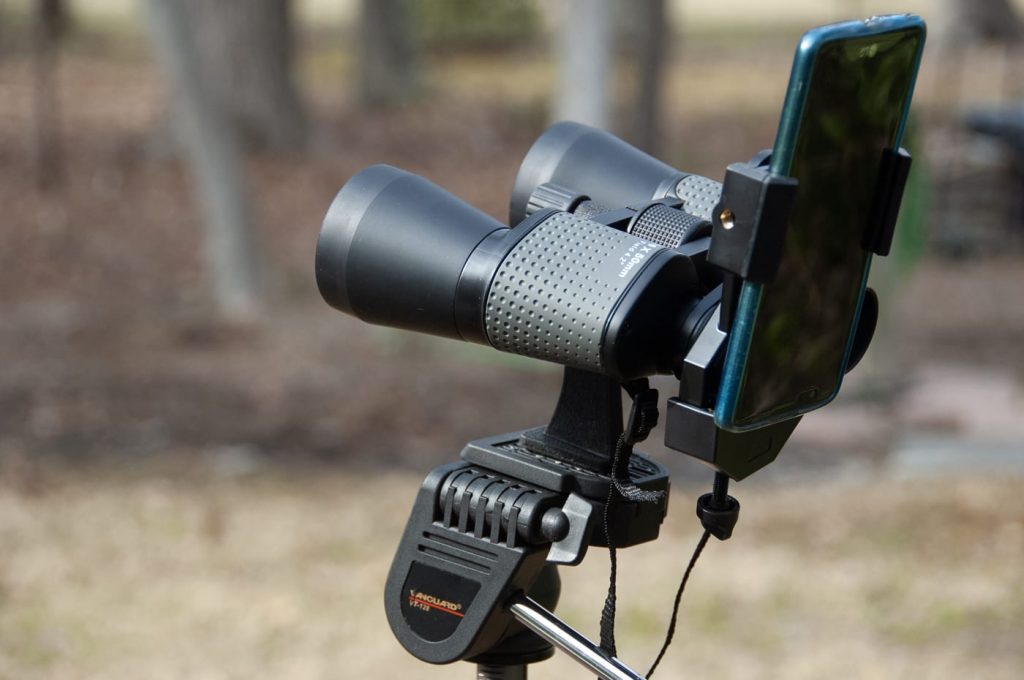
Credit: bringbinoculars.com
Choosing The Right Camera
Choosing the right camera for your birding scope is essential for capturing clear and detailed images of birds. The camera must fit well with the scope and deliver high-quality photos. This choice affects your birdwatching experience and the results you get. Understanding camera types, features, and sensor sizes helps you make a smart decision.
Types Of Cameras Compatible With Birding Scopes
Several camera types work well with birding scopes. Spotting scopes often use these camera styles:
- DSLR Cameras:Offer high image quality and interchangeable lenses. Great for detailed bird photos.
- Mirrorless Cameras:Compact and lightweight. Provide fast focusing and good image quality.
- Compact Cameras:Small and easy to mount. Suitable for beginners and casual birders.
- Smartphone Cameras:Convenient and easy to use. Require adapters to connect to scopes.
Each type has pros and cons based on your needs and budget.
Key Features To Consider
Some features matter more than others for birding photography. Focus on these:
- Compatibility:Ensure the camera fits your scope’s eyepiece.
- Image Stabilization:Reduces blur caused by hand movement.
- Zoom Capability:Helps capture distant birds clearly.
- Manual Controls:Adjust settings like focus and exposure easily.
- Weight and Size:Lightweight cameras are easier to carry outdoors.
Camera Sensor Size And Its Impact
Sensor size affects image quality and detail. Larger sensors capture more light and detail. They perform better in low light conditions. Smaller sensors can limit image quality but make cameras compact and affordable.
Full-frame sensors offer the best image quality but come with higher costs. APS-C sensors balance quality and price. Micro Four Thirds sensors suit lightweight and small cameras.
Choose a sensor size that fits your budget and birding style for sharp, vibrant photos.
Popular Camera Models For Birding
Birdwatching enthusiasts often seek the best cameras to pair with their scopes. Choosing the right camera enhances the birding experience. Several camera models are ideal for bird photography. Each offers unique features that cater to different needs. Below are popular camera models that work well with birding scopes.
Compact Cameras With Good Zoom
Compact cameras with zoom are great for birding. They are lightweight and easy to carry. Many models offer excellent zoom capabilities. This makes them perfect for capturing distant birds. Some popular models include:
- Canon PowerShot SX70 HS
- Sony Cyber-shot DSC-HX99
These cameras offer impressive zoom and image quality. They fit well with birding scopes.
Mirrorless Cameras For Versatility
Mirrorless cameras are versatile and offer interchangeable lenses. They are lighter than DSLRs but provide high-quality images. Popular mirrorless models for birding include:
- Fujifilm X-T4
- Sony Alpha a6400
These cameras are ideal for birders who value flexibility. Their compact size is perfect for long birdwatching sessions.
Dslr Cameras For High Quality
DSLR cameras are known for their superior image quality. They offer excellent autofocus and large sensors. Popular DSLR models for bird photography include:
- Nikon D500
- Canon EOS 90D
These cameras provide stunning detail and performance. They are perfect for capturing fast-moving birds.
Adapters And Mounting Solutions
Adapters and mounting solutions are essential when you want to attach a camera to your birding scope. They help align your camera lens perfectly with the scope’s eyepiece, ensuring clear and stable images. Without the right adapter, your photos might end up blurry or misaligned, losing the beauty of those distant birds.
Types Of Adapters Available
There are several adapter types designed to fit different cameras and scopes:
- Universal adapters:These come with adjustable clamps to fit a variety of eyepiece sizes and camera types.
- Brand-specific adapters:Made to match certain brands and models, these provide a snug and secure fit.
- Smartphone adapters:These hold your phone’s camera in place over the eyepiece, turning your phone into a powerful birding camera.
Choosing the right type depends on your camera and scope combination. Have you checked if your camera lens diameter matches the adapter specifications?
How To Secure Your Camera
Securing your camera properly prevents unwanted movement during shooting. Use the adapter’s locking mechanism firmly but avoid overtightening, which can damage your equipment.
Make sure your camera lens lines up exactly with the eyepiece to avoid vignetting or blurry edges. Sometimes a small adjustment can make a big difference in photo clarity.
Double-check the connection before you start shooting. A loose setup can cause frustration and missed shots.
Tips For Stable Mounting
Stability is key to sharp bird photos. Use a sturdy tripod with a smooth head for easy adjustments.
If possible, use a remote shutter release or your camera’s timer to avoid shaking when pressing the shutter button.
Try adding weight to your tripod’s center hook for extra stability in windy conditions. Have you ever noticed how even slight vibrations blur your bird photos?
Image Quality And Performance
Choosing the right camera for your birding scope depends heavily on image quality and performance. These factors ensure clear, sharp photos even from a distance. Good image quality helps capture fine feather details and vibrant colors of birds. Performance features make it easier to track and photograph birds in various conditions.
Importance Of Resolution
Resolution affects how much detail your photos show. Higher resolution means sharper images with more pixels. This is key for cropping photos without losing quality. For birding, a camera with at least 12 megapixels is ideal. It captures fine textures and subtle color variations well. Low resolution cameras may produce blurry or pixelated images, especially when zoomed in.
Low Light Performance
Birds often appear at dawn or dusk, when light is low. Cameras with good low light performance capture clearer images in these conditions. A larger sensor size helps gather more light. Cameras with higher ISO ranges maintain image quality without much noise. This means better photos even in shaded forests or cloudy weather.
Autofocus And Tracking Features
Birds move quickly and unpredictably. A fast and accurate autofocus system is necessary. It helps keep birds in sharp focus during flight or sudden moves. Continuous autofocus and tracking features lock onto moving subjects. This reduces blurry shots and increases your chance of capturing perfect moments. Look for cameras with multiple focus points and good tracking algorithms.
Budget-friendly Options
Finding a camera that pairs well with your birding scope doesn’t have to break the bank. There are several budget-friendly options that deliver quality without overwhelming your wallet. Knowing where to look and what to prioritize can help you capture stunning bird photos while staying within your budget.
Affordable Cameras For Beginners
You don’t need a top-of-the-line DSLR to get started with bird photography. Many entry-level mirrorless cameras and compact digital cameras offer great image quality and ease of use. Models like the Canon EOS Rebel T7 or Sony Alpha a6000 provide solid performance for under $600.
Look for cameras with good autofocus and decent zoom capabilities. These features help you snap sharp images of birds without fuss. Have you checked the latest beginner models that balance simplicity and power?
Used And Refurbished Cameras
Buying used or refurbished cameras is a smart way to save money while getting better gear. Trusted sellers often offer warranties and return policies, giving you peace of mind. Platforms like B&H Photo Video and KEH Camera specialize in quality used gear.
This approach lets you access higher-end cameras at a fraction of the price. Just make sure to inspect the camera’s condition and ask about any potential issues. How much could you save by choosing a refurbished model instead of brand new?
Balancing Cost And Quality
Budget-friendly doesn’t mean settling for poor quality. The key is to focus on features that matter most for birding: image stabilization, fast autofocus, and good low-light performance. Sometimes spending a bit more upfront can save you frustration later.
Consider what you want to achieve with your birding photos. Will you mostly share images online or print large photos? Knowing this helps you pick a camera that fits your goals without overspending.

Credit: www.amazon.com
Maintenance And Care
Maintaining your camera and birding scope is key to ensuring sharp images and a long-lasting setup. Both tools face dust, moisture, and accidental knocks during birdwatching trips. Taking care of them properly saves you from costly repairs and missed photo opportunities.
Protecting Your Camera And Scope
Always use padded cases when transporting your camera and scope. These cases shield your gear from bumps and drops.
Consider weather-resistant covers if you often shoot in rain or dusty environments. They keep moisture and particles away from sensitive parts.
Attach lens caps and body caps immediately after use to protect glass and internal components. Leaving them exposed invites scratches and dirt buildup.
Cleaning Tips
Use a soft brush or air blower to remove loose dust from lenses and scope optics gently. Avoid touching lenses with your fingers.
For smudges, moisten a microfiber cloth with lens cleaning solution, then wipe in circular motions. Never apply liquid directly to lenses or camera sensors.
Check your camera’s sensor periodically and use specialized sensor cleaning kits if needed. Dust on the sensor can ruin your photos’ clarity.
Storage Recommendations
Store your gear in a cool, dry place away from direct sunlight to prevent heat damage and fungal growth.
Use silica gel packs inside your storage bags to absorb moisture. This simple step protects your optics from fogging and mold.
Keep batteries removed if you won’t use your camera or scope for a long time. This prevents corrosion and prolongs battery life.
Credit: www.digitalcameraworld.com
Frequently Asked Questions
What Cameras Are Compatible With Birding Scopes?
Birding scopes typically work best with compact cameras, mirrorless cameras, or DSLRs with a digiscoping adapter. These cameras fit well and allow clear, zoomed-in bird photos without shaking or blurriness.
Can I Use A Smartphone On A Birding Scope?
Yes, many birders use smartphones with special digiscoping adapters. These adapters align the phone’s camera with the scope eyepiece, enabling sharp, zoomed images of birds easily and affordably.
What Camera Features Matter For Birding Scopes?
Look for cameras with good zoom, image stabilization, and high resolution. These features help capture clear, detailed bird images even at long distances through the scope.
Are Dslrs Better Than Mirrorless For Birding Scopes?
Both DSLRs and mirrorless cameras work well with birding scopes. Mirrorless cameras are lighter and more compact, while DSLRs offer longer battery life and robust lenses.
Conclusion
Choosing the right camera for your birding scope matters a lot. Compact cameras with good zoom work best. They fit easily and capture clear bird images. Smartphones can also work but need special adapters. Remember to consider weight and ease of use.
This helps you enjoy birding without extra hassle. Try different options to find what suits you well. Happy bird watching and capturing beautiful moments!




