
Are you struggling to capture stunning photos of birds? Choosing the right lens can make all the difference between blurry shots and breathtaking images.
Whether you’re a beginner or looking to upgrade your gear, finding the best lens for bird photography is key to bringing your passion to life. You’ll discover which lenses give you sharp focus, vibrant colors, and the perfect reach to catch every feather in detail.
Keep reading to unlock the secrets that will transform your bird photos forever.
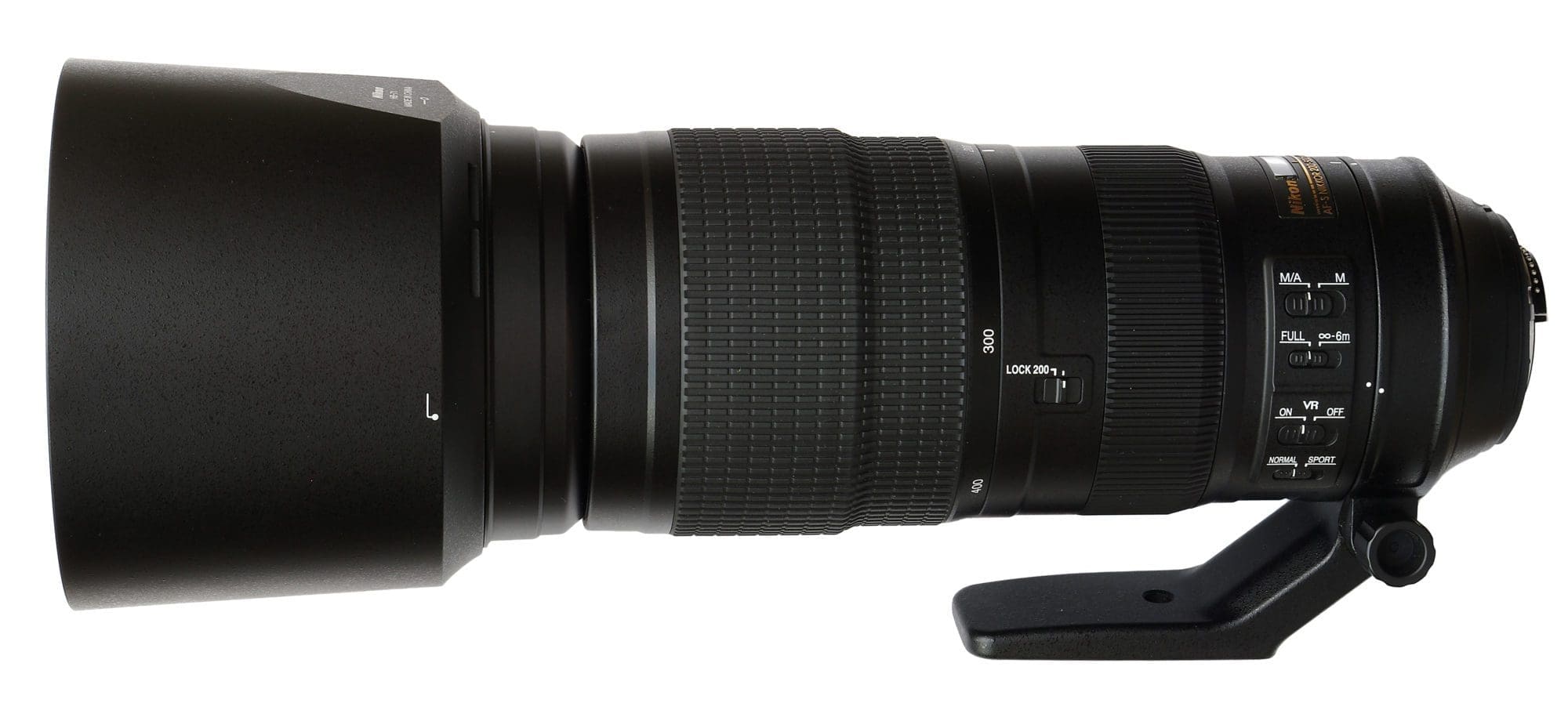
Credit: westernhunter.net
Key Features For Bird Photography Lenses
Choosing the right lens for bird photography means focusing on specific features that enhance your ability to capture sharp, detailed images of birds in their natural habitats. Understanding these key features helps you make smarter decisions tailored to your style and the conditions you often shoot in. Let’s dive into what really matters when selecting a lens designed for bird photography.
Focal Length Essentials
Birds are often small and distant subjects, so a long focal length is crucial. Lenses with focal lengths of 300mm or more allow you to get close without disturbing your feathered subjects.
Consider your shooting environment too. If you mainly photograph in wide-open spaces, a 600mm lens might be ideal. In denser areas like forests, something around 300-400mm can offer more flexibility.
Aperture And Light Gathering
A wide aperture (low f-number) lets in more light, which is essential for faster shutter speeds and better image quality. An f/4 or wider aperture helps you freeze fast bird movements even in low light conditions.
Beyond brightness, a wide aperture creates a pleasing background blur, making your subject stand out. Ask yourself: does your lens maintain sharpness wide open, or does image quality drop?
Image Stabilization Benefits
Image stabilization (IS) or vibration reduction (VR) is a game-changer for handheld bird photography. It reduces camera shake, especially at long focal lengths where even small movements blur your shots.
If you often shoot in low light or without a tripod, IS can save many images. However, keep in mind that IS won’t fix motion blur caused by fast-moving birds—fast shutter speeds remain vital.
Autofocus Speed And Accuracy
Birds rarely stay still, so your lens needs quick and precise autofocus (AF). Look for lenses with advanced AF motors that can track erratic flight paths without losing focus.
Silent and smooth focusing helps too, as noisy lenses can scare birds away. Test your lens’s AF performance in real conditions—does it lock focus quickly when a bird takes off?
Top Lens Types For Bird Photography
Choosing the right lens is key in bird photography. Different lenses serve different purposes. Some bring birds close and sharp. Others show the bird’s environment. Knowing lens types helps pick the best tool for each shot.
Telephoto Zoom Lenses
Telephoto zoom lenses cover a range of focal lengths. They let you zoom in and out easily. This flexibility suits changing bird distances. They are lighter and easier to carry than prime lenses. Ideal for beginners or casual birders.
Prime Telephoto Lenses
Prime telephoto lenses have a fixed focal length. They usually offer sharper images and better low-light performance. These lenses help capture fine bird details. They are heavier but deliver higher image quality. Great for serious photographers focused on sharpness.
Super Telephoto Lenses
Super telephoto lenses have very long focal lengths. They bring distant birds very close. Perfect for photographing shy or small birds. These lenses are heavy and costly. Usually used by professional bird photographers for detailed shots.
Wide-angle Lenses For Habitat Shots
Wide-angle lenses capture birds with their surroundings. They show habitat and behavior in one frame. These lenses work well for storytelling and nature scenes. They require getting closer to the subject. Useful for creative and environmental bird photography.
Best Lenses For Different Budgets
Choosing the best lens for bird photography depends on your budget. Different price ranges offer different features and quality. Finding the right balance between cost and performance is key. Below are some options that fit various budgets and needs.
Affordable Options
Budget-friendly lenses provide decent image quality for beginners. These lenses usually have a zoom range suitable for capturing birds at medium distances. They are lightweight and easy to carry in the field. Ideal for hobbyists starting bird photography without spending much.
- 70-300mm zoom lenses
- Telephoto zooms with image stabilization
- Entry-level prime lenses with moderate focal length
Mid-range Choices
Mid-range lenses offer improved sharpness and faster autofocus. These lenses handle low light better and allow closer shots. They often have larger apertures for clearer images. Suitable for serious photographers wanting better results without a high cost.
- 300mm f/4 or f/5.6 prime lenses
- 70-200mm f/2.8 zoom lenses with teleconverters
- 400mm f/5.6 lenses for longer reach
High-end Professional Lenses
Professional lenses deliver the best image quality and durability. They offer fast autofocus and wide apertures for sharp photos in all conditions. These lenses are heavier and more expensive but worth it for dedicated bird photographers. Perfect for capturing fine details and distant subjects.
- 500mm f/4 and 600mm f/4 prime lenses
- Super-telephoto zooms like 200-400mm f/4
- Weather-sealed lenses with advanced optics

Credit: www.nickdalephotography.com
Lens Brands Leading In Bird Photography
Choosing the right lens brand can significantly impact your bird photography experience. Each manufacturer offers unique features and optical qualities that cater to different shooting styles and budgets. Knowing the strengths of leading lens brands helps you pick gear that matches your specific needs and enhances your ability to capture stunning bird images.
Canon Lenses
Canon is a top choice for many bird photographers due to its extensive range of telephoto lenses. Their L-series lenses, like the Canon EF 100-400mm f/4.5-5.6L IS II USM, combine sharpness, fast autofocus, and image stabilization that work well in dynamic birding environments.
Canon lenses often include weather sealing, which is crucial when you’re shooting outdoors in unpredictable conditions. Have you noticed how quickly Canon’s autofocus locks onto fast-moving birds? That responsiveness can make all the difference when capturing fleeting moments.
Nikon Lenses
Nikon offers powerful telephoto options with excellent optics and durability. The Nikon AF-S NIKKOR 200-500mm f/5.6E ED VR is popular for its reach and value, giving you a longer zoom without breaking the bank.
Many Nikon lenses excel in low-light situations, allowing you to shoot early morning or late afternoon when birds are most active. Think about how often you miss shots because of slow focusing—Nikon’s Silent Wave Motor helps reduce that frustration.
Sony Lenses
Sony’s mirrorless system has transformed bird photography with its lightweight, high-performance lenses. The Sony FE 200-600mm f/5.6-6.3 G OSS stands out for its combination of range and portability, which is perfect if you hike to remote birding spots.
Thanks to advanced autofocus algorithms, Sony lenses track birds with impressive accuracy. Have you tried pairing Sony lenses with their high-speed camera bodies? The synergy can elevate your success rate in capturing sharp, detailed bird photos.
Third-party Manufacturers
Brands like Sigma, Tamron, and Tokina offer competitive alternatives that often come at a lower price without sacrificing quality. The Sigma 150-600mm f/5-6.3 DG OS HSM Sports lens is a favorite for bird photographers needing extra reach and durability.
Third-party lenses sometimes provide unique focal lengths or features not found in brand-name lenses. Would you consider trying a third-party lens to expand your options and possibly save money? Many photographers find these lenses exceed their expectations in real-world birding conditions.
Tips For Choosing Your Bird Photography Lens
Choosing the right lens for bird photography can dramatically improve your shots. It’s not just about zoom power or brand name. Understanding your needs and how lenses fit those needs can save you time, money, and frustration.
Matching Lens To Bird Species
Different birds require different approaches. Small, fast birds like hummingbirds need lenses with quick autofocus and good reach, typically 300mm or longer. Larger, slower birds such as herons or eagles can be captured well with lenses in the 200-400mm range.
Think about where you’ll photograph most often. If you shoot backyard birds, a 200mm lens might be enough. But for distant birds in the wild, a 400mm or 600mm lens is better. What kind of birds excite you the most?
Considering Weight And Portability
Heavy lenses can tire you quickly, especially on long shoots. If you hike or travel to remote locations, a lighter lens helps you stay agile. Some telephoto lenses come with carbon fiber barrels or compact designs to reduce weight.
Balance this with image quality. Sometimes a heavier lens offers sharper images and better build. Ask yourself if you prefer comfort or the highest possible detail when choosing your lens.
Lens Compatibility With Camera Body
Not all lenses work perfectly with every camera. Check if the lens mount fits your camera brand and model. Using a lens designed for full-frame cameras on a crop sensor body changes the effective focal length, which can be an advantage or a drawback.
Also, consider features like image stabilization and autofocus speed. These must be compatible with your camera to perform well. Have you tested your camera with different lenses to see which combo feels right?

Credit: suryatara.com
Maintenance And Care For Bird Photography Lenses
Choosing the best lens for bird photography requires careful maintenance and care to ensure longevity. Regular cleaning and proper storage protect the lens from dust and moisture, enhancing performance.
Maintaining and caring for bird photography lenses is crucial. Proper care extends the life of your lens and ensures clear, sharp images. This section covers essential techniques to keep your lens in top condition.Cleaning Techniques
Regular cleaning keeps your lens free from dirt and dust. Use a soft brush to remove loose particles. A microfiber cloth is ideal for wiping the lens surface. For stubborn smudges, use a lens cleaning solution. Apply it sparingly to avoid streaks.Storage Recommendations
Proper storage protects your lens from damage. Store lenses in a padded camera bag. This prevents scratches and dings. Use lens caps to shield the glass. Consider using a silica gel pack. It helps absorb moisture and prevents mold growth.Protecting From Weather Elements
Weather can affect lens performance. Use a lens hood to block rain and sun glare. A rain cover protects against moisture. Keep your lens in a dry place after use. This prevents water damage and corrosion.Frequently Asked Questions
What Focal Length Is Ideal For Bird Photography?
A focal length between 300mm and 600mm is ideal. It allows close-up shots without disturbing birds. Longer lenses capture fine details and distant subjects effectively.
Should I Choose Prime Or Zoom Lenses For Birds?
Prime lenses offer sharper images and wider apertures. Zoom lenses provide flexibility in framing and composition. Choose based on your shooting style and budget.
How Important Is Lens Aperture In Bird Photography?
A wider aperture (f/2. 8 to f/5. 6) helps capture sharp images in low light. It also creates a pleasing background blur, isolating birds effectively.
Is Image Stabilization Necessary In Bird Photography Lenses?
Yes, image stabilization reduces camera shake, especially with long lenses. It helps achieve sharper photos when shooting handheld or in windy conditions.
Conclusion
Choosing the right lens makes bird photography easier and more fun. Telephoto lenses help capture birds from far away. A lens with good zoom and fast focus is best. Lightweight lenses make it simple to carry and use outdoors. Remember, practice with your lens to get better shots.
Enjoy watching and photographing birds in their natural home. Your perfect lens depends on your budget and needs. Keep trying different lenses to find what suits you. Happy bird photography!




