
Choosing the right focal length can make or break your bird photography. You want sharp, detailed shots that capture every feather and expression, but how do you pick the perfect lens?
Using the wrong focal length might leave your images blurry, too far away, or lacking impact. You’ll discover exactly which focal lengths work best for different bird photography situations. By the end, you’ll feel confident about your gear choices and ready to capture stunning bird photos that stand out.
Keep reading to unlock the secrets behind perfect bird shots!
Choosing The Right Focal Length
Choosing the right focal length for bird photography is more than just picking a lens; it shapes how you capture the story of your subject. The lens you select influences your distance, framing, and the overall feel of your image. Understanding these effects helps you create sharper, more compelling bird photos.
Short Vs Long Focal Lengths
Short focal lengths, like 100mm or 200mm, let you capture birds in their environment. They work well if you want to show context or if the birds are approachable. However, you often need to get closer, which can scare away shy subjects.
Long focal lengths, such as 400mm, 500mm, or even 600mm, allow you to photograph birds from a distance without disturbing them. This is crucial for getting detailed shots of small or fast-moving birds. But keep in mind, longer lenses tend to be heavier and require steady support.
Impact On Composition
Your choice of focal length dramatically affects composition. A shorter lens captures more background and surroundings, giving a sense of place. This is great if you want to tell a story about the bird’s habitat.
Using a longer lens tightens your frame, isolating the bird and filling the frame with its details. This draws the viewer’s eye directly to the subject. Ask yourself: do you want to show the bird within its world or spotlight its features?
Effect On Background Blur
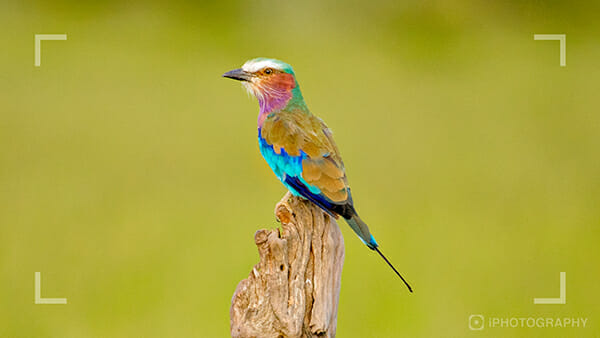
Background blur, or bokeh, can make your bird stand out by separating it from distractions. Longer focal lengths tend to produce stronger background blur, especially when combined with a wide aperture. This creates a creamy, smooth backdrop that highlights your subject.
Shorter focal lengths usually show more in focus behind the bird, which can either add context or clutter the image. If you want a clean, professional look, consider how your lens choice will affect background blur before shooting.
Popular Focal Lengths For Birds
Choosing the right focal length is key for bird photography. Different lenses suit different bird types and shooting conditions. Popular focal lengths offer a balance between reach and image quality. They help capture sharp details from a good distance. Understanding these focal lengths helps you pick the best lens for your needs.
300mm Lenses
300mm lenses are a common choice for beginners. They are lightweight and easy to carry. Ideal for larger birds or open areas. These lenses let you get close without disturbing the bird. They work well in bright daylight and open skies. A versatile option for many bird photographers.
400mm And 500mm Options
400mm and 500mm lenses give more reach for smaller birds. They let you capture details from farther away. Great for birds in trees or distant perches. These lenses often have better image stabilization. They balance size and power well. A popular choice for serious hobbyists and enthusiasts.
Super Telephoto Choices
Super telephoto lenses go beyond 600mm focal length. Perfect for small or shy birds in the wild. They help fill the frame with tiny subjects. These lenses are heavier and more expensive. Usually used by professional bird photographers. Offer stunning close-up shots with sharp details and background blur.
Balancing Sharpness And Reach
Finding the right balance between sharpness and reach is crucial in bird photography. You want a lens long enough to capture distant birds clearly but also sharp enough to reveal fine details like feathers and eyes. Choosing the right focal length involves weighing these factors carefully to avoid blurry or grainy images.
Lens Quality And Sharpness
Not all lenses with the same focal length deliver the same sharpness. Higher-quality lenses often have better glass and coatings that reduce distortions and improve clarity.
Even if you have a 400mm lens, a cheaper model might produce softer images than a well-made 300mm prime lens. Have you noticed how sharpness can vary dramatically between brands and price points? Investing in a lens known for sharpness can make a big difference in your bird photos.
Crop Factor Considerations
The sensor size in your camera affects how much reach your lens provides. Cameras with smaller sensors, like APS-C or Micro Four Thirds, crop the image and effectively increase the focal length.
This means a 300mm lens on an APS-C camera acts more like a 450mm lens on a full-frame. This crop factor can be an advantage if you want more reach without carrying heavier lenses. Are you using your crop factor to your benefit, or is it limiting your frame?
Image Stabilization Benefits
Long focal lengths magnify camera shake, leading to blurry shots. Image stabilization (IS) helps counteract this by reducing the effect of small movements.
With IS, you can handhold longer lenses at slower shutter speeds and still get sharp images. This is especially useful when you’re chasing birds in unpredictable conditions. Do you rely on IS to keep your shots crisp, or do you prefer tripods and faster shutter speeds?
Credit: www.iphotography.com
Shooting Techniques For Sharp Images
Capturing sharp bird photos challenges many photographers, especially when birds move quickly or light conditions change. You need more than just a good lens; mastering specific shooting techniques can make a huge difference in your image clarity. Let’s break down key approaches that will help you take crisp, detailed bird photographs every time.
Optimal Camera Settings
Adjusting your camera settings correctly is essential for sharp images. Use a fast shutter speed—at least 1/1000 second or higher—to freeze bird motion effectively.
Set your aperture between f/5.6 and f/8 to balance depth of field and sharpness. Keep ISO as low as possible to reduce noise, but don’t hesitate to increase it slightly if it means keeping a fast shutter speed.
Try continuous autofocus (AI Servo or AF-C mode) to maintain focus on moving birds. Also, shoot in burst mode to capture multiple frames quickly, increasing your chances of getting a sharp shot.
Using Tripods And Supports
Using a tripod or monopod stabilizes your camera and reduces blur caused by hand shake, especially with long telephoto lenses. I once struggled with blurry shots until I started using a sturdy tripod paired with a gimbal head—this setup made tracking birds much smoother.
If a tripod isn’t practical, lean against a stable surface or use bean bags for extra support. Even small improvements in stability can sharpen your images dramatically.
Tracking Fast-moving Birds
Tracking birds in flight demands practice and patience. Focus on the bird’s head or eyes, as these areas are most important for sharpness.
Practice panning smoothly with the bird’s movement to keep it centered in your frame. Using a telephoto lens with image stabilization helps reduce motion blur during tracking.
Ask yourself: Are you anticipating the bird’s next move or reacting too late? Improving your prediction skills improves sharpness and composition simultaneously.
Budget-friendly Lens Alternatives
Finding the right focal length for bird photography doesn’t have to break the bank. Budget-friendly lens alternatives can open up new possibilities for capturing stunning bird images without sacrificing too much quality. Understanding these options helps you make smart choices that fit your style and wallet.
Teleconverters To Extend Reach
Teleconverters are a cost-effective way to increase your lens’s focal length. By attaching one between your camera and lens, you can add 1.4x or 2x magnification, letting you get closer to distant birds without buying a super-expensive lens.
Keep in mind, teleconverters may reduce the amount of light entering the lens and can slightly affect image sharpness. However, if you already own a decent telephoto lens, a teleconverter can be a smart investment that stretches your reach for less money.
Prime Vs Zoom Lenses
Choosing between prime and zoom lenses depends on your shooting style and budget. Prime lenses usually offer sharper images and wider apertures, great for low light and blurred backgrounds, but they lock you into one focal length.
Zoom lenses give you flexibility to adjust framing without moving, which is handy when birds fly unpredictably. On a budget, you might find a quality zoom lens that covers 100-400mm range, giving you versatility without needing multiple primes.
Used Lens Market Tips
Buying used lenses can save you hundreds of dollars, but you need to shop carefully. Look for trusted sellers with good return policies and ask for detailed photos to check for scratches or fungus on glass.
Test autofocus and image stabilization if possible. Also, consider older lens models from reputable brands—they often deliver excellent performance at a fraction of the cost of new releases. Have you checked local camera stores or online marketplaces lately? You might be surprised what gems you can find.

Credit: medium.com
Adapting To Different Birding Environments
Choosing the right focal length is key in bird photography. Different environments need different lenses. A 300mm to 600mm lens is ideal for capturing birds from a distance.
Adapting to different birding environments requires choosing the right focal length. This choice impacts how you capture birds in various settings. Each environment presents unique challenges. Understanding these helps in selecting the correct lens for stunning bird photographs.Forest And Dense Vegetation
In forests, birds often hide among leaves and branches. A focal length of 300mm to 500mm works well here. It allows you to zoom in on birds without disturbing them. This range helps in capturing detailed shots through gaps in foliage. Use a tripod to stabilize your camera in low light.Open Fields And Wetlands
Wide-open spaces offer different opportunities. Birds often fly or stand at a distance. A longer lens, around 500mm to 600mm, is beneficial. It helps in capturing birds in flight or perched far away. Consider using a monopod. It provides mobility and stability for quick shots.Urban Bird Photography
Cities have unique bird species. They often come closer to people. A focal length of 200mm to 300mm is often sufficient. This allows for flexibility in tight spaces. You can shoot birds on rooftops or in small parks. Stay ready for sudden movements, as urban birds are dynamic.
Credit: photzy.com
Frequently Asked Questions
What Is The Ideal Focal Length For Bird Photography?
The ideal focal length for bird photography ranges from 300mm to 600mm. This range allows clear, close-up shots without disturbing the birds. Longer lenses capture distant subjects with sharp detail, essential for wildlife photography.
Can I Use A 200mm Lens For Bird Photography?
A 200mm lens can work for bird photography but may limit close-up detail. It suits larger birds or those in open areas. For smaller or distant birds, longer focal lengths are recommended for better image quality.
Why Do Bird Photographers Prefer Telephoto Lenses?
Bird photographers prefer telephoto lenses for their ability to capture distant subjects sharply. These lenses provide magnification and allow shooting without scaring the birds. Telephoto lenses enhance detail and framing in wildlife photography.
How Does Focal Length Affect Bird Photo Composition?
Focal length affects framing and background blur in bird photos. Longer focal lengths isolate the subject and create a pleasing bokeh. Shorter lenses capture wider scenes but may include distracting backgrounds.
Conclusion
Choosing the right focal length is key for clear bird photos. Longer lenses help capture distant birds without scaring them away. Shorter lenses work well for nearby birds or wide scenes. Think about your style and bird types you like to shoot.
Practice with different lenses to see what fits best. Enjoy the process and keep learning. Great bird photos come with patience and the right tools. Keep your camera ready and watch the birds fly!




