
Are you tired of raccoons raiding your bird feeders and scaring away the birds you love to watch? You’re not alone.
These clever critters can turn your peaceful backyard into a feeding frenzy, leaving you frustrated and wondering how to keep your feathered friends safe. The good news is, you can protect your bird feeders without harming the raccoons or giving up on your birdwatching hobby.
You’ll discover simple, effective ways to raccoon proof your bird feeders so you can enjoy your garden visitors worry-free. Keep reading to learn how to outsmart these nighttime snackers and bring calm back to your backyard.
Why Raccoons Visit Bird Feeders
Raccoons often visit bird feeders because these spots offer an easy food source. Understanding why raccoons are drawn to feeders helps in keeping them away. Their natural habits and diet explain much about their interest in your backyard treats.
Raccoon Behavior And Diet
Raccoons are nocturnal animals. They search for food mostly at night. Their diet includes fruits, nuts, insects, and small animals. They are curious and intelligent, which helps them find food quickly. Raccoons use their strong paws to grab and open containers. This skill makes bird feeders an attractive target. They eat almost anything they find. Birdseed fits well with their natural diet.
Attraction To Bird Feeders
Bird feeders hold easy, high-energy food. Seeds and nuts provide a reliable meal. Feeders often spill seeds, creating a tasty ground buffet. Raccoons smell the seeds from far away. The noise of birds feeding can signal food. Raccoons like to explore places with new smells. Feeders are easy to reach and full of food. This makes them a favorite spot for raccoons to visit often.
Choosing Raccoon-resistant Feeders
Choosing the right feeder is key to keeping raccoons away from your bird food. Raccoon-resistant feeders limit access to seeds while allowing birds to feed safely. This choice reduces mess and protects your feathered visitors. Understanding feeder types and their design helps in picking the best option for your garden.
Types Of Pest-proof Feeders
Several feeder types offer protection against raccoons. Some use weight-sensitive perches that close feeding ports under heavy pressure. Others have cages around the feeding area that block larger animals but let small birds inside. Tube feeders with small openings also reduce raccoon access. Hopper feeders with metal guards can prevent raccoon climbing. Each type serves a unique function to deter pests effectively.
Material And Design Features
Strong materials improve feeder durability. Metal and heavy-duty plastic resist chewing and scratching. Smooth surfaces make it harder for raccoons to grip. Rounded edges and a lack of footholds stop climbing. Designs with seed trays that close or retract after feeding protect seeds from spills. Weather-resistant finishes keep feeders safe from rust and damage. These features combine to create a raccoon-resistant feeding station.
Placement Tips To Deter Raccoons
Placing your bird feeders thoughtfully can make a big difference in keeping raccoons away. Raccoons are clever and agile, so simply hanging a feeder anywhere won’t stop them. You need to choose spots that make it hard or risky for raccoons to reach the food while still inviting for your feathered friends.
Ideal Feeder Locations
Pick locations that are open and visible to you. Raccoons prefer dark, hidden spots where they can sneak around unnoticed. Placing feeders near bright lights or where you frequently spend time can discourage their visits.
Avoid placing feeders near trees or fences that raccoons can climb to access the food. Instead, look for clear spaces with no easy launch points. Think about how raccoons move—often from trees or rooftops—and block those paths by moving feeders away.
Using Height And Distance Strategically
Mount your feeders high enough to be out of raccoon’s easy reach—at least 5 to 6 feet off the ground. But height alone isn’t enough. Make sure the feeder is at least 10 feet away from any jumping-off spots like branches, roofs, or fences.
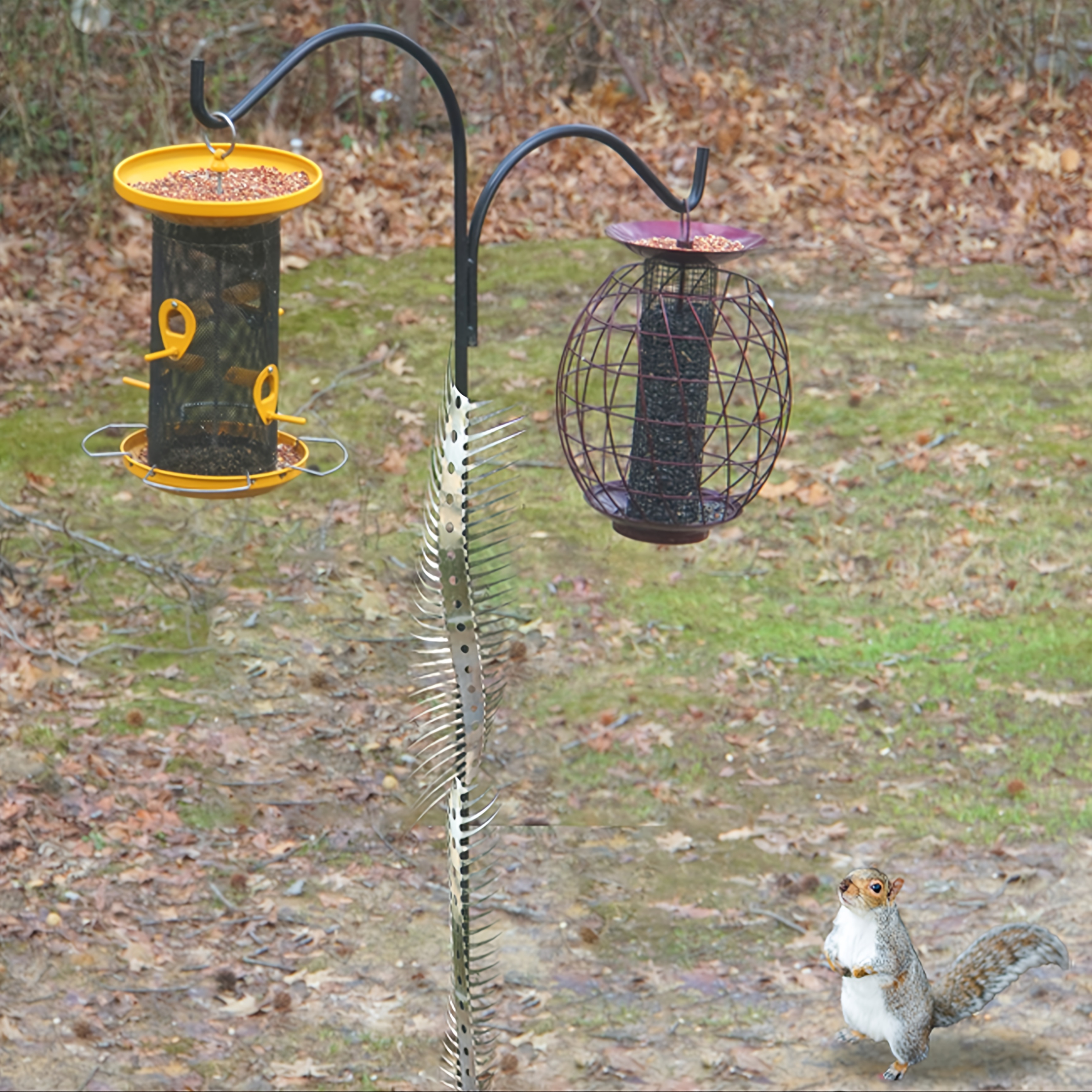
One trick I learned is to use a tall, smooth pole to hang the feeder. Raccoons struggle to climb poles without rough surfaces or branches. You can even add a metal baffle below the feeder to stop them from climbing up.
Ask yourself: can a raccoon jump or climb from nearby objects to the feeder? If yes, move it farther or remove those objects. Your goal is to create a feeding spot that’s easy for birds but too tricky for raccoons.
Credit: www.temu.com
Physical Barriers And Deterrents
Physical barriers and deterrents create a strong defense against raccoons. These tools stop raccoons from reaching bird feeders easily. Using the right barriers can protect your birds’ food and keep raccoons away from your yard.
These barriers are simple to install and work by blocking raccoons’ access or by scaring them off. They are safe for birds and other wildlife. Effective barriers make your bird feeder less inviting to unwanted visitors.
Installing Baffles And Guards
Baffles are round or cone-shaped shields placed around feeder poles. They stop raccoons from climbing up to the feeder. Use metal or heavy plastic baffles for durability. Place baffles at least 4 feet above the ground and 3 feet below the feeder.
Guards wrap around the feeder itself. They block raccoons from grabbing seeds or suet. Look for guards that fit snugly and cover all sides of the feeder. Guards reduce damage and keep food safe.
- Choose smooth, slippery materials for baffles and guards
- Regularly check for wear or damage
- Make sure baffles allow easy access for birds
Using Motion-activated Devices
Motion-activated devices startle raccoons when they get close. These devices include lights, sprinklers, or sounds. Sudden movement or noise scares raccoons away quickly.
Position devices near the bird feeder for best effect. Adjust sensitivity to avoid disturbing birds. These tools work best combined with physical barriers.
- Use motion-activated lights to surprise night-time visitors
- Set sprinklers to spray water when motion is detected
- Choose sound devices with natural predator noises
Feeding Practices To Minimize Attraction
Feeding practices play a big role in keeping raccoons away from bird feeders. These clever animals are drawn to easy food sources. Changing what and how you feed birds can lower unwanted visits. Small actions can make a big difference in protecting feeders.
Focus on food types and cleanliness. Both affect raccoon attraction. Offering bird food that raccoons dislike helps keep them away. Regular cleaning removes leftover seeds that attract them. These habits create a safer feeding area for birds only.
Choosing The Right Bird Food
Select bird food that raccoons avoid. Black oil sunflower seeds attract many birds but also raccoons. Instead, try safflower seeds or nyjer seeds. These have strong flavors that raccoons dislike.
Use seed blends designed for smaller birds. Avoid mixes with corn or peanuts. These ingredients are favorite snacks for raccoons. Offer only enough food to prevent spills and waste.
Cleaning And Maintenance
Clean feeders often to stop seed buildup. Raccoons smell leftover food and return regularly. Remove spilled seeds from under the feeder daily. Wash feeders with hot, soapy water every two weeks.
Check feeder parts for damage. Fix holes or gaps where raccoons can reach food. Keep the feeding area tidy to reduce hiding spots. Use a broom or rake to clear leaves and debris.

Credit: store.bromebirdcare.com
Natural Repellents And Scare Tactics
Keeping raccoons away from bird feeders can be a challenge. These clever creatures are persistent and resourceful. But, you can protect your feeders with natural repellents and scare tactics. By using scent-based solutions and deterrents, you can enjoy watching birds without raccoon interference.
Scent-based Solutions
Raccoons have a strong sense of smell. You can use this to your advantage. Certain scents deter raccoons effectively. Try sprinkling cayenne pepper around the feeder. Raccoons dislike the spicy scent and taste. Another option is peppermint oil. Soak cotton balls in peppermint oil and place them around the feeder. The strong minty aroma keeps raccoons at bay. You can also use vinegar. Its strong smell is unpleasant to raccoons.
Visual And Sound Deterrents
Scare tactics work well in deterring raccoons. Use reflective objects like CDs or aluminum foil. Hang them near the feeder to create movement and light. The reflections confuse and scare raccoons. Sound deterrents are also effective. Wind chimes make noise with the slightest breeze. The unfamiliar sounds can keep raccoons away. Another idea is motion-activated lights or sprinklers. They startle raccoons when triggered, encouraging them to leave.
Dealing With Persistent Raccoons
Protect bird feeders by placing them away from trees or fences raccoons use to climb. Use baffles and secure feeders to poles to block raccoons from reaching the food.
Dealing with persistent raccoons can be a real challenge for bird lovers. These crafty creatures often outsmart even the most well-thought-out deterrents. If you’ve tried everything and raccoons still feast at your bird feeders, you might need a more strategic approach.Trapping And Relocation Guidelines
Before setting traps, check local regulations. Many areas have specific rules about trapping and relocating wildlife. It’s crucial to ensure you’re compliant to avoid legal issues. Use humane traps designed for raccoons. Position them near the bird feeder but out of sight from curious birds. Bait them with something raccoons love, like marshmallows or peanut butter. Relocate the raccoon at least five miles away. Choose a wooded area where it can thrive. Remember, relocation should be a last resort after all other deterrents have failed.When To Seek Professional Help
Sometimes, raccoons can become too persistent or aggressive. If you’re concerned about safety or the welfare of the animals, it might be time to call in a professional. Wildlife control experts have the tools and experience to handle raccoon problems safely. They can offer advice tailored to your situation and help implement solutions. Consider professional help if raccoons are causing significant property damage. They can assess the situation and provide effective, humane solutions.:max_bytes(150000):strip_icc()/GettyImages-172297184-b9f3715089b14f59b3ed4e9079847c56.jpg)
Credit: www.marthastewart.com
Frequently Asked Questions
How Can I Stop Raccoons From Stealing Birdseed?
Use raccoon-proof bird feeders with weight-sensitive perches. Place feeders away from trees and use baffles on poles. Clean spilled seed regularly to avoid attracting raccoons. These steps reduce raccoon access and protect your bird feeders effectively.
What Type Of Bird Feeder Is Raccoon-resistant?
Metal tube feeders with small feeding ports and weight-activated mechanisms resist raccoons. Feeders with enclosed seed compartments limit raccoon access. Avoid platform feeders, as raccoons easily reach seeds there. Choose feeders designed specifically for raccoon prevention.
Where Should I Place Bird Feeders To Avoid Raccoons?
Place feeders at least 10 feet from trees, fences, or structures raccoons can climb. Mount feeders on tall, smooth poles with baffles installed below. This placement minimizes raccoon access and keeps your birdseed safe.
Does Using A Baffle Help Raccoon-proof Bird Feeders?
Yes, baffles are effective barriers that prevent raccoons from climbing poles. Install cone-shaped or cylindrical baffles below feeders. They stop raccoons from reaching the seed and protect your feeders from damage.
Conclusion
Raccoons can be clever and persistent visitors. Protect your bird feeders with simple steps. Use baffles, hang feeders high, and choose sturdy designs. Keep food areas clean to avoid attracting raccoons. These tips help keep birds safe and feeders full.
Enjoy watching birds without unwanted guests. Stay patient and adjust methods as needed. A little effort makes bird feeding more peaceful. Keep trying different ideas until you find what works best. Your garden will thank you with happy birds.




