
Are you looking to add a charming touch to your garden while giving birds a refreshing place to visit? Making your own bird bath fountain is easier than you might think.
Imagine the gentle sound of flowing water attracting colorful birds right to your backyard. Not only does it create a peaceful atmosphere, but it also helps keep your feathered friends happy and healthy. In this guide, you’ll discover simple steps to build a beautiful bird bath fountain that fits your style and budget.
Ready to transform your outdoor space and enjoy nature up close? Let’s get started!
Choosing The Right Location
Choosing the right location for your bird bath fountain is key to attracting birds and keeping the water fresh and inviting. A well-placed fountain not only enhances your garden’s beauty but also supports local wildlife effectively. Think about how sunlight, visibility, and safety come together to create the perfect spot.
Sunlight And Shade Balance
Birds love water that stays cool and clean. Too much direct sunlight can heat the water quickly, making it less appealing and encouraging algae growth.
Place your bird bath where it receives morning sun and afternoon shade. This balance keeps the water fresh longer and gives birds a comfortable spot during hot days.
Have you noticed birds avoiding water that feels too warm? Adjusting the location to catch gentle sun can make a big difference.
Visibility And Accessibility
Your bird bath should be easy for birds to find and reach. Open areas near shrubs or trees offer good visibility and quick escape routes.
Try placing the fountain within sight from your favorite window. Watching birds up close adds joy and encourages frequent visits.
Think about your own access too. You’ll want to clean and refill the fountain without hassle, so keep it within easy reach.
Safety From Predators
Birds need to feel safe while drinking or bathing. Avoid spots near dense bushes or low branches where cats or other predators can hide.
Elevate the fountain slightly or place it near taller plants that offer quick cover without blocking the view.
Have you ever seen a bird hesitate before approaching water? Safety concerns are often why. Your location choice can help birds relax and return regularly.
Selecting Materials And Tools
Choosing the right materials and tools is crucial when building your bird bath fountain. The quality and type of components you select will affect not only the look but also the durability and functionality of your fountain. Think about what fits your garden style and how much maintenance you’re willing to do.
Types Of Basins And Bowls
Your bird bath’s basin is where the magic happens. Basins come in various materials like ceramic, concrete, metal, and plastic. Ceramic bowls offer vibrant colors but can be fragile in cold weather. Concrete is sturdy and weather-resistant, perfect if you want something long-lasting. Metal basins add a modern touch but may heat up quickly in the sun, which can bother birds.
Shape and size matter too. Shallower basins are friendlier for small birds, while deeper ones might attract larger species. Have you thought about reusing an old bowl or dish? That can add a unique charm and save money.
Water Pump Options
Your fountain needs a reliable pump to keep the water flowing smoothly. Submersible pumps are popular because they hide inside the basin, keeping the setup neat. They come in different flow rates, so consider how much movement you want in the water—gentle ripples or a stronger spray.
Solar-powered pumps are great if you want to avoid wiring and electricity bills. However, they rely on sunlight, so they might not run well on cloudy days. If you prefer control, electric pumps with adjustable flow settings give you flexibility but require a nearby power source.
Decorative Elements
Adding decorative touches can make your bird bath fountain a standout feature in your garden. Think about stones, shells, or small statues that can be placed around or inside the basin. Natural elements like river rocks provide texture and places for birds to perch safely.
Colorful tiles or glass beads can brighten the fountain and catch sunlight beautifully. Would you like to add plants nearby? Floating water plants can enhance the look and provide shade for birds. Keep in mind that decorations shouldn’t block water flow or make the basin slippery for birds.
Preparing The Base And Basin
Preparing the base and basin is a crucial part of creating a bird bath fountain that not only looks great but also functions smoothly. A stable and well-prepared foundation prevents wobbling and water spillage. Taking your time here will save you effort and frustration later.
Leveling The Ground
Start by choosing a flat spot in your garden or yard for your bird bath. Uneven ground can cause the basin to tilt, making it hard for birds to drink comfortably and risking water overflow.
Use a garden rake or shovel to clear the area of debris like rocks and roots. Then, press down the soil firmly to create a solid surface. To check if it’s level, place a carpenter’s level across the spot or lay a straight board and see if it rocks.
If you find bumps or dips, add or remove soil until the base is perfectly flat. Have you ever noticed how a slight tilt can ruin the whole experience for birds? That’s why leveling is so important.
Securing The Basin
Once the ground is level, secure the basin to prevent it from moving or tipping over. You can use a bed of sand or small gravel to create a snug seat for the basin.
- Spread a 1-2 inch layer of sand or fine gravel on the leveled ground.
- Press it down firmly with your hands or a flat tool to create a stable cushion.
- Place the basin on top and gently press down to embed it into the sand.
This technique helps the basin stay steady while allowing slight adjustments for perfect leveling. You might also consider anchoring the basin with landscape spikes if it’s particularly large or heavy.
Waterproofing Tips
Keeping your bird bath fountain waterproof extends its life and reduces maintenance. If you’re using a porous basin like concrete or stone, applying a waterproof sealant is essential.
Choose a non-toxic, water-based sealant safe for wildlife. Apply it evenly inside the basin using a brush and let it dry completely before adding water. This prevents leaks and keeps the water cleaner for longer.
Remember to reapply the sealant every year or as recommended. Have you noticed how some bird baths develop cracks or stains over time? Waterproofing can help you avoid those problems.

Credit: www.youtube.com
Installing The Water Pump
Place the water pump securely in the bird bath basin. Connect the pump to a power source and test water flow. Adjust the pump’s position to create a gentle fountain effect.
Installing the water pump is a crucial step in creating your bird bath fountain. This component ensures water circulates smoothly, attracting birds to your garden. A well-placed and connected water pump offers endless hours of birdwatching pleasure. Below are essential steps to guide you in setting up your pump.Pump Placement
Choose a flat spot inside the bird bath for the pump. This prevents it from tilting or moving. Ensure the pump is submerged for optimal performance. Consider the pump’s cord length for easy access to power.Connecting Tubing
Attach the tubing securely to the pump’s outlet. Cut tubing to desired length for your fountain design. Ensure a snug fit to avoid leaks. Guide the tubing to the fountain’s center, allowing water to flow smoothly.Power Source Setup
Connect the pump to a safe power source. Use a grounded outdoor extension cord for safety. Position cords away from water to prevent accidents. Consider solar-powered pumps for an eco-friendly option.Creating The Fountain Effect
Creating the fountain effect in a bird bath adds charm and attracts more birds. It makes the water move gently, keeping it fresh and inviting. The fountain’s movement creates soothing sounds that enhance your garden’s atmosphere. Achieving this effect needs careful setup and simple tools.
Adjusting Water Flow
Control the water flow to create the right splash and spray. Use a pump with adjustable settings to manage water pressure. Too strong a flow can scare birds away. Too weak will not create the desired effect. Test different flow levels to find a balance that looks natural and sounds pleasant.
Adding Nozzles And Features
Nozzles change the shape and height of the water spray. Choose nozzles with different spray patterns like jets or mist. Attach these to your pump outlet for varied fountain effects. Consider adding features like small stones or cups to direct water flow. These create interesting water shapes and keep birds curious.
Maintaining Water Circulation
Keep water moving to stop it from becoming stagnant. Use a submersible pump to ensure constant circulation. Clean the pump regularly to prevent clogs and damage. Remove leaves and debris from the bird bath often. Proper circulation keeps water clean and safe for birds to drink and bathe.

Credit: m.youtube.com
Decorating Your Bird Bath Fountain
Choose stones, plants, or small figurines to decorate your bird bath fountain. Place items carefully around the basin to keep water clean. Simple decorations create a welcoming space for birds to enjoy.
Decorating your bird bath fountain can transform it from a simple water feature into a captivating garden centerpiece. With a few thoughtful touches, you can create a visually appealing environment that attracts not only birds but also becomes a focal point in your outdoor space. Whether you prefer a natural look or something more whimsical, there are countless ways to enhance your bird bath fountain.Natural Stones And Plants
Adding natural stones can give your bird bath fountain a rustic charm. Choose smooth river rocks or colorful pebbles to line the basin. This not only adds beauty but also provides birds with safe perches. Consider surrounding your fountain with native plants. They enhance the natural vibe and provide shelter for visiting birds. Opt for low-maintenance varieties that thrive in your climate for an effortless, lush look.Lighting Options
Lighting can transform your bird bath fountain into a magical night-time feature. Solar-powered lights are an eco-friendly option that requires minimal maintenance. Place them strategically around the fountain to highlight its best features. String lights can add a touch of whimsy, making the fountain a cozy evening retreat. Experiment with different lighting angles to see what creates the most enchanting effect.Seasonal Decorations
Seasonal decorations keep your bird bath fountain fresh and inviting throughout the year. In spring, add pastel-colored accents like flowers or ribbons. During autumn, consider using small pumpkins or fallen leaves for a cozy feel. Winter decorations could include frost-resistant ornaments or festive wreaths. Changing your decorations with the seasons keeps your garden dynamic and engaging. Are there unique themes you could explore to make your bird bath stand out year-round?Maintaining And Cleaning
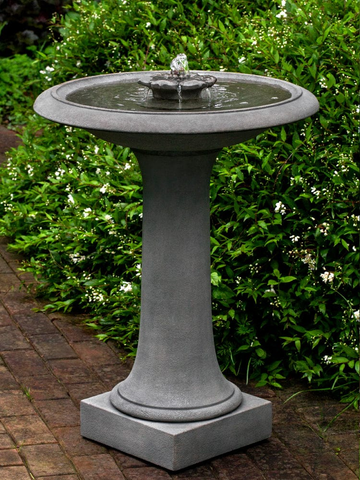
Keeping your bird bath fountain clean and well-maintained is key to attracting birds and ensuring their safety. Dirt, algae, and clogged pumps can quickly turn your charming water feature into a neglected spot. Regular attention not only extends the life of your fountain but also keeps the water fresh and inviting for your feathered visitors.
Regular Water Changes
Changing the water frequently is one of the simplest ways to maintain your bird bath fountain. Stagnant water can become a breeding ground for mosquitoes and harmful bacteria. Aim to replace the water every two to three days, or more often during hot weather to keep it fresh and clear.
If you notice the water looking cloudy or smelling unpleasant, don’t wait—swap it out immediately. Birds prefer clean water, and you’ll see more visits when the fountain sparkles.
Pump Maintenance
The pump is the heart of your fountain, so it needs your attention too. Debris like leaves and dirt can clog the pump, causing it to work harder or stop altogether. Check the pump weekly, removing any blockages and rinsing it under clean water.
Take your pump apart occasionally to clean the impeller and housing. This simple step prevents buildup that can reduce water flow and damage the motor.
Preventing Algae Growth
Algae can quickly take over a bird bath fountain, turning the water green and slippery. To slow its growth, place your fountain in a spot that gets some shade during the day. Too much direct sunlight encourages algae to multiply rapidly.
You can also add natural algae inhibitors like barley straw extract or small amounts of baking soda. Avoid harsh chemicals—they can harm birds and other wildlife.
Have you ever noticed how a clean, well-maintained fountain changes the whole atmosphere of your garden? Keeping up with these simple steps ensures your fountain stays a safe haven for birds and a beautiful feature for you to enjoy.
Credit: www.outdoorartpros.com
Attracting Birds To Your Fountain
Creating a bird bath fountain is just the beginning. The real joy comes when birds start visiting regularly, filling your garden with life and movement. Attracting these feathered friends means more than just water; it involves crafting an inviting environment that meets their needs for food, shelter, and safety.
Choosing Bird-friendly Plants
Plants play a huge role in drawing birds to your fountain. Opt for native species that produce berries, seeds, or nectar, which provide natural food sources. Plants like coneflowers, sunflowers, and serviceberries are excellent choices.
Ever noticed how birds flock to your garden when certain flowers bloom? That’s no accident. These plants offer not only nourishment but also a familiar environment that makes birds feel comfortable.
Providing Food And Shelter
Adding a bird feeder nearby can complement your fountain perfectly. Use a mix of seeds to attract a variety of species, from finches to cardinals. Don’t forget to place some shrubs or small trees around for shelter.
Think about the last time you felt safe and cozy. Birds crave the same security. Dense bushes or evergreens near your fountain offer protection from predators and harsh weather, encouraging longer visits.
Keeping The Area Safe
Safety is crucial to keep birds coming back. Avoid using pesticides or chemicals around your fountain area, as these can harm birds. Clean the water regularly to prevent diseases and mosquito breeding.
Do you know what scares birds away? Predators like cats or sudden loud noises. Position your fountain where birds have a clear view of their surroundings, so they can spot danger early and feel secure.
Frequently Asked Questions
What Materials Are Needed For A Bird Bath Fountain?
You need a basin, water pump, tubing, stones, and waterproof sealant. Choose durable, weather-resistant materials for longevity and safety.
How Do I Install The Water Pump In The Fountain?
Place the pump at the basin bottom, connect tubing securely, and hide it with stones. Ensure the pump is fully submerged for proper function.
How Often Should I Clean My Bird Bath Fountain?
Clean the fountain weekly to prevent algae and bacteria buildup. Use mild soap and rinse thoroughly to keep birds safe.
Can I Use Solar Power For My Bird Bath Fountain?
Yes, solar pumps are eco-friendly and cost-effective. They work best in sunny locations and require minimal maintenance.
Conclusion
Creating a bird bath fountain adds beauty to any garden space. It provides water for birds and attracts wildlife nearby. The steps are simple and require only a few materials. Regular cleaning keeps the fountain fresh and safe for birds.
Enjoy watching birds visit your handmade water feature daily. Small efforts bring joy and life to your outdoor area. Give it a try and see the difference it makes. Nature will thank you with peaceful bird songs and lively activity.




