
If you have a small bird cage, you might wonder how to make it both comfortable and beautiful for your feathered friend. Decorating a small bird cage isn’t just about looks—it’s about creating a happy, stimulating space your bird will love.
You want your bird to feel safe, entertained, and cozy, but you also want the cage to fit perfectly in your home. You’ll discover simple, effective ways to decorate your small bird cage that balance style and function. Keep reading, because the right touches can transform your bird’s home and boost their happiness every day.
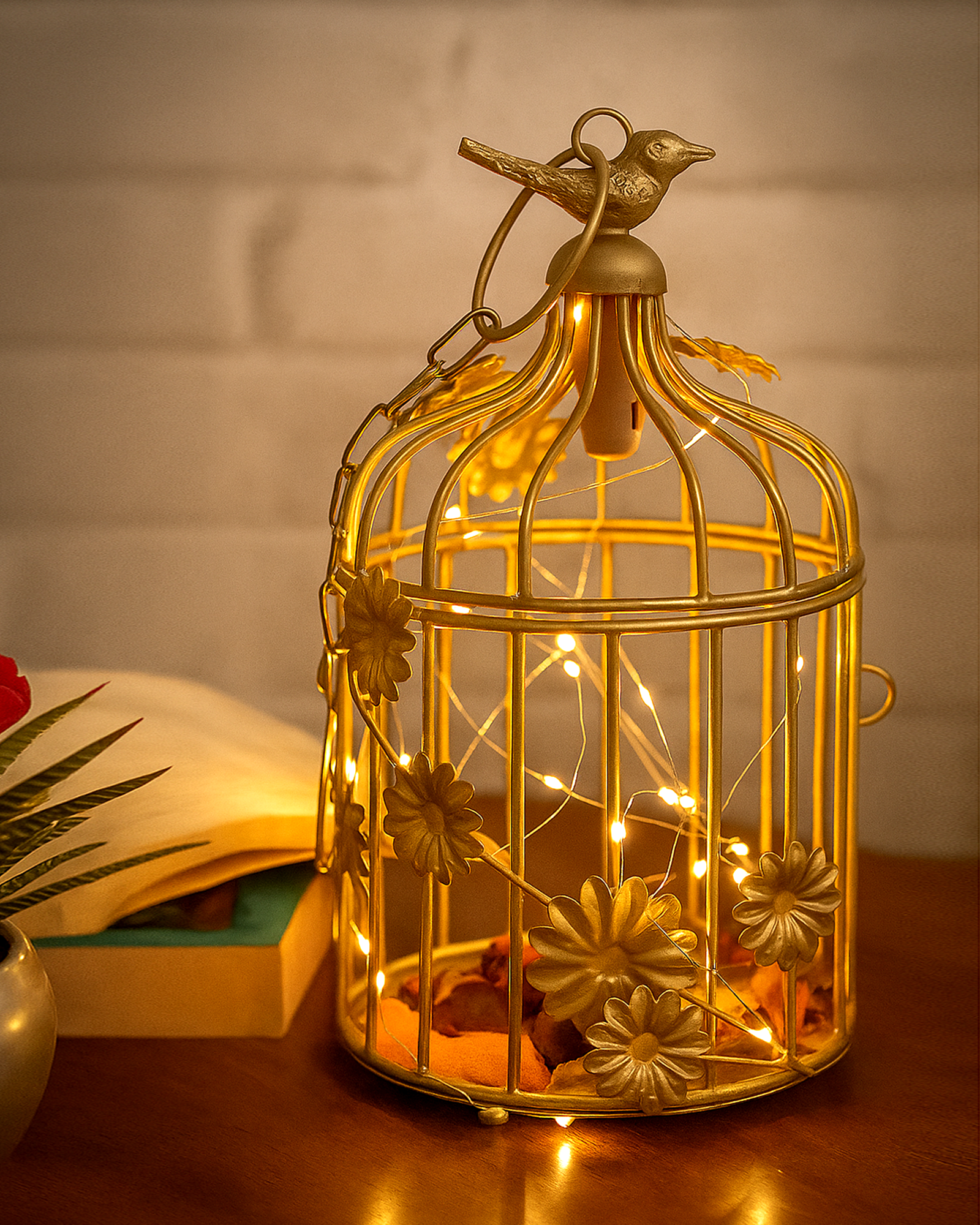
Choosing The Right Cage
Choosing the right cage sets the foundation for decorating a small bird cage. The cage affects your bird’s comfort and safety. It also shapes how you can arrange toys and perches inside. Picking the correct cage makes decorating easier and more enjoyable.
Size And Shape Matters
Small cages need enough space for your bird to move freely. Avoid cages that are too tight or cramped. Tall cages allow birds to climb and fly short distances. Wide cages offer more room for toys and accessories.
Consider the bird’s size and activity level. A larger cage helps avoid stress and boredom. Choose a shape that fits your space but also suits your bird’s needs.
Material Options
Cages come in metal, plastic, and wood materials. Metal cages are durable and easy to clean. Stainless steel is rust-resistant and safe for birds. Plastic parts should be non-toxic and sturdy.
Wood cages look natural but need extra care. They can absorb moisture and odors. Always check that materials do not chip or harm your bird’s feet.
Safety Considerations
Look for cages with smooth bars and secure locks. Avoid cages with sharp edges or gaps that trap toes. Bar spacing should match your bird’s size to prevent escape or injury.
- Check for non-toxic paint and finishes.
- Ensure doors and feeders close tightly.
- Choose cages free from harmful chemicals.
Proper ventilation is also crucial. Good airflow keeps your bird healthy and comfortable inside the cage.
Credit: www.homesake.in
Selecting Comfortable Perches
Choosing the right perches for your small bird cage is more important than you might think. Comfortable perches support your bird’s feet, help keep them active, and prevent health issues like bumblefoot. Picking the perfect type and placing them thoughtfully makes all the difference in your feathered friend’s happiness.
Natural Vs. Synthetic
Natural perches come from branches like willow, apple, or manzanita. They offer uneven textures and sizes, which help exercise your bird’s feet and prevent sores. Plus, many birds enjoy chewing on natural wood, which adds enrichment to their day.
Synthetic perches, made from plastic or resin, are easier to clean and often come in fun shapes or bright colors. However, they can be too smooth and hard, potentially causing foot problems if used exclusively. Mixing both types can give your bird comfort and variety.
Placement Tips
Where you place perches inside the cage affects how much your bird uses them. Position some near food and water dishes for easy access, but avoid placing perches directly above these to reduce droppings contamination. Also, ensure there’s enough space for your bird to stretch its wings without hitting the cage walls or other perches.
Try not to overcrowd the cage with too many perches. Birds need clear flight paths and room to move. Can you imagine living in a cramped room with no space to walk? Your bird feels the same way.
Variety For Foot Health
Different perch sizes and textures help maintain your bird’s foot muscles and nails. Use a mix of thick and thin perches to mimic natural branches. This prevents pressure sores and keeps claws trimmed naturally.
- Round perches for general use
- Flat perches to rest feet comfortably
- Rope or woven perches for a softer grip
Have you noticed your bird prefers one perch over others? That’s a sign to adjust the setup. Variety keeps their feet strong and prevents boredom.
Adding Toys And Enrichment
Adding toys and enrichment to a small bird cage keeps your feathered friend happy and active. Toys stimulate their mind and body. They prevent boredom and encourage natural behaviors like chewing and climbing. Enrichment improves your bird’s overall health and well-being.
Types Of Toys
- Chew toys made from wood or natural fibers
- Swings and ladders for climbing and exercise
- Foraging toys that hide treats for mental challenge
- Mirrors or bells to entertain and engage
- Soft ropes or fabric toys for comfort and play
Diy Toy Ideas
Simple homemade toys can be safe and fun. Use untreated wood pieces tied with cotton strings. Create paper chains from bird-safe paper. Hang small cardboard rolls filled with treats. Use natural twigs or pinecones cleaned well. Make a bell from small metal parts linked together.
Rotating Toys For Interest
Change toys often to keep your bird curious. Swap old toys for new ones every few days. Rotate different types to offer variety. This prevents boredom and keeps your bird active. Observe which toys your bird likes most. Focus on those to boost engagement.
Credit: craftsbyamanda.com
Incorporating Plants And Greenery
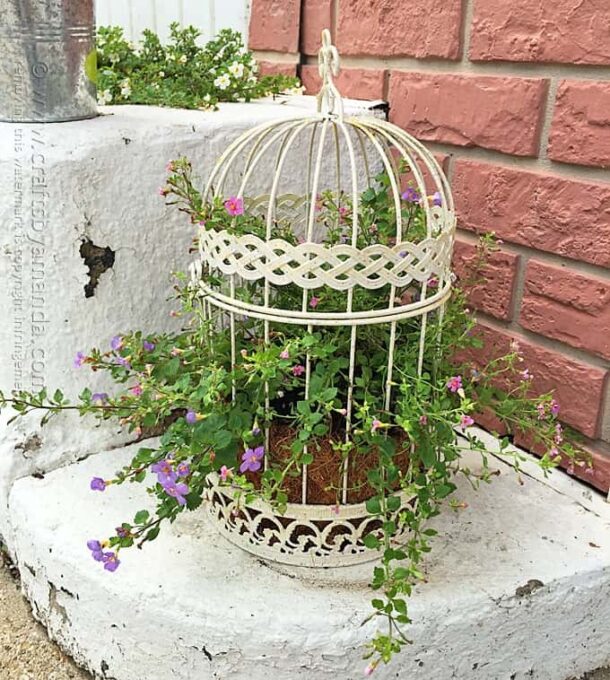
Adding plants and greenery to a small bird cage can transform it into a lively and natural space. It not only beautifies the cage but also provides your bird with stimulation and a sense of comfort. However, choosing the right plants and arranging them carefully is essential for your bird’s safety and happiness.
Safe Plants For Birds
Not all plants are safe for birds, so selecting non-toxic options is crucial. Some bird-friendly plants include:
- Spider Plant:Hardy and easy to maintain, it’s safe for birds to nibble on.
- Bamboo:Adds a tropical touch and is non-toxic.
- Herbs like Basil and Parsley:Great for enrichment and safe for most birds.
- Pothos (Devil’s Ivy):Often debated, but generally safe if kept in check and not ingested in large amounts.
Avoid plants with toxic leaves, berries, or sap, such as philodendrons, lilies, and azaleas. Your bird’s health depends on these choices, so double-check any new plant before adding it.
Placement Inside Vs. Outside
Deciding where to put plants can affect both your bird’s safety and the plant’s survival. Placing small pots inside the cage offers immediate access for your bird to explore but requires careful monitoring to avoid over-chewing or ingestion of soil.
Alternatively, positioning plants outside the cage but nearby can create a natural atmosphere without direct risk. You might hang small pots on cage bars or set plants on stands close to the cage, allowing your bird to enjoy greenery without direct contact.
Which setup fits your bird’s personality best? Some birds love exploring plants, while others prefer just the view.
Maintenance Tips
Keeping plants healthy inside or near your bird’s cage demands regular care. Water your plants consistently but avoid overwatering to prevent mold, which can harm your bird.
Trim dead leaves promptly and clean any fallen debris from the cage to maintain hygiene. Using organic, bird-safe fertilizers can help plants thrive without exposing your feathered friend to harmful chemicals.
Observe your bird’s behavior around the plants—are they chewing too much or ignoring them? Adjust placement or plant choice based on these observations to keep both your bird and plants happy.
Optimizing Cage Layout
Maximize space by arranging perches and toys thoughtfully to keep the cage open and inviting. Choose small, lightweight decorations that add comfort without crowding the bird’s area. Creating clear pathways lets your bird move freely and stay active.
Optimizing the layout of a small bird cage requires careful planning. It ensures comfort and accessibility for your feathered friend. A well-organized cage promotes a happy and healthy environment. Let’s explore some key aspects to consider.Balancing Space And Comfort
Ensure the bird has enough room to move freely. Avoid overcrowding the cage with toys. Balance is key. Place perches at different heights. This offers variety and exercise. Keep food and water in accessible spots. This helps the bird reach them easily.Creating Cozy Corners
Designate a quiet corner for rest. Use soft materials for comfort. A small hammock or tent can work. Make sure it’s safe and non-toxic. Birds enjoy a sense of security. This corner offers a retreat for them.Easy Access For Cleaning
Plan the layout for easy cleaning. Removable trays simplify the process. Keep items easy to move. This reduces stress during cleaning. Simple access helps maintain hygiene. Cleanliness is crucial for bird health.Lighting And Ambiance
Lighting and ambiance play a key role in a small bird cage’s comfort and health. Birds need light to feel safe and active. The right lighting can brighten their mood and support their natural behaviors. Creating a cozy atmosphere helps birds relax and enjoy their space.
Natural Light Benefits
Natural light is the best source for birds. It helps regulate their sleep and awake cycles. Sunlight also aids in vitamin D production, which is vital for strong bones. Place the cage near a window with filtered light. Avoid direct sunlight that can overheat the cage. Natural light keeps birds alert and happy.
Using Bird-safe Lamps
Bird-safe lamps provide light when natural light is not enough. Choose lamps designed to be safe and non-toxic. Use full-spectrum bulbs that mimic sunlight. Avoid bulbs that emit harmful UV or heat. Position lamps at a safe distance to prevent burns. Timers can help maintain a consistent light schedule.
Creating A Relaxing Environment
Soft and warm lighting creates a calm space. Dim lights in the evening to signal rest time. Use gentle light colors instead of bright whites. Add small lamps or night lights if needed. Keep the cage area quiet and free from harsh noises. A peaceful setting reduces stress and helps birds feel secure.
Maintaining Cleanliness And Hygiene
Keeping a small bird cage clean is vital for your bird’s health and happiness. Dirt and waste can build up quickly in small spaces. This can cause germs, bad smells, and even illness. Regular cleaning helps stop these problems. It also keeps the cage looking nice and inviting for your bird. Knowing how to clean safely and prevent mold and odors will make a big difference.
Cleaning Schedule
Set a clear cleaning routine for your bird cage. Daily tasks include changing the water and removing leftover food. Spot clean droppings and debris every day. Weekly, remove all toys, perches, and accessories. Wash the cage base and bars with warm water. Dry everything completely before putting it back. Monthly, do a deep clean with safe products. This schedule keeps the cage fresh and healthy for your bird.
Safe Cleaning Products
Choose cleaning products that are safe for birds. Avoid harsh chemicals like bleach and ammonia. Use mild soap or bird-safe disinfectants instead. Rinse all surfaces well to remove any residue. Vinegar diluted with water works well as a natural cleaner. Always test new products on a small area first. Safety ensures your bird will not get sick from cleaning agents.
Preventing Mold And Odors
Mold grows in damp, dirty places. Keep the cage dry by wiping spills immediately. Use absorbent bedding or cage liners to soak moisture. Clean food and water dishes daily to stop odor. Good airflow around the cage reduces dampness and smell. Replace old toys and perches that trap dirt. These steps help keep your bird’s home fresh and mold-free.

Credit: www.amazon.com
Frequently Asked Questions
How Can I Maximize Space In A Small Bird Cage?
Use vertical space by adding perches at different heights. Choose compact toys and avoid overcrowding. Opt for multi-functional accessories to save room and keep your bird comfortable.
What Are Safe Decorations For A Small Bird Cage?
Use natural wood perches, untreated branches, and bird-safe plants. Avoid toxic materials like plastics with harmful chemicals. Always check that toys are non-toxic and suitable for your bird’s species.
How Often Should I Clean A Decorated Bird Cage?
Clean the cage weekly to maintain hygiene. Remove uneaten food, droppings, and debris daily. Disinfect perches and toys regularly to prevent bacteria and keep your bird healthy.
What Lighting Is Best For A Small Bird Cage?
Provide natural light or full-spectrum lighting for 10-12 hours daily. Avoid direct sunlight to prevent overheating. Proper lighting supports your bird’s mood and natural behavior.
Conclusion
Decorating a small bird cage can be fun and simple. Choose safe toys and natural perches for comfort. Bright colors and varied textures keep your bird happy. Keep the space clean and avoid overcrowding. A well-decorated cage helps your bird feel at home.
Small changes make a big difference in their life. Enjoy creating a cozy, cheerful space for your feathered friend. Your bird will thank you with song and play.




