
Are you looking to bring a touch of green and life into your home? A Bird’s Nest Fern is a perfect choice.
Its lush, bright green leaves create a calming and fresh atmosphere. But to keep your fern healthy and thriving, you need to know the right care tips. You’ll discover simple, practical steps that make caring for your Bird’s Nest Fern easy and rewarding.
Ready to unlock the secrets to a happy, vibrant plant? Let’s dive in!
Choosing The Right Spot
Choosing the right spot for your Bird’s Nest Fern is key to keeping it healthy and vibrant. This plant thrives under specific conditions that mimic its natural tropical habitat. Understanding these conditions will help you find the perfect place in your home or office.
Light Requirements
Bird’s Nest Ferns prefer bright, indirect light. Direct sunlight can scorch their delicate fronds, causing brown tips or spots. Look for a spot near a north or east-facing window, or use sheer curtains to soften the light.
If your space is dim, don’t worry. These ferns tolerate lower light but may grow slower or appear less lush. Have you noticed how your fern reacts to different light levels? Adjust the spot if leaves start fading or curling.
Ideal Temperature
These ferns love warmth but dislike sudden temperature changes. Keep them in a room where temperatures stay between 60°F and 80°F (15°C to 27°C). Avoid placing your fern near drafts, heaters, or air conditioners.
Think about your daily routine—do you often open windows or doors that might cause chilly drafts? Consistency in temperature helps your fern stay stress-free and flourish.
Humidity Levels
High humidity is crucial for Bird’s Nest Ferns since they come from rainforests. Aim for humidity levels around 50% or higher. If your home is dry, especially in winter, use a humidifier or place the fern on a pebble tray with water.
How dry does your indoor air get? You might see leaf edges turning crispy if humidity is too low. Regular misting can also keep your fern happy and hydrated.

Credit: www.thesill.com
Planting And Potting
Planting and potting a Bird’s Nest Fern correctly sets the stage for healthy growth. This fern thrives in well-draining soil and needs a pot that supports its root system. The right soil and container help keep moisture balanced and prevent root rot. Proper potting also makes future care easier and keeps your fern happy.
Selecting The Soil
Choose soil that holds moisture but drains well. A mix of peat moss, pine bark, and perlite works great. This blend keeps the soil airy and moist without staying soggy. Avoid heavy garden soil or pure potting soil. They can trap too much water and harm the roots.
Choosing The Pot
Pick a pot with drainage holes at the bottom. This prevents water from pooling and causing root rot. A pot slightly larger than the root ball is best. Too big can hold excess water, too small can restrict growth. Materials like plastic or ceramic are suitable, but ceramic pots help keep soil cooler.
Repotting Tips
Repot your Bird’s Nest Fern every 1-2 years or when roots outgrow the pot. Gently loosen the root ball before placing it in the new pot. Add fresh soil around the roots to fill gaps. Water lightly after repotting to settle the soil. Avoid direct sunlight right after repotting to reduce stress on the plant.
Watering Needs
Watering is essential for a Bird’s Nest Fern to stay healthy and green. This plant prefers moist soil but not soggy. Proper watering helps the fern grow lush and vibrant. Understanding its watering needs prevents common problems like root rot or dry leaves.
Frequency And Amount
Water the Bird’s Nest Fern once a week in most homes. Check the soil before watering. It should feel slightly dry on top. Use enough water to moisten the soil deeply. Avoid letting water sit in the saucer under the pot. This plant likes consistent moisture but hates being wet all the time.
Signs Of Overwatering
Yellowing leaves often mean too much water. The base of the plant may feel soft or mushy. The soil stays wet for several days. Mold or fungus might appear on the soil surface. Overwatering can cause root rot, which harms the plant. Reduce watering if these signs show up.
Dealing With Underwatering
Dry, crispy leaf edges signal underwatering. The leaves may curl or wilt. Soil pulls away from the pot edges when too dry. Increase watering frequency to fix this. Spray water on the leaves to raise humidity. Keep the soil evenly moist for best results.

Credit: www.thesill.com
Fertilizing Your Fern
Fertilizing your bird’s nest fern helps it grow healthy and vibrant. This plant needs the right nutrients to stay green and strong. Fertilizer gives the essential elements that soil alone may lack. Proper feeding supports new leaves and keeps the plant lush. Choose the right type and feeding routine for best results.
Best Fertilizers To Use
Choose a balanced fertilizer with equal nitrogen, phosphorus, and potassium. Look for formulas like 10-10-10 or 20-20-20. These support leaf growth and overall health. Slow-release fertilizers work well for steady nutrition. Liquid fertilizers offer quick absorption and easy application. Avoid high nitrogen fertilizers that can burn the roots.
Feeding Schedule
Feed your fern every 4 to 6 weeks during spring and summer. These are the active growing months. Reduce feeding to once every 8 to 10 weeks in fall and winter. Overfeeding can cause leaf burn and slow growth. Always water the plant before applying fertilizer to protect roots.
Organic Vs. Synthetic Options
Organic fertilizers come from natural sources like compost or fish emulsion. They improve soil health and release nutrients slowly. Synthetic fertilizers are made chemically and provide quick nutrient boosts. Organics are gentler and safer for indoor plants. Synthetics act fast but require careful use to avoid damage. Choose based on your plant’s needs and care routine.
Pruning And Maintenance
Pruning and maintenance are key to keeping your Bird’s Nest Fern healthy and vibrant. Regular care helps prevent disease, promotes fresh growth, and keeps your plant looking its best. Let’s dive into practical steps you can take to maintain this beautiful fern.
Removing Dead Leaves
Dead or yellowing leaves can drain energy from your Bird’s Nest Fern. Use clean, sharp scissors or pruning shears to trim these leaves close to the base. Removing them promptly prevents pests and diseases from settling in.
Check your fern weekly for any leaves that look dry or damaged. This simple habit can make a big difference in the plant’s overall health and appearance.
Encouraging New Growth
Your fern thrives when it gets the right balance of care. Trim older, larger leaves to open space for new fronds to grow. This also improves airflow around the plant, reducing the chance of fungal problems.
Try misting your fern regularly or placing it in a humid spot to encourage fresh growth. Have you noticed how a little extra humidity can make the new leaves appear brighter and more lush?
Pest Control
Bird’s Nest Ferns can attract pests like scale, mealybugs, and spider mites. Inspect your plant often, especially under the leaves, for any small insects or sticky residue. Early detection makes pest control easier and less stressful.
If you find pests, wipe the leaves gently with a damp cloth or use insecticidal soap. Avoid harsh chemicals that can harm your fern’s delicate fronds. Could a natural remedy be the best way to keep your fern pest-free?
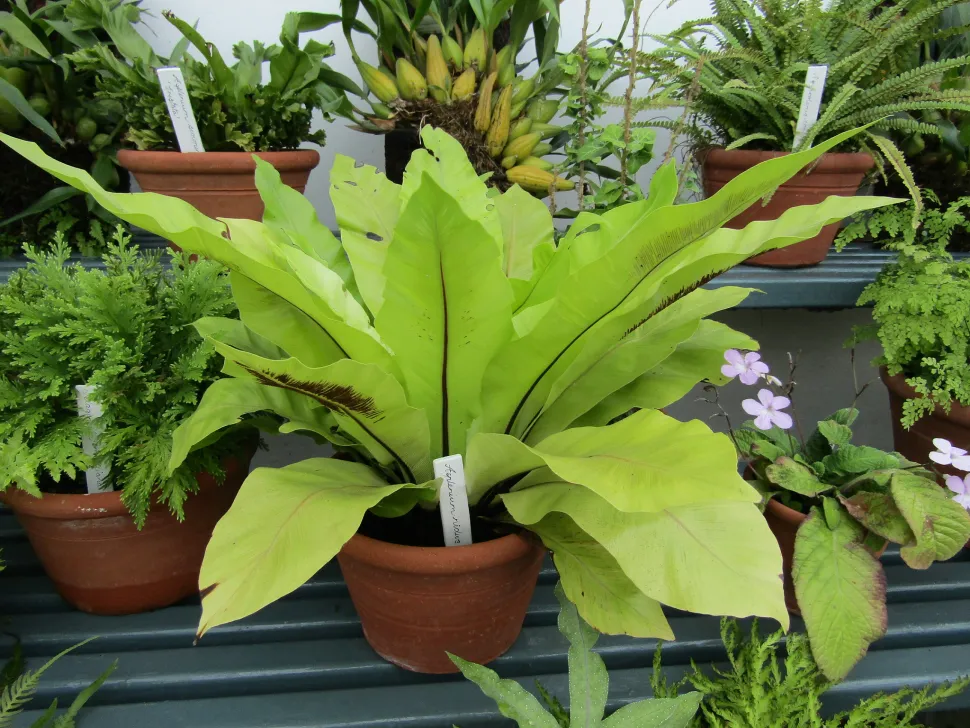
Credit: www.monstera-app.com
Common Problems
Bird’s Nest Ferns often face browning leaves due to low humidity or too much direct sunlight. Overwatering can cause root rot, while underwatering leads to dry, crispy fronds. Pests like scale or mealybugs may appear if plants are stressed or poorly cared for.
Caring for a Bird’s Nest Fern can be rewarding. But sometimes, issues arise. Understanding these common problems helps maintain plant health. Addressing issues early ensures your fern thrives.Yellowing Leaves
Yellowing leaves signal a problem in your Bird’s Nest Fern. This often indicates overwatering or poor drainage. Ensure the soil is well-draining. Avoid letting the plant sit in water. Check for pests like spider mites. They can also cause yellowing. Provide proper humidity, as low levels can stress the plant.Brown Tips
Brown tips are a common issue. This often results from low humidity. Bird’s Nest Ferns love moisture-rich environments. Mist the leaves regularly. Use a humidifier nearby if needed. Incorrect watering can also cause brown tips. Ensure you water consistently, but not excessively. Avoid direct sunlight, which can scorch the leaves.Root Rot
Root rot is a serious problem. It usually happens due to overwatering. Ensure the pot has drainage holes. Use a well-draining potting mix. If root rot occurs, remove affected roots. Repot the plant in fresh soil. Allow the soil to dry slightly between waterings. This helps prevent future issues.Propagation Methods
Bird’s Nest Ferns grow well from spores or by dividing their root clumps. Keep the soil moist and provide indirect light for best growth. Propagation is simple with patience and gentle care.
Caring for a Bird’s Nest Fern brings a touch of the tropics into your home, and understanding its propagation methods can help you multiply your fern collection effortlessly. While these ferns are known for their lush, bright green fronds, propagating them can be a rewarding experience that allows you to share their beauty. Whether you’re a seasoned plant enthusiast or just starting, learning how to propagate a Bird’s Nest Fern can be a fun and fulfilling endeavor.Division Technique
The division technique is an effective and straightforward way to propagate your Bird’s Nest Fern. Start by carefully removing the plant from its pot to expose the root ball. Gently separate a section of the root ball with at least a few healthy fronds attached. Place the divided section into a new pot filled with fresh, well-draining soil. Water it thoroughly to help settle the soil around the roots. Keep the new plant in a warm, humid spot to promote growth. Have you ever noticed how plants thrive when given a bit of attention? This method can be ideal if you enjoy hands-on gardening and witnessing immediate results. Plus, sharing a divided plant with a friend can be a lovely gesture.Growing From Spores
Growing Bird’s Nest Fern from spores is a more time-consuming process but offers a fascinating glimpse into the plant’s life cycle. Begin by collecting spores from the underside of mature fronds. You’ll notice tiny brown dots, which are the spore clusters. Spread the spores over moist sphagnum moss or a seed-starting mix. Cover the container with plastic to maintain humidity and place it in a warm, shaded area. Be patient, as germination can take several weeks. Have you ever wondered how patience can be a virtue in gardening? Watching tiny spores evolve into thriving plants can be incredibly satisfying. This method suits those who appreciate the art of slow gardening and the joy of watching life unfold. By exploring these propagation methods, you can enhance your Bird’s Nest Fern collection and enjoy the journey of plant parenthood. Which technique will you try first?Seasonal Care Tips
Seasonal changes affect the care your Bird’s Nest Fern needs. Adjusting your care routine helps the plant stay healthy all year. Different seasons bring shifts in temperature, light, and humidity. These changes require simple tweaks to your usual care.
Adjusting Watering In Winter
Water less during the colder months. The plant’s growth slows down, so it uses less water. Check the soil before watering. If the top inch feels dry, it’s time to water. Avoid letting the soil stay soggy. Overwatering can cause root rot and damage.
Managing Light Changes
Light levels drop in winter and increase in summer. Move your fern closer to a bright window during winter. Avoid direct sunlight, which can burn the leaves. In summer, place the fern where it gets filtered light. This balance helps the plant grow strong and healthy.
Protecting From Drafts
Keep your Bird’s Nest Fern away from cold drafts. Drafts can cause leaf edges to brown and curl. Check windows and doors for leaks, especially in winter. Place the fern in a stable spot with steady air. This protection keeps your fern comfortable and thriving.
Frequently Asked Questions
How Often Should I Water A Bird’s Nest Fern?
Water your Bird’s Nest Fern once a week. Keep the soil consistently moist but not soggy. Mist the leaves regularly to maintain humidity. Avoid letting the plant sit in standing water to prevent root rot.
What Is The Ideal Light For Bird’s Nest Fern?
Place your Bird’s Nest Fern in bright, indirect light. Avoid direct sunlight as it can scorch the leaves. Low to medium light conditions also work well, making it perfect for indoor spaces.
How Do I Fertilize A Bird’s Nest Fern?
Feed your Bird’s Nest Fern monthly during spring and summer. Use a balanced liquid fertilizer diluted to half strength. Avoid over-fertilizing to prevent leaf burn and promote healthy growth.
Can Bird’s Nest Fern Survive In Low Humidity?
Bird’s Nest Fern prefers high humidity but can tolerate moderate levels. Increase humidity by misting or using a humidifier. Grouping plants together also helps maintain moisture around the fern.
Conclusion
Caring for a Bird’s Nest Fern is simple and rewarding. Keep its soil moist but not soggy. Place it in indirect sunlight to avoid leaf burn. Regularly wipe the leaves to remove dust. Watch for pests and remove them quickly.
This plant adds a fresh, green touch to any space. With a little care, your fern will thrive and grow beautifully. Enjoy the calm and beauty it brings to your home.




