
If you want to attract birds to your garden, the size of the birdhouse hole is one of the most important details you need to get right. Too small, and the birds won’t be able to enter.
Too big, and predators might get inside. You might wonder: how big does a bird house hole need to be to keep your feathered friends safe and happy? Keep reading, because the answer could make all the difference in turning your backyard into a cozy home for birds.
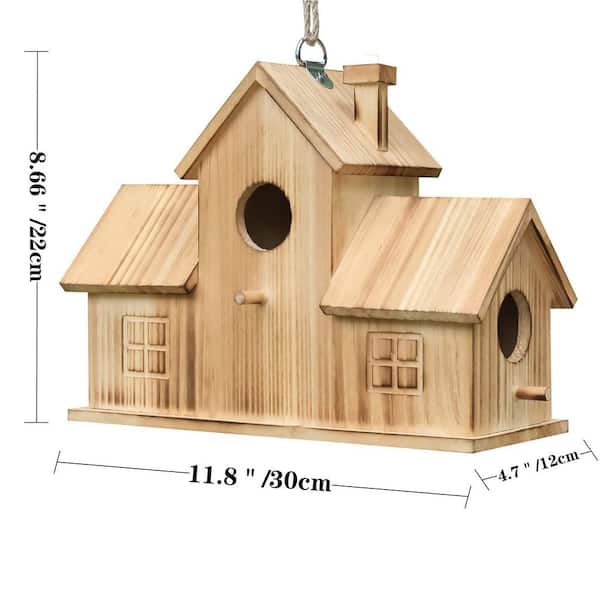
Credit: www.homedepot.com
Importance Of Hole Size
The size of the hole in a bird house is very important. It controls which birds can enter and nest safely. A hole that is too big or too small can cause problems for birds. The right hole size helps protect birds and keeps their home comfortable.
Impact On Bird Species
Each bird species prefers a specific hole size. Small birds need smaller holes to keep out bigger birds. Larger holes allow bigger birds or predators to enter. Using the right hole size attracts the right type of bird. It also helps maintain a healthy bird population in your area.
Predator Protection
A properly sized hole stops predators like squirrels and cats from getting inside. Small holes make it hard for predators to reach eggs or chicks. This increases the chances of baby birds growing safely. Protecting birds from danger is a key reason hole size matters.
Ventilation And Comfort
The hole size also affects air flow inside the bird house. Good ventilation prevents overheating in hot weather. It keeps the nest dry and fresh. A well-ventilated bird house makes a comfortable home for birds to raise their young.

Credit: www.amazon.ca
Common Hole Sizes For Popular Birds
Choosing the right hole size for a birdhouse is key to attracting specific birds. Different birds prefer different entrance sizes. The hole size controls which birds can enter and nest safely. Too large a hole invites predators. Too small a hole keeps birds out. Below are common hole sizes for popular birds. These sizes help create a safe, welcoming home.
Holes For Small Birds
Small birds need small entrance holes to feel secure. These holes keep bigger birds and predators away. Common small bird hole sizes include:
- 1 inch (2.5 cm) – perfect for chickadees and wrens
- 1 1/8 inch (2.9 cm) – suits nuthatches and small titmice
- 1 1/4 inch (3.2 cm) – works well for small finches
Holes For Medium Birds
Medium birds require slightly larger holes. This size allows easy access without risking safety. Typical medium bird hole sizes are:
- 1 1/2 inch (3.8 cm) – ideal for bluebirds and tree swallows
- 1 3/4 inch (4.4 cm) – fits house sparrows and some woodpeckers
Holes For Large Birds
Large birds need bigger holes to enter comfortably. These holes must balance access and predator protection. Common large bird hole sizes include:
- 2 inches (5 cm) – suitable for larger woodpeckers and kestrels
- 3 inches (7.6 cm) – used for owls and other big birds
Measuring The Hole Diameter
Measuring the hole diameter of a birdhouse is a crucial step for attracting the right bird species and keeping unwanted visitors out. The size of the entrance hole directly affects which birds will use your birdhouse, so precision matters. Let’s look at how you can measure this hole accurately and what dimensions work best.
Tools And Techniques
Using the right tools makes measuring the hole diameter simple and accurate. A caliper is one of the best tools you can use because it provides precise measurements down to the millimeter.
If you don’t have a caliper, a flexible measuring tape or a ruler works well. Place the tool across the widest part of the hole and note the measurement. Double-check the diameter by measuring from different angles to ensure the hole is perfectly round.
Another useful technique is to compare the hole size with the diameter of coins or common objects. For example, a quarter is about 24mm wide, which is close to the hole size needed for many small birds. This quick comparison can save you time during building or adjustments.
Ideal Shape And Dimensions
The hole should be a clean, smooth circle without any rough edges or splinters that could hurt the birds. A round shape is preferable because it prevents predators from gaining easy access.
Dimensions vary depending on the bird species you want to attract. For example:
| Bird Species | Hole Diameter (inches) | Hole Diameter (mm) |
|---|---|---|
| Chickadee | 1 1/8″ | 29 mm |
| Nuthatch | 1 1/4″ | 32 mm |
| Bluebird | 1 1/2″ | 38 mm |
| Tree Swallow | 1 1/4″ | 32 mm |
Think about the birds common to your area before deciding on the hole size. Would you rather welcome smaller birds or bigger ones? Adjust the diameter accordingly to match their needs and keep your birdhouse popular season after season.

Credit: us.amazon.com
Adjusting Hole Size For Different Climates
Birdhouse hole size should change with the climate to keep birds safe and warm. Smaller holes work well in cold areas to keep heat inside. In warmer places, larger holes help with air flow and cooling.
Adjusting the hole size in a birdhouse is vital for climate adaptation. Different climates require specific considerations to ensure bird safety and comfort. A well-sized hole regulates temperature and ventilation for nesting birds. This helps maintain a healthy environment inside the birdhouse.Cold Weather Considerations
In cold climates, insulation is crucial for birdhouses. A smaller hole size helps retain warmth inside. This protects birds from harsh weather. It also reduces heat loss, keeping the nest cozy. Choose a hole size that suits the bird species you aim to attract. Generally, a diameter of 1 to 1.5 inches works well. Ensure the material is sturdy to withstand snow and wind.Warm Weather Adaptations
Warm climates demand more ventilation. Larger hole sizes allow better air circulation. This prevents overheating within the birdhouse. A diameter of 1.5 to 2 inches is often ideal. Ensure the birdhouse is shaded to further cool the interior. Consider additional ventilation holes on the sides. This promotes airflow, keeping the nest comfortable. Choose materials that resist heat absorption for optimal results.Material And Construction Tips
Choosing the right material and construction techniques is just as important as deciding the size of the birdhouse hole. Your goal is to create a safe, long-lasting home that birds will want to use season after season. Let’s look closely at what makes a birdhouse sturdy and safe for its feathered inhabitants.
Durable Materials
Wood is the top choice for birdhouses because it breathes and insulates well. Cedar and pine are popular options since they resist rot and handle weather changes better than softer woods. Avoid treated or painted wood that can release harmful chemicals.
Think about how the material will hold up outdoors. Plastic birdhouses might seem easy to clean but often trap heat, making them uncomfortable for birds. Metal can also get too hot or cold and may rust, affecting the house’s longevity.
Have you noticed how some birdhouses last for years without issues? That’s usually because the builder picked quality wood and sealed it properly. You want your birdhouse to stand strong through wind, rain, and sun.
Safe Finishes
Finish your birdhouse with non-toxic, water-based sealants. These protect the wood without harming the birds. Avoid oil-based paints or varnishes that can emit fumes dangerous to young birds.
Natural finishes like linseed oil or beeswax provide protection and keep the wood looking good. Reapply these coatings every year to maintain durability. You can also leave the wood untreated if your climate is mild, but expect the birdhouse to weather faster.
Have you ever wondered if painting a birdhouse bright colors attracts birds or scares them off? Stick to natural or muted tones to blend in with the environment, making your birdhouse a cozy, inviting spot.
Common Mistakes To Avoid
Choosing the right hole size for your birdhouse might seem simple, but many people make avoidable mistakes that can scare away birds or invite unwanted guests. Getting it wrong can lead to frustration and a birdhouse that stays empty. Let’s look at some common errors you should watch out for to make your birdhouse a cozy and safe home.
Too Large Or Too Small Holes
Holes that are too big can allow predators or larger, aggressive birds to enter, putting smaller birds at risk. On the other hand, holes that are too small can prevent birds from entering at all, or make them feel trapped and uncomfortable.
I once built a birdhouse with a hole slightly bigger than needed, hoping it would attract more birds. Instead, I attracted squirrels and bigger birds that scared the smaller ones away. The right hole size is crucial to keeping your target birds safe and happy.
Think about the birds you want to attract and measure their size. Use these measurements to pick a hole diameter that is just right—large enough for entry but small enough to keep others out.
Ignoring Species Needs
Different bird species have different preferences for hole size. Ignoring these needs means you might never see the birds you hoped for. For example, chickadees prefer holes around 1 1/8 inches wide, while bluebirds need about 1 1/2 inches.
Not all birds are the same, so don’t assume one hole size fits all. Research your local bird species or observe what birds visit your yard to tailor the hole size specifically for them.
Have you noticed certain birds avoiding your birdhouse? It might be time to adjust the hole size. Matching species needs shows you care and increases your chances of having feathered visitors year after year.
Additional Features For Bird Houses
Additional features can improve bird houses, making them safer and more comfortable. Small details help birds feel secure and encourage them to nest. These features also make maintenance easier for bird watchers.
Perches And Roof Design
Perches are small sticks or ledges outside the entrance hole. They help birds land and rest before entering. But some birds might use perches to watch for predators. Some experts suggest avoiding perches to keep birds safe.
Roof design protects birds from rain and sun. A sloped roof lets water run off easily. Overhanging roofs shield the entrance hole. Dark-colored roofs absorb heat, so choose light colors for warmer places.
Cleaning Access
Cleaning access is important for bird health. Bird houses need regular cleaning to remove old nests and parasites. A door or removable panel makes cleaning simple. Secure locks or screws keep the house closed during use.
Easy cleaning prevents disease and attracts new birds. Choose bird houses with convenient access to keep them healthy and inviting.
Frequently Asked Questions
What Is The Ideal Bird House Hole Size?
The ideal hole size varies by bird species. Common sizes range from 1 to 2 inches in diameter. This allows safe entry and keeps predators out. Research the target bird species to choose the correct hole size for your birdhouse.
How Does Hole Size Affect Bird Nesting?
Hole size controls which birds can enter the birdhouse. Too large holes invite predators and unwanted species. Too small holes prevent birds from nesting. Correct hole size ensures safety and encourages specific birds to use the house.
Can Hole Size Deter Predators?
Yes, smaller holes help deter larger predators like squirrels or raccoons. A well-sized hole restricts access to only desired bird species. This protects eggs and chicks, increasing nesting success.
Should Hole Size Vary By Bird Species?
Absolutely. Different bird species require different hole sizes. For example, chickadees prefer 1 1/8 inches, while bluebirds need 1 1/2 inches. Tailor the hole size to attract your preferred birds and provide a safe environment.
Conclusion
Choosing the right hole size helps birds feel safe and welcome. Small holes keep bigger, unwanted birds away. Different bird species need different hole sizes. Measure carefully before making or buying a birdhouse. A proper hole size invites more birds to visit.
Enjoy watching birds build nests and raise young. Birdhouses with correct holes support local wildlife well. Simple steps can make your birdhouse a bird’s home. Keep the hole clean and free from damage. Your efforts help birds thrive in your garden.




