
Have you ever wondered if hummingbirds enjoy using bird houses? If you’re hoping to attract these tiny, colorful visitors to your garden, understanding their preferences is key.
You might be surprised to learn what truly makes a hummingbird feel at home. Keep reading to discover whether bird houses are a good idea for hummingbirds and how you can create the perfect space to welcome these fascinating little creatures.
Your garden could soon be buzzing with life!
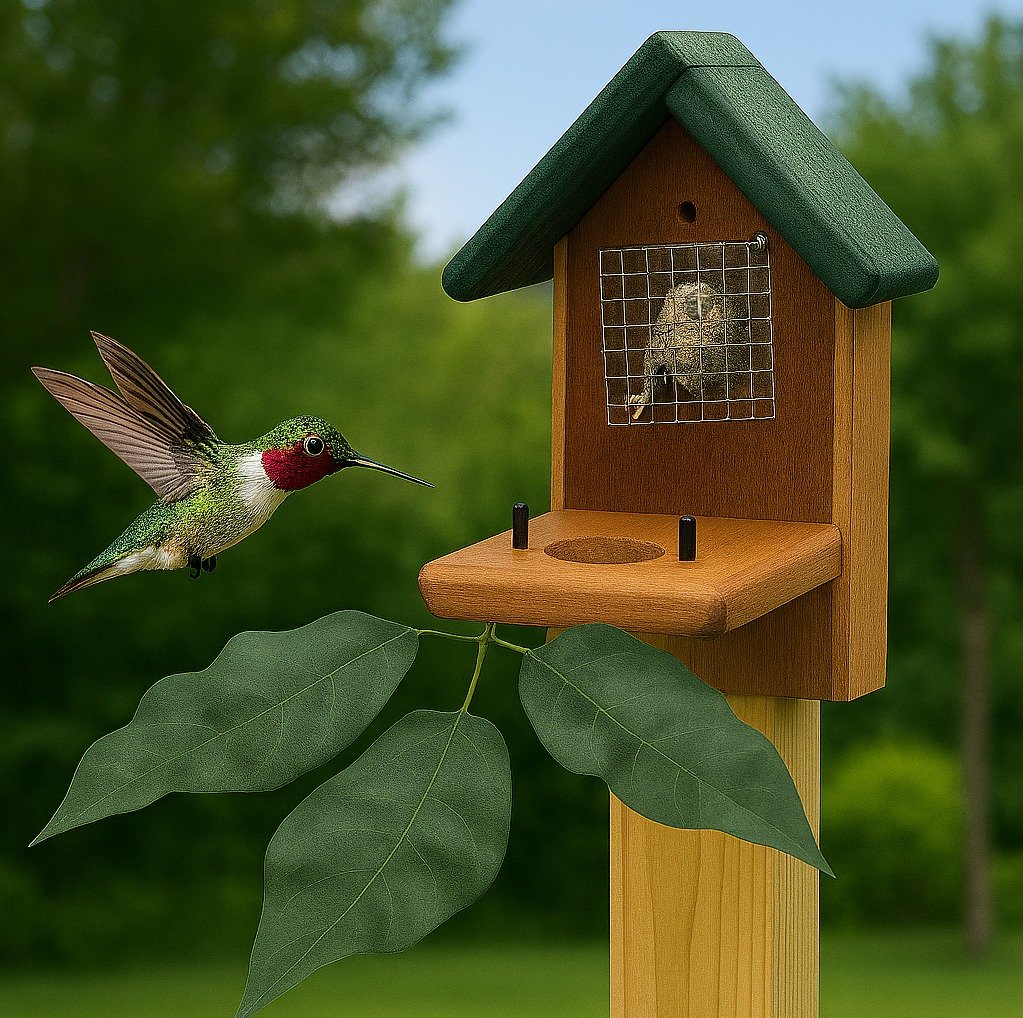
Credit: www.dutchcrafters.com
Hummingbird Habitat Needs
Hummingbirds need specific places to live and raise their young. Their habitat must offer safety, food, and shelter. Understanding these needs helps attract hummingbirds to your garden. They do not use typical bird houses. Instead, they prefer natural and hidden spots for nesting. Providing the right environment supports their survival and growth.
Preferred Nesting Spots
Hummingbirds build tiny nests using soft materials. They choose branches that are thin but strong. These nests are usually 10 to 20 feet high. They prefer places with some shade to protect from sun and rain. Look for spots near flowering plants. Nectar is their main food source, so proximity matters.
- Thin, flexible tree branches
- Near flowering plants or shrubs
- Shady areas to avoid heat
- Quiet and safe from predators
Natural Shelter Choices
Hummingbirds like natural cover over man-made bird houses. Leaves, vines, and dense shrubs offer perfect protection. These natural shelters hide nests from larger birds and animals. They also protect from harsh weather. Trees with broad leaves or thick foliage are ideal. Hummingbirds blend well with these surroundings.
- Thick shrubs and bushes
- Vines climbing on trees or walls
- Dense tree canopies with plenty of leaves
- Areas with minimal human disturbance
Suitability Of Bird Houses
Understanding if hummingbirds like bird houses depends a lot on how suitable those houses are for their unique needs. Unlike many other birds, hummingbirds have specific preferences for shelter that typical bird houses might not meet. Let’s look closely at what makes a bird house suitable or not for these tiny aviators.
Design Features Of Typical Bird Houses
Most bird houses are designed with a small entrance hole, a roomy interior, and a flat bottom to hold nests. They often feature ventilation holes and drainage to keep the interior dry and safe. These houses are built for cavity-nesting birds like bluebirds, chickadees, or wrens.
Typical bird houses usually have:
- Small entrance holesto protect against predators.
- Solid wallsfor insulation and shelter.
- Perchesoutside the entrance for birds to land on.
But are these features right for hummingbirds?
Why Standard Bird Houses May Not Work
Hummingbirds don’t nest in cavities; they prefer open, sheltered locations like tree branches or hanging plants. A typical bird house with a small hole and enclosed space can confuse or even deter them. Hummingbirds also avoid perches since they mostly hover, so a perch might be unnecessary or off-putting.
From my own experience, setting up a traditional bird house didn’t attract any hummingbirds, but a simple hanging basket with soft moss did. It’s clear that hummingbirds look for:
- Open but sheltered spaces, not enclosed boxes.
- Soft materialslike plant fibers for nest building.
- Locations near nectar sourcesrather than isolated spots.
Have you noticed hummingbirds flying around your feeders but ignoring your bird houses? This might be why—your setup may not fit their natural habits. Instead of standard bird houses, consider creating or buying specialized hummingbird nests or providing natural nesting spots to invite these fascinating birds closer.
Hummingbird Nesting Behavior
Hummingbirds have unique nesting habits that differ from many other birds. Their nests are tiny and carefully built to protect their eggs and young. Understanding these behaviors helps explain whether hummingbirds use bird houses.
Materials And Construction
Hummingbirds use soft, natural materials to build their nests. They gather plant down, spider silk, and moss. Spider silk acts like glue, holding the nest together and allowing it to stretch as chicks grow.
The nest is cup-shaped and very small, usually only 2 inches wide. Hummingbirds decorate the outside with bits of lichen to blend in with tree branches. This helps hide the nest from predators.
Nest Location Preferences
Hummingbirds prefer to build nests on thin branches or forks of small trees and shrubs. They choose spots that offer good cover and are away from heavy wind or rain.
Nests are often placed 5 to 30 feet above the ground. Hummingbirds avoid open spaces and rarely use man-made bird houses. They need natural surroundings to feel safe and secure.
Alternatives To Bird Houses
Hummingbirds prefer natural shelters like dense shrubs and trees over bird houses. Providing nectar feeders and water sources attracts them more effectively. Small, cozy spaces in plants suit their needs better than traditional bird houses.
Are you curious about why hummingbirds don’t flock to bird houses like other birds? Unlike their avian counterparts, these tiny, energetic creatures prefer more open and natural environments. But don’t worry! There are excellent alternatives to bird houses that can attract hummingbirds to your garden and make them feel right at home.Hummingbird Feeders
Hummingbird feeders are a delightful way to draw these vibrant birds to your yard. They provide a reliable food source, especially when natural nectar might be scarce. Choose feeders that are easy to clean and refill, as cleanliness is crucial to prevent the spread of diseases. Try mixing a simple sugar-water solution—one part sugar to four parts water—to fill the feeders. Avoid using red dyes, as they aren’t necessary and could be harmful to the birds. Place the feeders in a shady spot to prevent the nectar from spoiling too quickly, ensuring your garden remains a hummingbird haven.Planting Native Flowers
Native flowers can serve as natural magnets for hummingbirds. They not only offer the nectar these birds crave but also support the local ecosystem. Some excellent choices include bee balm, trumpet vine, and columbine. Consider a variety of bloom times to ensure a consistent food supply throughout the season. This way, hummingbirds will have a reason to visit your garden from early spring to late fall. Imagine the vibrant colors and lively buzz of activity your garden could host!Creating Natural Habitats
Creating a natural habitat goes beyond just providing food—it’s about crafting a welcoming environment. Hummingbirds need perching spots to rest and survey their territory. Thin branches or small shrubs can serve this purpose well. Think about adding a water source, like a mister or a shallow fountain. These features not only offer a place for hummingbirds to bathe but also attract insects, providing a secondary food source. What small changes can you make to turn your garden into a hummingbird paradise? By focusing on these alternatives, you can transform your outdoor space into a vibrant sanctuary for hummingbirds without relying on traditional bird houses. What will you try first to invite these tiny wonders into your yard?Tips To Attract Hummingbirds
Attracting hummingbirds requires more than just putting out a feeder. They need the right environment to feel safe and welcome. Simple tips can make a big difference in inviting these tiny birds to your garden or balcony. Focus on placement, plant choices, and avoiding common mistakes to see hummingbirds more often.
Optimal Feeder Placement
Place feeders in shaded spots to keep nectar fresh longer. Hang them near natural cover like trees or shrubs. This gives hummingbirds a place to rest and hide from predators. Avoid windy or exposed areas. Position feeders where you can watch hummingbirds easily but stay quiet and still.
Best Flower Choices
Choose flowers with bright colors, mainly red, orange, and pink. These colors attract hummingbirds the most. Pick tubular-shaped flowers that match their long beaks. Native plants work best because hummingbirds recognize them. Examples include trumpet vine, bee balm, and columbine. Plant flowers in groups to create a strong visual signal.
Avoiding Common Mistakes
- Do not use red dye in nectar; it can harm birds.
- Clean feeders every few days to prevent mold and bacteria.
- Use a sugar-water mix with four parts water to one part sugar only.
- Keep pets away from feeding areas to reduce stress on birds.
- Don’t hang feeders too close to windows to avoid collisions.

Credit: www.amazon.com

Credit: www.amazon.com
Frequently Asked Questions
Do Hummingbirds Use Bird Houses Regularly?
Hummingbirds rarely use traditional bird houses. They prefer natural nests made from soft plant materials. Bird houses usually don’t meet their nesting needs or size preferences.
Can Bird Houses Attract Hummingbirds To My Garden?
Bird houses alone don’t attract hummingbirds. Offering nectar feeders and native flowers is more effective. These provide food sources hummingbirds seek.
What Type Of Shelter Do Hummingbirds Prefer?
Hummingbirds prefer natural shelters like dense shrubs and tree branches. They build tiny cup-shaped nests using spider silk and plant down.
Should I Install A Bird House Specifically For Hummingbirds?
Installing a bird house isn’t necessary for hummingbirds. Instead, focus on planting nectar-rich flowers and providing clean feeders to support them.
Conclusion
Hummingbirds prefer natural nests over bird houses. They build tiny nests on tree branches. Bird houses often do not fit their size or needs. Providing fresh flowers and feeders attracts them better. Quiet, safe garden spots make hummingbirds feel welcome.
Watching these tiny birds is always a joy. Simple steps help you enjoy their visits more. Creating a hummingbird-friendly space works best. Keep your garden healthy to support their life. Small changes bring these beautiful birds close.




