
Have you ever wondered if your feathered friends can enjoy raw pumpkin seeds as a tasty treat? If you’re looking for a healthy snack to share with your birds, it’s important to know what’s safe and what’s not.
Raw pumpkin seeds might seem like a simple, natural option, but can birds actually eat them without any risk? Keep reading to discover the surprising facts about raw pumpkin seeds and how they can fit into your bird’s diet safely and deliciously.
Your birds will thank you!

Credit: www.amazon.com
Nutritional Value Of Pumpkin Seeds
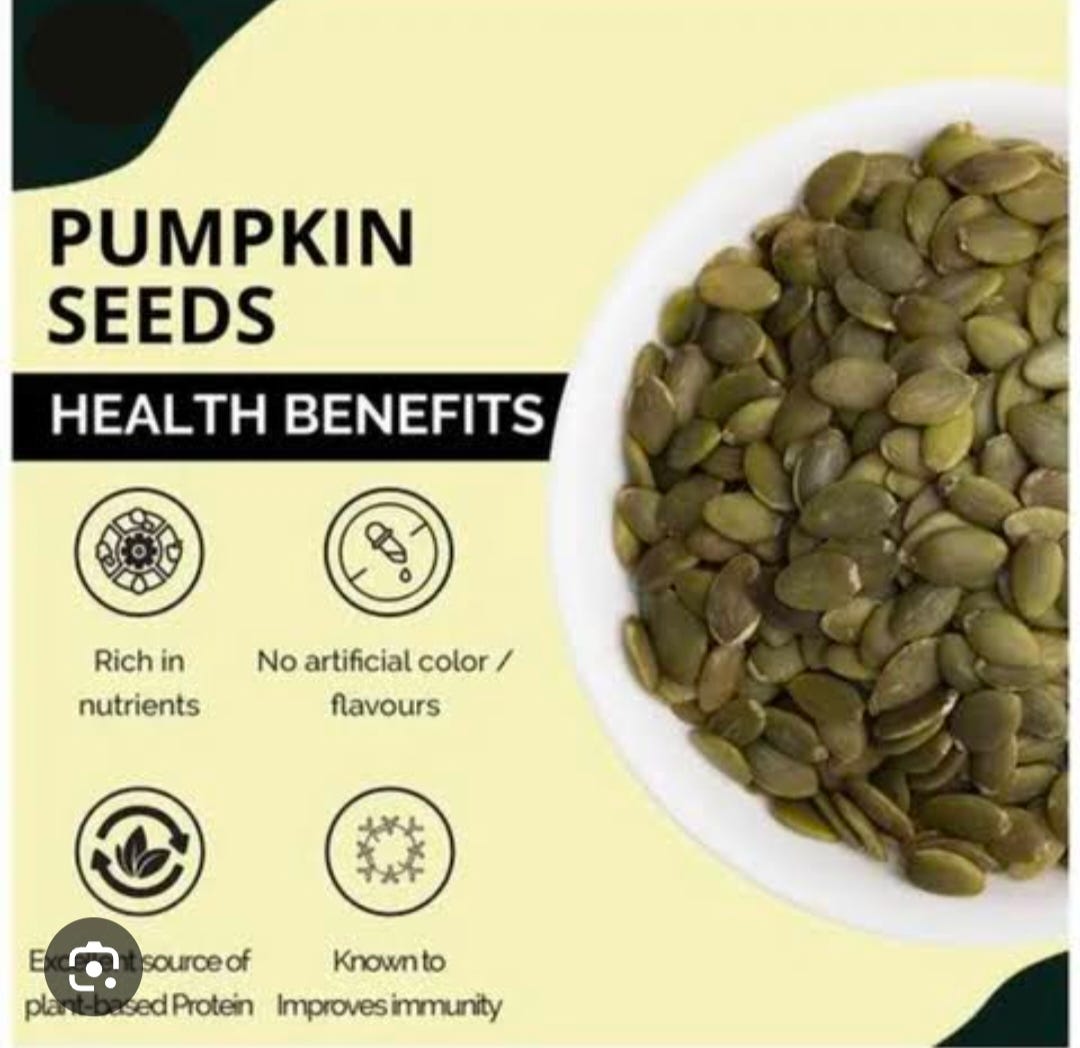
Pumpkin seeds are a popular snack for humans and a nutritious treat for birds. They offer a rich mix of vitamins, minerals, and healthy fats. Birds can benefit from the natural nutrients found in raw pumpkin seeds. These seeds support overall health and vitality in many bird species.
Key Nutrients For Birds
- Protein:Essential for growth and muscle repair.
- Healthy fats:Provide energy and support feather health.
- Magnesium:Helps with bone development and nerve function.
- Zinc:Boosts the immune system and aids healing.
- Iron:Important for oxygen transport in the blood.
- Vitamin E:Acts as an antioxidant protecting cells.
Health Benefits
Raw pumpkin seeds promote strong feathers and smooth skin. Birds gain energy from the healthy fats and protein. The minerals help keep their bones and muscles strong. Antioxidants protect birds from illness and support recovery. Feeding pumpkin seeds can improve digestion and overall well-being. These seeds are an easy, natural way to enhance a bird’s diet.
Credit: medium.com
Raw Vs Roasted Seeds
Choosing between raw and roasted pumpkin seeds for your bird’s diet can influence their health in subtle ways. Both forms offer benefits, but the differences might affect how well your feathered friend absorbs nutrients and digests the seeds. Understanding these contrasts helps you make smarter feeding choices.
Differences In Nutrient Content
Raw pumpkin seeds retain all their natural vitamins and minerals because they haven’t been exposed to heat. This means you get the full spectrum of nutrients like magnesium, zinc, and antioxidants intact.
Roasting seeds, however, can reduce some heat-sensitive nutrients. For example, vitamin E and certain B vitamins may decrease during roasting. But roasting can also increase the availability of some antioxidants, making them easier for your bird to use.
Have you noticed how your bird reacts differently to raw versus roasted seeds? Their preference might be tied to these subtle nutrient shifts.
Impact On Digestibility
Raw seeds have a tougher outer shell that might be harder for some birds to crack and digest. This can slow down nutrient absorption and cause wasted food if your bird discards the seeds.
Roasted seeds, on the other hand, are usually crunchier and easier to break apart. The roasting process softens the seed coat, which can improve digestion and nutrient uptake.
But be careful—over-roasted or salted seeds can harm your bird’s health. Offering plain, lightly roasted seeds is often the best way to boost digestibility without adding harmful ingredients.
Safety Concerns For Birds
Feeding birds raw pumpkin seeds can be tempting due to their nutritional value. Safety is a top priority before offering these seeds. Birds have sensitive digestive systems that may react to certain foods. Understanding safety concerns helps protect your feathered friends from harm. Keep an eye on their health after feeding any new treat.
Potential Risks
- Raw pumpkin seeds may carry bacteria or mold harmful to birds.
- Seeds with shells can cause choking or digestive blockages.
- Some birds may be allergic to pumpkin seeds.
- Overfeeding seeds can lead to nutritional imbalance.
- Seeds contain oils that might upset sensitive stomachs.
Signs Of Adverse Reactions
- Loss of appetite or refusal to eat.
- Vomiting or regurgitation after eating seeds.
- Unusual droppings, such as diarrhea or discoloration.
- Increased lethargy or weakness.
- Swelling around the mouth or throat area.
Which Birds Can Eat Pumpkin Seeds
Many birds enjoy eating raw pumpkin seeds, including cardinals, blue jays, and sparrows. These seeds provide essential nutrients and energy. Offer them whole or crushed for easy consumption.
Which Birds Can Eat Pumpkin Seeds Birds love variety in their diet, and pumpkin seeds can be a delightful treat for many avian species. These seeds are not only tasty but also packed with nutrients. However, not all birds find raw pumpkin seeds appealing or safe to consume. Let’s explore which birds can safely enjoy this crunchy snack.Common Pet Birds
Pet birds like parrots and cockatiels can munch on raw pumpkin seeds without any issues. These seeds are a great source of healthy fats and proteins for them. Always ensure the seeds are unsalted and free of any additives. Budgies and lovebirds also enjoy pumpkin seeds. A handful of these seeds can be a great treat or reward during training sessions. Remember to serve them in moderation, as too many seeds can lead to weight gain.Wild Bird Species
You might be surprised to learn that many wild birds relish pumpkin seeds. Birds such as cardinals and blue jays are known to peck at these seeds eagerly. Providing them in your backyard can attract a variety of beautiful feathered visitors. Sparrows and finches can also benefit from the nutritional content of pumpkin seeds. If you’re an avid bird watcher, offering these seeds can enhance your birdwatching experience by attracting a diverse array of species. Be sure to keep the feeding area clean to prevent any health issues for your wild friends. Have you ever wondered if the birds in your area would enjoy pumpkin seeds? Next time you’re carving a pumpkin, save the seeds and see which birds come to visit!How To Prepare Pumpkin Seeds For Birds
Preparing pumpkin seeds for your feathered friends is essential to keep them safe and healthy. Raw seeds straight from the pumpkin might carry dirt or residues that birds shouldn’t consume. Taking a few simple steps before feeding can make a big difference in how well your birds enjoy and benefit from this treat.
Cleaning And Drying
Start by rinsing the pumpkin seeds under cool running water to remove any pumpkin flesh or dirt. Use your fingers to gently scrub away any stubborn bits. Clean seeds help prevent bacteria or mold that could harm your birds.
After washing, spread the seeds out on a clean towel or paper towel. Let them air dry completely for a day or two. Dry seeds avoid clumping and reduce the risk of mold, making them safer and more appealing to birds.
Portion Size And Frequency
Even healthy snacks can become unhealthy if given too much. Offer pumpkin seeds in small amounts—about a teaspoon for small birds and up to a tablespoon for larger species. This ensures they get the benefits without overloading on fats.
Think about how often you feed seeds too. A couple of times a week is enough to keep things interesting without replacing their regular diet. Have you noticed how your birds react when you change their treats? Watching their behavior can help you adjust portion sizes and frequency perfectly.

Credit: www.amazon.com
Alternatives To Pumpkin Seeds
If you want to give your bird a break from pumpkin seeds or simply want to try something new, there are plenty of alternatives that can keep your feathered friend happy and healthy. Offering a variety of foods helps ensure your bird gets a balanced diet and avoids boredom. Let’s look at some safe and tasty options you can add to your bird’s menu.
Other Safe Seeds
Birds love seeds, but not all seeds are created equal. Some seeds are better than others when it comes to nutrition and safety.
- Sunflower seeds:These are a favorite for many birds. They are rich in fat and protein but should be given in moderation.
- Safflower seeds:A great alternative with less oil and fewer calories, perfect for birds prone to weight gain.
- Millet:This tiny seed is packed with nutrients and is especially loved by smaller birds like finches and canaries.
- Hemp seeds:These offer a good balance of protein and healthy fats, plus they’re safe for most birds.
Have you noticed how your bird reacts to different seeds? Observing their preferences can guide you to the best choice.
Fruits And Vegetables
Fresh fruits and vegetables provide essential vitamins and add color to your bird’s diet. They also offer hydration and fiber, which seeds lack.
- Carrots:Crunchy and sweet, carrots are easy to prepare and loved by many birds.
- Apples:Remove the seeds and offer small pieces; apples add a nice sweet flavor.
- Spinach:Packed with nutrients, but serve in small amounts to avoid oxalates build-up.
- Blueberries:These berries are rich in antioxidants and make a delightful treat.
Try mixing small portions of these into your bird’s regular food. You might be surprised at how excited they get for a fresh veggie snack.
Frequently Asked Questions
Can Birds Eat Raw Pumpkin Seeds Safely?
Yes, birds can eat raw pumpkin seeds safely. These seeds provide healthy fats and nutrients. However, always offer them in moderation to avoid digestive issues.
Are Raw Pumpkin Seeds Nutritious For Birds?
Raw pumpkin seeds are nutritious for birds. They contain protein, healthy fats, and essential minerals. These nutrients support birds’ energy and overall health.
Should Pumpkin Seeds Be Shelled Before Feeding Birds?
It’s best to shell pumpkin seeds before feeding birds. Shelled seeds are easier to eat and digest. This reduces the risk of choking or digestive problems.
How Often Can Birds Eat Pumpkin Seeds?
Birds can eat pumpkin seeds a few times a week. Moderation is key to prevent overfeeding fatty foods. Include seeds as part of a balanced diet.
Conclusion
Birds can safely eat raw pumpkin seeds in small amounts. These seeds provide good nutrients and healthy fats. Always remove any shells to avoid choking risks. Feeding seeds as a treat keeps birds happy and healthy. Avoid giving too many seeds to prevent stomach issues.
Watch your birds’ reactions to new foods closely. Overall, raw pumpkin seeds are a tasty, natural snack for many birds. Keep their diet balanced for the best health results.




