
If you love watching birds visit your garden, you might be wondering if suet feeders are a good choice. Suet feeders offer a special kind of food that many birds find hard to resist.
But are they really the best option for your feathered friends? You’ll discover the surprising benefits of suet feeders and how they can help attract more birds to your yard. Keep reading to find out why suet feeders could be the secret to making your birdwatching experience even better.
Credit: www.amazon.ca
Benefits Of Suet Feeders
Suet feeders offer many benefits for backyard birds and bird watchers alike. They provide an excellent food source that supports bird health and activity. These feeders help attract a wide variety of species to your garden. Suet feeders are simple to use and maintain, making them a favorite choice for many bird lovers.
High Energy Source For Birds
Suet is rich in fat, giving birds a powerful energy boost. Birds need this energy to stay active and healthy, especially during breeding or migration. The high-fat content helps them build fat reserves for cold days. Suet supplies essential nutrients that seeds or fruits may lack.
Attracts Diverse Bird Species
Suet feeders bring many bird types to your yard. Woodpeckers, nuthatches, chickadees, and wrens love suet. These birds often ignore other feeders but return to suet repeatedly. A variety of species visiting your feeder creates a lively birdwatching experience.
Supports Birds In Winter
Birds need extra help during cold months. Suet provides much-needed calories to keep their body warm. It is especially useful when insects and food are scarce. Birds rely on suet to survive harsh winter conditions and stay strong.
Easy To Use And Maintain
Suet feeders are simple to fill and clean. Most feeders have wire cages or trays to hold the suet cakes securely. Cleaning with warm water prevents mold and keeps birds safe. Suet cakes last longer in cool weather, reducing frequent refills.
Credit: www.natureswaybirds.com
Types Of Suet Feeders
Suet feeders come in several designs, each suited to different bird species and feeding environments. Choosing the right type affects not just which birds visit your yard but also how clean and safe the feeding area stays. Understanding these options helps you attract more feathered friends while keeping your garden tidy.
Cage-style Feeders
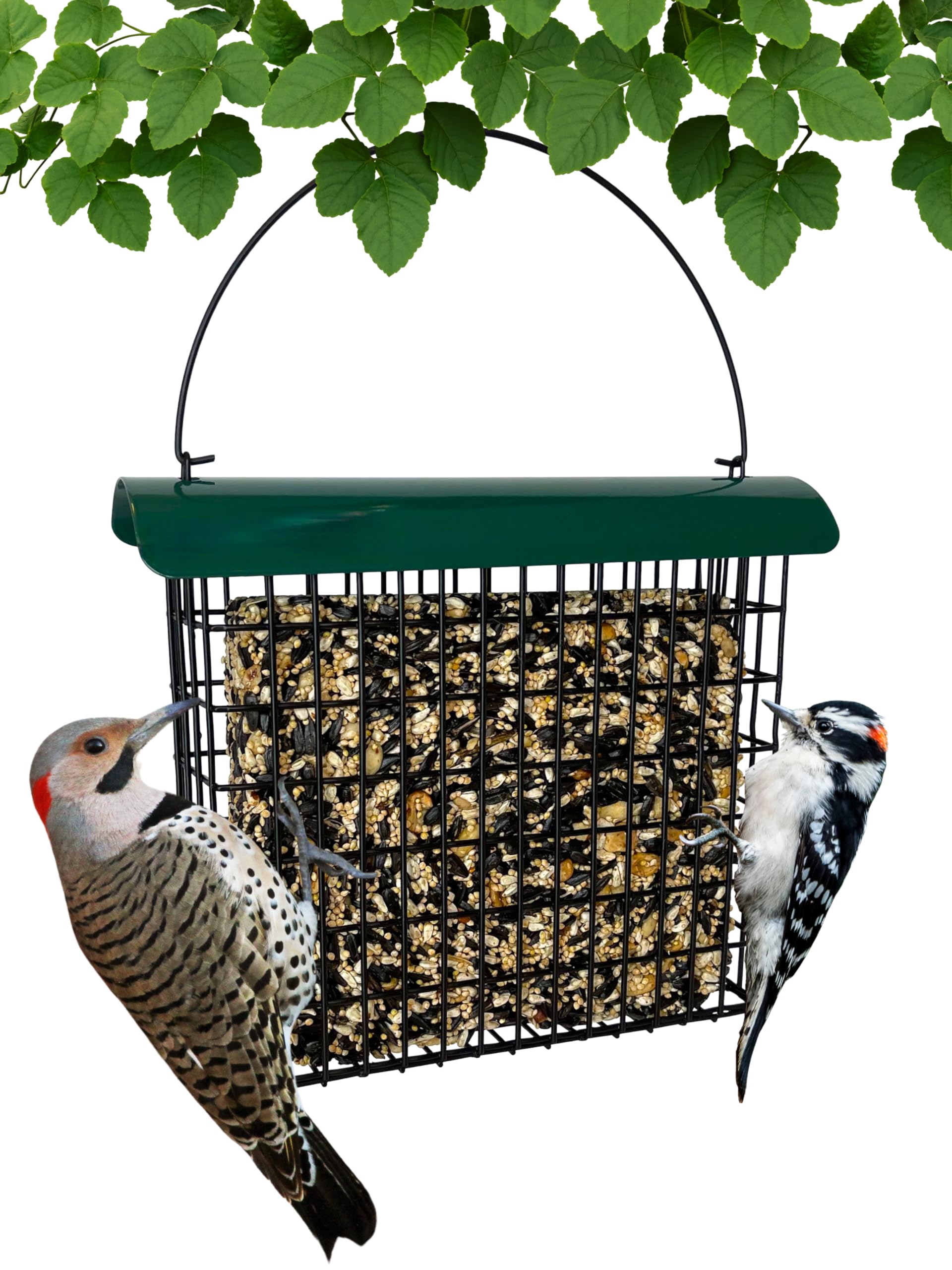
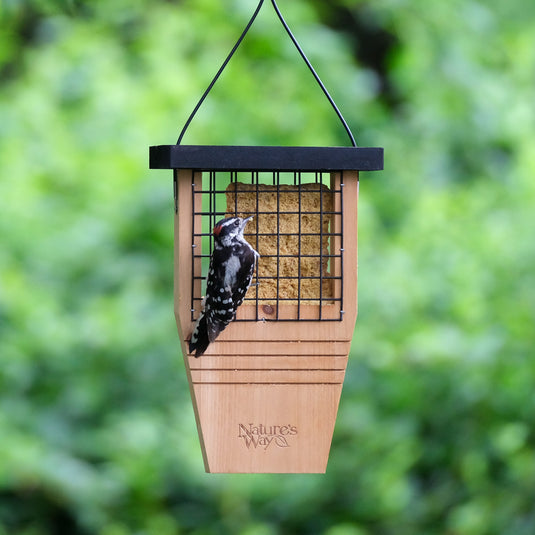
Cage-style suet feeders are the most common and practical choice. They have a metal cage that holds the suet block securely, allowing birds to cling and peck at the suet easily. This design helps keep larger animals like squirrels away, giving smaller birds a better chance to feed.
If you’ve ever watched chickadees or woodpeckers feed, you know how active they are. Cage-style feeders support their clinging behavior perfectly. Plus, you can hang these feeders almost anywhere—on trees, poles, or hooks.
Tray Feeders
Tray feeders offer an open platform for suet, either as loose pieces or blocks. They are great for ground-feeding birds or those that prefer to hop on a flat surface while eating. However, tray feeders can attract unwanted visitors and may require more frequent cleaning.
Think about your backyard environment: do you have squirrels or raccoons? Tray feeders might invite them if not monitored carefully. But if you enjoy watching a variety of birds gather, trays provide easy access and visibility.
Suet Balls And Blocks
Suet balls and blocks come pre-made and are easy to use with different feeder types. Suet balls are often enclosed in a mesh bag, allowing birds to peck at smaller portions. Blocks fit well in cage-style feeders and last longer in warm weather.
Using these forms gives you flexibility—you can switch between feeders without wasting feed. Have you noticed how some birds prefer pecking at suet balls while others go straight for blocks? Offering both can satisfy diverse tastes.
Best Suet For Birds
Choosing the best suet for birds can make a significant difference in attracting a variety of feathered friends to your feeder. Not all suet is created equal, and understanding the differences can help you provide the most nutritious and appealing option. Let’s break down what you should look for to keep your backyard visitors healthy and happy.
Natural Vs. Commercial Suet
Natural suet is made from pure animal fat, usually beef tallow, mixed with seeds, nuts, and fruits. It tends to be fresher and free from preservatives, which birds seem to prefer. Commercial suet, on the other hand, often includes additives to extend shelf life and maintain shape, but these can sometimes reduce nutritional value.
From my experience, birds flock faster to natural suet, especially during cold months. Have you noticed the difference in bird activity between fresh homemade suet and store-bought blocks?
Ingredients To Look For
Focus on suet that contains high-energy ingredients like sunflower seeds, peanuts, and dried berries. These provide essential fats, proteins, and vitamins that help birds stay active and healthy. Some suet blends also include insects like mealworms, which are an excellent protein source for insect-eating species.
Check the label for whole food ingredients rather than fillers. The simpler and more natural the ingredient list, the better it is for your birds’ diet and enjoyment.
Avoiding Harmful Additives
Stay away from suet that contains artificial colors, flavors, or preservatives. These additives can be harmful to birds’ health and may discourage them from returning to your feeder. Also, avoid suet with excessive salt or sugars, which are unhealthy for wild birds.
It’s tempting to pick cheap suet, but consider whether the cost savings are worth compromising on bird welfare. Have you ever seen birds ignore suet that looked suspiciously artificial? That’s a clear sign to switch to a cleaner option.
Placement Tips For Suet Feeders
Proper placement of suet feeders affects bird visits and safety. Birds prefer spots that feel secure and offer easy access to food. Choosing the right place helps you enjoy watching a variety of birds.
Ideal Locations
- Place feeders near trees or shrubs for cover.
- Keep feeders visible but sheltered from strong wind.
- Choose spots with some sunlight, but not full direct sun all day.
- Mount feeders at least 5 feet above ground to reduce disturbance.
Safety From Predators
- Avoid areas near cat paths or places where raccoons hide.
- Use baffles on poles to stop climbing predators.
- Keep feeders away from windows to prevent bird collisions.
- Clear nearby brush that predators might use for hiding.
Seasonal Placement Changes
- Move feeders closer to shelter during cold or windy months.
- In summer, place feeders in shaded areas to prevent suet melting.
- Adjust height if snow or ice builds up around the feeder.
- Change locations if certain birds stop visiting or predators increase.
Common Concerns About Suet Feeders
Suet feeders offer a great food source for many birds, but some common concerns arise around their use. These worries often focus on cleanliness, the type of wildlife attracted, and potential health risks for birds. Understanding these issues helps bird lovers make smart choices when using suet feeders.
Mess And Cleanliness
Suet feeders can get messy. Birds peck at the suet, causing bits to fall to the ground. This can attract insects and create sticky spots on nearby surfaces.
Regular cleaning of feeders is essential. Remove old suet and wash feeders with warm, soapy water. This prevents mold and bacteria buildup that harms birds.
Attracting Unwanted Wildlife
Suet feeders may attract more than just birds. Squirrels, raccoons, and mice often come for the easy food. This can lead to conflicts or damage around your yard.
Using squirrel-proof feeders or placing suet feeders in tricky spots helps reduce unwanted visitors. Keeping the area clean also discourages pests.
Health Risks For Birds
Old or spoiled suet can cause illness in birds. Moldy suet is especially dangerous. It may lead to digestive problems or even death.
Feeding fresh suet and changing it often keeps birds healthy. Avoid suet with artificial additives or preservatives. Natural ingredients are safer for wild birds.

Credit: www.livingwithbirds.com
Encouraging Birds Year-round
Encouraging birds to visit your garden throughout the year can be rewarding. Suet feeders play a vital role in attracting diverse bird species. These feeders provide high-energy food, especially during cold months. Birds need extra calories to stay warm and active. Suet feeders offer this energy boost, making them popular among bird enthusiasts.
Combining Suet With Other Feeders
Enhance your bird feeding strategy by mixing suet with other feeders. Use seed feeders alongside suet to appeal to a variety of birds. Tube feeders attract finches and other seed eaters. Platform feeders draw in larger birds. This combination ensures your garden supports a wide range of bird species.
Feeding Tips For Different Seasons
Adjust your feeding routine to cater to seasonal changes. In winter, suet provides essential energy for birds. During spring, offer a mix of seeds and suet to support nesting. In summer, maintain clean feeders and fresh water sources. Fall feeding helps birds prepare for migration. Adapt your strategy to meet seasonal needs.
Frequently Asked Questions
What Types Of Birds Prefer Suet Feeders?
Woodpeckers, nuthatches, chickadees, and wrens love suet feeders. These birds enjoy the high-energy fat content suet provides, especially in cold weather when natural food is scarce.
Are Suet Feeders Safe For Birds Year-round?
Suet feeders are best used in cooler months. In warm weather, suet can melt and spoil, potentially harming birds. Use suet feeders mainly in fall and winter for bird safety and health.
How Do Suet Feeders Benefit Wild Birds?
Suet feeders offer birds a rich energy source. This helps them survive harsh winters and maintain strength during breeding seasons, supporting healthy bird populations in your area.
Can Suet Feeders Attract Unwanted Animals?
Yes, suet feeders may attract squirrels and raccoons. To minimize this, use squirrel-proof feeders and place them in locations less accessible to unwanted animals.
Conclusion
Suet feeders offer birds a rich, energy-packed food source. They attract many bird species, especially in cold weather. Birds gain strength and stay active with suet. Clean feeders regularly to keep birds healthy. Place feeders in safe, quiet spots for best results.
Suet feeders support bird watching and nature enjoyment. They add variety to your backyard feeding routine. Consider adding a suet feeder to help local birds thrive.




