
Are you thinking about bringing a bird into your home but wonder if they are hard to take care of? You’re not alone.
Birds can be wonderful companions, but they do come with their own unique needs. Understanding what it takes to care for a bird is key to making sure both you and your feathered friend are happy. You’ll discover the real challenges and joys of bird care, helping you decide if a bird is the right pet for you.
Keep reading to uncover what it really takes to keep a bird healthy and happy—your future feathered friend will thank you!
Bird Care Basics
Taking care of birds can be a rewarding experience, but it requires understanding the basics to ensure their health and happiness. Knowing what your feathered friend needs helps you avoid common mistakes. Let’s look at the core essentials of bird care that every owner should know.
Choosing The Right Bird
Not all birds have the same care needs. Some species are more social and need daily interaction, while others are more independent. Think about your lifestyle—how much time can you spend with your bird?
Smaller birds like budgies or finches are easier for beginners. Larger parrots demand more attention and can live for decades. Have you considered how much space you have at home? That’s key when selecting the right bird.
Essential Supplies
Your bird needs more than just food and water. A balanced diet includes pellets, fresh fruits, and vegetables. Avoid feeding your bird chocolate or avocado—they are toxic.
Other must-haves include:
- Food and water dishes that are easy to clean
- Toys to keep your bird mentally active
- Perches of different sizes and textures to keep their feet healthy
- A cuttlebone or mineral block for beak maintenance
Have you thought about how you will keep your bird entertained and healthy every day?
Setting Up The Cage
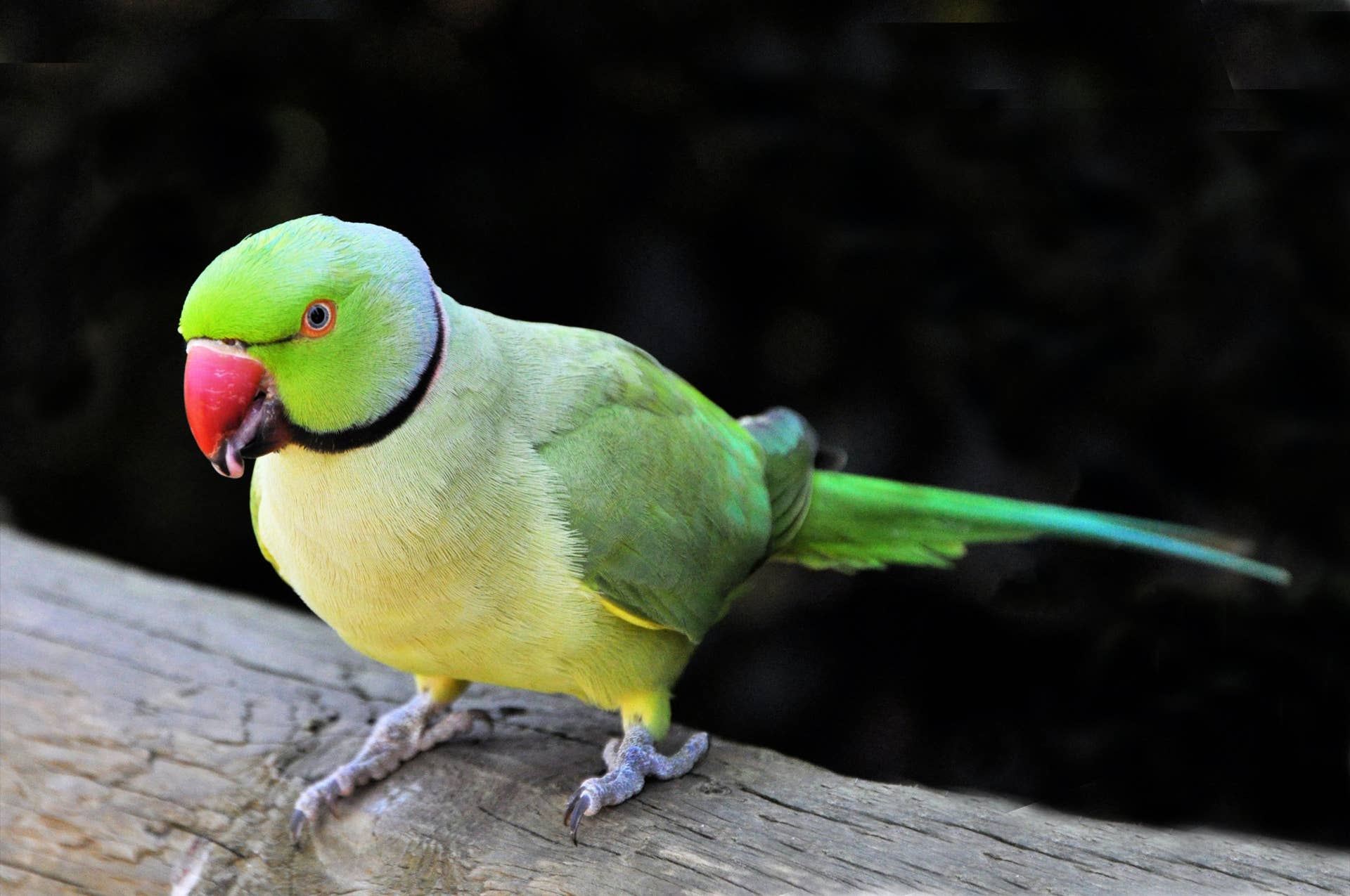
The cage is your bird’s home, so it needs to be spacious and safe. Choose a cage large enough for your bird to spread its wings and move around freely. Avoid cages with toxic paint or sharp edges.
Place perches at different heights and include toys to prevent boredom. Position the cage in a quiet area but where your bird can still observe daily activities. Do you know where your bird will feel most secure and happy in your home?
Credit: pethelpful.com
Feeding Your Bird
Feeding your bird is a key part of bird care. Birds need proper nutrition to stay healthy and active. A well-balanced diet supports their feathers, bones, and overall energy. Understanding what foods to offer and avoid helps keep your bird happy and safe.
Balanced Diet Options
A balanced diet includes seeds, pellets, fruits, and vegetables. Pellets provide essential vitamins and minerals. Seeds are tasty but should not be the only food. Fresh fruits like apples, bananas, and berries add natural sweetness. Vegetables such as carrots, spinach, and broccoli offer important nutrients.
Offer a variety of foods to prevent boredom and ensure nutrition. Fresh water should always be available for your bird.
Safe Treats
Treats are great for bonding and training. Choose healthy options like small pieces of nuts or cooked eggs. Millet sprays are a favorite treat for many birds. Keep treats small to avoid overfeeding. Use treats to reward good behavior, not as main food.
Avoiding Harmful Foods
Some foods can harm birds and must be avoided. Never feed chocolate, caffeine, or alcohol. Avocado and onion are toxic to birds. Avoid salty, sugary, or fatty human foods. Always check if a new food is safe before offering it to your bird.
Daily Maintenance
Daily maintenance is essential for keeping birds healthy and happy. Birds need regular care to thrive in a home environment. Simple daily tasks prevent health problems and behavioral issues. Consistent attention builds trust and strengthens your bond with your bird.
Cleaning Routine
Clean the bird’s cage every day to avoid bacteria buildup. Remove uneaten food and droppings promptly. Change the water daily to keep it fresh. Wipe down perches and toys to remove dirt. A clean space helps prevent illness and keeps birds active.
Monitoring Health
Observe your bird’s behavior and appearance each day. Look for changes in feathers, eyes, or droppings. Notice if your bird eats less or acts tired. Early detection of problems makes treatment easier. Keep a simple health log to track any changes.
Exercise And Enrichment
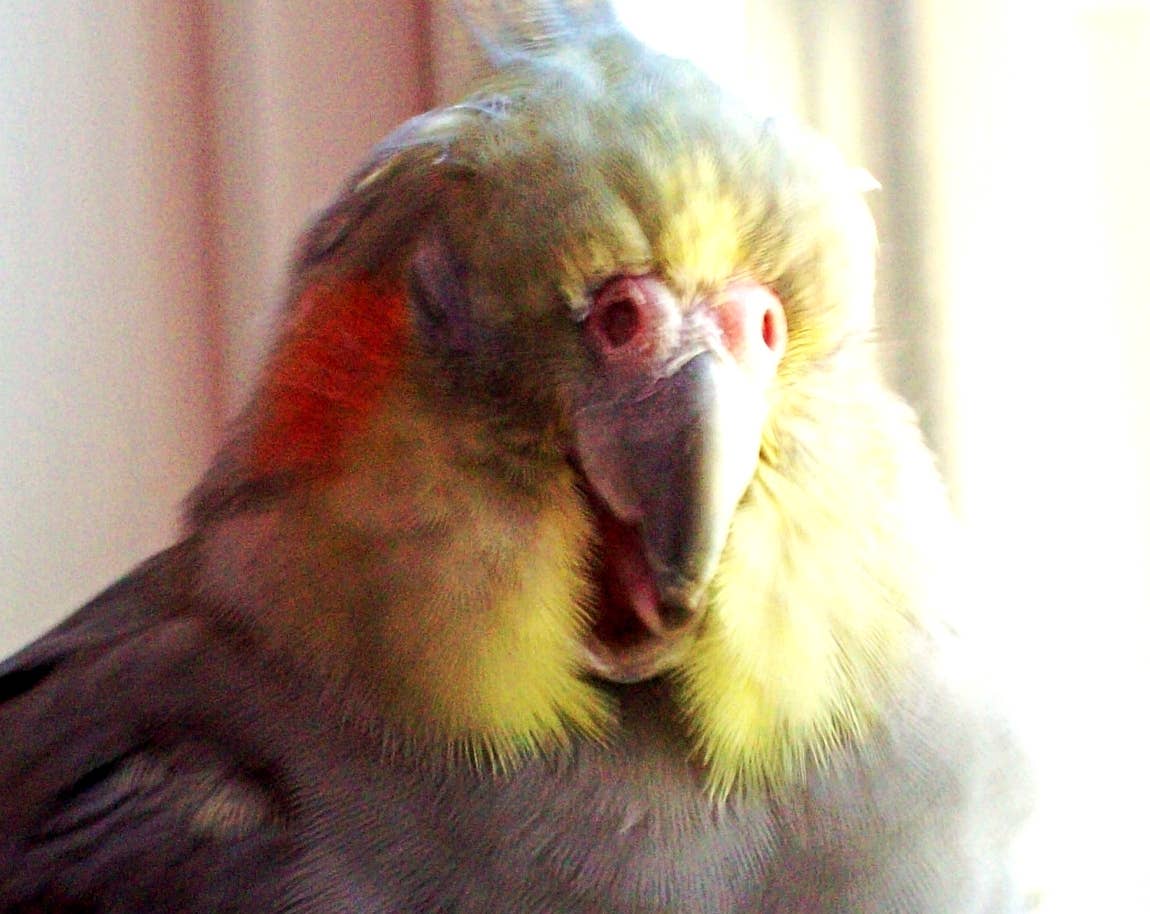
Birds need daily exercise to stay fit and happy. Allow them time outside the cage in a safe space. Provide toys that stimulate their mind and body. Rotate toys often to keep interest high. Interaction with you also offers mental stimulation.
Credit: pethelpful.com
Handling And Socializing
Handling and socializing are key parts of caring for birds. Birds need time and gentle care to feel safe. Proper interaction builds a happy, confident pet. Social birds tend to be healthier and more active. Learning how to handle and socialize them improves your bond.
Building Trust
Trust is the base of any good relationship with birds. Start by spending quiet time near their cage. Speak softly to calm their nerves. Offer treats by hand to encourage closeness. Avoid sudden movements that can scare them. Let the bird come to you at its own pace. Patience helps build a strong connection over time.
Training Basics
Training creates good habits and improves communication. Use simple commands like “step up” for getting on your hand. Reward with small treats or gentle praise. Keep sessions short, around 5 to 10 minutes. Consistency helps birds learn faster. Avoid punishment; it can harm trust and cause fear.
Recognizing Behavior
Understanding bird behavior prevents stress and misunderstandings. Watch for signs of happiness like singing or head bobbing. Notice fear by flapping wings or hiding. Aggression may show through biting or loud squawks. Respect their mood and space to keep them calm. Learning these signs helps you respond correctly.
Common Challenges
Caring for birds comes with unique challenges. These challenges can affect daily life and bird health. Understanding common issues helps prepare for bird care demands. Noise, mess, and health problems often test a bird owner’s patience and skills.
Dealing With Noise
Birds are naturally loud at times. Their calls and songs can disturb quiet moments. Some species are noisier, especially early morning or evening. Noise may affect neighbors or family members. Training and choosing the right species can reduce noise problems.
Managing Mess
Birds create a lot of mess. Feathers, food debris, and droppings are common. Regular cleaning is essential to keep cages and surroundings tidy. Mess can attract pests if not managed well. Using cage liners and daily cleaning helps maintain cleanliness.
Addressing Health Issues
Birds can hide illness well. Early signs are often subtle and easy to miss. Regular vet check-ups are crucial for prevention. Poor diet, stress, or environment can cause health problems. Knowing common symptoms helps catch issues early for better care.
Expert Tips For Easy Care
Expert tips make bird care simple and manageable. Learn the essentials to ensure your feathered friend thrives happily.
Birds can be delightful companions. Their vibrant colors and cheerful chirps bring joy. Yet, many wonder if birds are challenging to care for. With the right tips, bird care becomes manageable. These expert tips simplify the process. Making it enjoyable for both you and your feathered friend.Time-saving Hacks
Set up a daily routine for feeding and cleaning. Use a schedule to manage tasks efficiently. Opt for easy-clean cages to reduce maintenance time. Provide toys that stimulate and keep birds occupied. Rotate toys to maintain interest without constant purchases.Preventive Measures
Regularly check your bird’s health and behavior. Early detection of issues prevents major problems. Ensure a balanced diet with fresh fruits and seeds. Avoid toxic foods like chocolate and avocado. Keep the cage environment clean to prevent illnesses.Resources For Support
Join online forums and bird enthusiast groups. Connect with other bird owners for advice. Consult a vet specializing in avian care for expert guidance. Use books and online resources to expand your knowledge. Seek community support for shared experiences and solutions.
Credit: lafeber.com
Frequently Asked Questions
Are Birds Difficult Pets To Care For?
Birds require daily attention, proper diet, and clean habitats. They need mental stimulation and social interaction. With the right knowledge, caring for birds is manageable and rewarding.
What Are Common Challenges In Bird Care?
Common challenges include noise, mess, and dietary needs. Birds also need regular vet checkups. Understanding their behavior helps address these challenges effectively.
How Much Time Is Needed To Care For Birds?
Daily care takes about 30 minutes to an hour. This includes feeding, cleaning, and social interaction. Time commitment varies by bird species and individual needs.
Do Birds Need Special Diets For Good Health?
Yes, birds require species-specific diets. A balanced mix of seeds, fruits, vegetables, and pellets ensures their health. Avoid harmful foods like chocolate or caffeine.
Conclusion
Birds need care and attention like any pet. They require daily feeding, cleaning, and social time. Some species need more work than others. Knowing their habits helps avoid surprises. Birds can be loving and fun companions. They thrive in a safe, clean space.
Patience and effort make bird care easier. Choose a bird that fits your lifestyle. Enjoy the joy and challenges of bird ownership. Taking care of birds is rewarding but needs commitment.




